
Laughing Hyena
  • Home
  • Hyena Games
  • Esports
  • NFT Gaming
  • Crypto Trends
  • Game Reviews
  • Game Updates
  • GameFi Guides
  • Shop
Tag:

writing

Africa is writing the crypto playbook
NFT Gaming

Africa is writing the crypto playbook

by admin September 28, 2025


Disclosure: The views and opinions expressed here belong solely to the author and do not represent the views and opinions of crypto.news’ editorial.

Let’s start with what’s actually happening: Africa is home to some of the world’s most sophisticated crypto infrastructure. Not because anyone planned it that way, but because necessity has a funny way of driving innovation.

Summary

  • Africa has become a real-world testing ground for crypto, where adoption is driven by necessity, not speculation.
  • Stablecoins already make up 40–50% of transaction volume in key markets, serving as lifelines against inflation, devaluation, and costly remittances.
  • Users demand world-class infrastructure that meets global standards, not “Africa-only” solutions.
  • Building in Africa is hard — but companies that succeed gain a strategic edge, creating resilient systems adaptable to any market.

While global markets debate theoretical use cases, African users are living them. The result? A continent that’s quietly become the world’s testing ground for what crypto actually looks like when it solves real problems.

When crypto stops being theoretical

In most of the world, crypto is still a speculative investment or a technological curiosity. In Africa, it’s Tuesday. People in this part of the world use crypto because there’s no reliable alternative. That means the needs and behaviors of African users are fundamentally different from those of other markets, where speculation and curiosity foster adoption. 

The necessity-driven users are far more likely to be long-term customers because crypto fulfills their real financial needs, whether it’s remittances or preserving value in unstable economic environments. When your local currency can lose 30% of its value in a month, stablecoins aren’t innovation — they’re infrastructure. When sending money across borders costs 20% in fees, peer-to-peer transfers aren’t disruptive — they’re a survival.

At VALR, we’ve watched stablecoins grow to roughly 40% of all crypto volumes. Not because we marketed them heavily, but because they solve problems that keep people up at night. Dollar-denominated stability in economies where monetary policy can shift overnight? That’s not a feature — it’s a lifeline.

Building for reality, not presentations

African users don’t want crypto products built “for Africa.” They want world-class products that happen to work in Africa. The difference is everything. African users don’t want a “good enough” exchange with relaxed standards. They want infrastructure that competes globally while serving local needs. They’re looking for excellence. And they can tell the difference. Unfortunately, “good enough” isn’t an option when you have real people relying on your platform for their financial stability.

The African crypto ecosystem still has plenty of opportunities for those willing to maintain global quality standards, embrace regulations, and most importantly, build with integrity. Building in Africa is hard. Payment ecosystems change frequently. Regulatory frameworks evolve. Economic conditions shift.

But here’s what we’ve discovered: that complexity is actually an advantage. When you’ve learned to build robust systems that work across diverse, challenging environments, entering new markets becomes easier, not harder.

It’s like training at altitude. Everything else feels manageable by comparison.

The partnership reality

Global crypto firms often approach African markets with good intentions but limited understanding. They see the user numbers, appreciate the growth potential, and want to participate. The challenge isn’t interest — it’s execution.

Building here requires time, capital, and deep local knowledge. It means understanding that what works in Singapore might not work in Lagos. It means building payment rails from scratch and navigating regulatory environments that change as quickly as they develop.

From an African perspective, the most successful partnerships come from companies that understand they’re not just exporting their existing playbook, but collaborating to build something new.

The stablecoin present

Here’s the reality: most businesses on the continent trust the US dollar more than their local alternatives. And given the monetary policy volatility across many African currencies, that’s not necessarily irrational.

Tether (USDT) and USD Coin (USDC) provide instant, borderless transactions without the complexity of new payment networks. Persistent inflation and foreign currency access issues have made stablecoins an attractive alternative. Dollar-denominated stablecoins are filling a critical gap in our financial infrastructure.

A quick glance at the latest Chainalysis report tells you that Sub-Saharan Africa witnessed a massive spike in crypto activity in March this year. Monthly on-chain volume topped $25 billion when most other regions experienced declines. The biggest factor driving this surge? A sudden currency devaluation in Nigeria in March 2025. It pushed more users towards crypto as a hedge against instability.

In Nigeria, stablecoins account for nearly 50% of crypto transaction volume. Similar patterns are emerging across South Africa, Kenya, and Ghana. By 2025, we expect key markets to cross the 60% threshold.

Service over speculation

Africa isn’t the future of crypto because someone at a conference said so. It’s the present of crypto because that’s where the real demand is — and real demand drives real innovation.

The continent isn’t waiting for permission or validation. The infrastructure is being built, the adoption is happening, and the solutions are working because people in Africa expect a reliable financial infrastructure that works when they need it most.

The revolution isn’t coming. It’s already running. Here, crypto isn’t merely an alternative investment; it’s a strategic economic tool for millions.

Badi Sudhakaran

Badi Sudhakaran is the co-founder and Chief Product Officer of VALR, a global cryptocurrency exchange born in Africa. He has over 20 years of experience at the intersection of technology and finance. His expertise spans product development, user-centric design, and navigating the evolving landscape of global cryptocurrency exchanges. At VALR, Badi leads product strategy to serve both emerging and developed markets with world-class crypto infrastructure.

Source link

September 28, 2025 0 comments
0 FacebookTwitterPinterestEmail
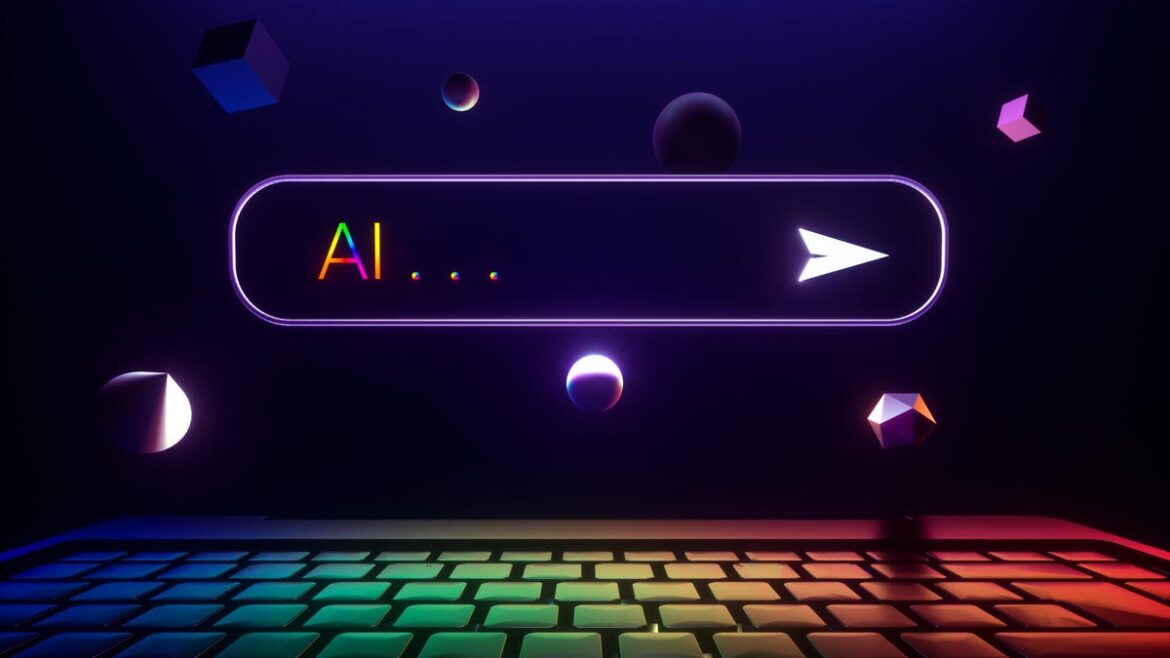
AI in a search bar above a rainbow-lit keyboard
Gaming Gear

Writing a Good AI Image Prompt Isn’t Hard, but You Need These Essential Elements

by admin September 16, 2025


One of the first things I learned while testing AI image generators is that there are a lot of things that can go wrong when you’re trying to get the image you see in your head to appear on your screen. If you’ve ever used an AI image or video generator, you know what I mean.

I’ve spent the past year testing and reviewing different AI image generators, and I’ve generated hundreds of images across services like Google’s nano bananas model, Midjourney and Dall-E. But the images I created haven’t all been winners. A bunch of them have been downright horrifying. But all my testing forced me to learn that the best way to avoid creating a wonky AI image is using a good prompt.

Prompt engineering, as experts call it, is knowing what words to use to get AI products to do what you want. For AI images, that means creating a holistic description of what you want, beyond just the characters and setting. No matter what service you use, there are essential elements you need in every prompt for the best results. This is especially important if the generator you’re using doesn’t have a lot of editing tools, like the ability to upload reference images or fix weird hallucinations.

10 Photos That Show What AI Image Generators Struggle With Most

See all photos

Writing a good AI image prompt isn’t hard, but it may take a little more work than you expect. These are my best expert tips for crafting the right prompt, including some helpful phrases to use and common mistakes to avoid.

Start with these three elements

When you first write your prompt, you might feel overwhelmed or like you’re not sure where to start. I’ve been there, and the best place to begin is with the essentials. These are the three necessary elements every prompt needs. Once you have something for each of these, you can build it out from there.

  • Characters and elements in the scene
  • Setting or where it takes place
  • Dimensions, like portrait, landscape or a specific ratio (3:2, 16:9, etc)

You might be tempted to add some exclusionary characteristics in your prompt, or things that you do not want in your image. I would caution against it. Even the most prompt-adherent generator is likely to ignore these, or worse, misread the prompt and include something you specifically asked it not to. If you want to eliminate an element from one image, it’s usually easier to do that in the editing stage rather than in the original prompt.

Specify the style and color palette you want

Beyond the “who, what and where” in your basic prompt, you’ll want to guide the generator toward a specific style. Here are some of the most popular styles of AI images.

  • Photorealistic: As close to real life as possible. AI image generators aren’t great at this, but it’s worth trying.
  • Stock photography: Like real photos, but shinier and brighter.
  • Product features: Emphasizes individual elements over the background or scene.
  • Cartoon: Fun, bright and usually less detailed.
  • Illustration: Similar to paintings, pencil sketches.
  • Gaming/Game UI: More advanced than cartoon, sometimes anime-like.

Include specific colors you want, too. If you’re not picky about the exact shades you want, you can still lead the generator down the right road by specifying if you want warm or cool tones.

This Canva image keeps the magic alive with a cartoonish warm-toned image.

Katelyn Chedraoui/Canva Magic Media AI

You’ll want different styles for different projects. Photorealistic AI images are likely to be better suited for professional environments than cartoon-style images, but they might not be right for a creative mock-up. Illustrations might be best for more detail-oriented, creative projects, like building out brainstorming ideas, and gaming is good for first iterations of new characters and worlds.

Describe the aesthetic, vibe and emotion

Take your prompt a step further and include a description of the overall aesthetic or vibe. This can help elevate your images and reach that extra layer of detail. These details are a jumping-off point to get you in the ballpark of what you want without overwhelming the generator with a novel-length prompt. Here are some common options to include in your prompt.

  • Abstract
  • Anime
  • Medieval
  • Retro
  • Psychedelic 
  • Glow, neon
  • Geometric
  • Painting, brushstroke, oil painting
  • Comic
  • Noir
  • Vintage
  • Impressionist
  • Simple, minimalistic
  • Fantasy, sci-fi
  • High tech
  • Surrealist

If none of these aesthetics feel right, try picking the closest one and building from there. Include textures, the time period and landmarks. If you care less about the specific style but want to ensure a specific emotional response, try describing that. Often describing the emotional temperature of a scene can jump-start the generator toward a specific kind of visual look. For example, happy scenes tend to have bright colors and a warm feel, no matter if they’re photorealistic or illustrations. Stressful scenes might have more detail, cool tones and a foreboding feeling that the generator might show you fits better with a fantasy or nonrealistic aesthetic.

Leonardo might not understand “cottage core coastal grandma,” but it does understand the rustic feel with blues and warm light.

Katelyn Chedraoui/Leonardo AI

You can try using more specific or pop culture aesthetics, but there’s no guarantee the generator will understand and adhere to them. For example, you might want to consider translating “cottage core coastal grandmother” to “vintage style with a light, breezy, feel using pastel blues and neutral tones.” It gets at the same idea with more specific instructions.

My AI images still aren’t right. What now?

Even with a well-written prompt, AI image generators aren’t perfect and you’ll get some duds. The tech behind the text-to-image generators is advancing, but it’s still very much in progress.

Tweaking your prompt is the fastest way to troubleshoot big problems. But if issues persist, try narrowing down what exactly is wrong with the images and tracing the problem back to where it may be coming from. For example, if your images aren’t professional-looking enough to present, it could be because the style or aesthetic included in your prompt isn’t right. Even making smaller changes to your presets, like the image dimensions, can make a big difference in the end results.

Midjourney took the “stressful” emotion too far in this image and lost the photorealistic style I wanted.

Katelyn Chedraoui/Midjourney AI

Many AI image services offer post-generation editing tools that can help you fix smaller errors. Services more geared toward professional creators like Adobe Firefly have extensive tools. More beginner-friendly programs run the gambit, with Leonardo having the most, then Midjourney with an average amount, with Canva having barely any.

Still, it can be frustrating not to get what you want after lots of work. Even more frustrating is that sometimes the best thing to do is start over. Resetting your settings to default, rethinking your prompts and beginning anew can feel like going backward. But when nothing else works, it can be a good last resort.

At the end of the day, AI image generators are not replacements for creators. They’re like other image editing software: You need to spend time getting to know your program, understanding how it works and its editing capabilities. Once you have a handle on your program, you’ll have a good understanding of what kind of prompts deliver the best results. These tips will help get you close to what you want in the meantime.

For more, check out the best AI chatbots and what to know about AI video generators.


Source link

September 16, 2025 0 comments
0 FacebookTwitterPinterestEmail
DeFi
NFT Gaming

Writing Defi Code Won’t Land You In Jail

by admin August 22, 2025


Trusted Editorial content, reviewed by leading industry experts and seasoned editors. Ad Disclosure

In a major policy shift, federal prosecutors are changing how they approach decentralized finance, or Defi.

After years of uncertainty around liability for coders and software developers, officials are now drawing a clear line between creating technology and committing a crime.

The US Justice Department has announced it will no longer target software developers who build Defi platforms without proof of criminal intent.

Acting Assistant Attorney General Matthew Galeotti made the remarks Thursday during a digital assets summit in Wyoming. He said that writing code alone does not constitute a crime.

This signals a significant change from earlier enforcement strategies where prosecutors charged developers for operating unlicensed money transmission businesses.

Debate Over Money Transmission Rules

Regulators have long applied stringent rules to companies in the money remittance business, but the rise of Defi systems is putting those standards to the test.

Traditional payment platforms face clear obligations, while DeFi projects say those same rules don’t make sense in a code-driven environment.

Money transmitters such as PayPal and Cash App must secure licenses and comply with anti-money laundering obligations. They also have to verify customers and report suspicious transactions.

But decentralized exchanges argue these rules don’t fit their model since they have no control over user activity on their platforms.

NEW: US DOJ’S ACTING AAG MATTHEW GALEOTTI SAYS “OUR VIEW IS THAT MERELY WRITING CODE, WITHOUT ILL INTENT, IS NOT A CRIME. INNOVATING NEW WAYS FOR THE ECONOMY TO STORE AND TRANSMIT VALUE AND CREATE WEALTH, WITHOUT ILL INTENT, IS NOT A CRIME”https://t.co/iyGVBr0BCZ

— DEGEN NEWS (@DegenerateNews) August 21, 2025

Source: Getty Images

On Defi, Hiding Money & Ill Intent

The issue came under the spotlight after a New York jury recently convicted Roman Storm, co-founder of Tornado Cash, on conspiracy charges linked to operating an unlicensed money transmitting business.

Tornado Cash is a privacy service specifically designed to make Defi and cryptocurrency transactions more difficult to trace.

Jurors could not reach a decision on whether Storm committed money laundering or violated sanctions.

Prosecutors said the service allowed illicit finance, while critics of the case argued Storm had only written code.

Total crypto market cap currently at $3.7 trillion. Chart: TradingView

Prosecutors Will Prioritize Evidence Of Intent

According to Galeotti, future cases in the Defi and crypto space will require proof that a developer knowingly aided fraud, sanctions evasion, or laundering.

“Innovating new ways for the economy to store and transmit value and create wealth, without ill-intent, is not a crime,” he said.

He added that laws banning unlicensed money transmission will not apply to developers unless there is evidence of deliberate wrongdoing.

The focus of the US justices will remain on fraud, Ponzi schemes, and global laundering networks, including those based in China and other countries suspected of carrying out illicit transactions.

Featured image from Getty Images, chart from TradingView

Editorial Process for bitcoinist is centered on delivering thoroughly researched, accurate, and unbiased content. We uphold strict sourcing standards, and each page undergoes diligent review by our team of top technology experts and seasoned editors. This process ensures the integrity, relevance, and value of our content for our readers.


Source link

August 22, 2025 0 comments
0 FacebookTwitterPinterestEmail
Jesse Hamilton
Crypto Trends

U.S. Justice Department Official Says Writing Code Without Bad Intent ‘Not a Crime’

by admin August 21, 2025


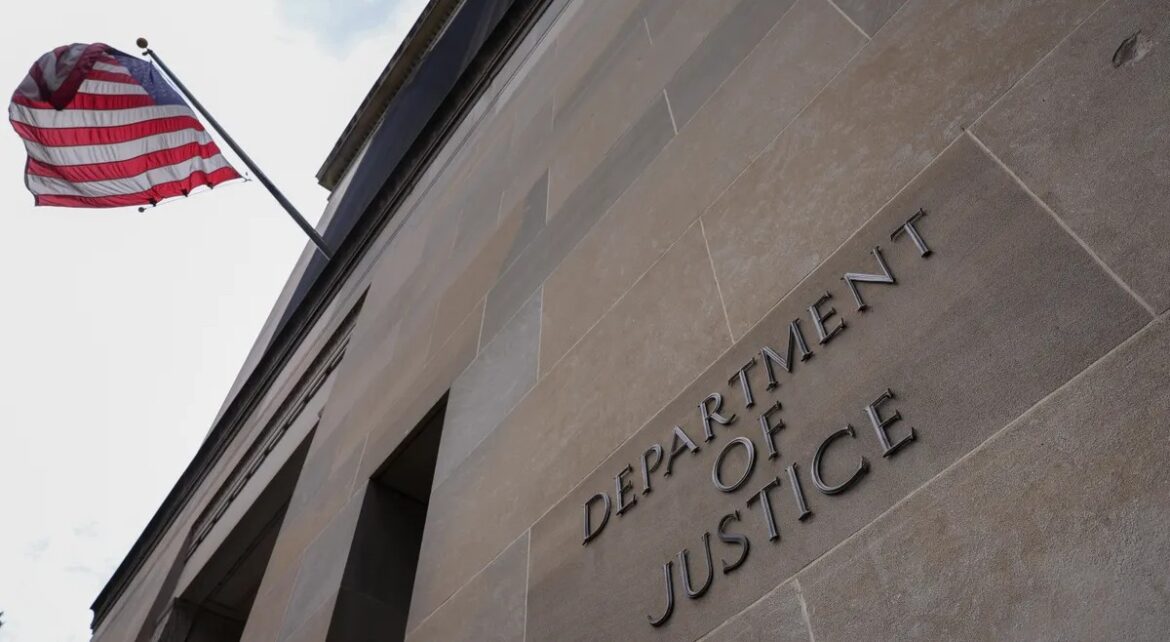
A senior official at the U.S. Department of Justice knew the crypto audience in Wyoming had fresh software developer convictions on its mind when he told them on Thursday that his department doesn’t want to go after digital assets software developers who don’t have money-laundering intentions.

Matthew Galeotti, acting assistant attorney general in the DOJ’s criminal division, made those assurances at an event hosted by the new crypto group American Innovation Project, drawing vigorous applause.

“The department will not use federal criminal statutes to fashion a new regulatory regime over the digital asset industry,” he said. “The department will not use indictments as a lawmaking tool. The department should not leave innovators guessing as to what could lead to criminal prosecution.”

He added that “merely writing code without ill intent is not a crime.”

Those sentiments arrive against the backdrop of a couple of recent courtroom developments in which U.S. prosecutors won convictions against crypto developers. Most prominently, Tornado Cash developer Roman Storm was found guilty of running an unlawful money transmitting business.

That followed closely on the heels of a plea agreement involving the developers behind Samourai Wallet pleading guilty to conspiracy to operate an unlicensed money transmitting business — a significantly lesser charge to what they’d originally faced.

Galeotti directly addressed concerns about that specific criminal code they were all convicted under. He said the DOJ wouldn’t use it in crypto cases unless prosecutors have “evidence that a defendant knew of the specific legal requirements and willfully violated it.”

He said new charges won’t be pressed under that code in cases in which “software is truly decentralized and solely automates peer-to-peer transactions, and where a third party does not have custody and control over user assets.”

An April memo issued by Deputy Attorney General Todd Blanche had set out the stance of the department under the leadership appointed by U.S. President Donald Trump. It noted the national cryptocurrency enforcement team had been disbanded and said the DOJ would take a careful approach to crypto cases after the previous administration “created a particularly uncertain regulatory environment around digital assets.” Despite the Blanche memo, the Southern District of New York (SDNY) pressed forward with their cases against Storm and the Samoruai Wallet developers.

“Developers of neutral tools with no criminal intent should not be held responsible for someone else’s misuse of these tools,” Galeotti said at the Thursday event, the first held by the AIP that was launched this week. “If a third party’s misuse violates criminal law, then that third party should be prosecuted, not the well-intentioned developer.”

The protection of crypto software developers has been a central lobbying point for the industry in its negotiations with lawmakers and regulators in Washington. The crypto market structure legislation currently moving through Congress has included protections of such developers, though the final version isn’t yet set in the Senate.

“The fact that the DOJ acknowledged that software developers should not be held responsible for third parties’ misuse of their code affirms what we have been advocating for years,” said Amanda Tuminelli, executive director of the DeFi Education Fund, in a statement after Galeotti’s remarks. “Let’s celebrate this as a moment of progress and remember that there is still more work to be done to change the law permanently.”

Read More: DOJ Axes Crypto Unit as Trump’s Regulatory Pullback Continues


Source link

August 21, 2025 0 comments
0 FacebookTwitterPinterestEmail

Categories

  • Crypto Trends (1,098)
  • Esports (800)
  • Game Reviews (772)
  • Game Updates (906)
  • GameFi Guides (1,058)
  • Gaming Gear (960)
  • NFT Gaming (1,079)
  • Product Reviews (960)

Recent Posts

  • This 5-Star Dell Laptop Bundle (64GB RAM, 2TB SSD) Sees 72% Cut, From Above MacBook Pricing to Practically a Steal
  • Blue Protocol: Star Resonance is finally out in the west and off to a strong start on Steam, but was the MMORPG worth the wait?
  • How to Unblock OpenAI’s Sora 2 If You’re Outside the US and Canada
  • Final Fantasy 7 Remake and Rebirth finally available as physical double pack on PS5
  • The 10 Most Valuable Cards

Recent Posts

  • This 5-Star Dell Laptop Bundle (64GB RAM, 2TB SSD) Sees 72% Cut, From Above MacBook Pricing to Practically a Steal

    October 10, 2025
  • Blue Protocol: Star Resonance is finally out in the west and off to a strong start on Steam, but was the MMORPG worth the wait?

    October 10, 2025
  • How to Unblock OpenAI’s Sora 2 If You’re Outside the US and Canada

    October 10, 2025
  • Final Fantasy 7 Remake and Rebirth finally available as physical double pack on PS5

    October 10, 2025
  • The 10 Most Valuable Cards

    October 10, 2025

Newsletter

About me

Welcome to Laughinghyena.io, your ultimate destination for the latest in blockchain gaming and gaming products. We’re passionate about the future of gaming, where decentralized technology empowers players to own, trade, and thrive in virtual worlds.

Recent Posts

  • This 5-Star Dell Laptop Bundle (64GB RAM, 2TB SSD) Sees 72% Cut, From Above MacBook Pricing to Practically a Steal

    October 10, 2025
  • Blue Protocol: Star Resonance is finally out in the west and off to a strong start on Steam, but was the MMORPG worth the wait?

    October 10, 2025

Newsletter

@2025 laughinghyena- All Right Reserved. Designed and Developed by Pro


Back To Top
Laughing Hyena
  • Home
  • Hyena Games
  • Esports
  • NFT Gaming
  • Crypto Trends
  • Game Reviews
  • Game Updates
  • GameFi Guides
  • Shop

Shopping Cart

Close

No products in the cart.

Close