Laughing Hyena
  • Home
  • Hyena Games
  • Esports
  • NFT Gaming
  • Crypto Trends
  • Game Reviews
  • Game Updates
  • GameFi Guides
  • Shop
Tag:

Trump

Trump and RFK Jr. Blame Tylenol For Autism in New Report, but Experts Push Back
Gaming Gear

Trump and RFK Jr. Blame Tylenol For Autism in New Report, but Experts Push Back

by admin September 23, 2025


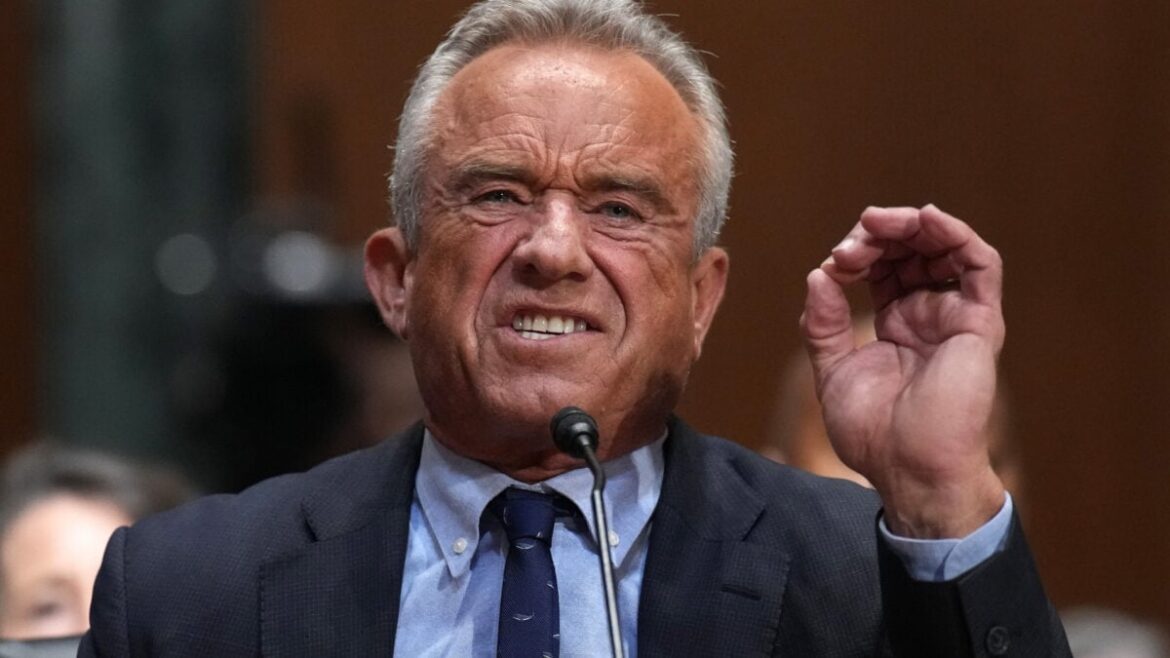
President Donald Trump and U.S. Health and Human Services Secretary Robert F. Kennedy Jr. have officially found scapegoats to blame for rising rates of reported autism cases. In a report published today by HHS, the government has linked the use of acetaminophen (better known as Tylenol) during pregnancy to the neurodevelopmental condition.

Trump made the announcement at a news conference Tuesday afternoon, though the Wall Street Journal was the first to break the news on the expected findings earlier this month. The report singles out acetaminophen use and folate deficiency as possible autism causes and even suggests a specific drug used to improve the latter—leucovorin—as a potential autism treatment.

“Taking Tylenol is not good—I’ll say it, it’s not good,” Trump stated decidedly during the conference, though he went on to admit that there are no safer alternative over-the-counter painkillers for pregnant women to take. RFK Jr., meanwhile, stated that the FDA will be taking formal steps to add a safety label to acetaminophen products warning of its supposed autism risk, while HHS will be conducting a public health campaign to highlight the link.

Outside experts are dubious about the report, however, arguing that its findings are based on weak and mixed evidence, at best.

Why Tylenol is a red herring

Perhaps the biggest red flag surrounding this report is Trump and RFK Jr.’s grandiose language advertising it. Both men have crowed about finding the singular cause or answer to autism spectrum disorder.

“I’ve been waiting for this meeting for 20 years.” Trump said during the news conference. “And it’s not that everything is 100% understood or known. But I think we’ve made a lot of strides.”

Actual scientists, however, have long known that autism is generally triggered by a mix of genetic and environmental influences—influences that aren’t easily untangled.

The rate of reported autism cases in children has gone up over time. Many experts have argued that a greater awareness of autism symptoms and broader criteria in how autism is diagnosed are largely responsible for this increase. But Trump, RFK Jr., and others have refused to accept this conclusion, and have instead looked to point a finger at some external culprit in the environment.

Some environmental factors could be contributing slightly to more autism cases, such as people having children at an older age than before, but there are good reasons why Tylenol is unlikely to be a good villain for the Trump administration to blame.

“There’s nothing new here. They are reviewing existing literature, and they’re doing it badly,” David Mandell, an autism researcher and psychiatric epidemiologist at the University of Pennsylvania, told Gizmodo. Mandell is also an executive committee member of the Coalition of Autism Scientists, an organization that formed in response to RFK Jr.’s initial announcement earlier this April that he would supposedly uncover the causes of autism.

Some studies, including a review published last month, have suggested that prenatal exposure to acetaminophen could increase the risk of several neurodevelopmental disorders, such as autism and attention-deficit/hyperactivity disorder (ADHD). Importantly, though, many other studies haven’t, including studies that have tried to account for the weaknesses in the data being analyzed.

In a 2024 study, researchers in Sweden and the U.S. looked at the health outcomes of all children born in Sweden between 1995 and 2019. At first, they did find a small signal of potential autism risk in kids whose mothers reported using acetaminophen during pregnancy. This signal disappeared entirely when they only focused on comparing siblings to each other, however. Since siblings share many of these influences, this type of study can better isolate and cut down on potential noise in the data that could lead researchers down the wrong path.

Indeed, based on their results, the researchers concluded that the link between Tylenol and disorders like autism was probably a “noncausal association.”

Some research has also suggested that acetaminophen use among pregnant women in the U.S. and Canada has actually declined slightly since the early 2000s, Mandell notes, the opposite trend you’d expect to see if the drug was truly driving higher autism rates.

Notably, other countries have already tried to distance themselves from the U.S.’s new stance on Tylenol. The UK’s health regulators issued a statement today reassuring its residents that the use of acetaminophen (called paracetamol in Europe) during pregnancy is safe and that there is no evidence of it causing autism.

The tenuous case for leucovorin

The link between folate deficiency/leucovorin and autism in the new report is built on less shaky, but still tenuous, ground.

Folate is also known as vitamin B9, and expectant mothers need adequate levels of it to support their child’s health during pregnancy and prevent certain birth defects. That’s why women are recommended to regularly take folic acid (another form of vitamin B9 that breaks down into folate in the body) supplements while pregnant.

Research has suggested that some children with autism also tend to have trouble moving folate into their brains (usually due to an autoimmune issue), which then causes a condition called cerebral folate deficiency (CFD). Importantly, people can have CFD but still have normal folate levels in their blood. Leucovorin is a different form of vitamin B9 (folinic acid) that’s most commonly used to counteract the toxic effects of some chemotherapy treatments. But the drug can also bypass the typical method for folate delivery, meaning it can raise folate levels in the brain and treat CFD.

Based on this early research, some scientists have been excited about the potential of leucovorin to help children with both autism and CFD. Some clinical trials have yielded promising results, while some parents have claimed that leucovorin dramatically improved their children’s communication and developmental skills. All that said, the trials have been small to date, with the largest so far involving 80 children (a similar trial of 80 children is expected to be completed next year) and the smallest only having 19 children.

Leucovorin could absolutely turn out to be an effective treatment for the subset of children who seem to have both conditions, but Mandell is worried about the Trump administration rushing through the scientific process in hopes of securing good publicity. When I asked if the administration is putting the cart ahead of the horse with leucovorin, Mandell replied, “We don’t even know if there is a cart yet.”

Mandell also cautions that both researchers and the autism community have had their hopes raised—only to be dashed—by early, promising studies in the past. Over 20 years ago, he notes, much was made about the potential of secretin, a neurotransmitter that helps regulate digestion, to treat autism symptoms. Case reports and small trials appeared to show a positive effect from secretin, only for multiple larger trials to later find nothing of the sort.

This cautionary tale has not stopped Trump and Kennedy from quickly moving to promote and even approve leucovorin for autism via the FDA. The FDA is publishing a Federal Register notice outlining a label update for leucovorin, according to HHS, which will formally authorize a prescription version of the drug for treating autism.

“If folinic acid gets an FDA indication for autism, it would be the drug with the weakest evidence to support its FDA indication of any drug that I can think of,” Mandell said.

Mandell and others have also noted some groups close to Trump world could potentially profit handsomely if leucovorin becomes popularized as an autism treatment. Mehmet Oz, the current administrator of the Centers for Medicare & Medicaid Services, was previously an advisor to the supplement company iHerb, for instance, which has several listings for folinic acid supplements on its website. Oz himself pledged to resign from the company and divest his restricted stock units from iHerb upon becoming CMS chief.

The future of autism research

The government’s approach to autism and research is now taking shape. That said, under the Trump administration, the National Institutes of Health has actually cut funding this year from its existing autism-related efforts, either due to negligence or as part of a larger crusade to tear down anything in the government that even acknowledges racial and other disparities for being too “woke.”

Mandell and other experts worry that the administration’s new focus on acetaminophen and leucovorin will only lead to more wasted resources and fearmongering about an important intervention. Compared to aspirin and NSAIDs, Tylenol is considered a safer OTC pain and fever reliever for pregnant women, and it’s estimated more than half of women worldwide take the drug at least once during pregnancy.

Unfortunately, the scapegoating may not be over yet.

The HHS report notably doesn’t focus on vaccination, which Kennedy, other antivaccination proponents, and even Trump have long tried to blame for rising autism rates. Extensive scientific research over the years has and continues to find no such link between vaccines or their ingredients and autism. But HHS has reportedly hired well-known antivaxxer David Geier to conduct a new study reexamining this debunked connection.

During the news conference, Trump tried to relitigate the case for separating out the measles, mumps, and rubella combination vaccine (a common goal of the anti-vaccination movement), arguing that taking too many vaccines at once is dangerous to people’s health, a claim with little backing. RFK Jr. also made it clear during the conference that HHS will be investigating the purported link between vaccines and autism, somehow framing it as a matter of “believing all women”—referring to the mothers who believe vaccines cause autism.

Acetaminophen may be the first fake bogeyman that Trump and Kennedy will formally blame for autism, but it seems unlikely that it will be the last.
Source link

September 23, 2025 0 comments
0 FacebookTwitterPinterestEmail
Photo: Drew Angerer
Product Reviews

Trump Hints at the Murdochs Joining the TikTok Deal

by admin September 21, 2025


The details keep trickling in on the American takeover of TikTok, though whether they actually provide clarity or just muddy the waters further is debatable. The latest tidbit offered by Donald Trump: Conservative media magnate Rupert Murdoch and his son Lachlan might be a part of the group of American investors who will be buying the social media platform from Chinese ownership at ByteDance.

In an interview on Fox News’ “The Sunday Briefing,” the president offered details in about the least certain way imaginable. First, he said, “A man named Lachlan is involved.” Luckily, there aren’t that many Lachlans with access to “Buying TikTok” money, but Trump did specify that he was indeed speaking of Lachlan Murdoch. He went on to say that the Murdoch men are “probably gonna be in the group,” then said, “I think they’re going to be in the group.” Sounds like a sure thing on a deal that has been short on details for some time now.

Trump lumped the Murdochs in with some other players who are believed to be involved in the deal to buy TikTok, including Oracle CEO Larry Ellison and Dell Technologies CEO Michael Dell. Ellison has been the most consistent name tied with the American-ized TikTok, and he’s had close ties to Trump dating back to his first administration. Ellison and his son also own a huge stake in Paramount, which has been rapidly turning CBS into a Trump-aligned news network, including reportedly preparing a major deal to bring in Bari Weiss. Michael Dell is a newer name in the mix, but perhaps not a surprising one given that the CEO has been talking up some of Trump’s policies in recent months.

Trump didn’t make specific mention of Marc Andreessen or his venture capital firm Andreessen Horowitz, nor investment firm Silver Lake, both of which the Wall Street Journal previously reported were expected to be involved in buying TikTok. He did say there were others involved, who Trump described as “really great people, very prominent people.”

The involvement of the Murdochs is certainly of note, though. Trump and Rupert Murdoch haven’t been on the greatest of terms, given that the Wall Street Journal, owned by Murdoch, has been leading the way in reporting on Trump’s ties to Jeffrey Epstein. The two are currently involved in a lawsuit over the Journal’s reporting, but they also recently traveled to the United Kingdom together and have a much longer history than just this current spat.

It’s not hard to imagine why Murdoch wants in on the deal: his media conglomerate currently counts primarily on the extremely old audience that watches Fox News. TikTok provides an opportunity to serve his preferred brand of conservative slop to a younger generation.


Source link

September 21, 2025 0 comments
0 FacebookTwitterPinterestEmail
DAAPrivacyRightIcon
Gaming Gear

Trump administration to impose a $100,000-per-year fee for H-1B visas

by admin September 20, 2025


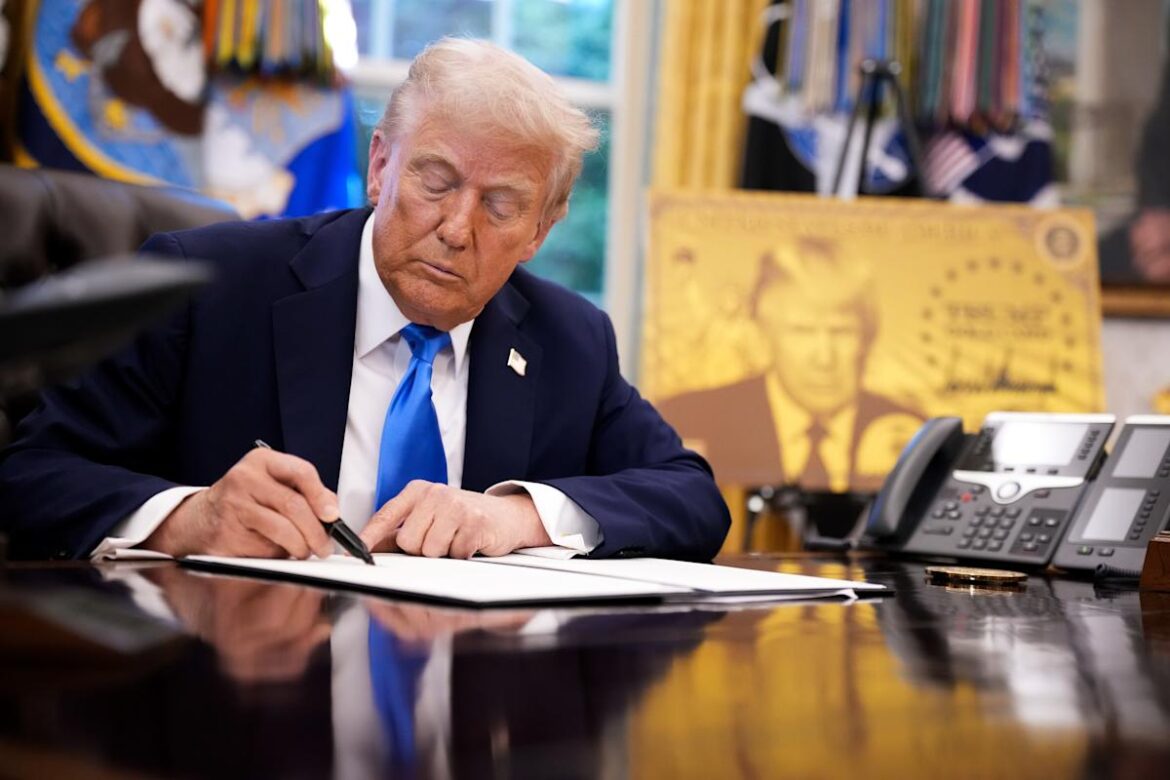
President Donald Trump has signed a new executive order, which adds a $100,000 fee to H-1B visa applications. It’s not a one-time fee either: The New York Times has reported that companies will have to pay $100,000 a year for any employee it brings over to the US on the visa for up to six years. The Secretary of Homeland Security will restrict approval for visa applications unless accompanied by the fee, though the rule “allows case-by-case exemptions if [it’s] in the national interest.” This new requirement will only apply to new visa applicants, a White House official told The Times, and it will likely face legal challenges. If it does get implemented, though, it could deal a huge blow to the tech industry.

While several sectors in the US use the program to bring skilled workers into the country, some of its biggest beneficiaries are in the tech sector. According to the US Citizen and Immigration Services, Amazon has the most number (over 10,000) of workers on the H-1B visa. Microsoft, Meta, Apple and Google are also in the top ten list of employers that brought over H-1B workers, with between 4,000 and 5,500 employees on the visa. Walmart, Intel, IBM and NVIDIA have a considerable number of H-1B workers, as well. As TechCrunch has noted, Elon Musk, who used to be close to the president, came over to the US on the H-1B, as did Instagram co-founder Mike Krieger.

In the White House’s announcement, the administration explained that some employers have abused the H-1B visa to “artificially suppress wages,” creating a disadvantageous market for Americans. “Information technology (IT) firms in particular have prominently manipulated the H-1B system, significantly harming American workers in computer-related fields,” the announcement read.

Trump has also signed an order for a new visa program called the “Gold Card,” which the administration says will prioritize “the admission of aliens who will affirmatively benefit the Nation, including successful entrepreneurs, investors, and businessmen and women.” It’s an expedited immigrant visa program, available to anybody who can afford the “requisite gift” the government asks for. Specifically, the gift made to the US Department of Commerce must be “$1 million for an individual donating on his or her own behalf and $2 million for a corporation or similar entity donating on behalf of an individual.”


Source link

September 20, 2025 0 comments
0 FacebookTwitterPinterestEmail
Donald Trump Is Saying There’s a TikTok Deal. China Isn’t
Gaming Gear

Donald Trump Is Saying There’s a TikTok Deal. China Isn’t

by admin September 19, 2025


US efforts to ban TikTok started during Trump’s first term in 2020. Months before he left office, Trump threatened to ban TikTok and another Chinese app WeChat. The Biden administration rescinded Trump’s executive orders on the topic but continued to scrutinize TikTok. The US congress eventually passed the Protecting Americans from Foreign Adversary Controlled Applications (PAFACA) Act in April 2024. This gave TikTok two options: divest from its Chinese ownership before January 19, 2025, or risk a federal ban.

The app briefly went dark in the US ahead of the deadline, then reappeared on app stores less than 24 hours later and resumed services for US users.

Since Trump returned to power, Washington’s stance on TikTok appears to have shifted. Trump has become a steadfast advocate for saving the app, which he credited with helping him win the support of young voters. He has repeatedly extended the deadline set by the PAFACA Act, most recently to December 16, 2025, which some experts have criticized as illegal.

The deal that is reportedly being proposed by the Trump administration could meet the requirements set by the PAFACA Act, says Alan Rozenshtein, an associate professor of law at the University of Minnesota Law School. But the fact remains that the deadline has been extended multiple times and American companies like Oracle and Apple have not paid fines for continuing to service the app.

“The way the law was written, the companies were liable for doing business with TikTok, up to $5,000 per US user. So if there are 170 million TikTok users [in the US], and they all used the platform in the last nine months, and each of these platforms and each of these companies has accrued potentially up to nearly $1 trillion in liability,” Rozenshtein claims. He notes that it’s unlikely the Trump administration will collect that fine.

Some experts in Washington believe the deal does not solve the perceived national security issues that sparked talk of a ban in the first place. “In plain terms, ownership change without technical separation is a violation of the law,” says Craig Singleton, a senior fellow at the Foundation for Defense of Democracies, a DC-based think tank. He compares the deal to a “joint custody” rather than the “divorce” that the PAFACA Act required.

The Chinese government has stressed in recent statements that the deal will include concessions from the US on non-TikTok issues, such as barriers to cross-border investment. “The US side needs to provide an open, fair and non-discriminatory environment for Chinese investors,” the Chinese readout of the call between Trump and Xi says.

If Beijing exchanges the TikTok deal for better trade terms, ByteDance and its original investors may lose out. “It’s not great. But it’s still better than being completely shut down and losing entirely to Meta. It’s probably like a C-minus outcome,” says Rui Ma, founder of Tech Buzz China, a research firm focused on Chinese tech.

Update 9/19/25 6:00pm ET: This story has been updated to include a statement posted by ByteDance.


Source link

September 19, 2025 0 comments
0 FacebookTwitterPinterestEmail
Decrypt logo
NFT Gaming

What’s Up With the Golden Trump Bitcoin Statue That Was in Washington DC?

by admin September 19, 2025


In brief

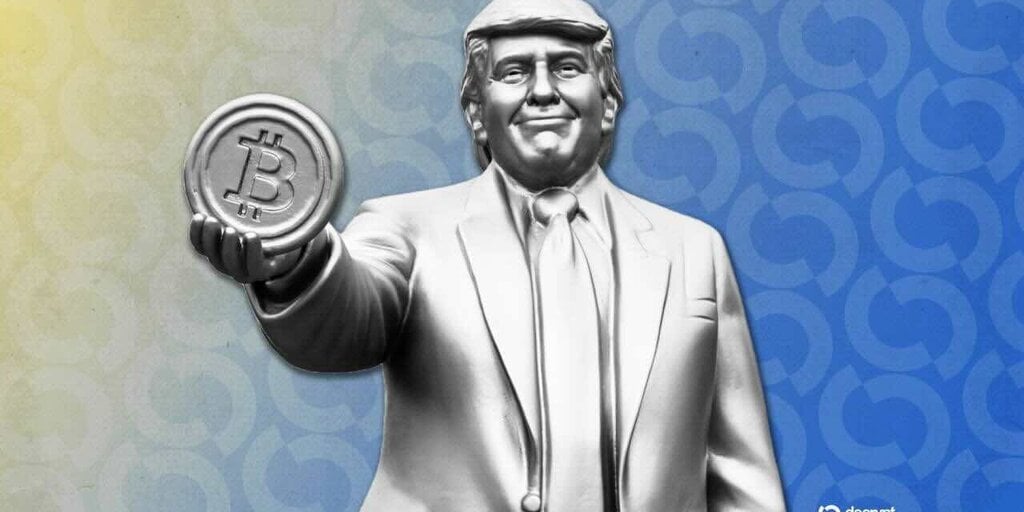
  • A 12-foot gold statue of Trump holding a Bitcoin was unveiled outside the U.S. Capitol on the day the Fed cut interest rates by a quarter-point.
  • Funded by a group of meme coin creators, the installation is meant to provoke a conversation about government currency and digital financial innovation.
  • Reactions are split: supporters see it as tribute and symbolism; critics call it spectacle over substance.

Washington got a new monument this week: A 12-foot golden tribute to President Donald Trump, clutching a Bitcoin like a holy relic, glowed outside the Capitol Wednesday just as the Fed trimmed interest rates, turning a monetary policy day into a mash-up of political theater and crypto spectacle.

Launched by the team behind a Solana meme coin called DJTGST—which briefly pumped to a peak market cap of about $2.4 million on Wednesday—the statue reinforced how deeply intertwined Trump has become with Bitcoin over the last year, particularly since his White House return in January.

The creators described the statue as a bridge between “modern politics and financial innovation.” Project representative Hichem Zaghdoudi said the piece functions as a symbolic “thank you” to Trump, who they believe has helped accelerate public adoption of Bitcoin.

“The installation is designed to ignite conversation about the future of government-issued currency and is a symbol of the intersection between modern politics and financial innovation,” Zaghdoudi told ABC.

Unsurprisingly, reactions to the stunt have persisted days after the statue was removed. To its backers, it’s a tribute: a shiny, over-the-top thank you for what they view as Trump’s pro-Bitcoin leadership. To others, it’s a spectacle that trivializes complex financial and political issues.

Cultural commentators have likened the golden statue to religious iconography, while critics argue that the stunt prioritizes visuals and buzz over policy substance—suggesting that public memory may recall the statue more than meaningful regulatory change.


A columnist for the Baptist News didn’t know what exactly to make of the new statue: “Whether these golden Trump statues are idols or sculptures, they’re undoubtedly part of the bizarre meme culture that has come to permeate so much of modern politics.”

On social media, sentiment has ranged from mockery to admiration. Reddit threads have skewered the spectacle as cringey, with one commentator saying the president “looks like the mascot for some breakfast chain.” And on X, well, you can wade into that cesspit yourself.

Economists have warned that stunts such as the statue are more than street theater—they’re part of a larger signal about political influence over monetary policy.

A Financial Times survey of 94 U.S. and European economists found many believe recent pressure on the Federal Reserve risks undermining its independence, possibly fueling inflation and reducing confidence in U.S. debt. They see events like this statue—and its timing with the Fed rate cut—as emblematic of the mounting tension between political spectacle and institutional credibility.

The piece was placed temporarily, from 9 a.m. to 4 p.m on Wednesday. But it lives on in controversy.

Daily Debrief Newsletter

Start every day with the top news stories right now, plus original features, a podcast, videos and more.


Source link

September 19, 2025 0 comments
0 FacebookTwitterPinterestEmail
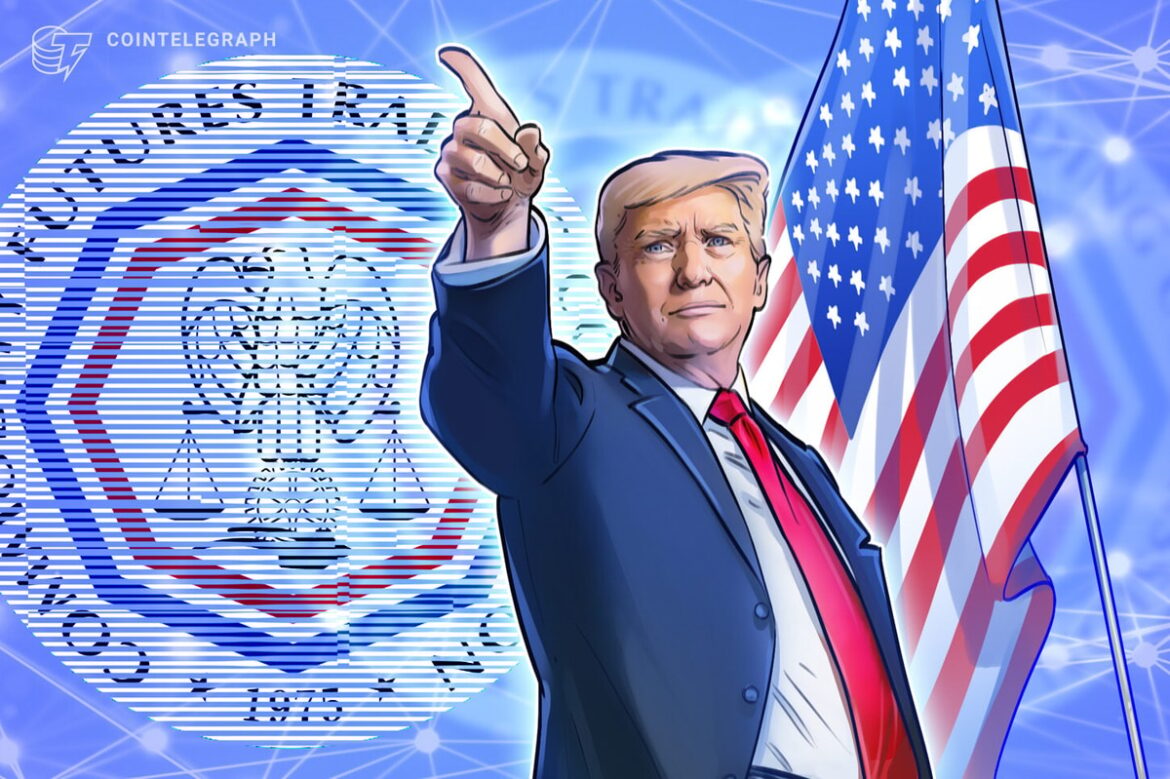
Trump Weighs New CFTC Chair Picks As Quintenz Stalls
Crypto Trends

Trump Weighs New CFTC Chair Picks As Quintenz Stalls

by admin September 19, 2025


The Trump administration is reportedly considering a slate of new candidates to lead the Commodity Futures Trading Commission, as Brian Quintenz’s confirmation has stalled.

New candidates being discussed include Michael Selig, chief counsel to the Securities and Exchange Commission’s crypto task force and a former asset management attorney, and Tyler Williams, Treasury counselor on digital asset policy, who previously worked at Galaxy Digital.  

Cointelegraph contacted the CFTC for further details but did not receive an immediate response.

Brian Quintenz’s nomination hit a wall in July after Gemini co-founder Tyler Winklevoss asked Donald Trump to halt the process, expressing frustration at the Biden administration’s crackdown on his company. 

“Seven years of lawfare trophy hunting. It’s outrageous what they did to us,” he said at the time. The White House then requested that the Senate pause the planned vote.

Earlier this month, Quintenz publicly suggested Trump “might have been misled” by the Winklevoss twins, posting screenshots of private messages on X.

Related: Crypto advocacy groups double down on Quintenz confirmation at CFTC amid pushback

Winklevoss twins flex their influence

The Wall Street Journal described the situation as the Winklevoss twins as “flexing their Washington influence” after backing Trump’s campaign with millions of dollars in donations.

The CFTC is understaffed, with only acting chair Caroline Pham remaining after multiple recent resignations. At the same time, the agency is expected to gain expanded oversight of crypto assets under pending legislation.

Meanwhile, the White House hasn’t officially moved away from Quintenz but is exploring alternatives as discussions about new candidates have intensified recently.

Brian Quintenz shares screenshots from his spat with the Winklevoss twins earlier this month. Source: Brian Quintenz.

Fostering crypto advancement 

The CFTC has made several moves recently to favor the crypto industry in the United States, such as allowing offshore exchanges to serve US citizens under an initiative called “crypto sprint.”

In August, the Commission launched an initiative to enable the trading of “spot crypto asset contracts” on CFTC-registered futures exchanges.

A pro-crypto agency head will likely extend the advancement of crypto-friendly legislation in the US. 

Magazine: XRP to retest highs? Bitcoin won’t go sideways for long: Hodler’s Digest


Source link

September 19, 2025 0 comments
0 FacebookTwitterPinterestEmail
(Jason Hafso/Unsplash)
Crypto Trends

Is Binance Cutting Deals with Team Trump? That’s What Senate Democrats Are Asking

by admin September 19, 2025


Binance, the largest global crypto exchange, is still under the constraints of a massive, $4.3 billion U.S. enforcement action, though Senator Elizabeth Warren and other Democrats are asking the Trump administration about reports that it’s easing off on those orders.

In 2023, the major digital assets platform agreed to settle with U.S. authorities for sanctions violations, insufficient money-laundering protections and operating without proper licensing, and its leader, Changpeng “CZ” Zhao, pleaded guilty to Bank Secrecy Act violations, stepping down from the company and serving a brief prison sentence. Warren and two other senators, Richard Blumenthal and Mazie Hirono questioned Attorney General Pam Bondi in a letter this week, asking about reports by outlets including Bloomberg News that the company has spoken to the U.S. about dropping its independent compliance monitor.

The senators also raised the continuing financial ties between the family of President Donald Trump and Binance, through their stake in World Liberty Financial.

“These reports make it more important than ever that the public understand the Trump administration’s interactions with, and relationship to, Binance and its employees,” they wrote, demanding “meaningful” answers to several questions about the U.S. Department of Justice’s interactions with Binance, including whether a pardon is being considered for CZ.

As the markets contemplated a potential return of CZ, the Binance-tied BNB token rocketed over $1,000 for the first time, leaping over SOL to become the fifth-largest cryptocurrency by market capitalization.

The prosecution of Binance in the U.S., where the independent Binance.US arm still operates, occurred under the previous administration, and the arrival of President Trump and his pro-crypto choices to be regulators and law enforcement officials has rapidly shifted the stance of the U.S. government. Many of the efforts of previous officials to address digital assets market risks and the dangers of their use in illicit finance and drug trafficking have been overtaken by the administration’s interest in financial innovation and establishing the U.S. as a global crypto hub.

In May, the Securities and Exchange Commission moved to drop its long-running lawsuit against Binance.

Read More: BNB Hits $1,000 All-Time High as Binance Nears DOJ Deal, Rumors of CZ’s Return Grow


Source link

September 19, 2025 0 comments
0 FacebookTwitterPinterestEmail
Trump Files a $15 Billion Lawsuit Against New York Times
NFT Gaming

Trump Files a $15 Billion Lawsuit Against New York Times

by admin September 19, 2025


Donald Trump filed a $15 billion defamation lawsuit against the New York Times magazine and Penguin Random House. According to the lawsuit, the NYT’s alleged smear campaign was intended to harm his reputation and business. The token is 70% down after its peak on the second day after the launch in January 2025. Did NYT harm it?

Summary

  • The NYT has been criticizing Donald Trump for years. It endorsed Kamala Harris in the fall of 2024. 
  • Trump believes the magazine breached journalistic ethics to pursue the interests of the Democratic Party.
  • Trump filed a $15 billion defamation lawsuit against the Times and Penguin Random House that published a critical book on Trump, “Lucky Loser.” The book was written by the NYT journalists.
  • Trump believes the book and three NYT articles are full of distorted facts that harmed his reputation and business.

What’s in the lawsuit?

Trump took to Truth Social to announce he is suing The NYT for alleged intended defamation during the 2024 presidential race. The Penguin Random House publisher is another target in the president’s $15 billion lawsuit. The trial is set to take place in a Florida federal court.

The lawsuit is focused on the book published by Penguin and three NYT articles. The book is titled “The Luckiest Loser: How Donald Trump Squandered His Father’s Fortune and Created the Illusion of Success.” It was written by Pulitzer-winning NYT reporters Russ Buettner and Susanne Craig. The articles are:

  1. “The Star-Making Machine That Created ‘Donald Trump, written by the authors of ‘Lucky Loser.’ It outlines how the public image of Trump was enhanced by the producers of ‘The Apprentice’ show. The article was released on Sep. 14, 2024.
  2. “For Trump, a Lifetime of Scandals Heads Toward a Moment of Judgment,” released on Oct. 20, 2024. 
  3. “As Election Nears, Kelly Warns Trump Would Rule Like a Dictator,” released on Oct. 24, 2024. 

Critics have called Lucky Loser – my book with @russbuettner – a gripping page-turner, a multi-generational saga that brings perspective to how we got to this moment. It’s out next week in paperback. 🎉https://t.co/ZmZ1Nui5Pt

— Susanne Craig (@susannecraig) September 17, 2025

According to the lawsuit, The Times betrayed journalist ideals of honesty, objectivity, and accuracy. 

The lawsuit reads:

“The First Amendment has never furnished the Times — or Penguin, or anyone else — with an unqualified privilege to make false, malicious, and defamatory statements about its opponents in order to try and ruin their lives and livelihoods.”

According to the lawsuit, the actions of the publisher and NYT were aimed at harming Trump’s business reputation, sabotaging his candidacy for President, and prejudicing juries and judges in the “unlawful cases brought against President Trump, his family, and his businesses by his political opponents for purposes of election interference.”

The lawsuit suggests that the Harris endorsement article opens with a “hyperbolic line” claiming that Trump is the least fit to serve as the President of the United States. It provides a quotation saying that in the event that Trump gets elected, he will “defy the norms and dismantle the institutions that have made our country strong.” According to the text of the lawsuit, this statement is hypocritical. The text provides several extracts from other NYT articles. One of the articles urges the U.S. people to reject the filibuster tool as anti-democratic. The other one suggests that the U.S. Constitution is “broken” and “dangerous” and calls Americans to “reclaim from constitutionalism.”

The text of the lawsuit reads that repugnant distortions and fabrications about Trump were spread through the NYT and “Lucky Loser” to further the goals of the Times and its Democrat Party backers. 

A substantial portion of the lawsuit is dedicated to listing Donald Trump’s achievements. This segment suggests it was his charisma and “unique business acumen” that propelled him to success in show business and politics. Also, it disputes certain narratives from the book and articles in question. These include depicting Trump as a liar, a weak businessman and unreliable business partner, questioning the quality of his real estate, suggesting Trump has ties with the mafia, accusing Trump’s father of multi-million dollar tax evasion, etc. 

Did NYT and “Lucky Loser” harm Trump’s cryptocurrency business?

While the lawsuit itself contradicts the damage done to Trump’s reputation by stressing his sweeping victory in the 2024 election, it mentions financial damages caused by the journalists in question.

For instance, it associates the articles and the book with the decline of Trump Media’s stock price, which impacted Trump’s stake in the company. According to the lawsuit, Trump’s one-of-a-kind personal brand is worth $100 billion. It means that any damage to his personal brand is evaluated in billions of dollars.

The lawsuit barely mentions the cryptocurrency ventures of Trump and his family. And it’s not surprising, considering the fact that it is focused on the pre-election material. Actually, the lawsuit doesn’t contain any mention of harm caused by the Times to Trump’s crypto business. 

Nevertheless, the legal fight that may cost NYT too much if Trump wins targets the ongoing criticism of the Trump family’s crypto business. The Times has been covering Trump’s controversial crypto business before Trump’s second inauguration. It includes critical coverage of Official Trump memecoin and the entire crypto empire of the Trump family.

The NYT’s point of view often echoes the Democratic Party’s urges to ban crypto business for presidents, vice presidents, and their families. The New York Times continued to publish revelatory and investigative articles on the crypto business of the POTUS after the lawsuit was filed. 

The NYT spokesperson published an answer to Trump’s lawsuit:

“This lawsuit has no merit. It lacks any legitimate legal claims and instead is an attempt to stifle and discourage independent reporting. The New York Times will not be deterred by intimidation tactics. We will continue to pursue the facts without fear or favor and stand up for journalists’ First Amendment right to ask questions on behalf of the American people.”

The NYT publisher, A.G. Sulzberger, sent a note to staff calling the lawsuit “frivolous” and saying that “everyone, regardless of their politics, should be troubled by the growing anti-press campaign led by President Trump and his administration.”

Despite the NYT’s questioning of the legitimacy of Trump’s crypto business, there is no visible correlation between the Trump token market performance and the critical articles. Conflict of interests associated with the Trump memecoin is often mentioned in various publications, including Cointelegraph, or is addressed in the X posts of prominent crypto influencers.

Can Trump win this legal battle?

The legal battle with the NYT and Penguin isn’t the first time the 47th President has sued “biased media.” Some of the sued companies had to pay Trump millions in damages. The lawsuit mentions the battles with ABC, CBS, and The Wall Street Journal.

Trump and his influential supporters successfully ostracized a few of his critics from the media. One of the most recent examples is the indefinite suspension of Jimmy Kimmel’s show by ABC on Sep. 18, 2025. It happened hours after Trump condemned Kimmel’s remarks on the assassination of Charles Kirk, who was a public speaker and high-profile Trump supporter. Earlier, Trump expressed pleasure over the closing of Stephan Colbert’s late-night show. In the message posted on Truth Social, he added that he hopes Kimmel will be next. Both Colbert and Kimmel have been critical of the President. 

Given all that, it is safe to say that the Times and Penguin will have a tough fight. As of the press time, the NYT continues to publish opinion articles criticizing Trump frequently.


Source link

September 19, 2025 0 comments
0 FacebookTwitterPinterestEmail
Nvidia Appeals to Trump With a $5 Billion Intel Stake
Product Reviews

Nvidia Appeals to Trump With a $5 Billion Intel Stake

by admin September 18, 2025


Nvidia became one of competitor Intel’s largest shareholders on Thursday with a $5 billion stake. The two companies will collaborate to jointly develop PC chips and data centers.

Once the dominant name in chips, Intel had been in a steady decline in recent years as it failed to keep up with peers like Nvidia in the AI race.

The company started its official turnaround strategy last year by ousting its previous CEO Pat Gelsinger, who was eventually replaced by Lip Bu-Tan a few months later.

Last month was a whirlwind for both Bu-Tan and Intel: Trump initially called for the CEO’s immediate resignation, citing “conflicts of interest” due to alleged ties to China. Only a few days of lobbying after, Trump not only walked back his words and called Bu-Tan “a success” but also announced a deal that would have the U.S. government take a 10% stake in Intel.

Announcing the deal on Truth Social, Trump said that the “United States of America now fully owns and controls 10% of INTEL.”

That investment, it turns out, was the real comeback for Intel. In its effort to become more competitive in the chips space, Intel now has the help of Nvidia, the biggest name in AI chips. The announcement sent Intel’s stock soaring by more than 30%.

There’s likely more in it for Nvidia than just the stake. The deal is well-positioned to put Nvidia in favor with the government, crucial as the company tries to convince Trump to allow it to sell more advanced chips to China.

Nvidia has been on a months-long rollercoaster ride when it comes to its chip sales in China. The company had been selling lower-tech China-special chips to the region under Biden-era export controls. Trump imposed a blanket ban on all sales in April as part of a greater trade escalation between the two countries.

It took Nvidia CEO Jensen Huang a months-long schmoozing effort to get Trump to undo his ban. The effort involved a $500 billion investment in U.S. manufacturing, a trip with Trump to the UAE to announce a data center deal, and agreeing to give the government a 15% cut of the company’s revenue coming from chip sales in China.

Since the ban got lifted, Huang has been vocal about his desire to sell a higher-tech chip called B30A to China. It’s not yet certain whether Trump will allow that. Or where China stands on it, either.

Beijing is not happy about getting downgraded Nvidia chips and made that clear on Wednesday when the Financial Times reported that the Chinese government had banned the low-grade RTX Pro 6000D chip in China, one of the two chips that Nvidia is allowed to sell there. Instead of relying on Nvidia chips, Beijing now allegedly has confidence that domestic chip offerings are at par with Nvidia’s China-specific ones.

A Trump-led tech industry

Trump’s influence in tech is undeniable. Only eight months into his presidency, CEOs of major tech companies have shown solidarity with him time and again, from standing front stage at the inauguration to promising billions of dollars of investments and accompanying the President on state visits.

For example, Trump flew to meet with the UK Prime Minister on Tuesday and has been there since. His state visit to the UK included billions of dollars’ worth of UK investment deals announced by American big tech giants Nvidia, Google, Microsoft, OpenAI, and Salesforce. The trip is not even done yet.

Trump has so far responded in kind, advocating for these tech giants’ interests in diplomatic conversations, sometimes at the risk of disrupting ties with long-term American allies like the EU. The Trump administration has also dropped a third of all investigations into big tech.

The developments have raised some concern as the close ties between these tech CEOs and the Trump administration have been dubbed online as a “tech broligarchy.”


Source link

September 18, 2025 0 comments
0 FacebookTwitterPinterestEmail
DAAPrivacyRightIcon
Product Reviews

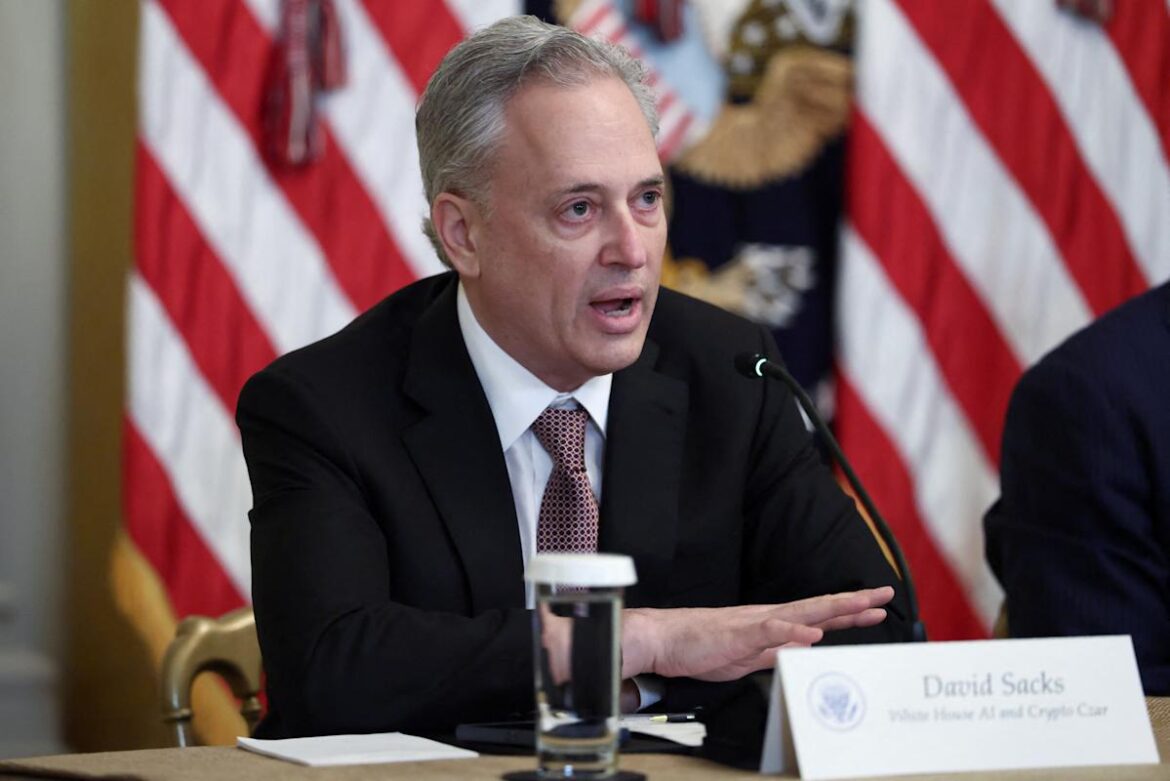
Democrats are investigating Trump crypto advisor David Sacks over a possible SGE violation

by admin September 17, 2025


Senator Elizabeth Warren (D-MA) and Representative Melanie Stansbury (D-N.M.) are leading a group of congressional Democrats in investigating White House Special Advisor David Sacks for possibly serving in his position for longer than he’s allowed. Sacks, a former PayPal executive and venture capitalist at Craft Ventures, was originally picked by President Donald Trump to be the “White House A.I. & Crypto Czar” in 2024.

“Any effort to stay beyond the time limits imposed on you as a Special Government Employee (SGE) would raise additional ethics concerns for you and the Trump Administration,” the group writes in a letter to Sacks,”particularly as it moves to implement recently enacted cryptocurrency legislation and put in place new rules for the crypto industry.”

Besides being friendly with the Trump campaign and allies like Elon Musk, Sacks was given his position because of his knowledge of the crypto and AI industries as an investor. That poses an obvious conflict of interest, something that’s only waived during the 130-day limit that SGEs are supposed to serve. As Warren and the other Democrats backing the investigation note, though, it’s possible Sacks has been working in his role for longer than that.

“If you have worked every calendar day since the presidential inauguration, your 130th day of work in this role was May 29, 2025,” the group writes. “If you have worked every business day, your 130th day was July 25, 2025. As of the date of this letter, it is the 167th business day of this Administration.”

As part of the investigation, Sacks is expected to offer a more detailed account of when and how he works in his advisory role, including if he answers government emails while working in Silicon Valley. Congressional Democrats are trying to verify if norms have been violated to make sure that they won’t be violated in the future, but there are larger ethical concerns to contend with, too.

The second Trump administration has been friendly to the crypto industry, likely thanks in part to the influence of Sacks. Trump signed an executive order calling for the creation of a federal Bitcoin stockpile and signed the GENIUS Act into law in July, establishing a regulatory framework for stablecoins, a type of cryptocurrency typically tied to the value of the US dollar. Continuing to serve in his role without leaving his position at Craft Ventures or disclosing his investments would only raise more questions about how Sacks stands to benefit from advising on regulation.


Source link

September 17, 2025 0 comments
0 FacebookTwitterPinterestEmail
  • 1
  • 2
  • 3
  • 4
  • 5
  • …
  • 7

Categories

  • Crypto Trends (1,098)
  • Esports (800)
  • Game Reviews (772)
  • Game Updates (906)
  • GameFi Guides (1,058)
  • Gaming Gear (960)
  • NFT Gaming (1,079)
  • Product Reviews (960)

Recent Posts

  • This 5-Star Dell Laptop Bundle (64GB RAM, 2TB SSD) Sees 72% Cut, From Above MacBook Pricing to Practically a Steal
  • Blue Protocol: Star Resonance is finally out in the west and off to a strong start on Steam, but was the MMORPG worth the wait?
  • How to Unblock OpenAI’s Sora 2 If You’re Outside the US and Canada
  • Final Fantasy 7 Remake and Rebirth finally available as physical double pack on PS5
  • The 10 Most Valuable Cards

Recent Posts

  • This 5-Star Dell Laptop Bundle (64GB RAM, 2TB SSD) Sees 72% Cut, From Above MacBook Pricing to Practically a Steal

    October 10, 2025
  • Blue Protocol: Star Resonance is finally out in the west and off to a strong start on Steam, but was the MMORPG worth the wait?

    October 10, 2025
  • How to Unblock OpenAI’s Sora 2 If You’re Outside the US and Canada

    October 10, 2025
  • Final Fantasy 7 Remake and Rebirth finally available as physical double pack on PS5

    October 10, 2025
  • The 10 Most Valuable Cards

    October 10, 2025

Newsletter

About me

Welcome to Laughinghyena.io, your ultimate destination for the latest in blockchain gaming and gaming products. We’re passionate about the future of gaming, where decentralized technology empowers players to own, trade, and thrive in virtual worlds.

Recent Posts

  • This 5-Star Dell Laptop Bundle (64GB RAM, 2TB SSD) Sees 72% Cut, From Above MacBook Pricing to Practically a Steal

    October 10, 2025
  • Blue Protocol: Star Resonance is finally out in the west and off to a strong start on Steam, but was the MMORPG worth the wait?

    October 10, 2025

Newsletter

@2025 laughinghyena- All Right Reserved. Designed and Developed by Pro


Back To Top
Laughing Hyena
  • Home
  • Hyena Games
  • Esports
  • NFT Gaming
  • Crypto Trends
  • Game Reviews
  • Game Updates
  • GameFi Guides
  • Shop

Shopping Cart

Close

No products in the cart.

Close