
Laughing Hyena
  • Home
  • Hyena Games
  • Esports
  • NFT Gaming
  • Crypto Trends
  • Game Reviews
  • Game Updates
  • GameFi Guides
  • Shop
Tag:

Reviewed

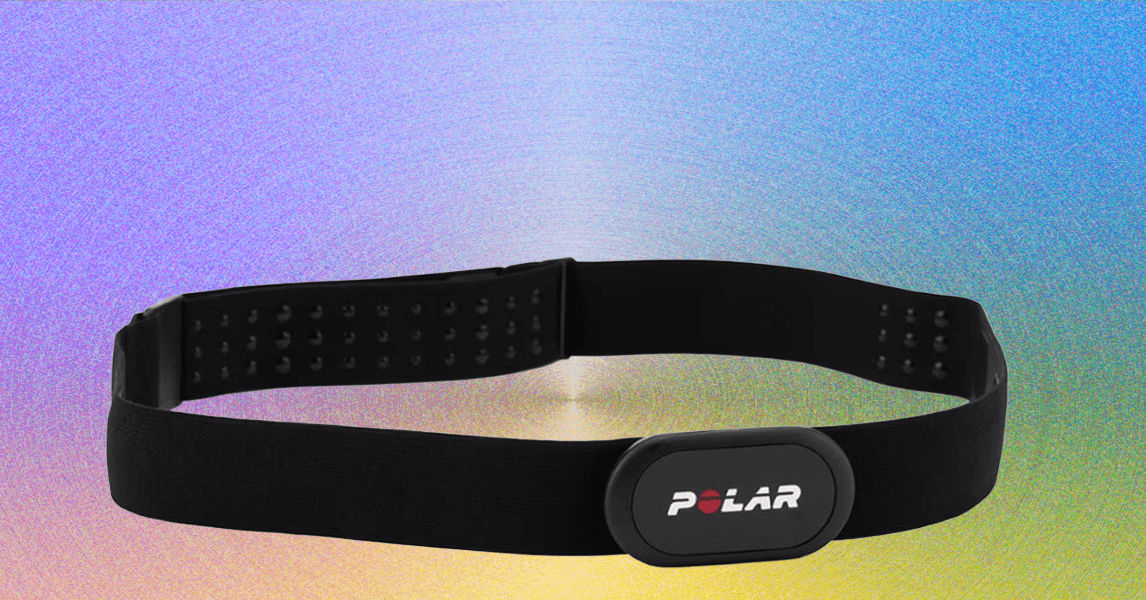
Best Heart Rate Monitors (2025), WIRED Tested and Reviewed
Product Reviews

Best Heart Rate Monitors (2025), WIRED Tested and Reviewed

by admin August 25, 2025


FAQS

We tested and recommend all of the heart rate monitors below, which do a pretty impeccable job. But what do all these terms mean?

Heart rate zones: If someone tells you they’ve been doing 80/20 training, they’ve been doing heart rate zone-based workouts. Heart rate zones are an easy way to break down your range of effort during exercise. Zones go from 1 to 5, with 5 indicating working at 90 to 100 percent of your maximum heart rate. Zone 2 represents training at 60 to 70 percent of maximum heart rate and represents light training. 80/20 training is intended to build endurance and means that 80 percent of your runs should be in Zone 2. If your heart rate monitor doesn’t tell you your zone, you can calculate it using Polar’s simple tool.

Maximum heart rate: Some monitors can inform you of your maximum heart rate, which is the number of beats your heart can reach during exercise. This is useful for knowing when you’re training at peak intensity and can be used to create heart rate zones. Factors like your age and fitness level can influence what that maximum heart rate will be. You can generate an estimate of your maximum heart rate by simply subtracting your age from 220 and use that at a starting point.

VO2 max: The term VO2 max stands for maximum rate of oxygen your body can consume during exercise; the higher the better. It provides a useful indicator of your ability to sustain intense effort for long periods. Calculating this accurately is done in lab conditions, so heart rate monitors and watches often use their own algorithms to approximate that lab testing.

Heart rate variability: Heart rate variability measures the intervals between heart beats and is measured in milliseconds. High HRV readings are considered better than lower ones, because it means that the body is responding in a resilient way to stress. However, your HRV readings can differ widely from one person to another because they can be influenced by age, fitness level, or even when the measurement was taken.

Resting heart rate: This is the number of times your heart beats in one minute when at rest, which is a simple indicator of your current level of cardiovascular fitness and general well-being. Typically, your heart rate is supposed to sit anywhere from 60 to 100 bpm at rest. A low resting heart rate is associated with athletes, because the heart has been trained to be more efficient. But an uncharacteristically low or high RHR could mean that something is not quite right.

Calories burned: A heart rate monitor looks at your effort based on your heart rate and uses the company’s own algorithms to offer an indicator of how many calories you’ve burned during a workout. Heart rate is one of the strongest, if not the strongest indicators of effort, which means a heart rate monitor is one of the most accurate ways to get this information.

Source link

August 25, 2025 0 comments
0 FacebookTwitterPinterestEmail
Best 360 Cameras (2025), Tested and Reviewed
Product Reviews

Best 360 Cameras (2025), Tested and Reviewed

by admin August 24, 2025


Top 4 360 Cameras Compared

Other Options

Photograph: Scott Gilbertson

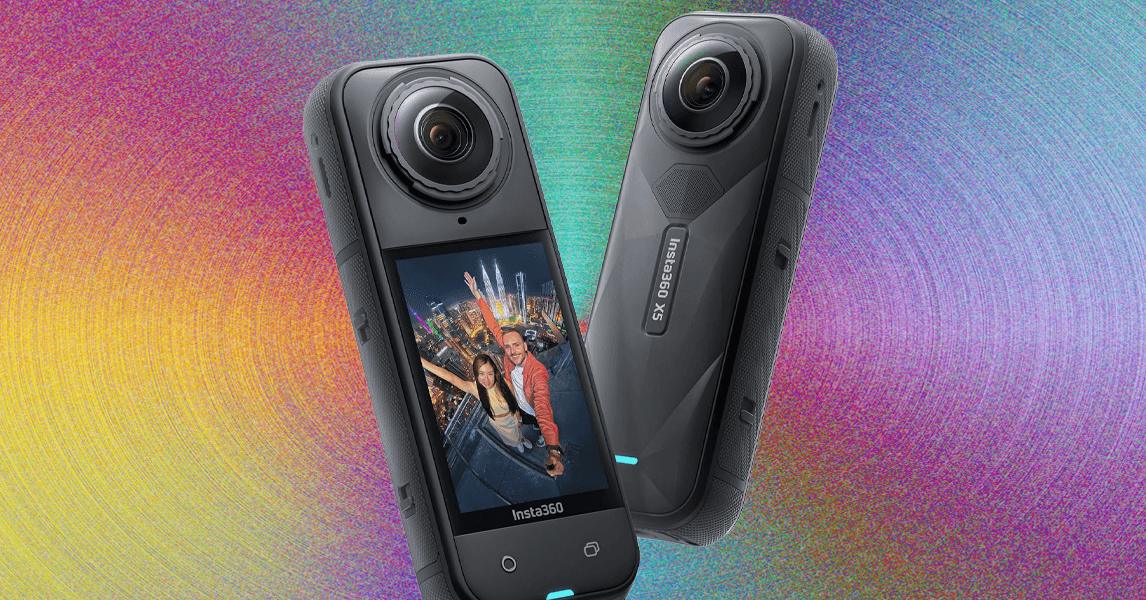
Insta360 X3 for $250: You’ll have to settle for 5.7K footage here, and that’s on a 1/2-inch sensor, which is only 1080p when you crop to a rectangular video format. Still, you get nearly the same form factor as the X4, and you can use it as a 4K, single-lens action cam. At this price the X3 remains a viable option for those wanting to dabble in 360 video without spending a fortune.

Insta360 One RS for $300: The company’s interchangeable-lens action-camera/360-camera hybrid is another option. The video footage isn’t as good as the other cameras in this guide, but you can swap the lens and have an action camera in a moment, which is the major selling point. That said, now that the X3 and X4 can also be used as 4K action cameras, the One RS is less tempting than it used to be. Still, if you like the action-camera form factor but want to be able to shoot 360 footage as well, this One RS is a great camera. The real combo would be the the 360 lens paired with the Leica lens, but the price for that combo is considerably higher.

GoPro Max for $822: GoPro’s entry into the 360 camera world, the Max is a capable action camera, featuring 6K video in a waterproof form factor with industry-leading stabilization. It’s got all the shooting modes you know from your GoPro, like HyperSmooth, TimeWarp, PowerPano, and more. Like the X4, there’s a single-lens mode (called Hero mode), and, my favorite part, the Max is compatible with most GoPro mounts and accessories. The main reason the Max is not one of our top picks is that the Max 2 is likely coming very soon. If you want a Max, you’re better off waiting.

Qoocam 3 Ultra for $599: It’s not widely available, and we have not had a chance to try one, but Kandao’s Qoocam 3 Ultra is another 8K 360 camera that looks promising, at least on paper. The f/1.6 aperture is especially interesting, as most of the rest of these are in the f/2 and up range. We’ll update this guide when we’ve had a chance to test a Qoocam.

360 Cameras to Avoid

Insta360 One X2 for $230: Insta360’s older X2 is different from the X3 that replaced it. The form factor is less convenient. (The screen is tiny; you pretty much have to use it with a phone). It still shoots 5.7K video, but it’s not as well stabilized nor is it anywhere near as sharp as the X3 or X4. Unless you can get it for well under $200, the X2 is not worth buying.

Insta360 One RS 1 360 Edition: Although I still like and use this camera, it appears to have been discontinued, and there’s no replacement in sight. The X5 delivers better video quality in a lighter, less fragile body, but I will miss those 1-inch sensors that managed to pull a lot of detail, even if the footage did top out at 6K. These are still available used, but at outrageous prices. You’re better off with the X5.

Frequently Asked Questions

AccordionItemContainerButton

There are two reasons you’d want a 360-degree camera. The first is to shoot virtual reality content, where the final viewing is done on a 360 screen, e.g., VR headsets and the like. So far this is mostly the province of professionals who are shooting on very expensive 360 rigs not covered in this guide, though there is a growing body of amateur creators as well. If this is what you want to do, go for the highest-resolution camera you can get. Either of our top two picks will work.

For most of us though, the main appeal of a 360 camera is to shoot everything around you and then edit or reframe to the part of the scene we want to focus on, or panning and tracking objects within the 360 footage, but with the result being a typical, rectangular video that then gets exported to the web. The video resolution and image quality will never match what you get from a high-end DSLR, but the DSLR might not be pointed at the right place, at the right time. The 360 camera doesn’t have to be pointed anywhere, it just has to be on.

This is the best use case for the cameras on this page, which primarily produce HD (1080p) or better video—but not 4K—when reframed. I expect to see 12K-capable consumer-level 360 cameras in the next year or two (which is what you need to reframe to 4K), but for now, these are the best cameras you can buy.

Whether you’re shooting virtual tours or your kid’s birthday, the basic premise of a 360 camera is the same. The fisheye lens (usually two very wide-angle lenses combined) captures the entire scene around you, ideally editing out the selfie stick if you’re using one. Once you’ve captured your 360-degree view, you can then edit or reframe that content down to something ready to upload to YouTube, TikTok, and other video-sharing sites.

Why Is High Resolution Important in 360 Cameras?

AccordionItemContainerButton

Camera makers have been pushing ever-higher video resolution for so long it feel like a gimmick in many cases, but not with 360 cameras. Because the camera is capturing a huge field of view, the canvas if you will, is very large. To get a conventional video from that footage you have to crop which zooms in on the image, meaning your 8K 360 shot becomes just under 2.7K when you reframe that footage.

How Does “Reframing” Work?

AccordionItemContainerButton

Reframing is the process of taking the huge, 360-degree view of the world that your camera capture and zooming in on just a part of it to tell your story. This makes the 360 footage fit traditional movie formats (like 16:9), but as noted above it means cropping your footage, so the higher resolution you start with the better your reframed video will look.

If you’re shooting for VR headsets or other immersive tools then you don’t have to reframe anything.

AccordionItemContainerButton

I’ve been shooting with 360 cameras since Insta360 released the X2 back in 2020. Early 360 cameras were fun, but the video they produced wasn’t high enough resolution to fit with footage from other cameras, limiting their usefulness. Thankfully we’ve come a long way in the last five years. The 360 camera market has grown and the footage these cameras produce is good enough to mix seamless with your action camera and even your high end mirrorless camera footage.

To test 360 cameras I’ve broken the process down into different shooting scenarios, especially scenes with different lighting conditions, to see how each performs. No camera is perfect, so which one is right for you depends on what you’re shooting. I’ve paid special attention to the ease of use of each camera (360 cameras can be confusing for beginners), along with what kind of helpful extras each offers, HDR modes, and support for accessories.

The final element of the picture is the editing workflow and tools available for each camera. Since most people are shooting for social media, the raw 360 footage has to be edited before you post it anywhere. All the cameras above have software for mobile, Windows and macOS.

Power up with unlimited access to WIRED. Get best-in-class reporting and exclusive subscriber content that’s too important to ignore. Subscribe Today.


Source link

August 24, 2025 0 comments
0 FacebookTwitterPinterestEmail
9 Best Keyboards (2025), Tested and Reviewed
Gaming Gear

9 Best Keyboards (2025), Tested and Reviewed

by admin August 24, 2025


Other Keyboards We Like

Photograph: Eric Ravenscraft

Logitech Pro X TKL for $200: Logitech makes great keyboards, and the G Pro X TKL is among the best gaming keyboards. It has vibrant RGB LED-backlit keys, a choice of clicky, tactile, or linear switches, and it uses Logitech’s Lightspeed wireless adapter for competitive gaming-level response time. The build quality of this keyboard is slick and stylish. It’s minimal and doesn’t take up much space on your desk, and it has a subtle metallic rim around the edge that gives it a little flair that most plain keyboards lack. The volume wheel in the upper right is smooth and easy to reach, and along the top are handy media controls so you can pause your music when you finally get into a game after a long queue. For my tastes, the more clicky-clacky a keyboard, the better, and the Black Clicky switches have served me well. Each keypress feels like I’m sending tiny thunder down to my game. However, if you prefer something softer, you can choose another switch type. The only thing I dislike is the lack of a numpad—yes, I’m one of those weirdos who prefer having a numpad.

Logitech Pro X 60 for $180: The Pro X 60 (8/10, WIRED Recommends) has virtually all the benefits of the Pro X TKL in a smaller, more compact package. It keeps the volume wheel, Game mode switch, and Bluetooth/Lightspeed buttons by moving them to the edges of the keyboard, while slimming the whole thing down to a 60 percent layout.

Logitech Pop Keys for $100: The Pop Keys (9/10, WIRED Recommends) is a vibrant line of wireless keyboards that come in a wide variety of color palettes that are delightful. It also uses Logitech’s system for pairing with up to three devices, making it simple to take it between your PC and laptop, or from home to work and back.

Photograph: Eric Ravenscraft

Logitech MX Keys S for $128: The MX Keys S can pair with three devices, making it easy to swap between computers. Its low-profile chiclet-style keys are comfortable, and it uses proximity sensors to activate the key backlight when your hands get near, so it’s easier to see in the dark without wasting battery when you’re not using it. It supports both Mac and Windows layouts, and the keys are tastefully labeled in a way that it’s clear no matter which one you’re using at the time. Battery life is also fantastic, lasting well over a week with normal use, though it gets quite a bit longer if you disable the backlight.

Logitech MX Mechanical for $170: With an understated, low-profile design, you can pair the MX Mechanical with up to three devices at once and swap with the push of a button. There are even a few convenient extra buttons just above the numpad to launch a calculator or lock your desktop.

Turtle Beach Vulcan II TKL Pro for $150: The Vulcan II TKL Pro has two LEDs per key, giving it a better resolution for lighting effects. It features Hall effect switches, which should cut down on wear and tear. They’re still satisfyingly clicky, and the volume knob has a comfortably grippy texture. I prefer any keyboard with a volume wheel to one without.

Photograph: Eric Ravenscraft

Corsair K65 for $160: This 75 percent keyboard has some of the softest, most comfortable keys of any board I’ve tested. It’s lightweight enough to toss in a bag, but sturdy enough to be your desktop keyboard. It can connect via USB-C, Bluetooth, or a wireless dongle that can be stored in a slot on the rear. A stylish metal volume knob adorns the top-right corner, and every keycap and switch can be swapped out using the included removal tool.

Razer Huntsman Mini for $89: A 60 percent keyboard has 60 percent of the keys normally found on a regular-sized keyboard. The numpad and arrow keys are chopped off, and you’re left with the essentials. The Razer Huntsman Mini is one of my favorites of this size for gaming. It feels every bit as responsive and quick as a full-size keyboard, but it takes up a lot less desk space. There’s just something neat and orderly about it. Plus, like the larger Huntsman Elite, the Mini is compatible with Razer’s keycap kits, so you can customize your color scheme.

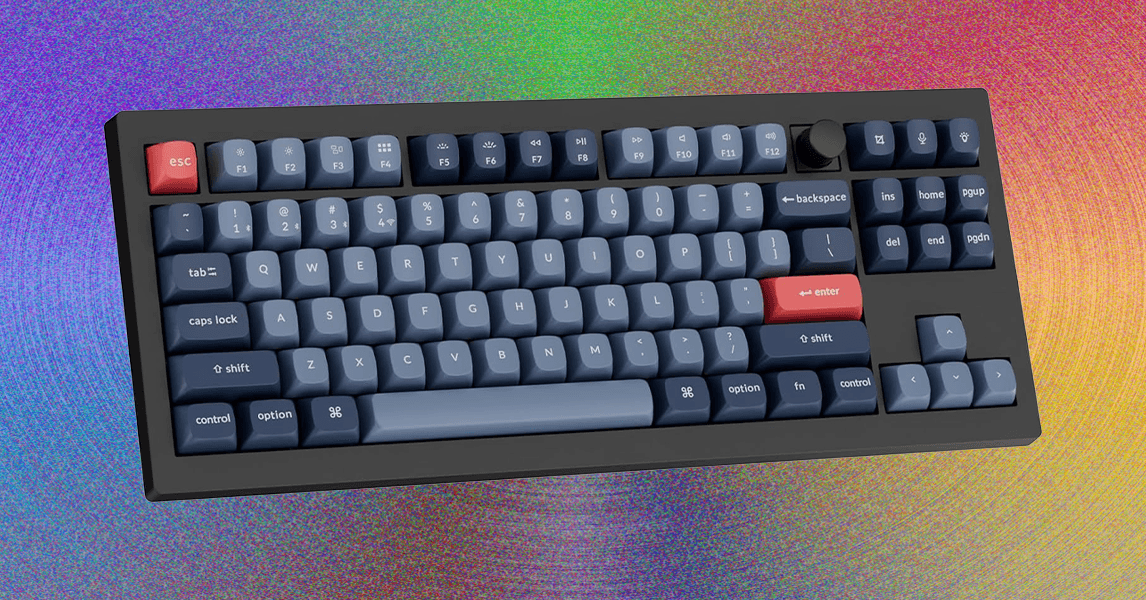
Keychron Q1 HE for $240: The Keychron Q1 HE (9/10, WIRED Recommends) is one of the best boards we’ve tested that uses Hall effect switches. You can customize the actuation point to either make keys more sensitive—so you don’t have to press them all the way down for keystrokes to register—or less sensitive, to avoid those fat-finger moments that can ruin competitive games. Keychron even has rapid-trigger settings that allow you to press a key multiple times without the key having to return fully to its resting position. Even outside the benefits of the Hall effect switches, this is another great keyboard in line with the kind that Keychron is known for, so it’s worth a look even if you don’t want to pay that much attention to every aspect of your keys.

Photograph: Eric Ravenscraft

NZXT Function 2 for $140: The original NZXT Function was a great way for anyone interested in mechanical keyboards to jump in without getting overwhelmed. The follow-up Function 2 (8/10, WIRED Recommends) improves on it in almost every way. It upgrades the keys to optical switches and comes with a spare set of switches that have a little more (or a little less) resistance, so you can customize specific keys based on your needs. I found this particularly useful for games like Overwatch 2, where I’d like to cut down on those fat-finger ultimates that are so embarrassing. The Function 2 retains many of my favorite features from the first model. It has the same left-side volume roller, super soft keycaps, and convenient buttons along the side of the keyboard. If you’re interested in mechanical keyboards but are intimidated by phrases like “actuation force,” this is a great board to get started with.

Razer Huntsman V3 Pro TKL for $200: The Huntsman V3 Pro TKL is a robust keyboard for those who like to tweak their gaming setup. It uses Razer’s analog optical switches, which are satisfyingly clicky. On the top right, there’s a media knob that controls the volume, which you can also click to mute. However, it’s the buttons around it that are most interesting. To the left, there are two programmable macro keys you can use to customize different commands for your games (or your work). Below, on the navigation keys, are six profile shortcuts. Hold Fn and press one of them, and you can swap between several preset profiles, tailored to specific gaming needs like FPS mode, Racing mode, or High-Sensitivity mode when you need to pull off that hair trigger. All of this can be customized in the Razer Synapse app. We’ve tested a lot of keyboards with different customization options, but this one is particularly good for gamers who swap profiles a lot. The keyboard connects using a USB-C cable, included with the device, and it also comes with a magnetic wrist rest.

Razer BlackWidow V4 75% for $190: The Razer BlackWidow V4 (8/10, WIRED Recommends) has a sturdy metal casing, hot-swappable switches, and Razer’s robust Synapse software for customizing your keyboard. It’s also earned our top marks if you’re looking for a mechanical keyboard specifically for gaming. The 75 percent layout is small enough that you can leave plenty of room for your mouse, making those flicks to land a headshot that much easier in competitive games. The 8,000-Hz polling rate also helps cut down on the times that you miss activating an ability by that almost imperceptible fraction of a second.

SteelSeries Apex Pro for $200: Rather than choose one switch for the Apex Pro keyboard, SteelSeries decided to allow them all. Not only is it a colorful gaming keyboard with lots of bells and whistles, but it also features mechanical switches that can be customized per key to give you a typing experience unique to you. Plus, it has a little LED display for system alerts, volume, and other fun stuff you can toy with using SteelSeries’ included software.

Corsair K100 RGB Mechanical Gaming Keyboard for $284: In most ways, the Corsair K100 RGB is a fairly standard keyboard, with RGB backlights, a few programmable macro keys, and a volume roller. What sets it apart, however, is the control wheel in the top-left corner. This dial can scrub through media, control the lighting on the keyboard, and control several other built-in functions. The dial can also be customized. In my testing, this could be a little finicky in certain applications—I couldn’t get it to properly scrub through the timeline in Premiere Pro, for example—but it’s still a handy tool you rarely get on other boards.


Source link

August 24, 2025 0 comments
0 FacebookTwitterPinterestEmail
The Best Google Pixel Phones of 2025, Tested and Reviewed: Which Model to Buy, Cases and Accessories, Feature Drops
Product Reviews

The Best Google Pixel Phones of 2025, Tested and Reviewed: Which Model to Buy, Cases and Accessories, Feature Drops

by admin August 22, 2025


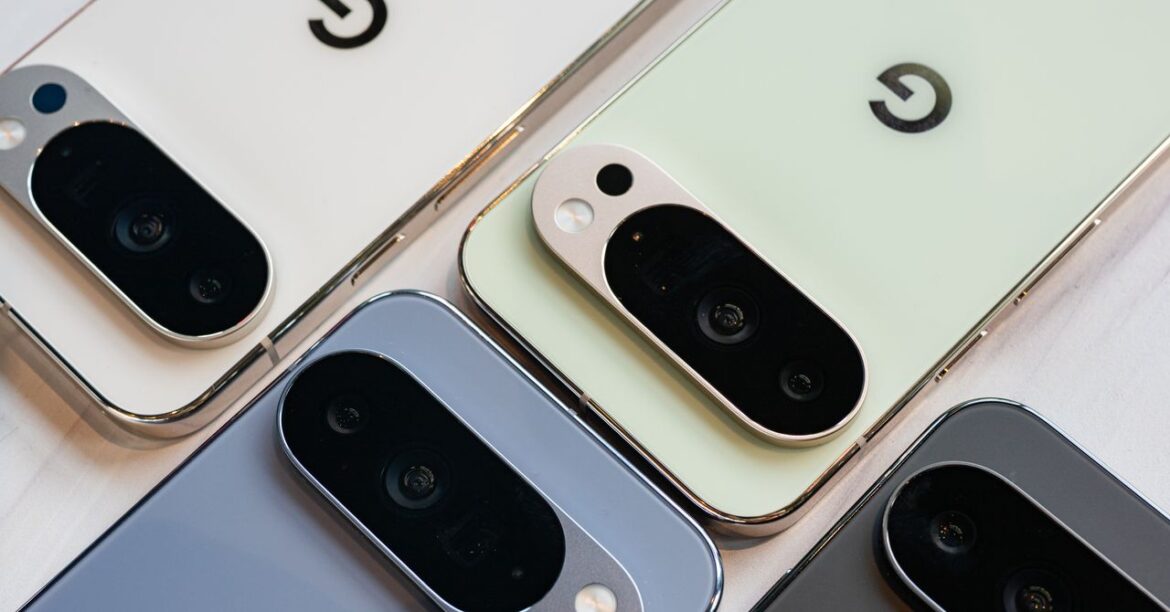
You get all the same software features as the Pixel 9 series, but there are some extras to take advantage of all the screens. Made You Look, for example, plays a cute animation on the outer screen to make sure your kiddo stares at it when you’re trying to capture a photo. When you’re on a Google Meet call, you can now utilize all the screens so that everyone around you can see the person you’re speaking with, and that means using all the cameras too, so the person on the other end doesn’t have to see just your face.

At the end of the day, this is still a $1,799 smartphone, and that’s just too high a price to pay. But if you have the cash and love folding phones, especially when paired with a Pixel’s smarts and camera prowess, this is one of the best options available.

How Long Is Your Pixel Supported?

AccordionItemContainerButton

The Pixel 10 series, Pixel 9 series, Pixel 8 series, Pixel 9a, and Pixel 8a will get seven years of Android OS upgrades and security updates. The 2023 Pixel 7a will receive three years of Android OS upgrades and five years of security updates from the date of launch, the same as older Pixels. Google has a page you can check to see exactly what month your Pixel phone will stop receiving updates. Security updates reduce the risk of malware, keep your phone bug-free, and make it more secure. Android version updates introduce new features—cosmetic and functional—that improve the OS as a whole.

Pixel phones also happen to be the first to receive any kind of Android update, so as soon as Google releases a new version, like Android 16, you can download it immediately by heading to Settings > System > System Update > Check for Update. You can also test beta versions of Android, but you’ll need to enroll your device. (Make sure to back up your phone first!) Pixels are also privy to the feature drops Google issues every few months, which include features from newer Pixels coming to older models and brand-new features for the latest devices.

AccordionItemContainerButton

Google Pixelsnap Charger With Stand

AccordionItemContainerButton

There are a few other Pixel phones worth considering if you don’t want any of the above choices. The Pixel 8 and Pixel 8 Pro (7/10, WIRED Recommends) are available through official channels and third-party retailers (until supplies last). The key is to not pay more than $500 or $600 for either of them; otherwise, you may as well put that money toward the Pixel 9 or Pixel 10 series.

I do not recommend you buy any older Pixel devices. Several Pixel A-series phones have been put under a battery performance program to mitigate the risk of overheating or swelling batteries. These software updates have crippled the battery life on those phones, and Google has provided customers with battery replacement options or Google Store credit for a new Pixel phone. These potential issues mean it’s just not worth the risk of buying a Pixel 7a or Pixel 6a. The Pixel 8a (8/10, WIRED Recommends) doesn’t seem to show problems yet, but I’d still throw caution to the wind.

Pixel A-Series Battery Issues

AccordionItemContainerButton

In 2025, some Google Pixel 4a and Pixel 6a owners have received mandatory updates that purposefully degrade the performance of the battery to prevent overheating. Your phone may have been working fine before, but Google issued these updates as a preventative measure, and not every device was affected. Similarly, some Pixel 7a devices may encounter battery swelling issues.

If your phone has been affected, you have two options. You can get a free battery replacement—Google has a registration page for the Pixel 4a, Pixel 6a, and Pixel 7a. If that isn’t going to work for you, you can get Google Store credit for the Pixel 4a and Pixel 6a to put toward a new Pixel phone.

These issues seem to have only affected some batteries in the A-series phones, suggesting it’s likely a supplier issue. What about the newer Pixel 9a? Here’s a statement a Google spokesperson provided to WIRED: “Google continuously improves Pixel testing based on user feedback and thoroughly investigates reported incidents for all components, including batteries. With Pixel 9a, we delivered the largest and longest-lasting battery of any A-series yet. We’ve been encouraged by its reception so far and are confident in the phone’s longevity and durability.”

Ideally, this battery issue has been rectified in the latest model, but we’ll be monitoring it over the next few years.

What Does Pixel Care+ Include?

AccordionItemContainerButton

When you purchase a Pixel from Google, you’ll see the option to add Pixel Care+ for protection. It’s only available in the US through the Google Store and Google Fi. The monthly option can run for up to 60 months, whereas the fixed pricing is for a 2-year term. Here’s what you get.

Pixel Care+ starts at $9 per month or $179 and includes unlimited accidental damage protection, $0 screen and battery repairs, replacements that ship in a day, and priority support from Pixel experts. That pricing is for the Pixel 10, and it goes up for the pricier devices. For example, the Pixel 10 Pro will cost $13 per month, or $239 for the 2-year term. There’s no Pixel Care+ option for the Pixel 9a.

Pixel Care+ with Loss and Theft starts at $10 per month or $199 and includes the same protections as mentioned above but includes two claims of loss and theft every 12 months. Weirdly, Loss and Theft coverage is not available in New York state.

You Can DeGoogle Your Pixel Phone

AccordionItemContainerButton

Love Google’s Pixel phones but want to get away from using Google services? It’s a little ironic, but you can actually use a different operating system with the Pixel instead of the built-in Android. We’ve tested and really like /e/OS, a privacy-first operating system that’s based on the Android Open Source Project. While you can install it yourself, it requires a bit of technical know-how, you can buy a refurbished Pixel from Murena with /e/OS installed already. If you’re interested, we have more details about /e/OS here.

The Best Pixel Cases and Accessories

I’ve written a broader guide on the Best Pixel 9 Cases and Accessories here, but here are a few selections for your perusal. We’ll be testing cases for the Pixel 10 series soon.

Official Google Case

Photograph: Julian Chokkattu

This silicone case lets you match your Pixel phone’s color. It’s durable and nice to touch, with raised edges on the front to protect the screen. It’s made with recycled plastics, and while the older cases attract lint and dust easily, this revamped case does a better job of resisting them. I also like that it keeps the back flush, so the camera bump isn’t so obvious. The Pixel 9 Pro Fold case is made of a hard-shell polycarbonate, but it’s fairly slim and lightweight compared to third-party cases I’ve tested. Access to the buttons is open, and I like how it gives you an easier way to unfold the phone.

Photograph: Julian Chokkattu

This is our favorite case overall for the Pixel 9 and Pixel 8A series. It has clicky buttons and incredibly grippy edges (hence the name). It feels robust yet fairly slim, and you can choose a snazzy design. Just know that you have to apply this “skin” to the back of the case. There’s a lot of room for error here, so be careful, and watch Dbrand’s installation video for tips. There’s MagSafe support so you can use your Pixel with MagSafe accessories, and it worked exceptionally in my testing.

Peak Design Everyday Case

Photograph: Julian Chokkattu

This is hands-down the best case if you frequently attach your Pixel to the handlebars of a bike or an electric scooter. Peak Design’s mounting system lets you magnetically affix the phone to its Universal Bike Mount ($50), and it stays put. After nearly a year of testing, I’ve yet to have a phone fall off my ride using this mounting system. It makes use of Apple’s MagSafe system, so it works with plenty of MagSafe accessories, even wireless chargers. The company also has several other magnetic accessories, like a car vent mount. The case itself is nice; I just wish the edges were raised more for better screen protection. It comes in more colors than ever.

This charging adapter is all you need to recharge your Pixel, whichever model you have. The newest high-end Pixel phones don’t come with chargers in the box, so if you don’t have any spare USB-C chargers, it’s worth picking one up. This one’s prongs fold up, so it’s great for travel too.

Dbrand Screen Protector

Photograph: Julian Chokkattu

Dbrand gives you two screen protectors in this package, and when I initially tested it, there was no application tool, so I had to freehand the installation. The current Prism 2.0 version thankfully now comes with a tool, so it should be much easier to align. You get all the other tools in the box to wipe down your phone and ensure there are no specks of dust on it before you install the protector.

Our Favorite Pixel Software Features

Pixels have many great software features, but some need to be toggled on. It can also be hard to remember that all these features exist, so here are most of the top ones.

There are some key features on Pixels that you won’t find on any other Android phone. Some of these are available only on select Pixels—the Tensor chip started with the Pixel 6, and currently, the Tensor G4 is in the Pixel 9 range. Here’s a breakdown:

Call Screen: When you get a call from an unknown number, Google Assistant will scan and flag it if it’s suspected spam or a robocall. If it’s simply a number you don’t recognize, you can have Assistant take the call. You’ll see a real-time transcription of what’s happening, so you can end the call right away if it’s a telemarketer or answer if it turns out to be a long-lost high school friend. If it’s someone important, you can give Assistant responses to recite if you’re unable to take the call—it offers up contextual replies now, too. Remember to turn it on by opening up the dialer app and heading to Settings (three dots on the top right) > Spam and Call Screen.

Wait Times.

Video: Google

Wait Times and Direct My Call: When you call a business in the phone app, you’ll see an estimated wait time until someone real picks up (it doesn’t work with every business). Google’s Direct My Call feature also transcribes the entire call and separates the menu options so you can see them without having to listen intently to the call. More recently, for some numbers, Direct My Call will cache responses so you’ll immediately see menu options without needing to wait for the automated response to go through every number. You can turn this on by going to the phone app’s Settings > Direct My Call.

Hold for Me.

Video: Google

Hold for Me: If you’ve been placed on hold with a business number, you can ask Google Assistant to take over. It will play a loud chime when the person on the other end is back. No need to listen to hold music! Toggle it on in the phone app’s Settings > Hold for Me. This feature is available on most Pixels but only works in select countries, including the US, Australia, Japan, the UK, and Canada.

Clear Calling: If you have a Pixel 7 or newer, you can turn on this feature to enhance the other caller’s voice and reduce their background noise. Head to Settings > Sound & Vibration > Clear Calling to toggle it on. It also works on Google’s Pixel Buds Pro.

Call Notes (Tensor G4 and newer; with 12-plus GB RAM): You can enable this in the dialer app by going to Settings > Call Notes and making sure the toggle is on. This doesn’t activate every time you’re on a call. Rather, you have to tap the More button when you’re on a call and tap Call Notes to start it. It more or less records the conversation (it notifies the other person that the call is being recorded), and at the end, it’ll give you a summary of important points from the call right in the call history log, such as price quotes, phone numbers, or addresses. Sometimes it gets information wrong, as the accuracy of the transcription depends on the call quality, but you can play back the entire recording yourself to double-check.

Scam Detection: This feature detects conversation patterns as you are on the phone with a suspicious number to warn you when someone is deploying a classic scam tactic. It also works in Google’s Messages app. You can turn it on by going to the phone app, then tapping the three-dot menu icon at the top right, and hitting Settings > Scam Detection.

Reverse Phone Number Lookup: Don’t recognize the phone number from an incoming call? In the call app, you can now quickly look up a number without having to manually run a search yourself.

Take a Message.

Photograph: Julian Chokkattu

Take a Message (Tensor G5): Google is revamping voicemails with Take a Message. It’s similar to transcribed voicemails, though that feature doesn’t always work and may depend on your carrier. Take a Message bypasses the standard voicemail (your normal voicemail will only kick in with missed calls when your phone is off or out of network). The caller will be told to leave a message, and this recording will be auto-transcribed, visible right in the call history of the phone app. It’ll even offer actionable steps, like adding a reminder or an event to your calendar.

Pixel VIPs: This is a new widget that gives you one-tap access to your favorite contacts. But it’s more than that. Tap on one of your contacts and you’ll see a beautifully designed page that offers quick access to call the contact and message them on various platforms. It’ll show the last messages between you two, share location, weather updates, and the time for their area, and you can add notes if you want to remember specific things. You can access this the same way you add a widget; it sits under the Contacts app.

Transcription and Translation Features

Voice Translate over phone calls.

Courtesy of Joel Chokkattu

Translated Phone Calls in Your Voice (Tensor G5): You can translate a phone call in real time, but what makes Google’s approach unique is that the company will make the translated voice sound like your own (or the person on the other end). That way, it still sounds like you’re talking to someone you know, rather than a robotic voice. No audio is recorded, and data isn’t stored (it works on-device). It’s only available for a few languages, like English, German, Japanese, and Spanish.

Live Translate.

Video: Google

Live Translate: In select messaging apps, Pixels will automatically know when someone sends a message in a language other than your default. It’ll translate it (if you wish), and you’ll be able to respond in that same language. More than 50 languages are supported, though you’ll need to download the languages you want to see translated by heading to Settings > System > Live Translate.

Live Caption: Pixels can automatically transcribe any video playing on the screen. You can quickly toggle this on by tapping one of the volume buttons and tapping on the square button below the volume slider (or head to Settings > Sound and Vibration > Live Caption). If the video is in a different language, you can even see it translated (only on Tensor-powered Pixels), though you’ll need to download one of the supported languages. It can even caption phone calls.

Assistant Voice Typing.

Video: Google


Source link

August 22, 2025 0 comments
0 FacebookTwitterPinterestEmail
9 Picks of the Best Gaming Mouse, Tested and Reviewed (2025)
Gaming Gear

9 Picks of the Best Gaming Mouse, Tested and Reviewed (2025)

by admin August 18, 2025


Other Good Mice to Consider

NZXT Lift 2 Symm

Photograph: Eric Ravenscraft

NZXT Lift 2 Symm for $50: PC manufacturer NZXT has been venturing out into the peripherals market with impressive products for a company so relatively new to the game. The NZXT Lift 2 Symm is no exception. This mouse has a hollow interior and a base that uses minimal plastic. This gives it an ultra-lightweight feel, but avoids the odd feeling that other mice like the SteelSeries Aerox 3 give off by reducing the amount of plastic in the pieces that touch your hands. Combined with an 8,000-Hz polling rate, optical switches, and an excessively robust 26,000 dpi optical sensor, this mouse is more than capable of handling even the fastest games at a low price.

Logitech MX Master 3S for $120: The MX Master 3S isn’t a gaming mouse per se, but it’s also better at being a gaming mouse than many dedicated gaming mice. It features a few extra customizable buttons, plus a horizontal side scrolling wheel. It’s ridiculously comfortable. Logitech’s been making mice for years, and this mouse benefits from all that experience, with a smooth arc for your palm and a rest spot for your thumb. It even includes a button in that spot where your thumb naturally rests. This is the preferred daily mouse of many WIRED staffers. The one downside is that the 125-Hz polling rate is a bit low for competitive FPS games, but if you’re looking for something more solo, it’s hard to get more comfortable than this.

Logitech MX Anywhere 3S for $80: This a cheaper, compact mouse that can connect to up to three devices via Bluetooth, and gets 70 hours on a single three-hour charge. It doesn’t have as many fancy gaming-centric features, but if you just need a decent mouse and want to save a little money, this is a great option.

Logitech G203

Photograph: Logitech

Logitech G203 for $35: Budget gaming mice often forgo a lot of the conveniences and performance you get out of nicer models, but the Logitech G203 never feels like it’s lacking. The sensor has a lower maximum sensitivity than you’ll get out of a more expensive offering—8,000 dots per inch—so if you need that top-end sensitivity, you’ll want to look elsewhere, but it features six buttons, compatibility with Logitech’s G Hub software, and, most importantly, has RGB lighting. Those are all things you’d typically expect to pay more for.

Turtle Beach Burst II Air for $100: The Turtle Beach Burst II Air at times felt like it wasn’t even there. I’ve played with a lot of mice that cut out huge chunks of their plastic hull to reduce weight, but the Burst II Air feels incredibly light without all the gaping holes. The skates are so smooth I felt like I could push the mouse around by blowing on it. The USB-A wireless dongle fits inside a small compartment on the bottom, right next to a physical switch that swaps between 2.4 GHz and Bluetooth modes. Two customizable thumb buttons sit along the side, while a third button for cycling dpi sits farther down along the edge, which I found particularly interesting. Most mice put this button on the top of the mouse, where it can sometimes be accidentally pressed, but this spot is so convenient it makes me wonder why Turtle Beach is the first company I’ve seen place it here.

Logitech G Pro Wireless for $110: Logitech’s G Pro X series was designed with input from esports professionals. Lightning-fast response times and proper ergonomics ensure that the additional buttons are right where your fingers rest. The wireless receiver delivers 1-millisecond response times, so you won’t miss headshots due to lag. The buttons are satisfying and sturdy, with mechanically tensioned springs underneath both the left and right buttons, and separate key plates for accuracy. It lasts around 48 hours on a single charge, but if you want to completely forget about charging, get the wireless charging-mat bundle.

SteelSeries Aerox 9

Photograph: Eric Ravenscraft

SteelSeries Aerox 9 for $150: This has a large array of side buttons. Its shell also has a grid cutout pattern, which SteelSeries says helps reduce the weight of the mouse, but my roommate says it triggers her trypophobia, so your mileage may vary.

Razer Cobra Pro for $130: I am personally a fan of mice with a dozen extra buttons, but if you’d rather just have a little bit of extra power without being overwhelmed, the Razer Cobra Pro might be more your speed. It has two thumb buttons on the left side, as well as two dpi controls down the middle, all of which can be customized to your needs. While playing Overwatch 2, I like to use the dpi buttons to cycle between sensitivities for different heroes, but when I’m using it for work, I like that I can assign common shortcuts or macros that I need while getting things done.

Great Mousepads

One of the cheapest things you can do to upgrade your PC gaming experience is to invest in a high-quality mousepad. If you’re a mouse-and-keyboard gamer, having the right surface for your trusty little rodent can be super helpful. Not only do you have a nice little area of your desk cordoned off for mouse use, but you also get a surface designed to be as friction-free and slick as possible—so you’ll be as quick as possible.

Harber London Professional Leather Desk Mat

Photograph: Julian Chokkattu

Harber London Professional Leather Desk Mat for $193: Despite more than a year of use, this Harber London leather desk mat still looks exquisite. The pebbled leather is supple and has a nice texture, but your mouse will glide over it effortlessly. It comes in three sizes and three colors.

SteelSeries QcK Mouse Pad for $8: SteelSeries’ QcK mousepad is one of my all-time favorites. The medium size is perfect for most desks, even small ones. It’s well-made and doesn’t fray easily—cheaper mousepads often fray at the edges, which ruins the aesthetic a good mousepad can lend to a workstation.

Photograph: Grovemade

Grovemade Wool Felt Desk Pad for $70: This doesn’t seem like your usual gaming accessory, because it’s not. It’s a wool felt pad from Portland, Oregon, company Grovemade, and it’s large enough to fit a keyboard and a mouse with room to spare. It feels soft and plush under your wrists, and all of the gaming mice on this list just glide over its surface; it’s like they’re sliding on glass. It’s a big surprise, honestly. Not to mention, a felt desk pad adds an air of sophistication and style to any desk, without making it seem too uptight. The color looks amazing under RGB lighting in a dark room. It’s an easy and affordable way to inject some unique style into your work (and play) space.

Power up with unlimited access to WIRED. Get best-in-class reporting and exclusive subscriber content that’s too important to ignore. Subscribe Today.


Source link

August 18, 2025 0 comments
0 FacebookTwitterPinterestEmail
  • 1
  • 2

Categories

  • Crypto Trends (1,098)
  • Esports (800)
  • Game Reviews (772)
  • Game Updates (906)
  • GameFi Guides (1,058)
  • Gaming Gear (960)
  • NFT Gaming (1,079)
  • Product Reviews (960)

Recent Posts

  • This 5-Star Dell Laptop Bundle (64GB RAM, 2TB SSD) Sees 72% Cut, From Above MacBook Pricing to Practically a Steal
  • Blue Protocol: Star Resonance is finally out in the west and off to a strong start on Steam, but was the MMORPG worth the wait?
  • How to Unblock OpenAI’s Sora 2 If You’re Outside the US and Canada
  • Final Fantasy 7 Remake and Rebirth finally available as physical double pack on PS5
  • The 10 Most Valuable Cards

Recent Posts

  • This 5-Star Dell Laptop Bundle (64GB RAM, 2TB SSD) Sees 72% Cut, From Above MacBook Pricing to Practically a Steal

    October 10, 2025
  • Blue Protocol: Star Resonance is finally out in the west and off to a strong start on Steam, but was the MMORPG worth the wait?

    October 10, 2025
  • How to Unblock OpenAI’s Sora 2 If You’re Outside the US and Canada

    October 10, 2025
  • Final Fantasy 7 Remake and Rebirth finally available as physical double pack on PS5

    October 10, 2025
  • The 10 Most Valuable Cards

    October 10, 2025

Newsletter

About me

Welcome to Laughinghyena.io, your ultimate destination for the latest in blockchain gaming and gaming products. We’re passionate about the future of gaming, where decentralized technology empowers players to own, trade, and thrive in virtual worlds.

Recent Posts

  • This 5-Star Dell Laptop Bundle (64GB RAM, 2TB SSD) Sees 72% Cut, From Above MacBook Pricing to Practically a Steal

    October 10, 2025
  • Blue Protocol: Star Resonance is finally out in the west and off to a strong start on Steam, but was the MMORPG worth the wait?

    October 10, 2025

Newsletter

@2025 laughinghyena- All Right Reserved. Designed and Developed by Pro


Back To Top
Laughing Hyena
  • Home
  • Hyena Games
  • Esports
  • NFT Gaming
  • Crypto Trends
  • Game Reviews
  • Game Updates
  • GameFi Guides
  • Shop

Shopping Cart

Close

No products in the cart.

Close