Laughing Hyena
  • Home
  • Hyena Games
  • Esports
  • NFT Gaming
  • Crypto Trends
  • Game Reviews
  • Game Updates
  • GameFi Guides
  • Shop
Tag:

Phones

DAAPrivacyRightIcon
Product Reviews

The best cheap Android phones to buy in 2025

by admin September 2, 2025


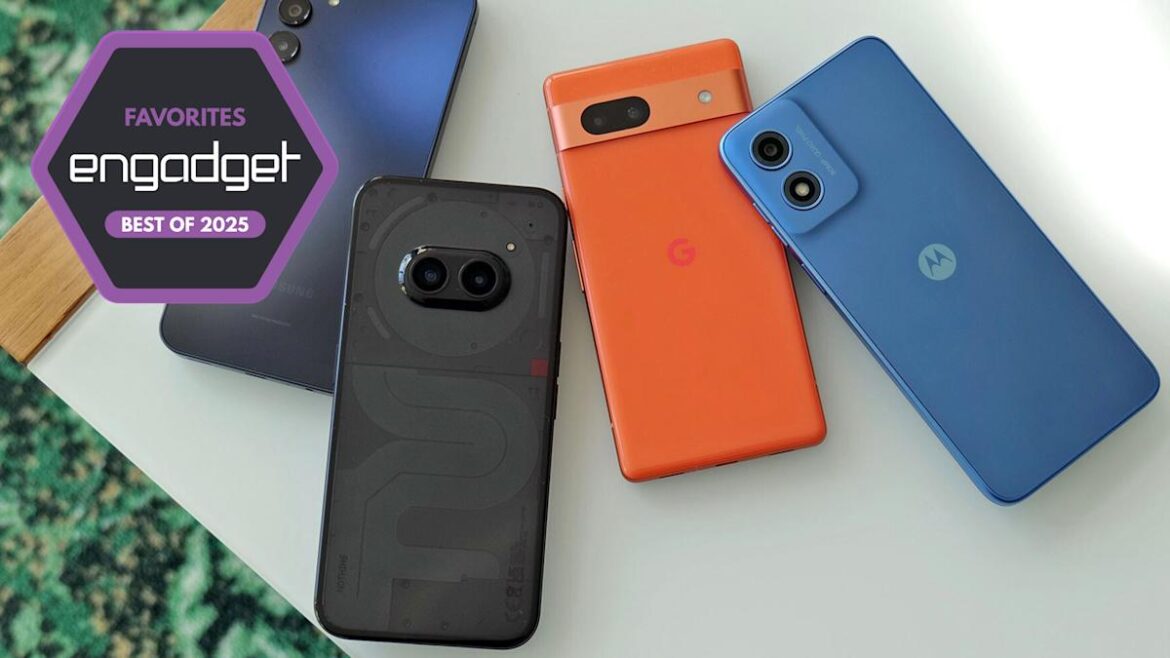
You don’t need to spend a fortune to get a new phone that handles your daily tasks with ease. The best cheap Android phones pack impressive features into affordable price tags, making them great options for anyone who wants solid performance without stretching their wallet. Whether you’re scrolling social media, streaming videos or snapping photos, there are plenty of budget-friendly Android devices that can keep up with everything you do.

While you might not get all the bells and whistles of flagship models, many of today’s affordable phones still offer surprisingly good build quality, smooth displays and capable camera systems. Some even boast impressive camera quality that can go toe-to-toe with far more expensive options — perfect for casual photographers or anyone who just wants to capture great moments on the go.

Table of contents

Best budget Android phones for 2025

SAMSUNG

Screen size: 6.7 inches | Storage capacity: 256GB + microSD | SIM card type: Nano-SIM | Front camera resolution: 13MP | Rear camera resolution: 50MP main, 5MP ultrawide, 2MP macro | Weight: 7.05 oz

For $200, the Galaxy A16 5G offers tremendous value. I haven’t had a chance to test it, but feel confident recommending it since Samsung took an already great phone in the A15 5G and made it even better. Compared to its predecessor, the A16 features a thinner design, slimmer bezels and an even larger 6.7-inch screen. It also includes a new, faster and more efficient Exynos 1330, alongside an incredible six years of promised software support.

The only disappointing thing about the A16 is that Samsung didn’t update the phone’s camera package, but considering how much phone you’re getting for $200, it’s hard to fault the company. Oh, and the A16 doesn’t come with a headphone jack, so budget for wireless earbuds. — Igor Bonifacic, Senior Reporter

Pros

  • Affordable
  • Upgraded processor
  • Nice 6.7-inch screen
  • Thinner design

Cons

  • Camera array is a bit stale
  • No headphone jack

$200 at Amazon

OnePlus

Screen size: 6.72 inches | Storage capacity: 128GB + microSD | SIM card type: Nano-SIM | Front camera resolution: 16MP | Rear camera resolution: 108MP main, 2MP macro | Weight: 6.8 oz

When it first came out, the Nord N30 had basically everything you could want in a phone that cost $300. Its Snapdragon 695 5G chipset delivers strong performance along with speedy wireless connectivity that’s compatible with all the big US carriers, not to mention good specs including 8GB of RAM and 128GB of storage, making it a worthy upgrade. It also has a big 6.7-inch display with a 120Hz refresh rate, which is rare on a budget phone as most rivals feature slower 60Hz or 90Hz panels. And thanks to its 50-watt wired fast charging, you can top it up quickly, too. It also offers software updates for a decent period, ensuring its longevity. But most importantly, the Nord 30 recently got a price drop from $300 to $250, making it an unquestionably good deal and our top pick in this space.

Pros

  • Good performance for the price
  • 120Hz display
  • 50W wired charging

$300 at Amazon

Motorola

Screen size: 6.5 inches | Storage capacity: 64GB + microSD | SIM card type: Nano-SIM | Front camera resolution: 8MP | Rear camera resolution: 50MP | Weight: 6.53 oz

For those on a really tight budget, the 2024 Moto G Play covers all the bases well. It has a speedy Snapdragon 680 processor along with 4GB of RAM and 64GB of storage. And while that last number might seem small, the phone has a microSD card slot so you can add more space if and when you need it. Its 6.5-inch LCD screen is also surprisingly sharp with a 90Hz refresh rate. The Moto G Play even has an IP52 rating for dust and water resistance. That isn’t much, but it’s good enough to protect against an errant splash or two. Sure, the G Play is basic, but it’s basic in a good way, especially if you’re not too fussed about running multiple apps and just want a handset to perform everyday tasks.

Pros

  • 90Hz display
  • IP52 rating
  • Expandable storage via a microSD card slot

Cons

  • Only 64GB of onboard storage

$110 at Amazon

Igor Bonifacic for Engadget

Screen size: 6.77 inches | Storage capacity: 256GB | SIM type: Nano-SIM + eSIM | Front camera resolution: 50MP | Rear camera resolution: 50MP main, 8MP ultrawide, 50MP periscope telephoto | Weight: 7.44 ounces

Read our Nothing Phone 3a Pro review

If you want something different from your next phone, there are few if any devices out there like the Nothing Phone 3a Pro. It has a translucent glass back that evokes the design of old Game Boys, allowing you to see some of its internal components, including the NFC antennas. At $459, it’s also one of the best deals in the industry, thanks to a compelling mix of features. The Phone 3a sports a bright 6.77-inch OLED display with a 120Hz refresh rate. It also comes with a 5,000mAh battery, a decently speedy Snapdragon 7s Gen 3 chipset and a 3x periscope telephoto camera. That last feature is something that’s difficult to find in the 3a Pro’s price range, especially in North America. — Igor Bonifacic, Senior Reporter

Pros

  • Fun design
  • Large 120Hz AMOLED screen
  • Clean but customizable Android skin

Cons

  • Limited US warranty
  • No wireless charging
  • Tinny speakers

$459 at Amazon

How cheap should you go for an Android phone?

We tend to define a budget smartphone as costing between $150 and $350. Any lower and the device runs the risk of suffering from too many compromises in function, and above that, you cross over to pricier midrange handsets (if you’re open to spending more, we shouted out a couple of our favorite flagship phones at the very end of this guide).

But for those with a little wiggle room, there are some things to consider. For example, a child may be better off with a cheaper device, especially if it’s intended mainly for emergencies, WiFi browsing or texting parents (and not social media). On the higher end of this price spectrum, sub-$350 Samsung phones and other Android devices have come a long way thanks to improved performance, better phone cameras with low-light capabilities, fast charging, and nicer displays like AMOLED panels. This makes them a viable alternative to, say, a flagship handset with a premium design, even if you have the flexibility to spend more.

What to look for in a cheap Android phone

When it comes to cheap phones, you get what you pay for. Most smartphones in this price range are made out of plastic, though the fit and finish of a specific model can vary a lot based on price. A bright screen is also important. Typically you’ll get LCD panels with a 60Hz or 90Hz refresh rate, but some phones may have OLED or AMOLED screens with increased color saturation. Long battery life is critical as well, so we tend to favor devices with larger power cells of around 5,000 mAh. In this price range, performance can vary a lot, so look for devices with at least 8GB of RAM and processors that can deliver stutter-free visuals. It’s also important to consider support length: as periodic security updates and lengthy software support can extend the longevity of your device, which will save you money in the long run.

Android phone FAQs

What’s the price difference for a cheap Android vs a cheap iPhone?

iPhones tend to be more expensive compared to Android phones — even the cheapest iPhone, the iPhone SE, which starts from $429, is a harder pill to swallow compared to a cheap Android phone. In contrast, you can get your hands on a cheap Android device for as low as $100.
Source link

September 2, 2025 0 comments
0 FacebookTwitterPinterestEmail
13 Best Android Phones of 2025, Tested and Reviewed
Product Reviews

13 Best Android Phones of 2025, Tested and Reviewed

by admin August 30, 2025


Other Phones to Consider

We test a ton of Android phones. We like the ones below, but you’ll be better off with one of the options above. If you haven’t yet done so, check out our Best Cheap Phones and Best Folding Phones guides for more.

Google Pixel 9 series

Photograph: Julian Chokkattu

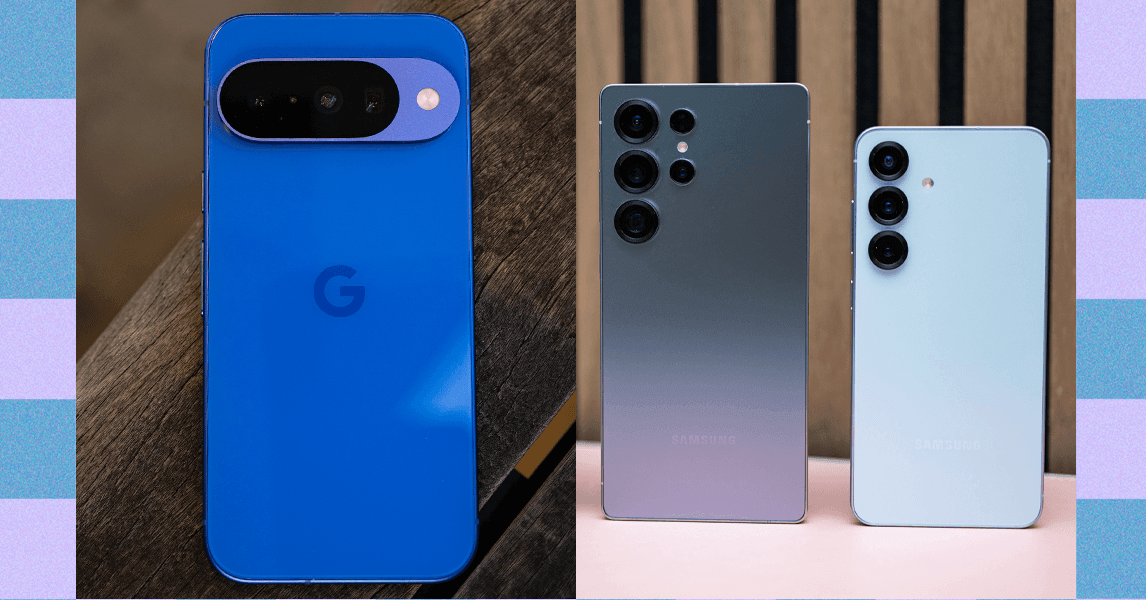
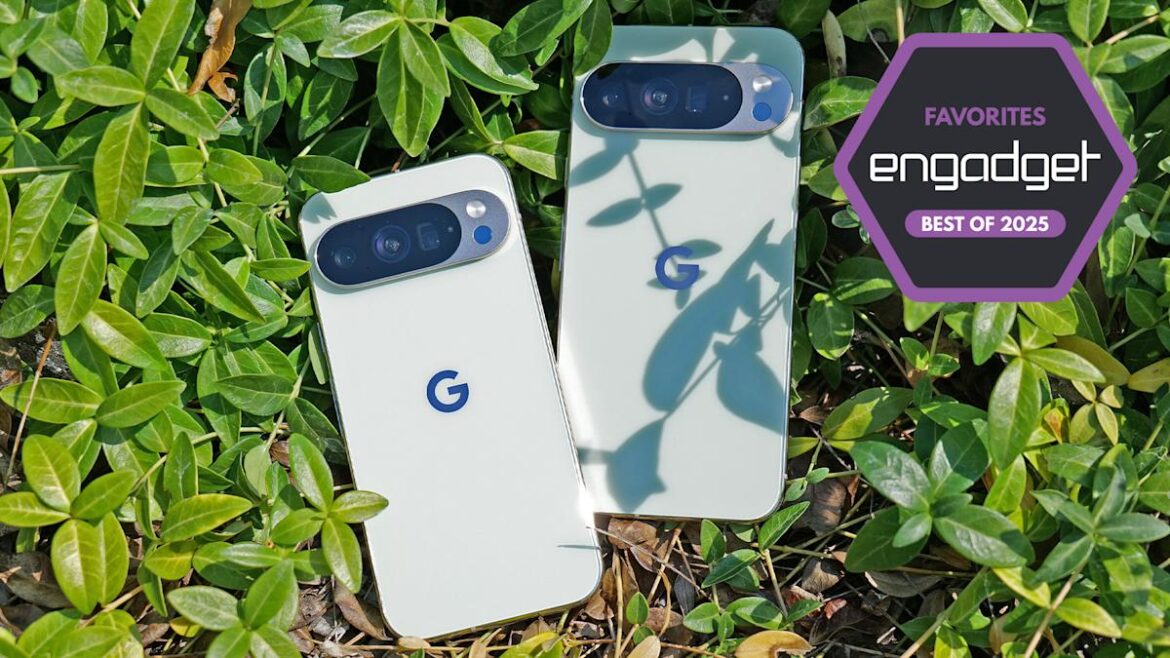
Google Pixel 9 series for $599+: The Pixel 9 series (9/10, WIRED Recommends) from 2024 is still a great buy if you can find them on sale. The Pixel 9 is similar to the Pixel 9a but with better build quality and larger camera sensors. The Pixel 9 Pro and Pixel 9 Pro XL have the 5X optical camera and the vapor chamber cooling, among other perks. The key is to make sure you avoid paying MSRP. These have dipped fairly often in price during sale events, and now, as stock gets cleared, you can probably find a killer deal if you hold out.

Samsung Galaxy Z Flip7 for $1,100: Samsung’s Galaxy Z Flip7 (7/10, WIRED Recommends) got some great upgrades over its predecessor, but it wasn’t enough to dethrone the Razr Ultra 2025 as my top flip phone pick. Still, it’s worth considering if you’re shopping for a folding phone of this category, because the cameras are solid, the displays are excellent and larger than ever, and the cover screen is a little more useful (though not as versatile as on Motorola’s phone). Battery life is even worse here over the Fold7, so snag a power bank while you’re at it.

Galaxy S25 Edge

Photograph: Julian Chokkattu

Samsung Galaxy S25 Edge for $950: Samsung’s latest innovation is to slim down the smartphone to an amazingly thin 5.8 mm. That’s not as impressive as phones from the past, but the Galaxy S25 Edge (6/10, WIRED Recommends) is still impressive when you hold this lightweight 6.7-inch phone in your hand. It maintains several features from the Galaxy S25 Ultra, except there’s no S Pen stylus, no telephoto cameras whatsoever, and battery life is not good at all for a phone of this size and price. I routinely had to keep it topped up throughout the day. But if you’re an average to light user, you may find it sufficient, and maybe you’ll be able to appreciate the thin and light size even more.

Photograph: Julian Chokkattu

Nothing Phone (3a) for $379 and Phone (3a) Pro for $459: Here’s another well-rounded smartphone that doesn’t have an exorbitant price. The Nothing Phone (3a) and Phone (3a) Pro (8/10, WIRED Recommends) are sub-$500 Android phones, and they are both fantastic. They’re identical in every way except the cameras, where the Pro model has a slight advantage in zoom and low-light capabilities. I think the Phone (3a) looks nicer and is a better value. Run through the list of specs and you’ll be hard-pressed to find fault with the hardware. The display is wonderfully smooth with its 120-Hz refresh rate, and it’s no struggle to see in the sun. Performance is snappy, battery life is reliable, and the camera quality is decent for the money. There are some drawbacks—these phones are only IP64-rated, so don’t drop them in the pool. There’s no wireless charging, and connectivity isn’t seamless. While it’ll work best on T-Mobile, you’ll only get 4G on Verizon and AT&T until you ask the carriers to whitelist the device for 5G access. That process is sure to be frustrating.

Samsung Galaxy S24 FE for $650: Samsung’s Galaxy S24 FE is a better buy now that the flagship Galaxy S24 series is harder to find for sale. It’s a perfectly capable smartphone with a triple-camera array (including a 3X telephoto camera), and it delivers good performance. It has wireless charging, is IP68 water resistant, and has solid day-long battery life. It’s a shame the design’s a bit drab. It’s worth pointing out that we’re coming up on a year since the S24 FE launched, so expect an S25 FE real soon.

Moto G Power 2025

Photograph: Julian Chokkattu

Motorola Moto G Power 2025 for $300: The new Moto G Power (7/10, WIRED Recommends) isn’t as great as its predecessor, and that comes down to one reason: Due to a lesser chipset, there’s a slight hit in performance, and it feels a bit more sluggish to use. However, the performance is good enough that you won’t feel frustrated. Outside of this, it’s a remarkable $300 phone. The green faux leather back exudes luxury, and it’s nice and slim. The cameras are solid, and the 6.8-inch LCD screen has a 120-Hz screen refresh rate and gets plenty bright. Best of all, the company retained the wireless charging it debuted in last year’s model, making it one of the only sub-$300 phones with this convenience. Another area of improvement? It’s IP68/69-rated, so you won’t have to baby this phone near a pool; it can handle a dip just fine. Motorola has also extended software updates on the Moto G series, promising two Android OS upgrades, with the same three years of security updates. There’s a fair amount of bloatware, but you can remove most of these preinstalled apps.

Minimal Phone

Photograph: Julian Chokkattu

Minimal Phone for $399: Having trouble curbing your screen time? Instead of going cold turkey with something like the Light Phone III, try the Minimal Phone (6/10, WIRED Review). This is an e-paper Android phone with a physical keyboard. The goal is to let you access the usual Android apps, but because the screen is ill-suited to videos and most social media, you’ll naturally be able to avoid those distractions. It’s successful in this task, but the constant screen ghosting and plasticky build dampen the experience.

Mobile Accessories You Might Need

Photograph: Julian Chokkattu

We have case recommendations for a few popular devices, like Samsung’s Galaxy S25, Galaxy S24, and Galaxy S23, or Google’s Pixel 9 series. It’s smart to slap a case on these glass sandwiches and even a screen protector to keep the display free of scuffs and scratches. Here are a few other noteworthy accessories, including charging adapters, which many phones don’t include anymore. Read our Best USB-C Cables guide for other recommendations.

Anker 45-Watt Charger for $28: This tiny charger will be enough for most people to charge most smartphones. It’s compact, reliable, and cheap, plus the prongs fold up. More smartphones than ever can go up to 45-watt charging speeds, so take advantage with a 45-watt charger.

Photograph: Julian Chokkattu

Counterpart Retractable The Charger for $44: It’s not the best value, but this design-forward charger has a retractable 4-foot cable that makes it a fantastic two-in-one—no need to pack a separate charger and cable! It outputs 35 watts, which is plenty to fast-charge most phones and tablets, and the prongs fold in for travel.

Peak Design Samsung and Pixel Everyday Case for $50: If you have a Samsung or Pixel phone and you frequently mount your phone to a bike or scooter, you owe it to yourself to snag this case and Peak Design’s bike mount. The case snaps perfectly into the mount, is dead simple to release, and has yet to fall off after years of riding. Peak Design also sells several other accessories you can attach to the back of these cases, bringing Android into Apple’s MagSafe ecosystem.

Nimble Champ Portable Charger 10,000 mAh for $60: This portable battery is small enough to leave in a bag but has enough power to fully recharge your phone once or twice. There’s a USB-C and USB-A port; it delivers 18 watts of power, so it can recharge your tablet or phone, and it’s housed in 73 percent post-consumer plastic with plastic-free packaging.

Nomad ChargeKey V2 for $29: When your phone dies, it’s almost always when you forget to bring a charger or battery pack. The ChargeKey is a nifty solution—it’s like clipping a tiny USB-C charging cable to your keychain. Just plug one end into your phone and the other into any kind of power source (a friend’s phone or a charging adapter if you manage to find one), and you can top up your phone. Native Union also has a similar item that’s cuter but nearly as capable.

Choose a Wireless Charger: Our guide to the best wireless chargers includes dozens of models in varying colors, shapes, and materials, and even some designed for specific phones. Not every Android phone supports wireless charging, but it’s a luxury you’ll want to take advantage of. Take a gander at our guide for our favorites.

Power up with unlimited access to WIRED. Get best-in-class reporting and exclusive subscriber content that’s too important to ignore. Subscribe Today.


Source link

August 30, 2025 0 comments
0 FacebookTwitterPinterestEmail
DAAPrivacyRightIcon
Gaming Gear

The best Android phones for 2025

by admin August 27, 2025


Choosing the best Android phone can feel overwhelming as there are so many options from so many brands, it’s hard to know where to start. Unlike Apple, which sticks to its sleek lineup of iPhones, Android offers a world of variety. Whether you’re eyeing the latest flagship from Samsung, a budget-friendly smartphone from Motorola or something unique with a foldable design, there’s an Android device out there to suit your needs.

The beauty of Android is its flexibility. You’ll find phones with different screen sizes, camera setups, battery life and even quirky extras like stylus support or rugged builds. Plus, Android lets you customize your device to your heart’s content – something Apple fans might envy. We’ve tested and researched the top Android phones to help you find the right one for your budget, lifestyle, and tech preferences.

Best Android phones for 2025

Sam Rutherford for Engadget

Read our full Google Pixel 10 Pro and 10 Pro XL review

Processor: Google Tensor G5 | Display: 6.3-inch Super Actua, up to 120Hz | Cameras: Rear array (50MP wide, 48MP ultrawide with Macro Focus, 48MP 5x telephoto lens), 42MP dual PD selfie front camera with autofocus | Battery: 4,870mAh

With the Pixel 10 and Pixel 10 Pro, Google has once again refined its smartphone hardware while pushing its AI-powered software in new and wonderful ways. Not only do both devices now support full high-res portrait shots, its 100x Pro Res Zoom captures long-range photos in ways that lenses and megapixels alone simply can’t. Then you add in noticeably better performance, bigger batteries, brighter displays and proper Qi2 magnetic charging (the first from a major Android phone maker) via Pixelsnap and you have truly smart devices that makes picking anything else seem kind of dumb.

Pros

  • Longer battery life
  • Brighter displays
  • 100x Pro Res Zoom adds major magnification
  • Pixelsnap charging (aka Qi2 support)
  • Magic Cue is super helpful (when it works)

Cons

  • No more wireless powersharing
  • Processing full-res images is a bit slow
  • Pixel 10 line is eSIM only in the US

$999 at Amazon

Sam Rutherford for Engadget

Read our full Google Pixel 9a review

Processor: Google Tensor G4 | Display: 6.3-inch 1,080 x 2,424 pOLED, up to 120Hz | Cameras: Rear array (48MP wide, 13MP ultrawide), 13MP front camera | Battery: 5,100mAh

The Pixel 9a isn’t especially flashy and it doesn’t have any special features that aren’t already available on its more expensive siblings. In fact, it actually has slower charging and it’s missing support for some of Google’s homegrown software like the Screenshots app. But for everyone who just wants a simple phone with a solid design, a nice screen, excellent cameras and strong battery life, the Pixel 9a is really hard to beat. So while it’s not super fancy, the phone has all of its most important bases covered (and then some). But most importantly, starting at just $499, this phone feels like an incredible deal that punches well above its price. 

Pros

  • Sleek design
  • Awesome battery life
  • Nice display
  • Great cameras
  • IP68 rating for dust and water resistance

Cons

  • Charging could be faster
  • No Pixel Screenshot app
  • Macro Focus mode can be a bit finicky

$499 at Amazon

Photo by Sam Rutherford / Engadget

Read our full Samsung Galaxy S25 Ultra review

Processor: Qualcomm Snapdragon 8 Elite | Display: 6.9-inch Dynamic AMOLED 2x QHD+, up to 120Hz | Cameras: Rear array (200MP, Dual Pixel AF, Digital Zoom 100x, 50MP Macro, 50MP UW), 12MP front camera | Battery: 5,000mAh

The S25 Ultra is a do-anything phone. It has a wide range of cameras including a 5x telephoto lens and a new 50-megapixel sensor for its ultra-wide shooter, a gorgeous 6.9-inch AMOLED display (which is 0.1 inches bigger than last year) and of course, Samsung’s signature S Pen. That said, for 2025, Samsung’s main focus was on its improved Galaxy AI features such as Now Brief, which creates a personalized feed of news, events and more. There’s also Drawing Assist that makes it easier to create AI-generated art, or you can turn to AI Select for help with taking screenshots, turning videos into GIFs or summarizing stories.

Unfortunately, aside from a new Snapdragon 8 Elite chip, the S25 Ultra doesn’t come with a ton of new hardware compared to its predecessor (or the S23U for that matter). So while Samsung’s latest flagship is a great phone, it doesn’t feel like an essential upgrade for people with flagship devices that are only a year or two old.

Pros

  • Excellent screen
  • Great performance and battery life
  • Anti-reflective Gorilla Armor 2 panels
  • Slimmer bezels
  • New 50MP ultra-wide sensor

Cons

  • S Pen no longer suppers Air actions
  • Same main and telephoto cameras as last year
  • Not fully compatible with magnetic Qi2 accessories
  • Expensive

$1,090 at Amazon

Sam Rutherford for Engadget

Read our full Samsung Galaxy Z Fold 7 review

Processor: Snapdragon 8 Elite | Display: 8-inch 2184 x 1968QXGA+ Dynamic AMOLED 2X full display, 6.5-inch 2520 x 1080FHD+ Dynamic AMOLED 2X cover display | Cameras: Rear array (200MP wide, 12MP ultrawide, 10MP telephoto), 10MP front camera | Battery: 4,400mAh

One of the biggest issues with foldable phones is the added size and weight that often comes with the inclusion of a flexible display. Samsung has made that a thing of the past on the Galaxy Z Fold 7, which sports larger screens — both inside and out — while being 26 percent thinner than before. And as if that wasn’t enough, the Z Fold 7 also features improved durability, increased performance and a new 200MP main camera, matching or exceeding what you get from traditional flagship smartphones. The main downsides are that at $2,000, it’s still far from affordable and for long-time Samsung fans, the loss of S Pen support may be a dealbreaker. But for those who want to experience new heights in foldable phone design, the Galaxy Z Fold 7 is a masterpiece of modern gadget design.

Pros

  • Exquisitely thin design
  • Sleeker hinge
  • Big 200MP main camera
  • Larger displays
  • Top-tier performance

Cons

  • Very expensive
  • No S Pen support
  • Mediocre charging speeds

$1,780 at Amazon

Sam Rutherford for Engadget

Read our full OnePlus 13 review

Processor: Qualcomm Snapdragon 8 Elite | Display: 6.8-inch OLED, 120Hz, 4,500 nits max brightness | Cameras: Rear array (50MP wide, 50MP ultrawide, 50MP telephoto), 32MP front camera | Battery: 6,000mAh

While the OnePlus 13 features some basic AI features like Google’s Circle to Search and Gemini assistant, it’s really just an old-fashioned flagship in all the best ways. That’s because instead of focusing on machine learning, OnePlus crammed the phone with tons of top-notch hardware. It sports a 6.8-inch OLED display with an incredible peak brightness of up to 4,500 nits. The OP13 also offers excellent performance thanks to Qualcomm’s Snapdragon 8 Elite chip, along with 16GB of RAM and 512GB of storage. There are also three 50-MP rear cameras including one with a 3x telephoto zoom and a massive 6,000 mAh battery that’s bigger than what you get in practically all of its competitors.

OnePlus didn’t skimp on the phone’s design either, as the OP13 still comes with the company’s signature Alert Slider. Plus, if you opt for the blue or white variants, you’ll get a durable and very touchable vegan leather back that helps the phone stand out among all its glass brick rivals. But the best part is that starting at $900, it costs less than an equivalent Galaxy S25+ too.

Pros

  • Class-leading battery life
  • Super-bright display
  • Great performance
  • Attractive design

Cons

  • Photo quality could be a touch better
  • Only six years of software support instead of seven
  • Needs a case to fully support magnetic Qi2 accessories

$900 at OnePlus

What to look for in a new Android phone

Performance

When it comes to picking our favorite Android phones, the main things we look for are pretty straightforward: good performance (both compute and AI), a nice display, solid design, sharp cameras, long battery life and a significant commitment to ongoing software support. For performance, not only do we look at benchmarks and other metrics, but we also evaluate phones based on responsiveness. Regardless of whether you’re reading, text messaging, scrolling through social media or playing a game, no one wants a gadget that feels sluggish.

Display

When it comes to displays, we generally prefer OLED panels that can produce rich, saturated colors with at least 600 nits of brightness, though many of our top mid-range and high-end phones can hit 1,000 nits or more. And more recently, most of our favorite devices also support screens with fast refresh rates of 90Hz or 120Hz, which adds an extra level of smoothness and fluidity.

Design

Now we will admit there is a bit of subjectivity when deciding which phones look the best, but there are other design aspects like dust and water resistance or screen durability that can make a big difference to long-term survival. It’s also important to consider things like support for wireless charging, power sharing (aka reverse wireless charging) and UWB connectivity, which can have an impact on how your phone interacts with your other devices.

Cameras

Obviously, for photos we’re looking for sharp, colorful shots in both bright and low-light conditions. And we want video clips with high dynamic range, rich audio and smooth image stabilization. Extra cameras for ultra-wide and telephoto lenses are a plus. The best cameras should also include features like dedicated night modes, support for various video recording resolutions, and additional photo modes like timelapse, slow motion and more.

Battery and software

Finally, in terms of longevity, we’re looking for all-day battery life on devices that also delivered great results on our local video rundown test (at least 16 hours on a charge, but more is obviously better). Wireless charging capabilities have become almost ubiquitous over the past few years, and most of our top picks have this extra perk. Fast-charging is available on some Android phones, too. Finally, with people holding onto their phones longer than ever, we like to see companies commit to at least three years of software support, upgrades and regular security updates.


Source link

August 27, 2025 0 comments
0 FacebookTwitterPinterestEmail
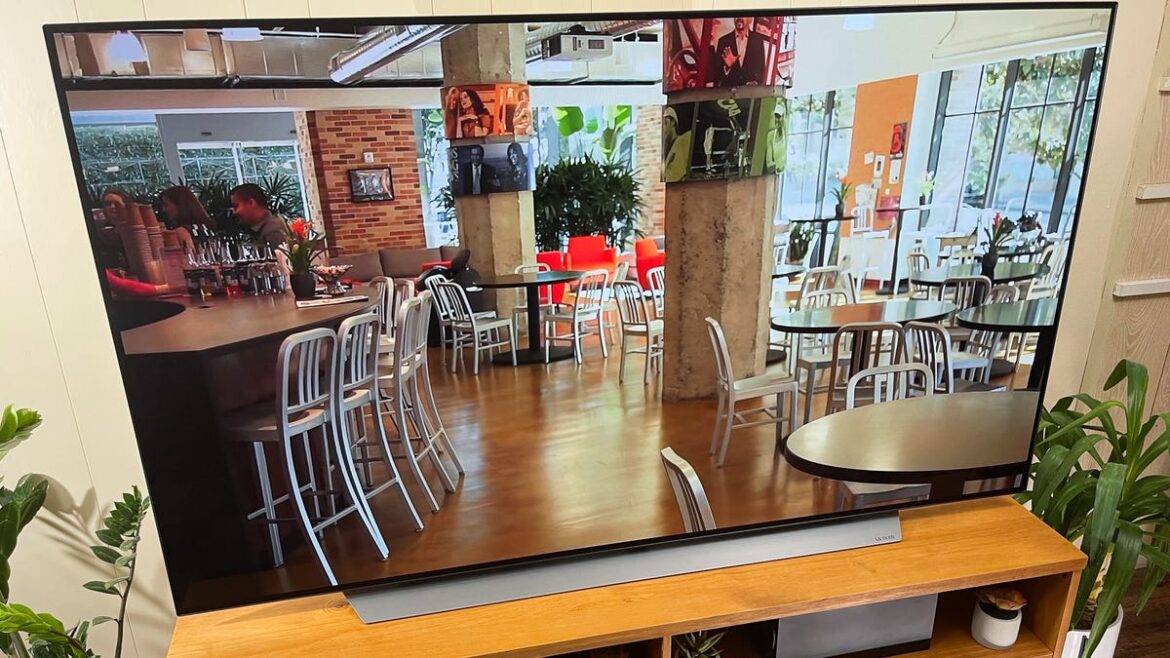
LG C1 OLED TV
Gaming Gear

OLED Burn-In: What You Need to Know for TVs, Phones and More

by admin August 24, 2025


The best TVs, the best phones and one of the best game consoles — the Nintendo Switch OLED — have one thing in common: They have OLED screens. Organic light-emitting diode screens offer performance that a traditional LCD screen just can’t match. They have incredible contrast ratios that make the image look much more lifelike. It’s why companies like LG, Sony, and now Samsung have OLED at the top of their TV model lines. The same is true for Apple, Samsung, Google and others on the phone side. OLED screens offer the best picture quality currently available. Unfortunately, there is one, big potential downside: burn-in.

Burn-in is when part of an image — such as navigation buttons, persistent icons on a phone, a channel logo, news ticker or a scoreboard on a TV — remains visible as a ghostly background no matter what else appears onscreen. Apple’s support page for the OLED screen iPhones touts that they’ve been designed to reduce the effects of OLED burn-in, even as it acknowledges that burn-in can occur in “extreme cases.” Google’s Pixel phone support page says burn-in can happen “when the same image stays on your screen for a long time at a high brightness” and recommends steps to reduce it. 

Brett Pearce/CNET

In the TV world, LG has a page that says “It is rare for an average TV consumer to create an environment that could result in burn-in.” Nonetheless, stories of OLED burn-in don’t seem rare online, with owners on YouTube, forums and social media reporting the issue. Reviews site RTings has also demonstrated burn-in with long-term tests (more on that below).

The fact is that all organic light-emitting diode screens can experience burn-in, and from everything we know, they’re more susceptible than standard liquid crystal displays (LCDs), which at the moment is every mainstream TV that’s not OLED. 

If the mere possibility of burn-in is your primary concern, the decision is simple: Buy an LCD-based display instead. Know that you’re sacrificing the best picture quality that money can buy. Here are some points to keep in mind:

  • Burn-in is possible with OLED, but not likely with normal use.
  • Most “burn-in” is image retention, which goes away after a few minutes.
  • You’ll almost certainly see image retention long before it becomes permanent burn-in.
  • Generally speaking, burn-in is something to be aware of, but not worry about.

Burn-in can be caused by leaving a single image onscreen for a very long time.

Is screen burn-in still a problem? Not for most people

All things considered, burn-in shouldn’t be a problem for most people. That’s why we at CNET continue to recommend OLED-based TVs, phones and other devices in our reviews. From all of the evidence we’ve seen, burn-in is typically caused by leaving a single, static image element, like a channel logo or “chyron”, onscreen for a very long time, repeatedly. 

If you, like most people, watch a variety of content on your TV, phone, or other device with an OLED screen, you’re not going to need to worry about burn-in. 

How to avoid burn-in on an OLED screen

What can you do to prevent burn-in on that new TV? As I mentioned, vary what you watch a bit. In particular, don’t watch something that has the same static areas displayed onscreen, nonstop for days on end. 

Both Sony and LG told CNET that the best way to prevent burn-in or image retention on their TVs is to avoid static images.

“To avoid the possibility of burn-in, consumers should avoid leaving static images on an OLED screen for long periods of time. For example, leaving a video game paused onscreen for several hours or days,” a Sony spokesperson said.

The logos and news tickers on cable news channels are examples of those static areas — they have elements that never move, and they remain on screen the entire time you’re watching. That means if you leave your TV running Fox News, CNN, MSNBC or ESPN all day long and don’t watch enough other programming, you’re more likely to get burn-in. Or at least, image retention, which we’ll discuss in a moment. If you play the same game for 8 hours a day, every day, the onscreen status display or HUD is also a likely culprit for burn-in.

To repeat, you can watch those channels, play games or whatever else to use your TV as a TV, your phone as a phone, etc. You just shouldn’t watch only those channels, all day every day. And if that sounds extreme, know that emails I’ve gotten from readers about burn-in always have some variation on “well I only watched that channel for 5 hours a day.” If that sounds like you, get an LCD. 

As long as you vary what’s displayed, chances are you’ll never experience burn-in. That varied content will age your screen evenly. In 24-hours, you could watch a movie, play some games or binge some TV shows, and they’re all varied enough that you should be fine.

The RTings torture test I mentioned above lasted the equivalent of 5 years of use and it still says “Our stance remains the same, we don’t expect most people who watch varied content without static areas to experience burn-in issues with an OLED TV.” It has updated its testing with some of the new QD-OLED models. More on that in its own section below.

Nintendo Switch OLED: What to know about burn-in on your gaming console’s screen

Dan Ackerman/CNET

Nintendo updated its beloved Switch handheld gaming console with a few improvements, including an OLED screen. This offers a far better image than the fairly unimpressive screen on the original Switch. As you’ve read above, games are one of the potential issues that could lead to image retention or, worst case, burn-in. Here’s what Nintendo had to say when CNET asked about burn-in:

We’ve designed the OLED screen to aim for longevity as much as possible, but OLED displays can experience image retention if subjected to static visuals over a long period of time. However, users can take preventative measures to preserve the screen [by] utilizing features included in the Nintendo Switch systems by default, such as auto-brightness function to prevent the screen from getting too bright, and the auto-sleep function to go into ‘auto sleep’ mode after short periods of time. 

Which is to say, Nintendo is fully aware of this potential issue and has taken steps to minimize the risk. Despite many games having static HUDs, you’d need to play just that one game, for hours upon hours, every day without ever using the screen for anything else, at the highest brightness settings. 

If that’s you and you regularly play only one game all day, every day, for weeks with brightness set to maximum, get the non-OLED version of the Switch, which is cheaper anyway. For everyone else, the better image quality of the OLED version might be worth the upgrade. 

Read more: Nintendo Switch OLED screen burn-in: Why you shouldn’t be worried

Image retention vs. burn-in: What’s the difference?

Let’s get the descriptions right. Though often used interchangeably, “image retention” and “burn-in” are not the same thing. 

  • Image retention is temporary: It goes away in time.
  • Burn-in is permanent: It does not go away.

Image retention occurs when parts of an image temporarily “stick” on the screen after that image is gone. Let’s say for an hour you’re looking at a still picture of a white puppy (hey, you do you, I won’t judge). Then you decide to watch a movie. Let’s say Best in Show, because you’re keeping with your theme. As you’re watching you can still see the white puppy image, as if it’s a ghost on the screen, staring at your soul.

You’re not crazy, probably. That’s just an extreme case of image retention. Chances are it will go away on its own as you watch stuff that isn’t the same still image of the puppy.


Enlarge Image

Here’s a section of a 2018 LG C8 OLED TV screen displaying a gray test pattern after 5 hours of watching CNN in the brightest (Vivid) mode. They’re the same image, but we’ve circled the section with the logo on the right to highlight it. To see it better, turn up the brightness. In person, it’s more visible in a dark room, but much less visible with moving images as opposed to a test pattern. Since it disappeared after running LG’s Pixel Refresher (see below), this is an example of image retention and not burn-in.

Sarah Tew/CNET

Now imagine you leave your TV on for days or weeks instead of hours, showing the same image the whole time. Then you might be in trouble. With image retention, usually just watching something else for a while will make the ghost image disappear. With burn-in, it’s going to remain there for a while. Maybe not forever, but perhaps longer than you’d want. Anything that stays on screen for a long time and doesn’t change can cause image retention and perhaps, eventually, burn-in.

With your phone, the operating system itself is one of the most likely candidates to cause the issue. My 2015 
Samsung Galaxy S6 Edge
started to get burn-in after about a year. It started showing up very subtly, but after 18 months I bet most people would have noticed it. The top info bar where the notifications appear, and the lower third where the keyboard would show, didn’t age as much as the remaining middle area. Since it was brighter, the middle area aged faster, so it “burned in” more. I noticed the difference if I was watching something full screen, a video say, and the image went to a solid color. After 2+ years with a Pixel 2 (not the XL), which also has an OLED screen, no burn-in was apparent. Six years on with the S6 Edge, now in the not-so-careful hands of a friend, the burn-in doesn’t seem to have gotten any worse compared to mid-2017.

Apple, for one, flags users of OLED-screened iPhones, like the X, 11 and 12, that burn-in is a possibility. Here’s the quote from its support page for the products:

With extended long-term use, OLED displays can also show slight visual changes. This is also expected behavior and can include “image persistence” or “burn-in,” where the display shows a faint remnant of an image even after a new image appears on the screen. This can occur in more extreme cases such as when the same high contrast image is continuously displayed for prolonged periods of time. We’ve engineered the Super Retina and Super Retina XDR displays to be the best in the industry in reducing the effects of OLED “burn-in.”

What’s colloquially called “burn-in” is actually, with OLED, uneven aging. OLEDs don’t “burn in” as much as they “burn down.” The candle that burns twice as bright burns half as long, right? OLED pixels very, very slowly get dimmer as they’re used. In most cases this isn’t an issue since you’re watching varied content and all the pixels, on average, get used the same amount. But if you’re only watching one thing, that one thing could cause uneven wear. Visually, and in the vernacular, this wear is called “burn-in.” “Uneven wear” is more accurate, but it also has a lot more syllables.

Also, OLED technology has gotten better. Billions of dollars have been spent on OLED manufacturing and R&D, and that’s ongoing. Stories you may have heard about “burn-in” likely entered the zeitgeist years ago about older OLED displays. You just don’t hear about newer OLEDs having these issues, except in extreme situations like those discussed above. You’d likely hear a LOT more stories about OLED now that the two largest phone manufacturers, and many smaller ones, use OLEDs in millions of phones and have for years. 

Testing found burn-in is more likely for OLED screens than LCD

CNET has not conducted any long-term real-world tests of OLED burn-in. In our experience reviewing TVs, CNET has seen image retention on OLEDs that disappeared quickly, for example after running a series of static test patterns, but nothing permanent.

The most comprehensive independent tests for burn-in on TVs were run by the review site RTings. In August 2017 they began their burn-in torture test with LCD and OLED TVs, followed by a “real life” torture test in 2018. They stopped regularly updating the test in 2020, but that was after the equivalent of 5 years of normal use on multiple TVs, and still, they felt that most people would never have an issue with burn-in. 

Before you check it out, keep in mind what they’re doing is not normal use. You’d have to be trying to wreck a TV to make it look that bad, which is literally what they’re trying to do. That said, the information is still valuable, and the main takeaway is that OLED is indeed more susceptible to burn-in than LCD.

RTings started a new test of 100 TVs in early 2023, hoping to get a sense of longevity between brands and models. This test doesn’t focus specifically on burn-in, but burn-in and image retention will be measured and high rates of either will certainly dock longevity points.

What about QD-OLED?

Samsung

Samsung and Sony also have a version of OLED that includes quantum dots. All the panels are made by Samsung at a new factory in South Korea. These QD-OLEDs have the potential to outperform LG’s version of OLED, referred to as “WOLED” due to its use of a white sub-pixel. Theoretically, QD-OLED shouldn’t be any more susceptible to burn-in, but some recent tests by RTings have found some interesting results in some early accelerated testing.

After three months of constant use running images likely to burn in (i.e. not mixed content like most people would watch on a display), QD-OLED TVs from Samsung and Sony are showing signs of burn-in, while the LGs in the same test are not. Their current working theory is that, because the white sub-pixel allows for brighter white parts of an image, aka the most likely to burn in, it doesn’t degrade the colored subpixels, which all have to run at maximum in a QD-OLED to create white. On a WOLED TV, there’s less of a chance for these burn-in-prone areas to do so.

Does this change our opinion about OLED? No, and it doesn’t change RTings’ opinion either. Its test is an extreme use case. Essentially watching CNN, and only CNN, for 4 hours a day for 8 months. I don’t recommend anyone watch any news channel that much for myriad reasons, not least because the scrolling ticker at the bottom could burn in. It might give computer users pause, at least those considering QD-OLED computer monitors, which are starting to appear on the market.

Screen burn-in is (usually) not covered under warranty

In their warranties, LG and Sony explicitly state that image retention and burn-in are not covered on their OLED TVs. When CNET reached out to LG a couple to ask why, a representative replied: 

“There is generally no warranty coverage for image retention by TV companies and display manufacturers. Image retention may result when consumers are out of normal viewing conditions, and most manufacturers do not support warranty for such usage regardless of the type of display,” said Tim Alessi, former director of new products at LG.

Sony’s reply was similar: “Our warranty covers product and manufacturing defects. Burn-in is not covered as it is caused by consumer usage and is not a product defect.”

Neither the iPhone warranty nor AppleCare explicitly mention burn-in, but neither apply to “normal wear and tear,” and Apple’s support page above makes clear that it considers burn-in “expected.” 

It’s also worth mentioning that most LCD TV warranties don’t cover burn-in either and most don’t mention it at all. The closest Samsung’s warranty comes on its QLED TVs, for example, is to specifically exclude coverage of “brightness related to normal aging or any other issues if the TV is used for commercial or non-normal consumer use. Samsung does not warrant uninterrupted or error-free operation of the product.”

When CNET reached out to Samsung for details, the representative defined “normal consumer use” as “use of the product by consumers in a home environment for viewing content and/or gaming in a typical manner. It doesn’t cover business use.” In other words, those ESPN logos you see burned into the screens at your local sports bar would not be covered.

Extended warranties don’t typically cover burn-in either. One of the most common, SquareTrade, is available from Amazon,
Walmart
, and others. They explicitly don’t cover burn-in. Best Buy’s Geek Squad Protection Plan might, depending on when you bought it. The latest version only explicitly covers burn-in on phones. 

How to use a TV’s image refresh technologies 

The unfortunate fact is that if you do get burn-in on your OLED display, you’re pretty much stuck with it. So your best bet is to avoid it altogether. How? Apart from avoiding static images, here’s what else you can do.

Firstly, turning down the brightness (controlled by “OLED Light” on LG’s sets, and Brightness on Sonys) will help, especially when you’re watching the content that causes the image retention. Choosing a dimmer picture mode, like Cinema instead of Vivid, has the same effect. You’d only need to do this when watching something that causes image retention, like a video game for six hours every night, or 24-hour cable news for 24 hours straight. 

OLED TVs, like the 2018 LG shown here, have a few different ways to avoid and try to fix image retention.

Sarah Tew/CNET

Pretty much all OLED TVs also have user settings to minimize the chance of uneven wear or burn-in. One is called something like “Screen Shift” (on LGs) or “Pixel Shift” (on Sony’s), which moves the image slightly around the screen. They also have built-in screensavers that pop up after extended idle time. You should also enable screen savers on connected devices like game consoles and streamers.

To remove image retention, the TVs can also perform “refreshers” on a daily or longer-term basis. On Sony TVs the feature is called “Panel Refresh,” and LG calls it “Pixel Refresher.” It can be run manually if you notice image retention or, in the case of LG, you’ll get a reminder to run it after 2,000 hours. 

LG also has a Daily Pixel Refresher, which it says “automatically operates when users turn off the TV after watching it for more than four hours in total. For example, if a user watched TV for two hours yesterday and three hours today (more than four hours in total), when powered off the Daily Pixel Refresher will automatically run, deal with potential image retention issues, and reset the operation time. This process will occur when the TV is powered off after every four hours of cumulative use, even if it’s in one sitting.”

In all cases, the pixel refresher looks like a horizontal line that runs down the screen, for an hour or more. It’s designed to even the wear on pixels. 

Here’s the Panel Refresh screen on Sony’s A1E OLED TV. Just like on LG’s OLEDs, it’s designed to remove image retention by scrolling a horizontal bar down the screen for an hour or so.

David Katzmaier/CNET

When it comes to phones I wouldn’t be too concerned, since it’s likely you’ll replace the phone far sooner than any image retention/burn-in issues become bothersome. Regarding my aforementioned S6 Edge, even though I noticed it, I wouldn’t say the burn-in reduced my enjoyment of the phone. I was never watching a video and thinking, “Wow, I can’t enjoy this video because of the burn-in.” Since the phone was in use by its second owner twice as long as I had it, and was only let down by its battery, burn-in clearly wasn’t a dealbreaker. My friend replaced it with a Pixel 4a, which also has an OLED screen. Even after 4 years with that screen, he still preferred to get a phone with OLED.

With TVs, beyond the methods outlined above, there’s not much you can do to reverse burn-in. In theory, I suppose, you could create an inverse image using Photoshop and run that on your screen for a while. This could age the rest of the panel to more evenly match the “burned in” area. Figuring out how to do this is well beyond the scope of this article, and you’d need to be pretty well-versed in Photoshop to even attempt it.

The recap: Most people shouldn’t worry about OLED burn-in

You’ve noticed a ghostly image on your TV or phone screen. If it goes away after a few minutes of watching something else, it’s image retention and it’s probably nothing to worry about. If it “sticks” longer, or you’re repeatedly seeing that same residual image, it’s burn-in. With phones, you’ll likely replace it before the screen becomes an issue.

With OLED TVs, it’s something to keep in mind if you’re a TV news junkie, or only ever play one video game. Keep an eye out for image retention or uneven wear. If you spot it, perhaps switch up your viewing habits, adjust the TV’s settings, or run the pixel refresher a few times. If you watch content with hours of the same static image each day, or just keep CNN, Fox or CNBC on in the background all day, you should probably get an LCD TV.

If you vary your TV viewing habits like most people, however, it won’t be an issue. Even so, caveat emptor. Or as Caesar himself once said, “Conscientiam autem ardeat sed non anxius” (be aware of burn-in, but not concerned). He was, we hear, a big iPhone fan.

As well as covering TV and other display tech, Geoff does photo tours of cool museums and locations around the world, including nuclear submarines, massive aircraft carriers, medieval castles, epic 10,000-mile road trips, and more. Check out Tech Treks for all his tours and adventures.

He wrote a bestselling sci-fi novel about city-size submarines and a sequel. You can follow his adventures on Instagram and his YouTube channel.


Source link

August 24, 2025 0 comments
0 FacebookTwitterPinterestEmail
The Best Google Pixel Phones of 2025, Tested and Reviewed: Which Model to Buy, Cases and Accessories, Feature Drops
Product Reviews

The Best Google Pixel Phones of 2025, Tested and Reviewed: Which Model to Buy, Cases and Accessories, Feature Drops

by admin August 22, 2025


You get all the same software features as the Pixel 9 series, but there are some extras to take advantage of all the screens. Made You Look, for example, plays a cute animation on the outer screen to make sure your kiddo stares at it when you’re trying to capture a photo. When you’re on a Google Meet call, you can now utilize all the screens so that everyone around you can see the person you’re speaking with, and that means using all the cameras too, so the person on the other end doesn’t have to see just your face.

At the end of the day, this is still a $1,799 smartphone, and that’s just too high a price to pay. But if you have the cash and love folding phones, especially when paired with a Pixel’s smarts and camera prowess, this is one of the best options available.

How Long Is Your Pixel Supported?

AccordionItemContainerButton

The Pixel 10 series, Pixel 9 series, Pixel 8 series, Pixel 9a, and Pixel 8a will get seven years of Android OS upgrades and security updates. The 2023 Pixel 7a will receive three years of Android OS upgrades and five years of security updates from the date of launch, the same as older Pixels. Google has a page you can check to see exactly what month your Pixel phone will stop receiving updates. Security updates reduce the risk of malware, keep your phone bug-free, and make it more secure. Android version updates introduce new features—cosmetic and functional—that improve the OS as a whole.

Pixel phones also happen to be the first to receive any kind of Android update, so as soon as Google releases a new version, like Android 16, you can download it immediately by heading to Settings > System > System Update > Check for Update. You can also test beta versions of Android, but you’ll need to enroll your device. (Make sure to back up your phone first!) Pixels are also privy to the feature drops Google issues every few months, which include features from newer Pixels coming to older models and brand-new features for the latest devices.

AccordionItemContainerButton

Google Pixelsnap Charger With Stand

AccordionItemContainerButton

There are a few other Pixel phones worth considering if you don’t want any of the above choices. The Pixel 8 and Pixel 8 Pro (7/10, WIRED Recommends) are available through official channels and third-party retailers (until supplies last). The key is to not pay more than $500 or $600 for either of them; otherwise, you may as well put that money toward the Pixel 9 or Pixel 10 series.

I do not recommend you buy any older Pixel devices. Several Pixel A-series phones have been put under a battery performance program to mitigate the risk of overheating or swelling batteries. These software updates have crippled the battery life on those phones, and Google has provided customers with battery replacement options or Google Store credit for a new Pixel phone. These potential issues mean it’s just not worth the risk of buying a Pixel 7a or Pixel 6a. The Pixel 8a (8/10, WIRED Recommends) doesn’t seem to show problems yet, but I’d still throw caution to the wind.

Pixel A-Series Battery Issues

AccordionItemContainerButton

In 2025, some Google Pixel 4a and Pixel 6a owners have received mandatory updates that purposefully degrade the performance of the battery to prevent overheating. Your phone may have been working fine before, but Google issued these updates as a preventative measure, and not every device was affected. Similarly, some Pixel 7a devices may encounter battery swelling issues.

If your phone has been affected, you have two options. You can get a free battery replacement—Google has a registration page for the Pixel 4a, Pixel 6a, and Pixel 7a. If that isn’t going to work for you, you can get Google Store credit for the Pixel 4a and Pixel 6a to put toward a new Pixel phone.

These issues seem to have only affected some batteries in the A-series phones, suggesting it’s likely a supplier issue. What about the newer Pixel 9a? Here’s a statement a Google spokesperson provided to WIRED: “Google continuously improves Pixel testing based on user feedback and thoroughly investigates reported incidents for all components, including batteries. With Pixel 9a, we delivered the largest and longest-lasting battery of any A-series yet. We’ve been encouraged by its reception so far and are confident in the phone’s longevity and durability.”

Ideally, this battery issue has been rectified in the latest model, but we’ll be monitoring it over the next few years.

What Does Pixel Care+ Include?

AccordionItemContainerButton

When you purchase a Pixel from Google, you’ll see the option to add Pixel Care+ for protection. It’s only available in the US through the Google Store and Google Fi. The monthly option can run for up to 60 months, whereas the fixed pricing is for a 2-year term. Here’s what you get.

Pixel Care+ starts at $9 per month or $179 and includes unlimited accidental damage protection, $0 screen and battery repairs, replacements that ship in a day, and priority support from Pixel experts. That pricing is for the Pixel 10, and it goes up for the pricier devices. For example, the Pixel 10 Pro will cost $13 per month, or $239 for the 2-year term. There’s no Pixel Care+ option for the Pixel 9a.

Pixel Care+ with Loss and Theft starts at $10 per month or $199 and includes the same protections as mentioned above but includes two claims of loss and theft every 12 months. Weirdly, Loss and Theft coverage is not available in New York state.

You Can DeGoogle Your Pixel Phone

AccordionItemContainerButton

Love Google’s Pixel phones but want to get away from using Google services? It’s a little ironic, but you can actually use a different operating system with the Pixel instead of the built-in Android. We’ve tested and really like /e/OS, a privacy-first operating system that’s based on the Android Open Source Project. While you can install it yourself, it requires a bit of technical know-how, you can buy a refurbished Pixel from Murena with /e/OS installed already. If you’re interested, we have more details about /e/OS here.

The Best Pixel Cases and Accessories

I’ve written a broader guide on the Best Pixel 9 Cases and Accessories here, but here are a few selections for your perusal. We’ll be testing cases for the Pixel 10 series soon.

Official Google Case

Photograph: Julian Chokkattu

This silicone case lets you match your Pixel phone’s color. It’s durable and nice to touch, with raised edges on the front to protect the screen. It’s made with recycled plastics, and while the older cases attract lint and dust easily, this revamped case does a better job of resisting them. I also like that it keeps the back flush, so the camera bump isn’t so obvious. The Pixel 9 Pro Fold case is made of a hard-shell polycarbonate, but it’s fairly slim and lightweight compared to third-party cases I’ve tested. Access to the buttons is open, and I like how it gives you an easier way to unfold the phone.

Photograph: Julian Chokkattu

This is our favorite case overall for the Pixel 9 and Pixel 8A series. It has clicky buttons and incredibly grippy edges (hence the name). It feels robust yet fairly slim, and you can choose a snazzy design. Just know that you have to apply this “skin” to the back of the case. There’s a lot of room for error here, so be careful, and watch Dbrand’s installation video for tips. There’s MagSafe support so you can use your Pixel with MagSafe accessories, and it worked exceptionally in my testing.

Peak Design Everyday Case

Photograph: Julian Chokkattu

This is hands-down the best case if you frequently attach your Pixel to the handlebars of a bike or an electric scooter. Peak Design’s mounting system lets you magnetically affix the phone to its Universal Bike Mount ($50), and it stays put. After nearly a year of testing, I’ve yet to have a phone fall off my ride using this mounting system. It makes use of Apple’s MagSafe system, so it works with plenty of MagSafe accessories, even wireless chargers. The company also has several other magnetic accessories, like a car vent mount. The case itself is nice; I just wish the edges were raised more for better screen protection. It comes in more colors than ever.

This charging adapter is all you need to recharge your Pixel, whichever model you have. The newest high-end Pixel phones don’t come with chargers in the box, so if you don’t have any spare USB-C chargers, it’s worth picking one up. This one’s prongs fold up, so it’s great for travel too.

Dbrand Screen Protector

Photograph: Julian Chokkattu

Dbrand gives you two screen protectors in this package, and when I initially tested it, there was no application tool, so I had to freehand the installation. The current Prism 2.0 version thankfully now comes with a tool, so it should be much easier to align. You get all the other tools in the box to wipe down your phone and ensure there are no specks of dust on it before you install the protector.

Our Favorite Pixel Software Features

Pixels have many great software features, but some need to be toggled on. It can also be hard to remember that all these features exist, so here are most of the top ones.

There are some key features on Pixels that you won’t find on any other Android phone. Some of these are available only on select Pixels—the Tensor chip started with the Pixel 6, and currently, the Tensor G4 is in the Pixel 9 range. Here’s a breakdown:

Call Screen: When you get a call from an unknown number, Google Assistant will scan and flag it if it’s suspected spam or a robocall. If it’s simply a number you don’t recognize, you can have Assistant take the call. You’ll see a real-time transcription of what’s happening, so you can end the call right away if it’s a telemarketer or answer if it turns out to be a long-lost high school friend. If it’s someone important, you can give Assistant responses to recite if you’re unable to take the call—it offers up contextual replies now, too. Remember to turn it on by opening up the dialer app and heading to Settings (three dots on the top right) > Spam and Call Screen.

Wait Times.

Video: Google

Wait Times and Direct My Call: When you call a business in the phone app, you’ll see an estimated wait time until someone real picks up (it doesn’t work with every business). Google’s Direct My Call feature also transcribes the entire call and separates the menu options so you can see them without having to listen intently to the call. More recently, for some numbers, Direct My Call will cache responses so you’ll immediately see menu options without needing to wait for the automated response to go through every number. You can turn this on by going to the phone app’s Settings > Direct My Call.

Hold for Me.

Video: Google

Hold for Me: If you’ve been placed on hold with a business number, you can ask Google Assistant to take over. It will play a loud chime when the person on the other end is back. No need to listen to hold music! Toggle it on in the phone app’s Settings > Hold for Me. This feature is available on most Pixels but only works in select countries, including the US, Australia, Japan, the UK, and Canada.

Clear Calling: If you have a Pixel 7 or newer, you can turn on this feature to enhance the other caller’s voice and reduce their background noise. Head to Settings > Sound & Vibration > Clear Calling to toggle it on. It also works on Google’s Pixel Buds Pro.

Call Notes (Tensor G4 and newer; with 12-plus GB RAM): You can enable this in the dialer app by going to Settings > Call Notes and making sure the toggle is on. This doesn’t activate every time you’re on a call. Rather, you have to tap the More button when you’re on a call and tap Call Notes to start it. It more or less records the conversation (it notifies the other person that the call is being recorded), and at the end, it’ll give you a summary of important points from the call right in the call history log, such as price quotes, phone numbers, or addresses. Sometimes it gets information wrong, as the accuracy of the transcription depends on the call quality, but you can play back the entire recording yourself to double-check.

Scam Detection: This feature detects conversation patterns as you are on the phone with a suspicious number to warn you when someone is deploying a classic scam tactic. It also works in Google’s Messages app. You can turn it on by going to the phone app, then tapping the three-dot menu icon at the top right, and hitting Settings > Scam Detection.

Reverse Phone Number Lookup: Don’t recognize the phone number from an incoming call? In the call app, you can now quickly look up a number without having to manually run a search yourself.

Take a Message.

Photograph: Julian Chokkattu

Take a Message (Tensor G5): Google is revamping voicemails with Take a Message. It’s similar to transcribed voicemails, though that feature doesn’t always work and may depend on your carrier. Take a Message bypasses the standard voicemail (your normal voicemail will only kick in with missed calls when your phone is off or out of network). The caller will be told to leave a message, and this recording will be auto-transcribed, visible right in the call history of the phone app. It’ll even offer actionable steps, like adding a reminder or an event to your calendar.

Pixel VIPs: This is a new widget that gives you one-tap access to your favorite contacts. But it’s more than that. Tap on one of your contacts and you’ll see a beautifully designed page that offers quick access to call the contact and message them on various platforms. It’ll show the last messages between you two, share location, weather updates, and the time for their area, and you can add notes if you want to remember specific things. You can access this the same way you add a widget; it sits under the Contacts app.

Transcription and Translation Features

Voice Translate over phone calls.

Courtesy of Joel Chokkattu

Translated Phone Calls in Your Voice (Tensor G5): You can translate a phone call in real time, but what makes Google’s approach unique is that the company will make the translated voice sound like your own (or the person on the other end). That way, it still sounds like you’re talking to someone you know, rather than a robotic voice. No audio is recorded, and data isn’t stored (it works on-device). It’s only available for a few languages, like English, German, Japanese, and Spanish.

Live Translate.

Video: Google

Live Translate: In select messaging apps, Pixels will automatically know when someone sends a message in a language other than your default. It’ll translate it (if you wish), and you’ll be able to respond in that same language. More than 50 languages are supported, though you’ll need to download the languages you want to see translated by heading to Settings > System > Live Translate.

Live Caption: Pixels can automatically transcribe any video playing on the screen. You can quickly toggle this on by tapping one of the volume buttons and tapping on the square button below the volume slider (or head to Settings > Sound and Vibration > Live Caption). If the video is in a different language, you can even see it translated (only on Tensor-powered Pixels), though you’ll need to download one of the supported languages. It can even caption phone calls.

Assistant Voice Typing.

Video: Google


Source link

August 22, 2025 0 comments
0 FacebookTwitterPinterestEmail
The one feature that keeps me from recommending flip phones
Gaming Gear

The one feature that keeps me from recommending flip phones

by admin August 17, 2025


I carry a lot of different phones around, and I rarely get questions about them because most people stopped talking about which phone they own around 2017. I could be using an unreleased iPhone 18 Pro Max Air Ultra to pay for my coffee and nobody would raise an eyebrow (present company excepted, of course). To the majority, a phone is a phone; no matter who makes it or what software it runs, they’re all roughly the same size and shape. Unless that phone happens to be a flip phone.

Flip phones attract attention from the kind of people who have seen every type of phone in existence, which makes sense: they’re very obviously different. During the rise of the smartphone, there was a time when manufacturers tried a lot of other form factors. Physical keyboards, swiveling screens, pop-up cameras — anything was fair game. But over the past decade, the industry converged around one design to rule them all: the form factor that we now know as the slab phone. And it remained more or less unchallenged until Samsung started folding screens in half.

Before the new flip phones, book-style foldables came first. And Samsung’s debut effort was kind of a fiasco. Within days of receiving review units, testers started experiencing problems with the inner screen. The Verge’s own Dieter Bohn was one of them; he noticed a small bulge in the inner screen along the crease, as if a very small particle was pressing up into the screen from inside the hinge. Something similar happened to CNBC’s review unit.

Elsewhere, creators and reviewers at other outlets experienced similarly catastrophic screen deaths by peeling up the factory-installed protector on the inner screen, which was meant to stay permanently adhered. If this was not obvious to people who look at phones all day, you can be damn sure it wouldn’t have been obvious to the average phone user. Even though dust wasn’t the confirmed offender here — and Samsung clearly had more than one kind of problem on its hands — the message was clear: the inner screen of a folding phone was just one wrong move away from failure.

The first modern flip phones weren’t exactly bangers, either. Motorola’s revived Razr kind of sucked, and Samsung’s first Flip wasn’t much better, even though it was the first to offer a better-feeling glass folding screen rather than plastic. Both phones came with too many tradeoffs, too many durability concerns, and too high of a price to justify buying one for the novelty. But things changed when Motorola took a good look at its Razr design and said, “You know what? To hell with this. Big outer screen.”

The 2023 Motorola Razr Plus was the first flip-style phone that truly felt like something different. The outer 3.6-inch screen sounds tiny, and I guess it is tiny, but it was the biggest one offered on a flip phone at that point. And it made a difference. Instead of just triaging notifications, you could actually do things. Reply to texts, browse your Spotify library, even run full apps — so much more became possible. Samsung followed suit, and even though it took a couple of tries to get rid of the file-folder-shaped screen and embrace the full front panel, its flip phone became imminently more useful with a proper cover display. I love flip phones. Lots of you love flip phones, too.

Those little specks of dust still loom large. Despite substantial improvements to the screens and hinges, and the addition of water resistance, flip phones (and their fold-style siblings) still lack dust resistance. Both Motorola and Samsung’s latest foldables come with an IP48 rating, which only guarantees protection against very small particles, meaning anything smaller than a millimeter could still potentially work its way into the phone and wreak havoc.

Sure, plenty of people own folding phones and never experience problems with dust, which is great! But when every other slab-style phone at the same price point comes with a full IP68 rating, it’s hard to tell the average person to go ahead and spend $1,000 on a flip phone. Fun only goes so far.

I had a burning question for Samsung’s head of smartphone planning, Minseok Kang. Maybe it even bordered on a plea. “Is a dustproof foldable even possible?” I asked following Samsung’s most recent Unpacked. “I don’t think that it’s not possible,” he said. “But it is difficult.”

Whispers of foldables with the elusive IP68 rating have cropped up around most of the recent folding phone launches, ultimately fizzling when the full specs have been revealed. But the rumors are firing up again, suggesting that the Google Pixel 10 Pro might come with dust resistance. That, frankly, would rule. But I’ve gotten my hopes up one too many times this year, and I don’t have the energy to do it again, so I’ll consider it a nice surprise if it arrives with dust resistance. But I haven’t given up hope — I have it on good authority that it’s not impossible, after all.

  • If you live outside the US, you have a bunch more flip phones to choose from. Oppo, Huawei, and Xiaomi sell flip-style foldables — just not on our shores.
  • Samsung and Motorola have both expanded their flip phone portfolios this year. Motorola added a third high-end “Ultra” model, while Samsung recycled the previous generation’s Z Flip design into a lower-cost FE version this year. More models means a bigger spread in pricing, which ranges from $699 to $1,299.
  • Nobody’s having more fun with the flip format than Motorola. Razr phones include preloaded games tailored to the outer screen, retro-inspired music for player themes, and a mode that mimics the classic Razr’s UI.

This is The Stepback, a weekly newsletter breaking down one essential story from the tech world. For more on all things phones and consumer tech, follow Allison Johnson. The Stepback arrives in our subscribers’ inboxes at 8AM ET. Opt in for The Stepback here.

Follow topics and authors from this story to see more like this in your personalized homepage feed and to receive email updates.

  • Allison JohnsonClose

    Allison Johnson

    Posts from this author will be added to your daily email digest and your homepage feed.

    PlusFollow

    See All by Allison Johnson

  • ColumnClose

    Column

    Posts from this topic will be added to your daily email digest and your homepage feed.

    PlusFollow

    See All Column

  • GadgetsClose

    Gadgets

    Posts from this topic will be added to your daily email digest and your homepage feed.

    PlusFollow

    See All Gadgets

  • PhonesClose

    Phones

    Posts from this topic will be added to your daily email digest and your homepage feed.

    PlusFollow

    See All Phones

  • TechClose

    Tech

    Posts from this topic will be added to your daily email digest and your homepage feed.

    PlusFollow

    See All Tech

  • The StepbackClose

    The Stepback

    Posts from this topic will be added to your daily email digest and your homepage feed.

    PlusFollow

    See All The Stepback


Source link

August 17, 2025 0 comments
0 FacebookTwitterPinterestEmail
  • 1
  • 2

Categories

  • Crypto Trends (1,098)
  • Esports (800)
  • Game Reviews (772)
  • Game Updates (906)
  • GameFi Guides (1,058)
  • Gaming Gear (960)
  • NFT Gaming (1,079)
  • Product Reviews (960)

Recent Posts

  • This 5-Star Dell Laptop Bundle (64GB RAM, 2TB SSD) Sees 72% Cut, From Above MacBook Pricing to Practically a Steal
  • Blue Protocol: Star Resonance is finally out in the west and off to a strong start on Steam, but was the MMORPG worth the wait?
  • How to Unblock OpenAI’s Sora 2 If You’re Outside the US and Canada
  • Final Fantasy 7 Remake and Rebirth finally available as physical double pack on PS5
  • The 10 Most Valuable Cards

Recent Posts

  • This 5-Star Dell Laptop Bundle (64GB RAM, 2TB SSD) Sees 72% Cut, From Above MacBook Pricing to Practically a Steal

    October 10, 2025
  • Blue Protocol: Star Resonance is finally out in the west and off to a strong start on Steam, but was the MMORPG worth the wait?

    October 10, 2025
  • How to Unblock OpenAI’s Sora 2 If You’re Outside the US and Canada

    October 10, 2025
  • Final Fantasy 7 Remake and Rebirth finally available as physical double pack on PS5

    October 10, 2025
  • The 10 Most Valuable Cards

    October 10, 2025

Newsletter

About me

Welcome to Laughinghyena.io, your ultimate destination for the latest in blockchain gaming and gaming products. We’re passionate about the future of gaming, where decentralized technology empowers players to own, trade, and thrive in virtual worlds.

Recent Posts

  • This 5-Star Dell Laptop Bundle (64GB RAM, 2TB SSD) Sees 72% Cut, From Above MacBook Pricing to Practically a Steal

    October 10, 2025
  • Blue Protocol: Star Resonance is finally out in the west and off to a strong start on Steam, but was the MMORPG worth the wait?

    October 10, 2025

Newsletter

@2025 laughinghyena- All Right Reserved. Designed and Developed by Pro


Back To Top
Laughing Hyena
  • Home
  • Hyena Games
  • Esports
  • NFT Gaming
  • Crypto Trends
  • Game Reviews
  • Game Updates
  • GameFi Guides
  • Shop

Shopping Cart

Close

No products in the cart.

Close