Laughing Hyena
  • Home
  • Hyena Games
  • Esports
  • NFT Gaming
  • Crypto Trends
  • Game Reviews
  • Game Updates
  • GameFi Guides
  • Shop
Tag:

Japan

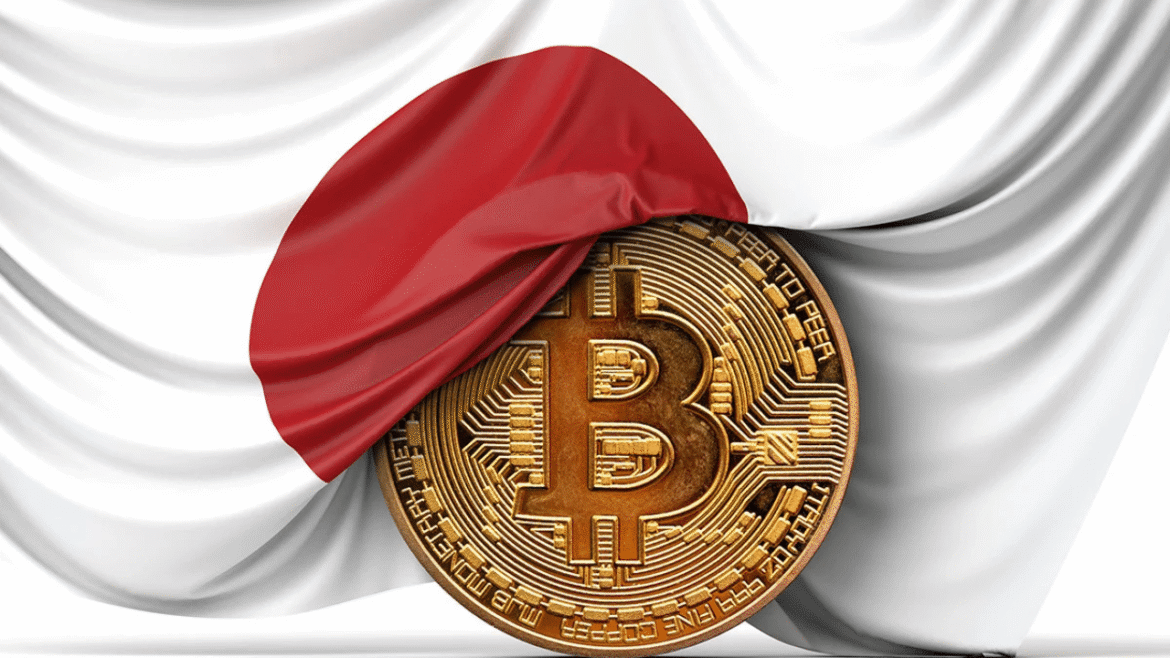
Bitcoin Reserve news US Japan
NFT Gaming

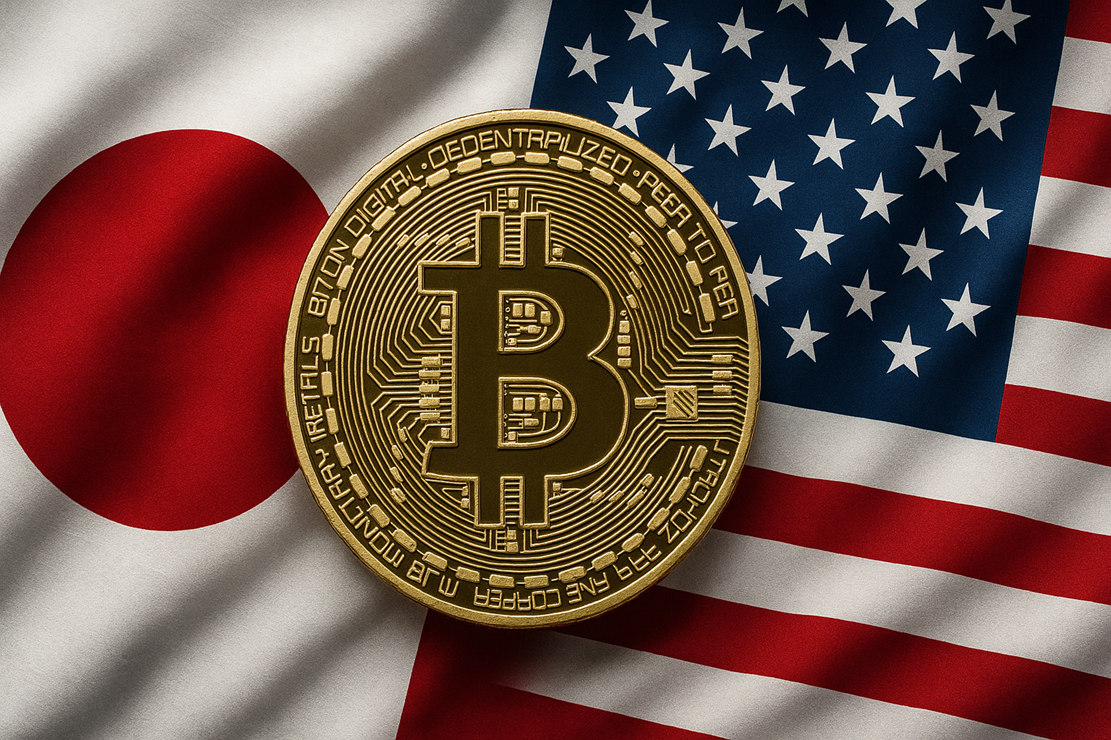
No US Bitcoin Reserve Without Japan, Bitwise Exec Argues

by admin September 4, 2025


Trusted Editorial content, reviewed by leading industry experts and seasoned editors. Ad Disclosure

In a CoinStories interview with Nathalie Brunell, Jeff Park, Head of Alpha Strategies at Bitwise Asset Management, argued that US sovereign Bitcoin holdings are a matter of “when,” not “if”—but only via a deliberate, legislated process and likely in concert with key allies.

Park stated plainly: “It will be inevitable that governments will buy Bitcoin on their balance sheet. This is something I feel very strongly,” adding that advocates should “be patient” because it is “not likely a rogue decision.”

He drew a firm distinction between an executive action and a durable national policy: “There’s a difference between an executive order mandate to buy Bitcoin as a strategic asset versus a congressional mandate,” he said. Executive orders are “volatile” and “can be turned by the next administration,” whereas a legislated strategic reserve “embed[s] the mandate of the people.”

Why The US Bitcoin Reserve May Hinge On Japan

Crucially, Park framed the US Bitcoin reserve as an allied, not unilateral, project. The United States, he said, operates within an economic “social contract” with partners such as Japan. A surprise US pivot into BTC would risk trust: “It would be a slight betrayal of that social contract if you were to stuff, let’s say, Japan with all your long-dated Treasury bonds and then didn’t give them a heads up and just bought Bitcoin on your own.”

As a practical indicator, he flagged Tokyo: “I think Japan is the one you should be paying attention to… Once you start seeing Japan embrace Bitcoin then I do think we’re ready for that dialogue to happen at the country levels.”
Park also cautioned that sovereign BTC seen today mostly reflects legal seizures rather than market accumulation.

“Most of the core treasury holdings of sovereigns have so far come from seizures or forfeitures,” he said, citing the US and China. He dismissed coercive domestic takings as inconsistent with US norms: using eminent domain against a compliant private entity would cross a line “the US generally is not on that side of history for.”

Open-market accumulation at scale, meanwhile, would be price-disruptive. Instead, he pointed to a more American pathway through market structures and public-private alignment: “If you think about the construct of Fannie Mae and Freddie Mac… you could still have a private entity that is able to extend credit for the American people,” suggesting that “Bitcoin treasury companies can be… private, yes, but aligned with kind of the national mission.”

Park’s monetary rationale threads these points together. Post-2008 policy has elevated “abundant reserves” and technocratic rate-setting, making scarce collateral strategically valuable. Within that context, he said, “Bitcoin is the scarcest, hardest asset known to man and it is the social covenant that I think will supersede the dollar as we’ve known it in a way that hopefully in the future will be synergistic for both American exceptionalism.”

Park’s conclusion is exacting rather than speculative: governments buying Bitcoin is “inevitable,” but a US move requires congressional authorization, signaling and coordination with allies—particularly Japan—and institutional mechanisms capable of execution at size without violating core property-rights norms.

At press time, BTC traded at $111,103.

BTC faces the EMA20 as resistance, 1-day chart | Source: BTCUSDT on TradingView.com

Featured image created with DALL.E, chart from TradingView.com

Editorial Process for bitcoinist is centered on delivering thoroughly researched, accurate, and unbiased content. We uphold strict sourcing standards, and each page undergoes diligent review by our team of top technology experts and seasoned editors. This process ensures the integrity, relevance, and value of our content for our readers.



Source link

September 4, 2025 0 comments
0 FacebookTwitterPinterestEmail
Japan Post Bank Blockchain
GameFi Guides

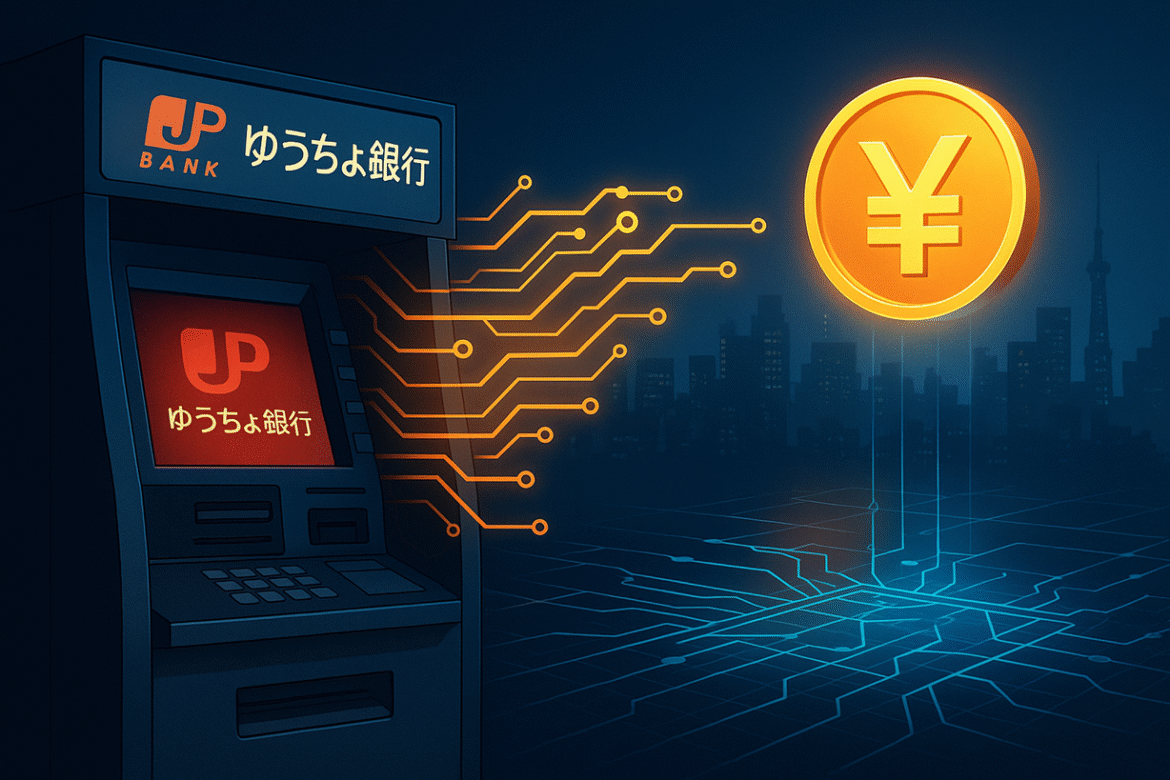
Japan Post Bank To Give Digital Yen Access To $1.3T Deposits

by admin September 3, 2025


Trusted Editorial content, reviewed by leading industry experts and seasoned editors. Ad Disclosure

Japan Post Bank is moving toward a blockchain-based yen currency for depositors, with a launch planned by the end of fiscal year 2026.

Japan Post Bank Taps Into Blockchain For Digital Yen

As reported by Reuters, Japan Post Bank is planning to launch a digital yen in the coming year. Japan Post Bank is a Tokyo-headquartered bank that originally started as a postal savings system back in 1875 and today manages around 190 trillion (nearly $1.3 trillion in US dollars) in deposits.

Historically fully owned by the Japanese government, the institution opened up to private shareholders in 2007, but still counts the Japanese state among its backers.

Now, it seems the bank wants to bring its massive depositor base into the blockchain era. The new currency, known as “DCJPY,” will be developed by DeCurret DCP, a Japanese digital currencies platform, and will be backed 1:1 by fiat yen.

The two companies plan to issue the digital yen by the end of fiscal year 2026. After its launch, the bank’s users will be able to convert their funds into DCJPY and participate in blockchain-based transactions.

While DCJPY will use blockchain technology, it will be different from a stablecoin. Stablecoins are cryptocurrencies pegged to a fiat currency that are typically available for trading on public exchanges and other platforms. Meanwhile, DCJPY will be a deposit-based token available within the financial system of Japan Post Bank.

The bank isn’t the first financial institution in the country to launch a blockchain product like this. Last year, GMO Aozora Net Bank also started a similar digital yen offering.

Speaking of stablecoins, these cryptocurrencies have been witnessing a legislative push in Asia lately, with Hong Kong releasing its stablecoin bill at the start of August and South Korea expected to launch its framework in October.

Japan introduced its stablecoin legislation back in 2022. So far, no yen-backed stablecoins have been approved, but according to a report, one could gain the green light from regulators as soon as October.

The fiat-tied digital assets have recently been observing some notable growth and exploring new all-time highs (ATHs), according to data from MacroMicro.

The trend in the stablecoin market cap over the last several years | Source: MacroMicro

From the chart, it’s visible that the stablecoin market cap saw a slump in 2022-23, but 2024 brought a reversal as growth returned in the space. The end of the year then witnessed acceleration in the metric, which has continued into 2025.

Today, the combined stablecoin market cap sits at about $282.6 billion, a fresh record.

Bitcoin Price

At the time of writing, Bitcoin is trading around $109,500, unchanged from one week ago.

Looks like the price of the coin has been moving sideways since its plunge | Source: BTCUSDT on TradingView

Featured image from Dall-E, MacroMicro.com, chart from TradingView.com

Editorial Process for bitcoinist is centered on delivering thoroughly researched, accurate, and unbiased content. We uphold strict sourcing standards, and each page undergoes diligent review by our team of top technology experts and seasoned editors. This process ensures the integrity, relevance, and value of our content for our readers.



Source link

September 3, 2025 0 comments
0 FacebookTwitterPinterestEmail
Toyota And Avalanche To Build Blockchain Robotaxis In Japan
Crypto Trends

Toyota and Avalanche to Build Blockchain Robotaxis in Japan

by admin September 2, 2025


Toyota Blockchain Lab and Avalanche have teamed up in Japan to build blockchain-powered robotaxis. The two companies are designing the Mobility Orchestration Network (MON), a proof-of-concept that uses Avalanche’s multichain technology and Interchain Messaging (ICM). 

According to their research, the mission is to build a reliable and efficient system that supports self-driving robotaxi fleets and transforms the way people think about vehicle financing, insurance, and tracking.

This initiative is rooted in the Mobility Orchestration Network (MON), a proof-of-concept that leverages Avalanche’s multichain and Interchain Messaging (ICM) technology. The MON is designed to manage everything from vehicle financing and insurance to ride-sharing and carbon credit tracking, all while making ownership transfers in secondary markets a breeze.

Understanding Mobility, Source: Toyota-Blockchain-Lab

Building Blockchain-Powered Robotaxi Models

Toyota and Avalanche believe robotaxis could become the most disruptive use case for blockchain within transportation. Roi Hirata, head of Japan at Ava Labs, explained that on-chain fundraising and leasing models could empower anyone to launch a robotaxi service. 

He stated, “The payments, the leasing, you can actually start your own robotaxi services by raising funds on-chain, with some kind of security token system.”

This design allows investors to manage their fleets entirely on-chain, tracking performance and ownership records without relying on intermediaries. Hence, blockchain becomes the backbone of the business model.

Industry Barriers and Wider Opportunities

Despite progress, the vision requires regulators and manufacturers to align. Hirata noted that manufacturers are the toughest group to onboard. He emphasized, “There’s always an official record in different countries, different formats. So having that and the manufacturer working together on a blockchain is the most key task that we have to tackle.”

Besides robotaxis, the MON highlights blockchain’s potential to tokenize mobility itself. Vehicle tracking remains complex, but blockchain could streamline it through decentralized applications and standardized records. Consequently, investors are eyeing tokenized mobility as a future growth market.

Additionally, Avalanche is expanding real-world asset (RWA) tokenization. Grove, backed by Steakhouse Financial, aims to tokenize $250 million worth of RWAs on Avalanche with Janus Henderson, a $373 billion asset manager. 

Meanwhile, Avalanche just confirmed on X that the Foundation network has now processed over four billion transactions.

Toyota and Avalanche are testing robotaxis and also pushing blockchain into real mobility markets, where adoption could change transportation forever.

Also Read: SonicStrategy Secures $40M Boost Toward Nasdaq Listing Ambitions


Source link

September 2, 2025 0 comments
0 FacebookTwitterPinterestEmail
Decrypt logo
Crypto Trends

Coincheck to Acquire French Crypto Brokerage Aplo in Push Beyond Japan

by admin September 2, 2025


In brief

  • Japanese crypto exchange Coincheck plans to acquire French digital asset prime brokerage Aplo.
  • Aplo’s founders will remain with the firm and continue expansion under Coincheck’s umbrella.
  • The deal marks Coincheck’s latest effort to broaden institutional and retail offerings abroad.

Coincheck, one of Japan’s largest cryptocurrency exchanges, said Tuesday it plans to acquire French digital asset prime brokerage Aplo in a move designed to accelerate its expansion outside its home market. The deal, structured as a stock purchase agreement, is expected to close in October.

“As part of its business strategy, Coincheck Group is actively exploring potential opportunities to make acquisitions and strategic investments both inside and outside of Japan,” the company said in a statement.

Coincheck did not reveal the value of the deal or immediately respond to Decrypt for additional details.

Founded in 2014, Coincheck has grown into Japan’s most downloaded crypto trading app and listed its shares on the Nasdaq in 2024. The exchange, which suffered a $534 million hack in 2018, has since rebounded, reporting a 15% increase in customer assets in its most recent annual financial report to ¥859.2 billion ($5.7 billion), alongside a 44% jump in trading volume to ¥337.5 billion ($2.25 billion).


Crypto industry consolidation

Coincheck’s planned purchase is part of a wider spree of consolidation across the global digital asset industry as regulatory clarity and institutional adoption continue to rise.

Coinbase completed its $2.9 billion acquisition of derivatives exchange Deribit last month, as well as Liquifi in July. Over the last few months, Ripple also bought Galaxy-backed stablecoin issuer Rail for $200 million, and Citi-backed Talos struck a $100 million deal for analytics firm Coin Metrics.

That said, not every attempt has succeeded. Bitcoin miner Core Scientific’s biggest shareholder recently blocked a proposed $9 billion takeover by CoreWeave.

For Coincheck, acquiring Aplo is intended to accelerate the French firm’s product roadmap, broadening financing solutions such as cross-margining and deferred settlement, expanding liquidity access across jurisdictions and supporting banks interested in deploying Aplo’s platform for their own customers.

Aplo, founded in 2019, has built a trading application and infrastructure serving over 60 institutional clients. It is registered with France’s financial regulator AMF and is pursuing a full license under the European Union’s crypto framework, MiCA. All four founders will remain with the firm after the deal closes.

“Aplo brings us proven technology, expertise recognized by institutional clients in Europe, and a high performance team with an entrepreneurial culture,” said Coincheck CEO Gary Simanson.

He added that the deal would leave the firms “better positioned to meet the needs of institutional crypto investors,” including plans to provide a B2B2C offering to “banks looking to make crypto investing available to their customers.”

Daily Debrief Newsletter

Start every day with the top news stories right now, plus original features, a podcast, videos and more.


Source link

September 2, 2025 0 comments
0 FacebookTwitterPinterestEmail
China, Japan, and other countries to challenge USD-pegged stablecoins crusade
NFT Gaming

China, Japan, and other countries to challenge USD-pegged stablecoins crusade

by admin August 28, 2025


A lot was said about how the U.S. economy can benefit from USD-pegged stablecoins, especially now, when the GENIUS Act provides a clearer framework for the issuers. But can other countries benefit from issuing stablecoins pegged to their respective national currencies? Yes, they can, and several countries are already joining the race.

Summary

  • USD-pegged stablecoins strengthen the U.S. dollar; hence, other countries are trying to galvanize their local currencies through issuing stablecoins.
  • If the dominance of the USD-pegged stablecoins is downplayed, it may siphon away deposits from local banks.
  • Japan and China are working on their national stablecoins, while the European Union is busy creating a CBDC on Ethereum and Solana.

USD-pegged stablecoins as a medicine for the U.S. economy

The U.S. has rejected plans to develop a central bank-issued digital dollar. Critics of the digital dollar cited privacy issues–the central bank shouldn’t have that much control and data over transactions that people make. 

Instead, the government encouraged the private and public companies to issue stablecoins–private blockchain-based money backed by real assets 1:1, usually by U.S. dollars or the U.S. Treasury bills. Most stablecoins out there are pegged to USD (99% of all are pegged to USD), so each of them has a value equal to one U.S. dollar. Stablecoin issuers don’t generate yield directly on stablecoins, but they do earn interest by holding U.S. Treasury bills that back those coins. 

🌐INSIGHT: U.S. dollar dominance on-chain: USD is the most widely tokenized currency, while no euro stablecoin ranks among the top 20 by supply.

Source: Token Terminal 📊 pic.twitter.com/1cBRwDe8BV

— CryptosRus (@CryptosR_Us) August 24, 2025

While it may look like the government gave away its benefit of control and favored the market, actually, it creates new growth opportunities for the companies that issue stablecoins and buy American dollars and t-bills as they must back their stablecoins 1:1. This condition is required by the GENIUS Act signed by President Donald Trump on July 18, 2025. 

As stablecoins are circulating freely across the globe and are very popular in the Global South, where local currencies are losing value against USD, these countries’ residents eagerly use USD-pegged stablecoins for remittances and as a savings asset. Their demand for the USD-pegged stablecoins boosts the demand for USD and t-bills as issuers have to back their stablecoins with these assets.

Explaining how stablecoins work for the U.S. economy, BitMEX exchange co-founder Arthur Hayes wrote in his newsletter, using the biggest USD-pegged issuer Tether as an example:

“The business model of Tether is very simple. Receive dollars, issue a digital token that rides on a public blockchain, invest the dollars in T-bills, and earn the [net interest margin, which is the Federal Reserve-set interest rate]. [The U.S. Secretary of the Treasury Scott] Bessent will ensure that issuers that the empire will tacitly support by law can only hold dollars in a chartered US bank, and or treasury debt securities. No funky stuff.”

Hayes stresses that most countries — except mainland China — use American social media apps. If these platforms begin supporting USD-pegged stablecoin transfers, it could trigger major capital outflows from the Global South and sharply boost demand for the U.S. dollar. More than that, it may effectively replace local banks with the U.S.-controlled digital currency. 

On Aug. 26, Trump vowed to impose substantial tariffs on countries that try to “discriminate against American Technology” through digital taxes and digital market regulations. It means that fighting against the implementation of stablecoin transactions on, say, WhatsApp would be a costly move for other countries.

“With the Dollar backed stablecoins, you’ll help expand the dominance of the US Dollar […] It will be at the top, and that’s where we want to keep it”

What he means is:

with Dollar backed stablecoins, the Global South will pivot towards digital Dollars over local currencies,… pic.twitter.com/ZIFQio5cA4

— L0la L33tz is more fun on Nostr (@L0laL33tz) March 20, 2025

When the U.S. is printing dollars, it devalues USD reserves held by countries abroad. No wonder lately many countries have preferred to buy more gold. The conjunction of American stablecoins and the power of American Tech may turn the USD into a stronger currency than it is now. 

The downside is that it will make exporting from the U.S. too expensive. Given that Trump wants to boost the U.S. manufacturing and exports, a strong dollar may not be the way to go. Some might argue that the growing value of the American dollar makes the U.S. national debt even a bigger problem, but demand for stablecoins drives the demand for t-bills, gradually paying off the debt.

China gets closer to launching a yuan-pegged stablecoin

China is one of the few countries that has its own powerful social media giants, like WeChat. Launching a yuan-pegged stablecoin may see an effect similar to what the U.S. is doing. China’s economy is heavily export-driven. In that context, stablecoins could become a more attractive tool than yuan-based bank transfers, offering instant and low-cost remittances.

Thus, Chinese authorities decided not to wait until American stablecoins would replace the yuan. In 2021, China launched digital yuan, a CBDC that didn’t gain much traction, however, losing popularity to services like WeChat Pay and AliPay.

In May 2025, Hong Kong adopted the Stablecoins Bill, which allows the issuance of stablecoins backed by Chinese assets. On Aug. 20, it was reported that the State Council of China is working on launching a yuan-pegged stablecoin for international trade.

In the event that yuan-pegged bank-issued stablecoins become reality, they may counterpoise the American dollar-pegged stablecoin invasion. Given that the renminbi’s market share dropped below 3% (the USD share is above 47%), China has something to go after.

Yen-pegged stablecoin will soon be launched in Japan

Monex Group is a Tokyo-based financial company. It made headlines on Aug. 26, when it revealed ambitious plans to launch a yen-pegged stablecoin. Monex is trying to repeat America’s formula. As Japan lacks social media resources that the U.S. and China have, the yen stablecoin has somewhat limited prospects in this race. 

Nevertheless, the company aims to back its coins with Japanese government bills. Stablecoins are set to serve for cross-border remittance and corporate trades. The project may get a boost from Coincheck, a crypto exchange owned by Monex Group. More than that, Monex chairman Oki Matsumoto claims Monex is going to acquire several European crypto companies, which will widen Monex’s stablecoin platform. The stablecoin launch is scheduled for the fall of 2025.

European Union’s efforts

European Central Bank economist Piero Cipollone cited the growing USD-pegged stablecoins as the reason for rushing a launch of the digital euro. In the growing de-dollarization narratives, the digital euro may come as a possible replacement for the U.S. dollar.

On Aug. 22, 2025, it was revealed that to speed up the launch of the digital euro, the EU is considering using a public blockchain, namely Ethereum and Solana, instead of creating a private blockchain controlled by the central bank.

The news was met with criticism from the crypto community. According to multiple commenters, if launched on Solana or Ethereum, the digital euro will be the worst variant of a CBDC. Transaction data will be available on public blockchains, while the central bank will have even greater control over transaction data.

There are several euro-pegged stablecoins in circulation; however, combined, they make up only 0.2% of the entire stablecoin market. Given that Europe doesn’t have products like Meta or WeChat that could boost the adoption of Euro stablecoins dramatically, it’s not clear how strong it can be in the ongoing race.


Source link

August 28, 2025 0 comments
0 FacebookTwitterPinterestEmail
Decrypt logo
NFT Gaming

Metaplanet Joins FTSE Japan Index, Continues to Stack Bitcoin

by admin August 25, 2025


In brief

  • FTSE Russell’s September review has elevated the company from small-cap to mid-cap status.
  • Eric Trump, a strategic adviser since March, is expected to attend the company’s next shareholder meeting in Tokyo.
  • The inclusion will channel passive investment flows into a balance sheet centered on Bitcoin, though not without risks, analysts told Decrypt.

Metaplanet, a Tokyo-listed hotel group that over the past year has recast itself as Asia’s most active Bitcoin treasury firm, will be added to the FTSE Japan Index, further embedding the world’s largest digital asset into mainstream equity portfolios.

The change was confirmed in an announcement from FTSE Russell’s September 2025 semi-annual review on Friday, which upgraded Metaplanet from small-cap to mid-cap status, with the index inclusion taking effect after market close by September 19.

Metaplanet’s inclusion marks another “important milestone” as it attempts to stay “as Japan’s leading Bitcoin treasury company, CEO Simon Gerovich wrote Sunday on X.


Shortly after Gerovich announced the inclusion, the company disclosed the purchase of an additional 103 BTC, bringing total holdings to 18,991 BTC.

It also updated its capital structure, saying 49,000 stock acquisition rights were exercised in the week of August 18–22, adding 4.9 million shares and lifting the total to 722 million, a step that funds further Bitcoin purchases but leaves each existing investor with a smaller slice of the company.

Eric Trump, appointed as a strategic adviser to Metaplanet in March, will reportedly attend Metaplanet’s next shareholder meeting in Tokyo in September, according to a Friday report from Bloomberg.

Part of the FTSE global equity index series, the FTSE Japan Index tracks mid and large-cap companies listed in Japan. Funds that track the index automatically buy the stocks it lists.

Passive inflow effects

Metaplanet’s inclusion in the FTSE Japan and All-World indices creates a “regulated route for BTC exposures” and “paves the way for other crypto-forward companies to join major benchmarks,” Vincent Liu, chief investment officer at Kronos Research, told Decrypt.

In effect, “passive flows into the FTSE indices” could “channel institutional capital” into Metaplanet to offer indirect Bitcoin exposure, boosting “liquidity and long-term stability” despite risks where large movements “could still ripple through both equity and crypto markets,” Liu said.

At a structural level, the promotion “shows that Bitcoin treasury strategies don’t create barriers to index inclusion,” Ryan Yoon, senior analyst at Tiger Research, told Decrypt.

Metaplanet was likely evaluated “using standard criteria like market cap and trading volume, without separately considering their Bitcoin holdings,” he added.

However, the inclusion appears to represent “the existing index framework’s neutral approach rather than active crypto acceptance, “Yoon noted.

“Passive inflow effects exist structurally, but practical impact remains limited,” Yoon said, explaining that while pension funds and index funds automatically purchase Metaplanet shares when tracking FTSE Japan, it produces “small index weighting,” which means “minimal direct Bitcoin demand.”

What’s problematic, according to Yoon, is that investors might “think they’re making ‘diversified Japan equity investments’ while actually being exposed to both Bitcoin price volatility and the company’s execution capability in acquiring Bitcoin.”

Now at nearly 64% of its 2025 goal, once Metaplanet reaches its 210,000 BTC target, the dependency on Bitcoin could intensify and potentially create “unexpected volatility for passive investors who didn’t anticipate such crypto exposure,” Yoon said.

Daily Debrief Newsletter

Start every day with the top news stories right now, plus original features, a podcast, videos and more.


Source link

August 25, 2025 0 comments
0 FacebookTwitterPinterestEmail
Japan Targets 20% Crypto Tax, Bitcoin Etf &Amp; Stablecoin By 2026
Crypto Trends

Japan Targets 20% Crypto Tax, Bitcoin ETF & Stablecoin by 2026

by admin August 23, 2025


Japan is moving closer to a major overhaul of how it treats cryptocurrencies. Regulators want to make digital assets easier to own, trade, and invest in as part of a broader plan to turn the country into an “asset management nation.”

Tax Relief for Crypto Investors

Right now, crypto profits in Japan can be taxed at rates as high as 55%. That is far tougher than the 20% flat tax applied to stock and bond gains. The Financial Services Agency (FSA) is proposing a change that would bring crypto into the same 20% bracket. 

It also wants investors to be able to carry forward losses for three years, something already common in traditional markets. The idea is simple: reduce the burden on traders, encourage activity, and rebuild trust in the market.

The reform does not stop at taxation. The FSA is preparing to classify cryptocurrencies as financial products under the Financial Instruments and Exchange Act. That would put them in the same category as stocks and bonds, requiring stricter disclosure and insider trading rules. The shift would also clear the way for Japan’s first spot Bitcoin ETF, a product local industry groups have been lobbying for.

Stablecoins and Market Growth

The FSA is also planning to approve the country’s first regulated yen-based stablecoin. JPYC, issued by a Tokyo fintech firm, has set a target of 1 trillion yen, about $6.8 billion in circulation over three years. A stablecoin backed by clear regulation could make it easier for companies and investors to handle digital payments with less risk.

Japan’s crypto market is growing, with domestic trading volumes expected to double from $66.6 billion in 2022. Yet retail adoption lags badly. Surveys show 88% of Japanese residents have never owned Bitcoin. Regulators believe the 2026 reforms can change that by cutting barriers and bringing crypto closer to mainstream finance.

Also Read: SBI Holdings Forms Joint Venture With Circle to Advance USDC in Japan


Source link

August 23, 2025 0 comments
0 FacebookTwitterPinterestEmail
Sbi Holdings Forms Joint Venture With Circle To Advance Usdc In Japan
GameFi Guides

SBI Holdings Forms Joint Venture With Circle to Advance USDC in Japan

by admin August 23, 2025


SBI Holdings has announced the establishment of a joint venture with Circle Internet Holdings, the company behind USDC. The new entity will focus on promoting the use of USDC in Japan and developing related digital finance services.

The partnership aims to boost the adoption of USDC and unlock new use cases in payments, digital finance, and Web3 services. By combining SBI’s extensive financial network with Circle’s blockchain expertise, the venture aims to bridge key gaps in Japan’s digital asset market and provide investors with a trusted, regulated way to transact with stablecoins.

A Partnership Years in the Making

The joint venture builds on earlier agreements between the two companies.SBI signed a memorandum of understanding with Circle to explore USDC circulation in Japan in November 2023, and both parties signed a joint agreement in March 2025, which led to this launch.

The groundwork has already been laid. Earlier this year, SBI VC Trade—SBI’s crypto-asset exchange arm—became the first firm in Japan to register as an Electronic Payment Instruments Service Provider. That milestone allowed it to begin offering USDC trading services, making the stablecoin more accessible to Japanese investors.

“By leveraging the SBI Group’s financial infrastructure and Circle’s expertise, the two parties will contribute to advancing Japan’s digital financial ecosystem,” SBI Holdings said in its announcement.

SBI has also become a financial backer of Circle. Following Circle’s listing on the New York Stock Exchange in March 2025, the group purchased $50 million worth of Circle shares as a strategic investment.

Expanding Stablecoin and Web3 Horizons

The venture with Circle is part of SBI’s broader push into blockchain partnerships. Alongside USDC, the group is working with Ripple to roll out Ripple USD (RLUSD) in Japan and has teamed up with Singapore’s Startale to build a tokenized trading platform for stocks and real-world assets.

Also Read: Japan Prepares to Approve First Yen-Backed Stablecoins This Fall


Source link

August 23, 2025 0 comments
0 FacebookTwitterPinterestEmail
Volatility Shares launches first XRP futures ETF on Nasdaq
NFT Gaming

Ripple’s RLUSD to launch in Japan through SBI partnership by Q1 2026

by admin August 22, 2025


Ripple’s RLUSD stablecoin is set to debut in Japan in early 2026 through a distribution partnership with SBI Holdings and its crypto arm, SBI VC Trade.

Summary

  • Ripple’s RLUSD stablecoin will be distributed in Japan via SBI VC Trade under a new agreement.
  • The Japan rollout follows Ripple’s RLUSD gaining regulatory approval in Dubai and comes as Japan prepares to issue its first official stablecoin.

Ripple (XRP) announced today that it will begin distributing its U.S. dollar–backed stablecoin, Ripple USD (RLUSD), in Japan during the first quarter of 2026 in partnership with SBI Holdings, a Japanese financial conglomerate. The rollout will be handled by SBI VC Trade, the licensed crypto exchange unit of SBI, under a newly signed memorandum of understanding between the two firms.

“The introduction of RLUSD will not just expand the option of stablecoins in the Japanese market, but is a major step forward in the reliability and convenience of stablecoins in the Japanese market, and an important step in further accelerating the convergence of finance and digital technology,” said SBI VC Trade CEO Tomohiko Kondo.

“RLUSD is designed to be a true industry standard, providing a reliable and efficient bridge between traditional and decentralized finance. We are confident that this partnership will not only drive stablecoin utility in Japan but also set a new benchmark for the entire market,” said Jack McDonald, Ripple’s Senior Vice President of Stablecoins.

Ripple’s RLUSD: market position and global expansion

Ripple’s RLUSD stablecoin, first launched in December last year, is fully collateralized by U.S. dollar deposits, short-term Treasury securities, and other liquid cash equivalents, with independent monthly attestations. As of August, it holds a market capitalization of $666 million, ranking as the eighth-largest stablecoin by market value, just behind PayPal USD, according to CoinMarketCap’s stablecoin rankings.

The expansion into Japan coincides with the country’s preparations to launch its first officially sanctioned stablecoin. It also follows Ripple securing approval from the Dubai Financial Services Authority in early June, which enabled RLUSD’s integration into the region’s payment platforms.


Source link

August 22, 2025 0 comments
0 FacebookTwitterPinterestEmail
Decrypt logo
NFT Gaming

Ripple and SBI to Launch RLUSD Stablecoin in Japan by Early 2026

by admin August 22, 2025


In brief

  • Japan’s Payment Services Act amendments, effective since 2023, created a licensing regime for issuing and distributing fiat-pegged stablecoins.
  • SBI VC Trade, the first firm licensed as an Electronic Payment Instruments Exchange Service Provider, already handles USDC and will now add RLUSD.
  • Japan has a structured and bank-friendly crypto regime, while its local players place a premium on compliance, Decrypt was told.

Ripple and SBI Holdings are preparing to launch the RLUSD stablecoin in Japan by early next year, as the country’s freshly crafted stablecoin laws open its market to foreign issuers.

The joint move was signed under a memorandum of understanding that will see Ripple’s RLUSD stablecoin distributed in Japan through SBI VC Trade, the group’s licensed crypto exchange, Ripple announced late Thursday evening.

Ripple’s entry would help step up the “reliability and convenience of stablecoins in the Japanese market,” SBI VC Trade CEO Tomohiko Kondo said in a statement.


It comes as Japan’s Payment Services Act amendment took effect in June 2023, establishing a licensing regime for electronic payment instruments. An earlier version of the stablecoin framework was passed by the Japanese parliament in 2022.

The framework has been continuously refined through new amendments set to roll out by 2026, including relaxed reserve requirements and updated licensing tiers, according to a report from Asia Business Law Journal.

Under the new rules set to take effect next year, only licensed entities such as fund transfer service providers or trust banks can issue or distribute fiat-pegged stablecoins, a framework that has opened the door to regulated launches like RLUSD.

SBI VC Trade was the first in Japan to secure an Electronic Payment Instruments Exchange Service Provider license, allowing it to handle foreign-issued stablecoins.

“Japan quietly has a very structured and bank-friendly crypto regime given its continuously revised Payment Services Act,” Rick Maeda, Tokyo-based analyst at Presto Research, told Decrypt.

Ripple “leverages this regulatory moat as well as SBI’s deep retail and institutional reach,” Maeda said.

He pointed to RLUSD’s “institutional branding and reserve transparency,” which could help it against competitors, given how the Japanese market’s regulators, banks, and corporates “place a premium on compliance.”

Earlier in March, NYSE-listed stablecoin issuer Circle received the first approval of a U.S. dollar-pegged stablecoin in Japan for its USDC product. Tether, which issues USDT, a larger competing stablecoin, has not received similar approval.

RLUSD, meanwhile, operates with a smaller market circulation of about $667 million over an average daily trading volume of about $71 million, according to data on CoinGecko.

RLUSD is issued under a New York State trust-company charter, backed fully by cash, short-term Treasuries, and cash equivalents with monthly reserve attestations, according to Ripple.

Daily Debrief Newsletter

Start every day with the top news stories right now, plus original features, a podcast, videos and more.


Source link

August 22, 2025 0 comments
0 FacebookTwitterPinterestEmail
  • 1
  • 2
  • 3

Categories

  • Crypto Trends (1,098)
  • Esports (800)
  • Game Reviews (772)
  • Game Updates (906)
  • GameFi Guides (1,058)
  • Gaming Gear (960)
  • NFT Gaming (1,079)
  • Product Reviews (960)

Recent Posts

  • This 5-Star Dell Laptop Bundle (64GB RAM, 2TB SSD) Sees 72% Cut, From Above MacBook Pricing to Practically a Steal
  • Blue Protocol: Star Resonance is finally out in the west and off to a strong start on Steam, but was the MMORPG worth the wait?
  • How to Unblock OpenAI’s Sora 2 If You’re Outside the US and Canada
  • Final Fantasy 7 Remake and Rebirth finally available as physical double pack on PS5
  • The 10 Most Valuable Cards

Recent Posts

  • This 5-Star Dell Laptop Bundle (64GB RAM, 2TB SSD) Sees 72% Cut, From Above MacBook Pricing to Practically a Steal

    October 10, 2025
  • Blue Protocol: Star Resonance is finally out in the west and off to a strong start on Steam, but was the MMORPG worth the wait?

    October 10, 2025
  • How to Unblock OpenAI’s Sora 2 If You’re Outside the US and Canada

    October 10, 2025
  • Final Fantasy 7 Remake and Rebirth finally available as physical double pack on PS5

    October 10, 2025
  • The 10 Most Valuable Cards

    October 10, 2025

Newsletter

About me

Welcome to Laughinghyena.io, your ultimate destination for the latest in blockchain gaming and gaming products. We’re passionate about the future of gaming, where decentralized technology empowers players to own, trade, and thrive in virtual worlds.

Recent Posts

  • This 5-Star Dell Laptop Bundle (64GB RAM, 2TB SSD) Sees 72% Cut, From Above MacBook Pricing to Practically a Steal

    October 10, 2025
  • Blue Protocol: Star Resonance is finally out in the west and off to a strong start on Steam, but was the MMORPG worth the wait?

    October 10, 2025

Newsletter

@2025 laughinghyena- All Right Reserved. Designed and Developed by Pro


Back To Top
Laughing Hyena
  • Home
  • Hyena Games
  • Esports
  • NFT Gaming
  • Crypto Trends
  • Game Reviews
  • Game Updates
  • GameFi Guides
  • Shop

Shopping Cart

Close

No products in the cart.

Close