Laughing Hyena
  • Home
  • Hyena Games
  • Esports
  • NFT Gaming
  • Crypto Trends
  • Game Reviews
  • Game Updates
  • GameFi Guides
  • Shop
Tag:

Industry

Tokyo Game Show: Flashy booths mask economic and industry anxiety | Opinion
Esports

Tokyo Game Show: Flashy booths mask economic and industry anxiety | Opinion

by admin October 3, 2025


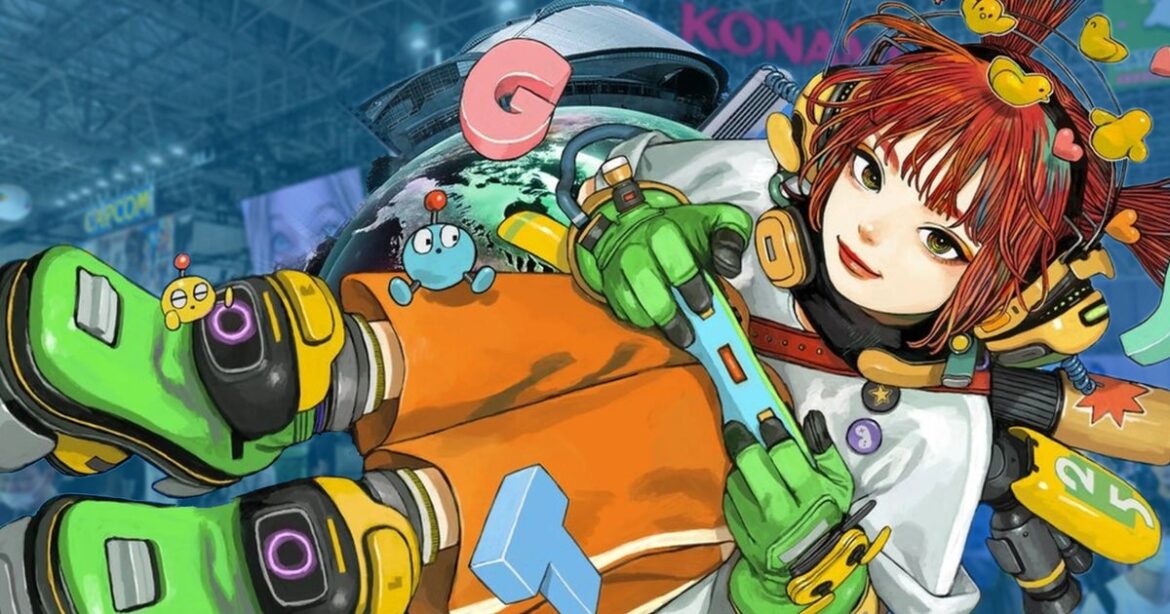
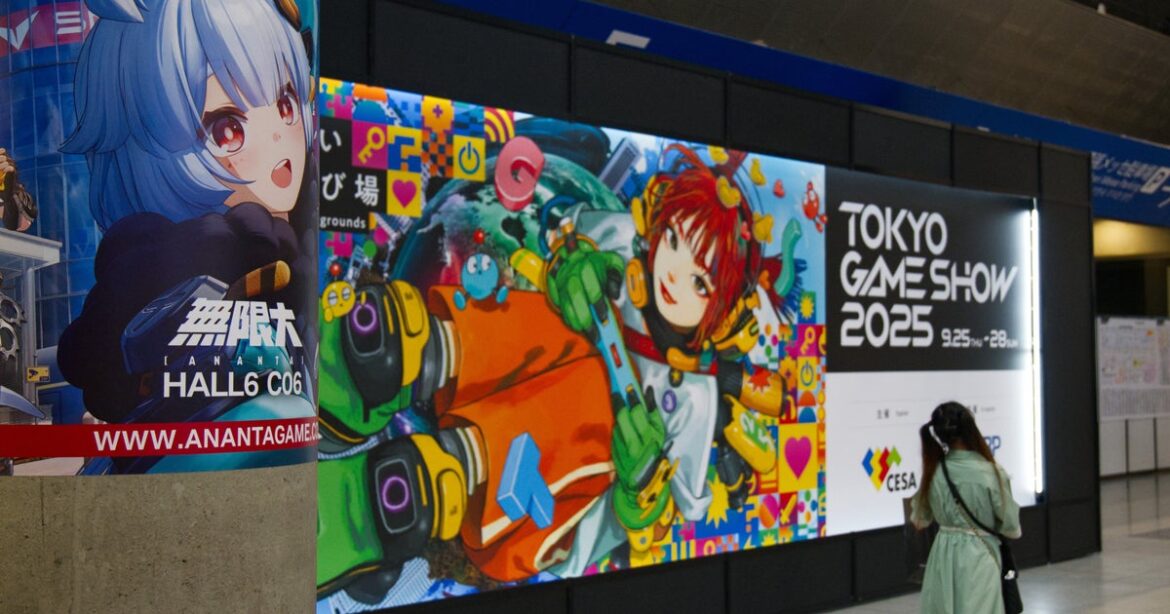
Although Japanese games are finding increasing presence in the global gaming marketplace, something felt off when visiting Makuhari Messe for this year’s Tokyo Game Show (TGS).

Many of the big companies in Japanese console and PC gaming held relatively light showcases, limited to already released titles or games set to release within the coming weeks and months.

Sega’s biggest games on display were Sonic Racing: Crossworlds, which was released on day one of TGS, and Like a Dragon 3: Kiwami, the newly announced remake of the early PS3 title. Konami had the Japan-only latest entry in the Momotaru Densetsu series, a sequel to the best-selling third-party title in Japan and set for release in just six weeks’ time, along with Silent Hill f, another title that had already been released by the time the show kicked off.

Silent Hill f | Image credit: Konami

Level-5 were present at the event to showcase Inazuma Eleven: Victory Road and Professor Layton and the New World of Steam, set for release in November and 2026, respectively. But the company had already showcased these two games at last year’s event, where Level-5 also had Fantasy Life i on show. Other titles on their slate – such as Decapolice, showcased with a public demo at TGS in 2023 but delayed to 2026 to address feedback – were nowhere to be seen.

Similar summaries can be given for Sony, Square Enix, and Bandai Namco: the latter’s showcase was limited to new entries releasing this autumn in the Digimon, Little Nightmares, and Katamari series.

Rather than offering a glimpse into the future of next year or beyond, the show felt absent of anything exciting for those playing on console or PC. Indeed, aside from Capcom – whose booth was by far the most popular as it shared the first domestic glance of their 2026 lineup, including Resident Evil: Requiem (with a global-debut preview of the Switch 2 version) and Pragmata – Japanese publishers and developers were not the draw for many fans attending TGS.

Why were Japanese developers lacking in new titles, and what was capturing the imagination of fans instead? To understand that, it may be worth first leaving the showfloor and looking elsewhere.

Akihabara may have lost some of its lustre as Japan’s otaku capital on the cutting-edge of Japanese anime and gaming culture, but it’s still a strong indicator of what hardcore audiences of these mediums are engaging with most. Visit the city recently, however, and you’ll notice something has changed. Billboards that were once plastered with promotions for major upcoming anime and games are near-permanently rotated between an array of promotions for in-game events for ongoing free-to-play titles from East Asian studios based outside Japan, like Genshin Impact.

Animate Akihabara, Japan’s biggest anime retailer, currently promotes the Nikke collaboration with Resident Evil at its entrance. The central exit of Akihabara Station has even been renamed after Yostar, the Shanghai-based developer and publisher of Azur Lane and Blue Archive.

While the mobile free-to-play boom of the 2010s may have reached its apex with a strong recovery of traditional gaming propelled by the Nintendo Switch, that’s not to say these games don’t remain a dominant part of the Japanese gaming landscape. In-app purchases for mobile games reached $11 billion in 2024 according to Sensor Tower, and considering the growing trend of these free-to-play titles finding an audience on console and PC alongside the minimal appetite for premium titles, it’s likely the true spend on free-to-play games in Japan is higher than these reported numbers.

What differentiates the free-to-play market today in Japan compared with ten or even five years ago is how much more difficult it is to launch a successful new title against established favourites in the sector. Without brand recognition at the developer or IP level, you need to do something to get your game in front of as many people willing to spend money as possible.

Anything that can help a title to stand out and increase brand awareness can make a difference, and TGS is a high-profile way to make an impression. That said, it’s a risk – while a 3m x 3m booth can cost as little as 385,000 yen, a large-scale booth can cost millions of yen before staffing and construction.

In a preview of the 2025 CESA Video Game Industry Report handed to the press attending TGS, one thing stood out: while the Japanese games industry did grow by 3.4% last year to 2,396 billion yen, this growth can mostly be attributed to the mobile gaming market. Indeed, the console market has shrunk from 395 billion yen to 383 billion yen since 2020. The market for non-mobile gaming has only grown overall in this period thanks to the more than 100% growth in the PC market, from 122 billion yen to 265 billion yen in the same period.

For every demographic between 5 and 60 years old, mobile player counts among Japanese players either remain in line with players on console or, for those aged 15 years or older, exceed it.

While the most common primary or secondary platform for console or mobile players is Nintendo Switch, even the Nintendo DS and 3DS era of consoles is more popular than both the PS4 and, below that, PS5 in the eyes of the general population, where much of the high-budget headline-grabbing major games are being developed. With a PS5 costing 80,000 yen, compared with the 50,000 yen for a Switch 2, it’s simply too pricey for many players (something that’s also a factor in terms of the player base for the console skewing older).

The big money is in mobile gaming, and getting even a small slice of that pie can lead to big returns. The risk is worth taking.

Every year at TGS, alongside the typical line-up of major Japanese publishers and select international partners, a few free-to-play titles take to the show floor. By spending big on a flashy booth with even flashier female models handing out fliers and freebies, they hope to generate word of mouth on their upcoming or already launched free-to-play games. This year, it felt overwhelming seeing how many of these booths littered the show floor, and to what extreme lengths they would go to provoke attention from the hordes of players attending the event.

Lots of the buzz on the show floor centred around Ananta

They filled the void left by a lack of eye-catching games to command long lines from major studios. Instead, in terms of already released titles, fans flocked to booths for Love and Deepspace, Infinity Nikki, Nikke, and more in order to take photos with their favourite characters, snag exclusive merchandise, and interact with other fans. Among the unreleased games vying for the attention and anticipation of attending fans, lots of the buzz on the show floor centred around Ananta, the new free-to-play open-world action game developed by Naked Rain and published by NetEase, targeting PC, PS5, and mobile.

The game consistently enjoyed long lines throughout the event, with large backpacks designed after the game’s main character ever present on the show floor throughout. While online reactions have noted the game’s many similarities to the likes of Insomniac’s Spider-Man titles, Like a Dragon, Uncharted, Grand Theft Auto, and more, reaction from those playing the demo was relatively positive. For all that it aped these popular games from other studios (personally, I felt it also wasn’t fully able to mesh these ideas or refine them enough to be enjoyable in their own right or feel cohesive in the same project), many relished the idea of enjoying these mechanics within a more appealing anime aesthetic tailored to the Asian and Japanese markets.

Among the other free-to-play games enjoying long lines at the show were Smilegate’s Miresi: Invisible Future and another NetEase title, Sword of Justice.

Players at Tokyo Game Show 2025 | Image credit: Alicia Haddick

There are other reasons these games are once again growing in the post-COVID Japanese market, years after the initial mobile boom came to an end. Though the huge player numbers and overall market spend are eye-catching figures for studio executives, the spend per user on mobile games is significantly lower than those who are primarily console or PC players. High revenue is offset by high spenders, a point emphasized by a recent survey noting 18.8% of respondents admitted prioritizing gacha spending over essentials including rent.

While Japanese players are more willing to spend money on free-to-play games – Sensor Tower research noted that although 80% of Japanese mobile game downloads came from overseas, revenue for these titles came 70% from domestic players – there remains a significant portion of the Japanese player base for these games that engages with these titles without spending anything.

With the trend for more high-budget free-to-play titles, like Hoyoverse’s Genshin Impact and Honkai: Star Rail alongside many of the titles on display at this year’s TGS, these games offer cash-strapped players a chance to still enjoy high-budget, flashy action and graphics without needing to buy a new device beyond the essential phone they already own, at a time where many Japanese people are cash-strapped in economically strained times.

Some who choose against in-game spending will instead spend money on merchandise

After decades of relative price and wage stagnation, inflation without similar increases in the average wage (the cost of rice has increased by 100% in just 12 months to above 4,000 yen for a 5 kg bag) has left many Japanese people struggling to spend money on luxuries such as gaming. Coupled with the fact that the most successful free-to-play games enjoy a vast multimedia empire peppered with pop-up stores and merchandising, cafe collaborations, and more, these games offer a chance for players to embrace not just a game, but a lifestyle.

Some who choose against in-game spending will instead spend money on merchandise centring their favourite characters, allowing people to show off their hobbies to friends without the initial high cost of entry. They can meet and participate in in-person activities that merge their hobbies with socializing. It’s luxury on a budget – a chance to go out eating and do fun events with friends, without sacrificing other hobbies in order to do so.

In such a market, the key to success comes in encouraging the most intense players to part with their money, something that translates to more extreme public showcases. Sex sells, and in a flashback to the 2000s, a number of sexually demeaning booths sought to attract the eyes of hardcore players with raunchy displays and fan service.

Nikke’s booth, for the second year running, offered a “human gacha,” where players could simulate the roll for new characters in-game by pressing a button to reveal suggestive cosplayers in boxes reminiscent of the in-game character reward screen.

Nikke’s booth at Tokyo Game Show 2025 | Image credit: Alicia Haddick

Miresi: Invisible Future – found on the show floor directly next to the family-friendly offerings of Sonic proudly showcasing its Minecraft collaboration – grabbed attention by showcasing “the artistic vision of AD Kim Hyung-seop (Hyulla)” on a 5.5 metre LED cube. This mostly resulted in the rather scantily clad main character’s butt and chest jiggling endlessly and unavoidably for all to see.

It felt demeaning, but if these can attract the players who will spend the excesses of money needed to pull these characters in-game and keep the game afloat, this will be viewed as a success regardless.

In an attempt to earn maximum money and cut budgets in a time when game spending is tight, it should be no surprise that the same 2025 games industry report found that 51% of Japanese developers stated they are embracing generative AI in development. Indeed, there was a full pavilion on the TGS show floor dedicated to the technology: a pavilion that pushed the actual artistic output of a curated selection of indie games away from the main show floor and into the corridors above the convention floor itself, demeaning it to a sideshow outside the view of most attendees.

The rise of AI, the exploitative nature of the manner in which these free-to-play titles were being showcased, alongside the lack of major titles from Japanese publishers and developers, made this an uncomfortable TGS to visit on both business and public days.

It’s no secret that as the industry undergoes a post-COVID realignment of expectations, companies are slashing budgets and cancelling games. While firms like Square Enix are publicly acknowledging the fact they are adjusting their approach to games development and cancelling titles, the true scale of cancellations is likely to be far larger, with many titles that have never been publicly announced getting the chop.

It’s hard not to view TGS in 2025 as representing the anxieties of the industry and its players

Layoffs in Japan are not as prevalent as has been seen internationally (in part due to local labour laws), thus helping studios to retain institutional knowledge that is being lost elsewhere. But many developers I’ve spoken to acknowledge that they are choosing not to renew the contracts of temporary workers instead of letting full-time employees go.

However, it would be naive to pin this year’s shift in balance on a temporary course correction rather than a decade-long trend of economic uncertainty, which has forced players to reconsider their spend on new games and instead find experiences within the rising free-to-play market. Far from needing a full trade show to expose it, the popularity of free-to-play mobile titles has been easy to spot online and by glancing at the phones of people playing on the train. To ignore this trend would be to ignore the more existential concerns facing the future of gaming both inside and outside Japan.

While respect for Japanese games and media is growing, it’s hard not to view TGS in 2025 as representing the anxieties of the industry and its players, rather than its virtues. The worries of developers about budgets and the need to scale back, the worries of players about how to afford new consoles and games, and how to keep enjoying a hobby they love. Solving these issues will require economic intervention that goes far beyond gaming.

In the meantime, how will the games industry adjust to this financial and social realignment? I’m not sure TGS 2025 had the answers, but it sure staked a claim at the future.


Source link

October 3, 2025 0 comments
0 FacebookTwitterPinterestEmail
As the videogame industry continues to be hammered by layoffs, Netflix is offering up to $840,000 per year for a new Director of Generative AI for Games
Product Reviews

As the videogame industry continues to be hammered by layoffs, Netflix is offering up to $840,000 per year for a new Director of Generative AI for Games

by admin October 3, 2025


Will Netflix ever actually develop and release its own big-budget videogame? That remains an open question, but it still seems determined to try—and it sure seems determined to do it using generative AI. The company is now on the hunt for a Los Angeles-based Director of Gen AI for Games, and it’s willing to pay an awful lot of money to whoever takes the role.

“We’re seeking a visionary and pragmatic Head of Gen AI to lead the strategy and application of Gen AI across our games organization,” the job listing (via Kotaku) states. “This role sits at the intersection of technology, product, and creativity—driving how we leverage cutting-edge AI to create meaningful, novel, and scalable experiences for players.

“You’ll serve as a key partner to our game studios, technology and platform teams, and leadership. Your mandate is to shape and scale our approach to Generative AI, from core capabilities to in-game features to entirely new forms of play, anchored in both what’s technically feasible and what’s compelling for players.”


Related articles

Prospective candidates will need to have at least 10 years experience in the industry, “demonstrating a comprehensive understanding of the end-to-end game development lifecycle, from concept to live operations,” along with various other qualifications. In exchange for their service, Netflix is prepared to pay—along with a comprehensive benefits package—a salary range of $430,000 – $840,000.

I find this help wanted ad particularly interesting in the broader context of Netflix’s efforts to muscle in on the videogame business. The company brought on former EA and Facebook executive Mike Verdu as vice president of game development in 2021 and launched its first in-house game studio in 2022. But two years later, the studio closed without even announcing a project, much less releasing one.

Shortly after that, Verdu transitioned from VP of games to VP of GenAI for Games; four months after that, he transitioned into a guy who doesn’t work at Netflix anymore. And now it wants a new guy.

Directors may be cheaper than VPs (emphasis on the “maybe,” I really don’t know) but even if that’s the case, the salary on offer here, especially at the upper range, has not gone unnoticed amidst the seemingly endless deluge of layoffs that have plagued the game industry for years—which, I must mention, includes cuts at Netflix-owned Night School, the developer of the Oxenfree games, earlier this year.

Keep up to date with the most important stories and the best deals, as picked by the PC Gamer team.

“Sorry, there’s just no money for new projects” “we have to lay off hundreds of people to cut costs” “that show/game/studio has been canceled and closed due to lack of profits”

— @kendrawcandraw.bsky.social (@kendrawcandraw.bsky.social.bsky.social) 2025-10-03T16:54:29.054Z

Netflix wants to pay someone half a million dollars a year to be “director of genAI for games”.
Your first Unity tutorial project makes you overqualified.

— @coil.bsky.social (@coil.bsky.social.bsky.social) 2025-10-03T16:54:29.006Z

I am not going to lie – if Netflix wants to pay me half a million a year to tell them that GenAI is a scam and should be avoided this is a service I am willing to provide. I will say it REAL SLOW.

— @willwarmstrong.bsky.social (@willwarmstrong.bsky.social.bsky.social) 2025-10-03T16:54:29.123Z

Netflix is certainly making no bones about its commitment to generative AI: In May the company said it plans to start showing “AI-generated interactive advertising” in 2026, and in July co-CEO Ted Sarandos gushed about the money and time saved by using generative AI instead of a conventional VFX team in its show The Eternaut, saying, “We remain convinced that AI represents an incredible opportunity to help creators make films and series better, not just cheaper.”


Source link

October 3, 2025 0 comments
0 FacebookTwitterPinterestEmail
'The industry isn't dying, it's splitting into two different models': What experts are saying about the EA buyout
Gaming Gear

‘The industry isn’t dying, it’s splitting into two different models’: What experts are saying about the EA buyout

by admin October 3, 2025


The leveraged buyout of EA, which will see private equity firms and Saudi Arabia’s Public Investment Fund take control of the megapublisher for $55 billion (and saddle it with $20 billion in debt), has us all wondering what the new owners are going to do with it.

As games industry analyst Mat Piscatella said this week, no one really knows, but the speculation we’re hearing from analysts and corporate finance experts is that EA’s new owners aren’t likely to shake things up in the immediate future, and will probably do what you’d expect: focus on its existing live service moneymakers as it pays off that $20 billion in debt.

Philip Alberstat, managing director at DBD Investment Bank, doesn’t foresee a Toys ‘R’ Us-style descent into bankruptcy as a result of the new debt on EA’s balance sheet.


Related articles

“EA generates approximately $7.5 billion annually from franchises like Apex Legends, Battlefield, and FIFA [now EA Sports FC],” said Alberstat. “That flow of cash gives EA a real capacity to service the $20 billion in debt. The Toys ‘R’ Us comparison gets thrown around, but in reality that was a dying retailer. EA has sustainable revenue from live services across multiple platforms.”

Beyond its sports games, being freed from the scrutiny of public investors could “in theory give EA breathing space to push innovation in new IP and titles,” says Phylicia Koh, general partner at investment firm Play Ventures, but Newzoo director of market intelligence Emmanuel Rosier—a former EA strategist himself—also notes that “consolidation often brings more cautious portfolio management.”

“Publishers may double down on proven franchises rather than taking risks on experimental projects, which could narrow the creative pipeline over time,” wrote Rosier in a recent newsletter about the buyout.

EA’s biggest moneymakers are unsurprisingly its sports games, according to Newzoo. (Image credit: Newzoo)

Consolidation, and the resulting layoffs and studio closures, has been the theme of the 2020s games industry, with Microsoft, Tencent, Embracer and others snapping up studios left and right. Rosier says that “opportunities may grow for AA studios and indie developers to stand out” as a result of that trend. That’s the thinking of Alberstat, as well, who says that gaming is “moving into a new phase where the biggest players need serious capital to compete,” and are even more risk averse as a result.

Keep up to date with the most important stories and the best deals, as picked by the PC Gamer team.

“We’ll see more consolidation at the top, but also more room for focused studios doing what large publishers can’t: taking chances on new ideas,” said Alberstat on gaming’s future. “The industry isn’t dying, it’s splitting into two different models. You have capital-intensive blockbusters on one side and creative independent development on the other. Both can thrive. The question is whether the consolidation leaves enough buyers in the market when those independent studios are ready to exit.”

On the topic of what large publishers will and won’t take a chance on, BioWare is in a precarious position. EA already tried to get the struggling RPG studio to make a live service hit with Anthem and it didn’t work, and it’s hard to imagine the politically progressive Mass Effect and Dragon Age creator thriving under the ownership of Jared Kushner and Saudi Arabia. Its staff is worried.

Judging by Saudi Arabia’s acquisition of mobile developer Scopely, EA may be allowed to operate independently “in the short-medium term,” Koh said, adding however that the publisher has a challenge ahead as it balances the wants of its three primary owners: “I imagine PIF will want some job creation for the Saudi market.”

For Rosier, “the future of Battlefield, The Sims, Apex Legends, Mass Effect, and Dragon Age is less clear” than the future of the sports games at the top of the pile. “These IPs could be streamlined, spun out, or restructured through partnerships, depending on how the new owners assess profitability and growth potential, as well as the post-closing portfolio decisions,” he said.

Best PC build 2025

All our favorite gear


Source link

October 3, 2025 0 comments
0 FacebookTwitterPinterestEmail
Nvidia GRID server
Product Reviews

Job losses might be likely due to AI but Nvidia’s CEO says the booming billion-dollar industry will always need more plumbers and electricians

by admin October 2, 2025


The explosion of generative AI over the last few years signals a change in the job market alongside it, and this brings with it worries of job instability and losses. With big players like Nvidia, Meta, X, and the governments worldwide further committing to AI, questions are posed to those at the very top.

In a recent interview with the British news channel, Channel 4, Nvidia’s CEO Jensun Huang, gave his thoughts on what’s next. He says, “If you’re an electrician, if you’re a plumber, if you’re a carpenter, we’re going to need hundreds of thousands of them. To build all of these factories.”

Huang argues, “The skilled craft segment of every economy is going to boom”.


Related articles

“You’re going to have to build. You’re going to keep doubling and doubling… every single year.”

Just last week, Nvidia shared plans to spend $100 billion on OpenAI. This cash is intended to go towards greater supplies of data centre chips, to further train upcoming AI models. Just weeks before that, Nvidia’s earnings report showed it made almost 10 times more from AI than gaming. Nvidia’s stock price is also at an all-time high, over 10 times what it was half a decade ago.

@c4news

CEO of US chip giant Nvidia, Jensen Huang, tells Channel 4 News, that ‘electricians and plumbers’ will be the big winners in the AI race as the skilled craft segment of every economy is going to see a ‘boom’. #Tech #AI #Nvidia #Economy #C4News

♬ original sound – Channel 4 News

OpenAI’s spending has also skyrocketed, alongside ChatGPT’s popularity, and the US government is firmly behind cementing “US dominance in artificial intelligence”. From a PC gaming perspective, we’ve even seen brands like Razer jump on the AI bandwagon. This is all to say AI doesn’t appear to be going away, and it has backing in the hundreds of billions.

(Image credit: Nvidia)

When asked what could happen if the UK doesn’t ‘grasp this opportunity’, Huang says, “just as the last industrial revolution, the reason why it came about was because you needed it. And so the industrial revolution that started here in the UK came out of need. You need it now, too.”

Keep up to date with the most important stories and the best deals, as picked by the PC Gamer team.

Earlier this year, the UK’s Department for Science, Innovation and Technology signed an agreement with OpenAI to push the chatbot into the public sector in a further bid to make the UK an AI powerhouse.

Though highlighting future employment seems relevant to current fears around the job market, this doesn’t address those who have degrees and experience in fields being replaced. Senator Bernie Sanders argued in June that “Artificial intelligence is going to displace millions and millions of workers”. A month after this, OpenAI’s Sam Altman shared that he thinks some jobs will be “totally, totally gone” due to AI. A former Google executive in August argued AI will lead to a “short-term dystopia” because it will struggle to create new jobs for those it is replacing.

Huang tells reporters, “You’re going to be building out AI infrastructure here in the UK for a decade,” but it’s not clear what the plan is for workers after that.

Best gaming rigs 2025

All our favorite gear


Source link

October 2, 2025 0 comments
0 FacebookTwitterPinterestEmail
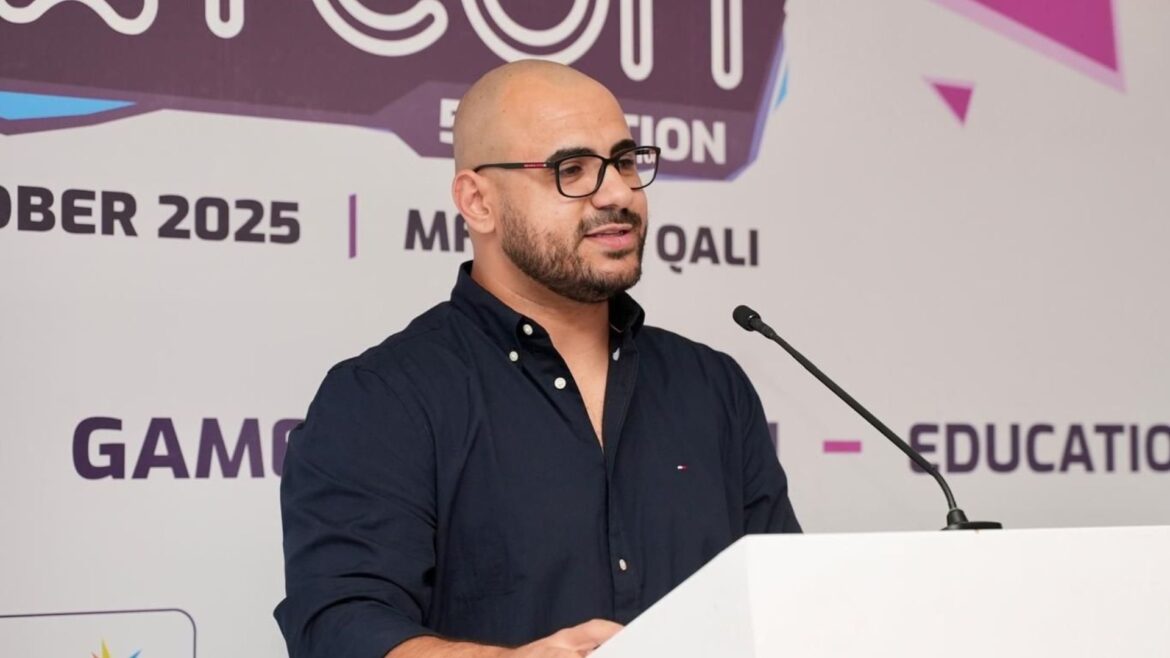
Kersten James Chircop, Co-Founder and Business Development Director of GMR speaking at the PLAYCON 2025 launch
Esports

GMR co-founder highlights esports betting as catalyst for industry growth

by admin October 2, 2025


Kersten James Chircop, Co-Founder and Business Development Director of GMR. Photo via GamingMalta

Betting is now emerging as a crucial part of the esports ecosystem.

|

Published: Oct 1, 2025 11:42 pm

Esports betting has become a driving force behind the growth of competitive gaming, according to GMR Co-Founder and Business Development Director Kersten James Chircop.

Speaking ahead of PLAYCON 2025, Malta’s annual video game and esports expo, Chircop said betting is now a core part of the ecosystem, fueling both professional teams and grassroots tournaments.

“When you speak about professional esports today, betting is one of the biggest revenue generators, even for the teams,” Chircop said in an interview with SiGMA News.

“Recently, Riot allowed teams to have betting sponsors. When you look at Valve, with Counter-Strike and Dota 2, betting sponsors have been one of the main players in events for a long time,” he added.

Esports betting revenues fueling teams and grassroots growth

Chircop stressed that partnerships with premier esports betting companies go beyond financial support, helping to build fan engagement and momentum around major titles.

Kersten James Chircop speaking at the launch of PLAYCON 2025. Photo via GamingMalta

“Having a betting sponsor obviously helps, and it is a working formula. It generates hype because events like Counter-Strike blew up when people got more invested. They start following teams to understand more. When it comes to that part, it is needed.”

He noted that sponsorships from leading betting operators also provide a trickle-down effect, supporting tier-two competitions and smaller teams that might otherwise struggle to compete. Regional differences, however, continue to shape how the industry develops across markets.

Chircop also pointed to PLAYCON, organized by GMR in collaboration with GamingMalta, as an example of how the esports ecosystem is expanding in Malta. The expo has grown into both a showcase for local talent and a platform attracting international investment, including from the betting industry.

“The idea of PLAYCON is to showcase what the local industry is all about—the career opportunities being created, game studios being established here, esports teams, and tournaments being organized,” Chircop explained.

Cosplayers at PLAYCON 2025 launch. Photo via GamingMalta

The event also serves an educational purpose, drawing thousands of students annually and introducing new initiatives such as the Schools Esports World Championships hosted by DAIGON Esports.

“We want kids to know what the video games industry is about, how to balance screen time and game time, and also to see that if you have the talent, esports can become a professional career,” Chircop said.

Now in its fifth edition, PLAYCON will run from Oct. 9 to 12 at the Malta Fairs & Conventions Centre (MFCC) in Ta’ Qali.

Looking at the global picture, Chircop said esports is entering a more mature phase, characterized by professional structures, international investment, and long-term growth strategies. He argued that betting will remain crucial to that development.

“At the end of the day, betting keeps people engaged. It adds hype, and the revenue helps sustain teams and events.”

Dot Esports is supported by our audience. When you purchase through links on our site, we may earn a small affiliate commission. Learn more about our Affiliate Policy


Source link

October 2, 2025 0 comments
0 FacebookTwitterPinterestEmail
As the Western games industry spirals, TGS 2025 showed Japan is resurgent - though you might not recognize that over live streams
Game Reviews

As the Western games industry spirals, TGS 2025 showed Japan is resurgent – though you might not recognize that over live streams

by admin October 2, 2025


It’s fair to say that the Tokyo Game Show is back. This may have been the case over the last few years, to be honest – but this year marked my first post-pandemic return to Japan’s premier gaming festival – and in honesty, walking around the venue, I was shocked.

I’ve got a bit of a history with TGS. For many years I did something which few Western games media did: I went almost every year. That’s the influence of co-owning a website dedicated to role-playing games, a genre that has always been fairly Japan-centric. But that also meant that over the course of the 2010s I got to watch TGS dwindle. We talk a lot about the brutally swift decline of E3, but in those years the disintegration of TGS was arguably worse. By 2018, we’d reached the point where the show wasn’t even worth the cost of getting out there even to a website like RPG Site, where JRPGs were bread and butter. I tapped out.

This year, I returned to Chiba’s Makuhari convention centre on a bit of a whim. I didn’t really expect the show to be all that good, and I wasn’t really left all that excited by the snaking lines to get in on business day, for even when TGS was rubbish a lot of punters used to show up. But after a short exploration of the halls, I realized something: this show is brilliant again.

Watching the show from afar over livestreams, you could be forgiven for not necessarily recognizing that. In true Japanese industry tradition there’s a lot of stage shows where developers vaguely waffle without actually saying much while voice actors do little celebrity turns and the like. The live streams beamed westwards were relatively inconsequential too – a meagre obligation of a show from Xbox, casual streams from the big Japanese publishers, and a PlayStation State of Play that, while good, had next to nothing to do with what Sony was showing off in Tokyo.

This doesn’t necessarily feel unique to TGS, though. It charts the overall arc of the industry in the sense that publishers have moved away from wanting to showcase big drops all together and all in one place, therefore fighting amongst themselves for eyeballs and coverage. It’s easier to pick your own unique spot for your game’s big moment. That hurt all shows; just as we’re never getting E3 press conferences back again, Square Enix is unlikely to restore the mythical Closed Mega Theatre which was such a source of business for me back in the day.

TGS has pivoted, and in a sense the show has broadly become more about context. Take Capcom, for instance: it’s this show where it chose to contextualize the gameplay systems and overall loop of Pragmata after holding it back so that players could first understand its core shooting-meets-hacking combat concept. Likewise for getting deeper into how much Monster Hunter Stories 3 is breaking from its predecessors to try something new. There’s news to be had here, but not as big splashes – but in this new world, that’s fine.

Ain’t that the booth. | Image credit: Eurogamer

The proof that it’s fine is in the show floor, which in 2018 was anemic and primarily populated by the worst kinds of predatory mobile games and endless merch stands. I remember meandering the show floor with Martin Robinson, who was then back on Eurogamer, and the pair of us just turning to each other after a few hours and going: “is that it?” I remember I was clutching some TGS-exclusive vinyl record printing of the Mega Man 2 soundtrack, my only major gain of the day and totally useless from a work perspective. Martin characteristically had bought some Mega Drive stuff, I think. “Is it pub time already?” It was. But in 2025, the show floor is vibrant and exciting once again.

This is where you get the image of a resurgent Japan. Which, to be fair, we all know they are – we all see that in Capcom’s climb to become arguably the best third party publisher in games, in Konami returning to gaming proper after years away, and in a Sega that seems to have a thrilling plan to chase in Capcom’s wake. But all of this is more corporeal on the ground with enormous stands and excited throngs of excited gamers. You sense it more. You also sense that the importance of TGS, and Japan in general, is not just in the big Japanese publishers.

The game mix has shifted, for instance. Mobile gaming is still massively important – one of the biggest culture shocks visiting Japan as a gamer is always how everyone is gaming on their phones, all ages, all genders – they’re all in one gacha mine or another on their commutes. That isn’t going away, but it feels like console games are cemented again, no longer in retreat.

The recognized importance of Japan comes in the form of a huge international presence. The big Chinese and Korean brands have absolutely enormous stands. The biggest game of the show is undoubtedly Ananta, the fascinating free-to-play action game out of China which at once channels GTA, Spider-Man, Genshin, and countless other things. Indie-signing publishers like Annapurna Interactive and Red Dunes Games show up big. There’s huge government and trade body sponsored stands from countries like Italy, Germany, and France, where local trade shows are peddled to the Japanese and chosen indies get to ply their wares to a whole new audience.

Is Konami really, actually, back? | Image credit: Eurogamer

As Eurogamer, it feels important to note that Britain had no such presence at all – which feels like a huge loss and error on the part of the UK government, UKIE and the like. But the fact I am saying that is in itself a sign of how TGS has changed: a few years ago, I would’ve been calling these countries absurd, rolling my eyes at a waste of money on an undynamic market that didn’t appear to care. Now, however, I’m frustrated to see my own country missing the opportunity. In short, it feels that TGS is once again a place to be seen internationally.

And then there’s the after hours. Grabbing a drink or dinner, catching up with industry colleagues in Japan, one really does get the impression that this country’s industry is once again happy, confident, and building. Once again, it’s a massive contrast to the vaguely panicked and lost Japanese industry I experienced in the 2010s.

It also draws a sharp contrast to the West. At one point I sat with some Western-based publisher employees and one of them basically described walking around TGS in the terms of that classic “I’m starting to get this feeling…” scene from Peep Show. Things on our side look so bad – and Japan looks so good. The fact an excellent TGS has been followed with another round of brutal studio layoffs and an EA deal that is sure to have terrible consequences seems to only underline matters.

But Japan? Japan feels like it has found its mojo again. TGS is a representation of not only its industry, but in how it is perceived by the rest of the world – and it feels like the good times are back again. Is it necessarily worth all that outlay to travel there as media, in raw input/output terms? Well, I’m sure my accountant would say no. But being there feels right again – which hasn’t been the case for years.


Source link

October 2, 2025 0 comments
0 FacebookTwitterPinterestEmail
The games industry reacts to the shock buyout of EA
Esports

The games industry reacts to the shock buyout of EA

by admin September 30, 2025


The announcement of a leveraged buyout of Electronic Arts by a private-equity consortium has sent shockwaves through the games industry over the past few days.

The consortium includes Saudi Arabia’s Public Investment Fund (PIF) – which is linked to the country’s crown prince Mohammed bin Salman – along with Silver Lake (which previously invested $400 million in Unity) and the independent investment firm Affinity Partners, headed by US president Donald Trump’s son-in-law Jared Kushner.

But perhaps the buyout shouldn’t come as a surprise.

Trip Hawkins – who founded EA in 1982, but left in the 1990s – warned that the company would be snapped up sooner or later back in 2022. “As with Activision, EA will get the proverbial offer that they cannot refuse,” he said at the time – and so it has proved.

Peter Lewin, a video game lawyer at the UK law firm Wiggin, adds that all the recent signs pointed towards a buyout. “Rumours have swirled about a potential EA sale for a while, with previous potential suitors reportedly including the likes of Disney, Apple, and Amazon, so a sale is unsurprising,” he says.

“The successful consortium including the Saudi’s Public Investment Fund [PIF] is also not a shock, given they already owned roughly 10% of the company and had very publicly earmarked several billion for a large publisher acquisition years prior.”

“I do worry about many things with this deal”

Hendrik Lesser, Remote Control Productions

Hendrik Lesser – founder of the Munich-based Remote Control Productions and president of the European Games Developer Federation – agrees that it’s “not a secret” that EA had been looking at all kinds of sale options for years. But he’s concerned about what the buyout will mean for the company.

“I have played EA games since I was a kid, worked with them in various roles (policy to project) and wish them the best,” he says. “But I do worry about many things with this deal. How will creative control work, especially over time? I doubt that with the PIF and Kushner, this is just a financial investment.

“It gives the PIF (which is a state-controlled investment fund) even more capabilities in gaming, including soft power, especially with an IP like Battlefield. This should not be taken lightly in today’s times.”

Piers Harding-Rolls, head of games research at Ampere Analysis, says that for PIF, the EA purchase “fits into its strategy of accumulating soft power through entertainment and sports. This lays the foundation for the World Cup in 2034 taking place in Saudi Arabia.”

Synergies

Harding-Rolls also notes that there are “a few obvious synergies” between the parties involved in the deal, which could lead to benefits for both EA and its purchasers.

“Saudi Arabia’s PIF and Silver Lake control a cross section of companies in the games, entertainment, and sports sectors which potentially align strongly with EA’s business,” he says. “They are particularly strong in sports and esports, which sits neatly with EA as the leading sports-game company.

EA Sports FC 26 | Image credit: EA

“PIF also owns Scopely and Niantic’s games studios through Savvy Games, a deep well of expertise in mobile gaming. EA’s mobile games business has traditionally underperformed and should be a much larger part of its overall business.

“This alignment could help transform EA’s mobile business. EA’s revenue growth in recent years has been benign, so the opportunity to drive growth and build out a long-term strategy by bringing together a cross-section of expertise is attractive to both parties. A more diversified strategy could offset some of the huge investments being made in AAA gaming and drive broader value from the same IP investments.”

Beyond this, there’s also the advantage that by going private, EA will no longer have to satisfy the demands of shareholders or worry about the optics of its finances ahead of quarterly earnings announcements. Harding-Rolls says this could potentially allow the firm to focus more on “long-term strategies and investments.”

Fiona Sperry, who previously headed up the EA-owned Criterion Games and is now the CEO of Three Fields Entertainment, agrees that going private could potentially be freeing for EA. “I can’t comment on these particular investors, but If I still worked at EA, I’d be really excited about the opportunity that going private would entail,” she says.

Sperry notes that launch dates tend to be largely immovable for publicly listed companies owing to the huge gap in earnings a delay could cause – but private companies have more leeway.

“However experienced you are, the reality of game development means that you’re often having to compromise your game to hit a date – a date you most often had to commit to long before you’ve finalised the design,” she says. “You have to design to the date rather than the other way round. And it’s really hard to do that when you’re trying to innovate.

“EA has amazing creative teams and hopefully this will give them the chance to really utilise that creativity and take some risks. Don’t get me wrong – dates are important for focussing everyone – but sometimes (as we have found with our game Wreckreation) you just need more time.”

Debt

One potential downside of the buyout, however, is the huge amount of debt involved. The total deal is worth $55 billion, but a whopping $20 billion of that total is being borrowed by the consortium – and hence will have to be paid back over time.

“Many are rightly noting the heavily leveraged nature of this sale,” says Lewin, “and how servicing $20 billion of debt may lead the business to more predictable, low-risk future investments. This may ultimately be a good thing for EA’s core franchises like Battlefield, EA Sports FC, The Sims, and Madden – we’ll see more of those.

“Big swings into revitalising EA’s treasure-trove of other IPs like Burnout, SSX, Mirror’s Edge, and Titanfall though, or enhanced investment into its excellent EA Originals programme, seem unlikely.”

Titanfall 2 | Image credit: EA

However, Lewin offers a glimmer of hope by suggesting that these “less-exploited IPs” could end up being put on the market by EA’s new owners.

“We’ll likely see a greater emphasis on transmedia and licensing,” Lewin adds, “in order to create additional revenue streams around their core franchises, with limited financial exposure on EA’s side.”

Industry veteran Richard Browne – who currently heads the consultancy firm Blue Moon, but was previously head of external publishing for Digital Extremes, and began his career at pre-PlayStation Eidos – says that the EA buyout comes with a “great deal of concerns” in the short term.

“Assuming that level of debt usually requires the company to focus primarily on profit and paying it down as quickly as possible,” he says, “which could focus EA on squeezing consumers harder on elements such as microtransactions and subscriptions. It might also drive them to push all franchises onto a yearly cycle, putting pressure and crunch on development teams and lessening the ability for innovation.”

Like Lewin, he worries that the buyout could stymie the “more creative elements of EA,” where “profit margins haven’t been the goal.”

“On the flip side,” he adds, “having been part of companies like THQ, where quarterly performance really contributed to its death spiral, EA has the opportunity to invest in long-term growth and investment away from the prying eyes of Wall Street. As an industry, we’ll hope that’s the case.”

“There is likely to be rationalisation of workforce and capital expenditure”

Piers Harding-Rolls, Ampere Analysis

Still, he’s concerned about talent drain at the firm. He notes that the deal will “make a lot of people in EA very happy” if they have stock options in the company – but without that ability to offer stock options in the future, “how does EA retain its best and brightest?” he asks.

Going back to the short term, the biggest implication of the deal is the high risk of job losses.

“There is likely to be rationalisation of workforce and capital expenditure as a result of the buyout,” warns Harding-Rolls. Servicing that huge $20 billion in debt will require “cutting costs and building more margin from existing businesses to generate more free cash flow,” he says.

“There might also be some talent migration due to cultural differences. However, I don’t expect any significant changes to the upcoming slate of games over the next couple of years. The biggest opportunities remain growth of the Battlefield franchise, growth of the EA Sports FC franchise during the World Cup 2026, and bigger exposure to mobile gaming.”

Industry implications

It’s worth noting at this point that the buyout isn’t yet a done thing. “The size of the deal will likely require regulatory approvals,” notes Lewin. “However, given this deal doesn’t involve the acquisition of one gaming behemoth by another, there shouldn’t be any anti-competition concerns as we saw with Microsoft and Activision Blizzard.”

But assuming it does go through (EA said in a press release that it hopes to close the transaction in Q1 2027), it could be one of many mergers and acquisitions we see in the next few years.

The Sims 4 | Image credit: EA

Harding-Rolls suggests that as the games industry continues in a slow growth market against a backdrop of increasing costs, companies will seek to consolidate as a way to “build market share, drive growth, and drive more value from content investments.”

Another consequence is that the industry’s centre of gravity is shifting more towards the Middle East. “Saudi Arabia is determined to become a huge player in the global games market and challenge the biggest players from the US, China, and Japan,” says Harding-Rolls. “This has changed the deal landscape for the global industry and is shining a light on the Middle East and how the industry is being built in the region.”

The sheer scale of the deal could also be viewed as a positive, thinks Lesser, who says it “sends a message to the games industry that serious players believe in their future.”

Still, the full consequences of the buyout are obscure, and it’s difficult to predict at this point whether the positives will outweigh the negatives, especially for the employees within EA. Ultimately, we can only watch and see what happens next.

Circana senior director Mat Piscatella is frank in his admission that he doesn’t know quite where this trail will eventually lead. “I don’t think anyone really does, if they were being honest with themselves.”

But he does know one thing. “Leveraged buyouts have a certain history that generally hasn’t been great for the acquired companies,” he says. Whether that will be the case here remains to be seen.


Source link

September 30, 2025 0 comments
0 FacebookTwitterPinterestEmail
NFT Gaming

Chainlink, UBS Advance $100T Fund Industry Tokenization via Swift Workflow

by admin September 30, 2025


Chainlink said it developed a technical process allowing banks to interact with tokenized investment funds through Swift, the interbank messaging system that underpins much of traditional finance.

In a pilot with UBS, Chainlink’s Runtime Environment (CRE) processed subscriptions and redemptions for a tokenized fund using ISO 20022 messages, the international standard for financial messaging used by Swift.

The blockchain workflows were triggered directly from UBS’s existing systems after CRE received the Swift messages. It then triggered the subscriptions or redemptions in the Chainlink Digital Transfer Agent, according to a press release shared with CoinDesk.

The setup lets banks access blockchain infrastructure using tools they already use, like Swift, while Chainlink’s infrastructure handles the rest.

The pilot builds on previous work from Project Guardian, a tokenization initiative led by Singapore’s central bank. The latest development adds in interoperability that enables institutions to use Swift to trigger on-chain events.

The launch comes after Chainlink announced a separate pilot with 24 global banks and financial infrastructure providers like DTCC and Euroclear. That project used Chainlink’s tools and AI to extract and standardize data from corporate action announcements, a process that currently costs the industry an estimated $58 billion annually.

Read more: SWIFT to Develop Blockchain-Based Ledger for 24/7 Cross-Border Payments


Source link

September 30, 2025 0 comments
0 FacebookTwitterPinterestEmail
Industry veterans form Australian-based publisher Midnighters
Esports

Industry veterans form Australian-based publisher Midnighters

by admin September 26, 2025


A group of games industry veterans have launched a new publisher called Midnighters.

The Australian firm’s leadership team consists of four co-directors: Zea Wolfe (Massive Monster, Die Gute Fabrik), Jair McBain (Land & Sea, Lune Interactive), Aaron Oak (Zero Dimension, Funselektor), and Jacob Vincent (Funselektor, Wymac Gaming Solutions).

Midnighters will provide services to “better support indie developers” with their collective experience, with the aim to help studios develop games “more sustainably”.

The publisher’s services include project management, marketing, release management, public relations, business development, and community engagement.

It’s also open to offering a “full service or light-touching publishing experience” by providing “upfront funding” or teams looking for publishing support “in exchange for a smaller share of project royalties than a typical publisher would expect.”

“The typical publishing model doesn’t always meet the needs of independent developers,” said Wolfe (via Game Developer).

“With our backgrounds as artists, designers, and engineers ourselves, we aim to offer a tailored approach that supports developers in doing what they do best. We are driven by a deep understanding of what it feels like to be in their shoes.”

Midnighters is currently working with Alien Cat x Nomo Studio to support and publish its cozy room decorator title Momento.

The publisher is currently accepting pitches, with developers encouraged to fill out the form linked here.


Source link

September 26, 2025 0 comments
0 FacebookTwitterPinterestEmail
Tetris Company CEO Maya Rogers on why we need more women in the games industry
Esports

Tetris Company CEO Maya Rogers on why we need more women in the games industry

by admin September 23, 2025


“You kind of take what your parents do for granted when you’re a kid,” reflects Maya Rogers, president and CEO of The Tetris Company.

When her father, Henk Rogers, brought home an early version of Tetris on the Game Boy in the late 1980s, she remembers it sparking a sensation in their household, as family members competed against each other for high scores. But it was only much later on that she realised how big a deal the game was.

Henk was instrumental in securing the rights to Tetris for Nintendo’s handheld, and would go on to form The Tetris Company with the game’s creator, Alexey Pajitnov, in order to handle the licensing of Tetris around the world. Maya, meanwhile, was encouraged by her mother, Akemi Rogers, to seek a career in business. “She was all about climbing the corporate ladder.”

Maya initially worked at American Honda after college. But then she got the opportunity to combine her twin passions for cars and video games by securing a job at Sony Computer Entertainment in Santa Monica, initially working on the Gran Turismo franchise. “I remember thinking, ‘Wow, this is where I belong’,” she recalls.

Henk Rogers | Image credit: aGameScout CC BY-SA 4.0

But her life took a sudden left turn when her father suffered a massive heart attack in 2005. “I flew back to Hawaii, and I was like, ‘I almost lost him’,” she recalls. “That was a turning point in my life to say, ‘Can I come work for you? I want to learn from you as much as I can while you’re still around’.”

Maya would go on to head The Tetris Company. Depressingly, even in 2025, it’s still rare to see a woman in the top job at a games firm. According to Women in Games, women make up only around 22% of the global workforce in the games industry, and hold just 16% of the executive roles in the top 15 game companies.

“It shouldn’t be that way,” says Maya. “Women need to be given a chance.”

She is passionate about getting more women into the industry. “There’s so many women playing games, and we’re still having mostly men designing games,” she says. “That doesn’t make any sense at all.”

She encourages young women to “follow their passion” and come into the business, and not be put off by thinking they’re under-qualified or lacking in experience when going for jobs.

“Men show up to the table and they’re kind of winging it, right? Guys are really good at winging it […]. Women show up overqualified, because they’re like, ‘Oh my gosh, am I good enough for the job?'”

In short, she says, “We’ve got to put ourselves out there, and be Okay to be vulnerable.”

“Men show up to the table and they’re kind of winging it, right?”

Maya Rogers, The Tetris Company

When we ask whether Maya has personally experienced any instances of sexism in the games industry, the answer is depressingly matter-of-fact: “Of course.”

“They see a youngish looking female, and they don’t believe you, or they don’t think that you run Tetris, or whatever,” she says. “But I guess it’s never really phased me.”

She adds that there are advantages, too, in standing out. “Everybody knows me, because I’m a girl, right?”

Maya has made a point of increasing the number of women working at The Tetris Company. “When my father was running the business, it was more male. And now we have a lot of women, and it’s great. We’re doing amazing things. Girls can do it all.”

Ultimately, she thinks we need more women in C-suite positions across the board, noting that DEI (diversity, equity, and inclusion) initiatives have helped in the past. “That in itself in America today is a thing that’s being questioned,” she adds, “but I think that was so important to have, because it did change how many people of diversity, [of] different backgrounds were allowed in the workplace.”

In short, she says, “there needs to be something that is almost enforced to make sure that there are enough women in the industry.” And those women who are already in powerful positions need to “be out there, being vocal, inspiring people to fight for their rights,” she says.

“It is always going to be a battle. But if you look at the history […], how do things change? It was the women [who] came together, and they fought for their rights, and that’s what needs to happen.”

Therapeutic Tetris

Maya is particularly keen to talk about the work of Professor Emily Holmes, currently at Uppsala University, who has been researching the effects of Tetris on mental health over the past 15 years or so.

“When she was at Oxford University, she started this research to try to see if Tetris can help with trauma and PTSD – and now she’s proven that in fact it can,” says Maya.

“So now we’re working more closely with Professor Holmes and trying to figure out the next steps of how we can make this really a thing […] that’s going to help people.”

Tetris Effect was originally released in 2018

Maya says that she has also heard from people with ADHD, who have said that playing Tetris helped them to focus before exams. “We’re starting to collect all these stories about how much Tetris has helped people in different ways,” she says. “I think we’re just scratching the surface of what is possible with video games and mental wellness.”

This finding that playing Tetris can actually be good for you is important, she adds, because “the video game industry gets such a bad rep,” not least through the recurrent conversations around video-game violence.

“Tetris has never been a violent game,” she stresses. “It has always been a game that’s for everyone.”

But what’s so special about Tetris that gives it these therapeutic properties?

“Clearing lines speaks to our innate desire to want to create order out of chaos”

Maya Rogers, The Tetris Company

“There’s something about the blocks: it’s a simple game, but it makes you think,” muses Maya. “There’s that something that clicks in you when you play Tetris and you get into that flow.”

“Clearing lines speaks to our innate desire to want to create order out of chaos,” she adds, “and essentially that feels good when we feel that sense of accomplishment. I think that’s the loop that really helps people with PTSD [or] trauma.”

Another subject that’s close to Maya’s heart is the environment, something she shares with her father. They founded Blue Startups in Honolulu around 13 years ago as an accelerator to help entrepreneurs, with an emphasis on supporting startups that are focused on sustainability.

“For example, one of the first companies that we invested in was a company called Volta, and they were making electric charging stations throughout the United States,” she says.

Brand new moves

But of course, these good-news stories don’t provide the whole picture. The Tetris Company was founded to protect the rights for Tetris, and as such the firm has spent much of the past few decades sending out endless cease-and-desist letters to Tetris imitators.

But Maya points out that the rights to Tetris were hard won, noting that Alexey Pajitnov wasn’t able to wrestle them away from the former Soviet Union until the nineties, and she thinks that the ability to protect copyright is becoming increasingly important in the context of the creator economy and the rise of AI.

“It’s important to protect and honour brand legacies and brands in general. If we don’t, everything becomes generic,” she says.

“There could be a million other copies out there, but there’s something to be said about the one, the original, the one that people can really relate to.”

Tetris has been constantly reinvented over the years through games like Tetris Effect and Tetris 99, and Maya says that in terms of licensing opportunities for the brand, video games are “always number one.”

But she also sees many opportunities outside games. “The people that play Tetris, whether [it was when they were] growing up or they’re just discovering it now, how do they want to engage with the brand? It’s not just through video games anymore.”

Taron Egerton played Henk Rogers in the Apple TV Tetris movie

She highlights the recent Tetris movie on Apple TV as an example – although in fact there were efforts to get a Tetris film off the ground over a decade ago now, long before the current vogue for transmedia and big-screen video-game adaptations.

But what of the future for Tetris as a game? Surely, we suggest, we’ve had all the possible variations of falling blocks that it’s possible to have by now?

Maya disagrees. “I think Tetris Effect is a perfect example of [how you can] iterate on a game that’s 40 years old, and make it cool, and make it something that connects you to a new audience.”

That said, she also recognises that way back in the mid-eighties, Alexey Pajitnov essentially came up with the perfect game. “It’s like the game of chess, it’s going to be around. It’s just a matter of making sure that [for] each generation, and each new platform, and each new way to play a video game, Tetris is there.”

And Pajitnov, along with Henk, is still keeping an eye. “They’re involved in all the major decisions,” confirms Maya. “And whenever it comes to game design, Alexey is very heavily involved, because he’s still a gamer. He’s still playing all the games, he still thinks like a programmer. That’s what he does, and that is his passion.

Alexey Pajitnov | Image credit: GDC CC BY 2.0

“So as long as they’re able to get involved, they will be involved. And it’s great, because sometimes we might have a new licensee or a new developer come on board, and we might have Alexey come and talk to them. And for them, it’s like seeing God.”

When all is said and done, it’s heartening to think that behind the corporate behemoth that Tetris has become is the story of an enduring yet unlikely friendship.

“Henk and Alexey, they’re like two people that are as different as can be,” says Maya, “but they have this common language, and they believe in each other, and they trust each other.

“And this is one of the reasons why Tetris has been successful. It was based on this handshake of these two men that came from very different backgrounds – and they trusted each other because they loved games and they’re both programmers. And that love and that relationship is still there today.”


Source link

September 23, 2025 0 comments
0 FacebookTwitterPinterestEmail
  • 1
  • 2
  • 3
  • 4

Categories

  • Crypto Trends (1,098)
  • Esports (800)
  • Game Reviews (772)
  • Game Updates (906)
  • GameFi Guides (1,058)
  • Gaming Gear (960)
  • NFT Gaming (1,079)
  • Product Reviews (960)

Recent Posts

  • This 5-Star Dell Laptop Bundle (64GB RAM, 2TB SSD) Sees 72% Cut, From Above MacBook Pricing to Practically a Steal
  • Blue Protocol: Star Resonance is finally out in the west and off to a strong start on Steam, but was the MMORPG worth the wait?
  • How to Unblock OpenAI’s Sora 2 If You’re Outside the US and Canada
  • Final Fantasy 7 Remake and Rebirth finally available as physical double pack on PS5
  • The 10 Most Valuable Cards

Recent Posts

  • This 5-Star Dell Laptop Bundle (64GB RAM, 2TB SSD) Sees 72% Cut, From Above MacBook Pricing to Practically a Steal

    October 10, 2025
  • Blue Protocol: Star Resonance is finally out in the west and off to a strong start on Steam, but was the MMORPG worth the wait?

    October 10, 2025
  • How to Unblock OpenAI’s Sora 2 If You’re Outside the US and Canada

    October 10, 2025
  • Final Fantasy 7 Remake and Rebirth finally available as physical double pack on PS5

    October 10, 2025
  • The 10 Most Valuable Cards

    October 10, 2025

Newsletter

About me

Welcome to Laughinghyena.io, your ultimate destination for the latest in blockchain gaming and gaming products. We’re passionate about the future of gaming, where decentralized technology empowers players to own, trade, and thrive in virtual worlds.

Recent Posts

  • This 5-Star Dell Laptop Bundle (64GB RAM, 2TB SSD) Sees 72% Cut, From Above MacBook Pricing to Practically a Steal

    October 10, 2025
  • Blue Protocol: Star Resonance is finally out in the west and off to a strong start on Steam, but was the MMORPG worth the wait?

    October 10, 2025

Newsletter

@2025 laughinghyena- All Right Reserved. Designed and Developed by Pro


Back To Top
Laughing Hyena
  • Home
  • Hyena Games
  • Esports
  • NFT Gaming
  • Crypto Trends
  • Game Reviews
  • Game Updates
  • GameFi Guides
  • Shop

Shopping Cart

Close

No products in the cart.

Close