
Laughing Hyena
  • Home
  • Hyena Games
  • Esports
  • NFT Gaming
  • Crypto Trends
  • Game Reviews
  • Game Updates
  • GameFi Guides
  • Shop
Tag:

Google

Decrypt logo
GameFi Guides

‘Some Studios Won’t Survive’ as AI Takes Over Gaming, Says Google Cloud Exec

by admin August 24, 2025


In brief

  • Google Cloud exec Jack Buser warned that rising costs and stagnant play time have left studios with a broken business model.
  • A recent Google Cloud study said nine of 10 developers now use AI tools somewhere in production.
  • While critics fear job losses and backlash as AI reshapes game design, Buser said AI can create “living games.”

Generative AI is triggering an industry-wide reckoning in gaming—and some studios won’t survive the fallout.

That’s the warning from Jack Buser, global games director at Google Cloud, who says the industry is entering an upheaval as big as any in its history.

“Some of these game companies are going to make it, and some of them are not,” Buser told Decrypt. “And some are going to be born through this revolution.”

Buser, a 30-year industry veteran, works with publishers and studios to adopt cloud infrastructure and AI, from scaling multiplayer systems to analyzing player data and testing generative tools. That role puts him at the intersection of big tech and game development, where studios connect to Google’s servers and AI models to build, or sustain, their titles.

He pointed out that AI is arriving just as developers face mounting financial pressure and shrinking player engagement with new games.

“Over half of play time is in games more than six years old,” he said. “So if you’re making a new game, you’re competing for less than half of the available play time. And if you’re the creator of one of those older games, you’re struggling to keep it relevant and keep players engaged.”

Following decades of growth, the global games industry dipped post-pandemic, with revenues falling in 2022 before recovering. In 2024, it generated $182.7 billion, up 3.2% from the year before. Revenues are expected to rise to $188.9 billion in 2025, a 3.4% increase.

“You have a broken business model, and the result is layoffs, game cancellations, and other problems across the games industry in recent years,” Buser said.


However, Buser believes generative AI could be the industry’s way out. A Harris Poll commissioned by Google found that nine out of 10 developers are already using AI tools in some part of the production process.

“If you go use case by use case in your development pipeline, from concept to quality assurance, and you attack every use case with AI, you can have quite a radical reduction in development time,” he said.

Developers are testing generative tools aimed at changing how games look, feel, and evolve in real time. Buser called this the era of the “living game”—titles that use AI in real time to analyze player behavior and generate new content on the fly. Unlike traditional games, which rely on patches and downloadable content (DLC) drops, these systems could adapt in minutes rather than months.

“Take Darth Vader in Fortnite, for example—the player reaction was strong,” Buser said. “We’re just scratching the surface.”

But the rollout wasn’t smooth. When Fortnite introduced an AI-powered Darth Vader earlier this year, the bot spewed racist and homophobic slurs before Epic Games quickly patched the system.

Not everyone welcomed the experiment. Following the release, SAG-AFTRA filed a labor complaint against Epic subsidiary Llama Productions, accusing the company of replacing voice actors with artificial intelligence without union consent.

“This charge concerns the union’s critical role in negotiating terms concerning the replacement of bargaining unit work with AI technology,” a SAG-AFTRA spokesperson told Decrypt. “We are very supportive of AI tools to enhance the audience experience, but employers cannot implement these types of uses without coming to the union first and bargaining terms.”

Buser drew comparisons between the increased role of AI and earlier shakeups in gaming history—moments when technological shifts redrew the industry map. Some companies adapted to the move from cartridges to CD-ROMs. Others didn’t.

“You will see some companies that did not make it,” Buser said. “And then you see other just massive game companies today that were what I’ll call CD-ROM-native. This is the exact same thing happening now.”

GG Newsletter

Get the latest web3 gaming news, hear directly from gaming studios and influencers covering the space, and receive power-ups from our partners.
Source link

August 24, 2025 0 comments
0 FacebookTwitterPinterestEmail
With Apple's Siri AI Overhaul Delayed, Google Might Help It Catch Up
Gaming Gear

With Apple’s Siri AI Overhaul Delayed, Google Might Help It Catch Up

by admin August 23, 2025


Apple is reportedly weighing up a potentially major change to its digital assistant: powering a revamped Siri with Google’s Gemini artificial intelligence tool. 

According to Bloomberg, the companies are in early discussions about a partnership that could reshape Apple’s AI strategy for the iPhone, iPad and Apple’s other products. While no agreement is in place, the talks signal Apple’s growing urgency to keep up in the generative AI race.

Siri, once a pioneer, has lagged behind its voice assistant rivals. Apple had planned to roll out a smarter, AI-driven Siri in 2025 as part of its Apple Intelligence initiative, but executives delayed the launch until spring 2026, admitting the early version wasn’t reliable enough to ship. That setback has left Apple at a disadvantage while Samsung, Microsoft and Amazon push ahead with AI assistants that are more conversational and capable.

Apple has long prided itself on controlling the technologies that make its products distinct, but generative AI has proven harder to master internally. To bridge the gap, Apple has leaned on partners: today’s Siri can already route certain requests to OpenAI’s ChatGPT when its own models fall short, and later this year, Apple Intelligence is set to upgrade that integration with GPT-5. You’ll be able to call on ChatGPT for writing help, image understanding and complex questions directly through Siri, Writing Tools and Visual Intelligence.

That reliance underscores the fact that Apple’s own models aren’t yet competitive at the same scale as its rivals.

Apple is reportedly exploring additional options, including Anthropic’s Claude and, most prominently, Google’s Gemini. A deal with Google wouldn’t just inject advanced capabilities into Siri, it would echo a long-running partnership between the two companies. Google already pays billions annually to remain the default search engine on Safari, and a Gemini deal could extend that relationship into Apple’s core AI experience.

If the talks advance, we may see a very different Siri emerge in the coming years: one less constrained, more conversational and powered by the same AI that underpins Google’s own products.

Apple and Google didn’t immediately respond to requests for comment.

(Disclosure: Ziff Davis, CNET’s parent company, in April filed a lawsuit against ChatGPT maker OpenAI, alleging it infringed Ziff Davis copyrights in training and operating its AI systems.)


Source link

August 23, 2025 0 comments
0 FacebookTwitterPinterestEmail
The Best Google Pixel Phones of 2025, Tested and Reviewed: Which Model to Buy, Cases and Accessories, Feature Drops
Product Reviews

The Best Google Pixel Phones of 2025, Tested and Reviewed: Which Model to Buy, Cases and Accessories, Feature Drops

by admin August 22, 2025


You get all the same software features as the Pixel 9 series, but there are some extras to take advantage of all the screens. Made You Look, for example, plays a cute animation on the outer screen to make sure your kiddo stares at it when you’re trying to capture a photo. When you’re on a Google Meet call, you can now utilize all the screens so that everyone around you can see the person you’re speaking with, and that means using all the cameras too, so the person on the other end doesn’t have to see just your face.

At the end of the day, this is still a $1,799 smartphone, and that’s just too high a price to pay. But if you have the cash and love folding phones, especially when paired with a Pixel’s smarts and camera prowess, this is one of the best options available.

How Long Is Your Pixel Supported?

AccordionItemContainerButton

The Pixel 10 series, Pixel 9 series, Pixel 8 series, Pixel 9a, and Pixel 8a will get seven years of Android OS upgrades and security updates. The 2023 Pixel 7a will receive three years of Android OS upgrades and five years of security updates from the date of launch, the same as older Pixels. Google has a page you can check to see exactly what month your Pixel phone will stop receiving updates. Security updates reduce the risk of malware, keep your phone bug-free, and make it more secure. Android version updates introduce new features—cosmetic and functional—that improve the OS as a whole.

Pixel phones also happen to be the first to receive any kind of Android update, so as soon as Google releases a new version, like Android 16, you can download it immediately by heading to Settings > System > System Update > Check for Update. You can also test beta versions of Android, but you’ll need to enroll your device. (Make sure to back up your phone first!) Pixels are also privy to the feature drops Google issues every few months, which include features from newer Pixels coming to older models and brand-new features for the latest devices.

AccordionItemContainerButton

Google Pixelsnap Charger With Stand

AccordionItemContainerButton

There are a few other Pixel phones worth considering if you don’t want any of the above choices. The Pixel 8 and Pixel 8 Pro (7/10, WIRED Recommends) are available through official channels and third-party retailers (until supplies last). The key is to not pay more than $500 or $600 for either of them; otherwise, you may as well put that money toward the Pixel 9 or Pixel 10 series.

I do not recommend you buy any older Pixel devices. Several Pixel A-series phones have been put under a battery performance program to mitigate the risk of overheating or swelling batteries. These software updates have crippled the battery life on those phones, and Google has provided customers with battery replacement options or Google Store credit for a new Pixel phone. These potential issues mean it’s just not worth the risk of buying a Pixel 7a or Pixel 6a. The Pixel 8a (8/10, WIRED Recommends) doesn’t seem to show problems yet, but I’d still throw caution to the wind.

Pixel A-Series Battery Issues

AccordionItemContainerButton

In 2025, some Google Pixel 4a and Pixel 6a owners have received mandatory updates that purposefully degrade the performance of the battery to prevent overheating. Your phone may have been working fine before, but Google issued these updates as a preventative measure, and not every device was affected. Similarly, some Pixel 7a devices may encounter battery swelling issues.

If your phone has been affected, you have two options. You can get a free battery replacement—Google has a registration page for the Pixel 4a, Pixel 6a, and Pixel 7a. If that isn’t going to work for you, you can get Google Store credit for the Pixel 4a and Pixel 6a to put toward a new Pixel phone.

These issues seem to have only affected some batteries in the A-series phones, suggesting it’s likely a supplier issue. What about the newer Pixel 9a? Here’s a statement a Google spokesperson provided to WIRED: “Google continuously improves Pixel testing based on user feedback and thoroughly investigates reported incidents for all components, including batteries. With Pixel 9a, we delivered the largest and longest-lasting battery of any A-series yet. We’ve been encouraged by its reception so far and are confident in the phone’s longevity and durability.”

Ideally, this battery issue has been rectified in the latest model, but we’ll be monitoring it over the next few years.

What Does Pixel Care+ Include?

AccordionItemContainerButton

When you purchase a Pixel from Google, you’ll see the option to add Pixel Care+ for protection. It’s only available in the US through the Google Store and Google Fi. The monthly option can run for up to 60 months, whereas the fixed pricing is for a 2-year term. Here’s what you get.

Pixel Care+ starts at $9 per month or $179 and includes unlimited accidental damage protection, $0 screen and battery repairs, replacements that ship in a day, and priority support from Pixel experts. That pricing is for the Pixel 10, and it goes up for the pricier devices. For example, the Pixel 10 Pro will cost $13 per month, or $239 for the 2-year term. There’s no Pixel Care+ option for the Pixel 9a.

Pixel Care+ with Loss and Theft starts at $10 per month or $199 and includes the same protections as mentioned above but includes two claims of loss and theft every 12 months. Weirdly, Loss and Theft coverage is not available in New York state.

You Can DeGoogle Your Pixel Phone

AccordionItemContainerButton

Love Google’s Pixel phones but want to get away from using Google services? It’s a little ironic, but you can actually use a different operating system with the Pixel instead of the built-in Android. We’ve tested and really like /e/OS, a privacy-first operating system that’s based on the Android Open Source Project. While you can install it yourself, it requires a bit of technical know-how, you can buy a refurbished Pixel from Murena with /e/OS installed already. If you’re interested, we have more details about /e/OS here.

The Best Pixel Cases and Accessories

I’ve written a broader guide on the Best Pixel 9 Cases and Accessories here, but here are a few selections for your perusal. We’ll be testing cases for the Pixel 10 series soon.

Official Google Case

Photograph: Julian Chokkattu

This silicone case lets you match your Pixel phone’s color. It’s durable and nice to touch, with raised edges on the front to protect the screen. It’s made with recycled plastics, and while the older cases attract lint and dust easily, this revamped case does a better job of resisting them. I also like that it keeps the back flush, so the camera bump isn’t so obvious. The Pixel 9 Pro Fold case is made of a hard-shell polycarbonate, but it’s fairly slim and lightweight compared to third-party cases I’ve tested. Access to the buttons is open, and I like how it gives you an easier way to unfold the phone.

Photograph: Julian Chokkattu

This is our favorite case overall for the Pixel 9 and Pixel 8A series. It has clicky buttons and incredibly grippy edges (hence the name). It feels robust yet fairly slim, and you can choose a snazzy design. Just know that you have to apply this “skin” to the back of the case. There’s a lot of room for error here, so be careful, and watch Dbrand’s installation video for tips. There’s MagSafe support so you can use your Pixel with MagSafe accessories, and it worked exceptionally in my testing.

Peak Design Everyday Case

Photograph: Julian Chokkattu

This is hands-down the best case if you frequently attach your Pixel to the handlebars of a bike or an electric scooter. Peak Design’s mounting system lets you magnetically affix the phone to its Universal Bike Mount ($50), and it stays put. After nearly a year of testing, I’ve yet to have a phone fall off my ride using this mounting system. It makes use of Apple’s MagSafe system, so it works with plenty of MagSafe accessories, even wireless chargers. The company also has several other magnetic accessories, like a car vent mount. The case itself is nice; I just wish the edges were raised more for better screen protection. It comes in more colors than ever.

This charging adapter is all you need to recharge your Pixel, whichever model you have. The newest high-end Pixel phones don’t come with chargers in the box, so if you don’t have any spare USB-C chargers, it’s worth picking one up. This one’s prongs fold up, so it’s great for travel too.

Dbrand Screen Protector

Photograph: Julian Chokkattu

Dbrand gives you two screen protectors in this package, and when I initially tested it, there was no application tool, so I had to freehand the installation. The current Prism 2.0 version thankfully now comes with a tool, so it should be much easier to align. You get all the other tools in the box to wipe down your phone and ensure there are no specks of dust on it before you install the protector.

Our Favorite Pixel Software Features

Pixels have many great software features, but some need to be toggled on. It can also be hard to remember that all these features exist, so here are most of the top ones.

There are some key features on Pixels that you won’t find on any other Android phone. Some of these are available only on select Pixels—the Tensor chip started with the Pixel 6, and currently, the Tensor G4 is in the Pixel 9 range. Here’s a breakdown:

Call Screen: When you get a call from an unknown number, Google Assistant will scan and flag it if it’s suspected spam or a robocall. If it’s simply a number you don’t recognize, you can have Assistant take the call. You’ll see a real-time transcription of what’s happening, so you can end the call right away if it’s a telemarketer or answer if it turns out to be a long-lost high school friend. If it’s someone important, you can give Assistant responses to recite if you’re unable to take the call—it offers up contextual replies now, too. Remember to turn it on by opening up the dialer app and heading to Settings (three dots on the top right) > Spam and Call Screen.

Wait Times.

Video: Google

Wait Times and Direct My Call: When you call a business in the phone app, you’ll see an estimated wait time until someone real picks up (it doesn’t work with every business). Google’s Direct My Call feature also transcribes the entire call and separates the menu options so you can see them without having to listen intently to the call. More recently, for some numbers, Direct My Call will cache responses so you’ll immediately see menu options without needing to wait for the automated response to go through every number. You can turn this on by going to the phone app’s Settings > Direct My Call.

Hold for Me.

Video: Google

Hold for Me: If you’ve been placed on hold with a business number, you can ask Google Assistant to take over. It will play a loud chime when the person on the other end is back. No need to listen to hold music! Toggle it on in the phone app’s Settings > Hold for Me. This feature is available on most Pixels but only works in select countries, including the US, Australia, Japan, the UK, and Canada.

Clear Calling: If you have a Pixel 7 or newer, you can turn on this feature to enhance the other caller’s voice and reduce their background noise. Head to Settings > Sound & Vibration > Clear Calling to toggle it on. It also works on Google’s Pixel Buds Pro.

Call Notes (Tensor G4 and newer; with 12-plus GB RAM): You can enable this in the dialer app by going to Settings > Call Notes and making sure the toggle is on. This doesn’t activate every time you’re on a call. Rather, you have to tap the More button when you’re on a call and tap Call Notes to start it. It more or less records the conversation (it notifies the other person that the call is being recorded), and at the end, it’ll give you a summary of important points from the call right in the call history log, such as price quotes, phone numbers, or addresses. Sometimes it gets information wrong, as the accuracy of the transcription depends on the call quality, but you can play back the entire recording yourself to double-check.

Scam Detection: This feature detects conversation patterns as you are on the phone with a suspicious number to warn you when someone is deploying a classic scam tactic. It also works in Google’s Messages app. You can turn it on by going to the phone app, then tapping the three-dot menu icon at the top right, and hitting Settings > Scam Detection.

Reverse Phone Number Lookup: Don’t recognize the phone number from an incoming call? In the call app, you can now quickly look up a number without having to manually run a search yourself.

Take a Message.

Photograph: Julian Chokkattu

Take a Message (Tensor G5): Google is revamping voicemails with Take a Message. It’s similar to transcribed voicemails, though that feature doesn’t always work and may depend on your carrier. Take a Message bypasses the standard voicemail (your normal voicemail will only kick in with missed calls when your phone is off or out of network). The caller will be told to leave a message, and this recording will be auto-transcribed, visible right in the call history of the phone app. It’ll even offer actionable steps, like adding a reminder or an event to your calendar.

Pixel VIPs: This is a new widget that gives you one-tap access to your favorite contacts. But it’s more than that. Tap on one of your contacts and you’ll see a beautifully designed page that offers quick access to call the contact and message them on various platforms. It’ll show the last messages between you two, share location, weather updates, and the time for their area, and you can add notes if you want to remember specific things. You can access this the same way you add a widget; it sits under the Contacts app.

Transcription and Translation Features

Voice Translate over phone calls.

Courtesy of Joel Chokkattu

Translated Phone Calls in Your Voice (Tensor G5): You can translate a phone call in real time, but what makes Google’s approach unique is that the company will make the translated voice sound like your own (or the person on the other end). That way, it still sounds like you’re talking to someone you know, rather than a robotic voice. No audio is recorded, and data isn’t stored (it works on-device). It’s only available for a few languages, like English, German, Japanese, and Spanish.

Live Translate.

Video: Google

Live Translate: In select messaging apps, Pixels will automatically know when someone sends a message in a language other than your default. It’ll translate it (if you wish), and you’ll be able to respond in that same language. More than 50 languages are supported, though you’ll need to download the languages you want to see translated by heading to Settings > System > Live Translate.

Live Caption: Pixels can automatically transcribe any video playing on the screen. You can quickly toggle this on by tapping one of the volume buttons and tapping on the square button below the volume slider (or head to Settings > Sound and Vibration > Live Caption). If the video is in a different language, you can even see it translated (only on Tensor-powered Pixels), though you’ll need to download one of the supported languages. It can even caption phone calls.

Assistant Voice Typing.

Video: Google


Source link

August 22, 2025 0 comments
0 FacebookTwitterPinterestEmail
Google Pixel Buds 2A hands-on: ANC, Gemini, and replaceable batteries
Product Reviews

Google Pixel Buds 2A hands-on: ANC, Gemini, and replaceable batteries

by admin August 22, 2025


Four years after launching the original Pixel Buds A-series, Google’s back with the Pixel Buds 2A. The new budget buds are $30 more expensive at $129.99, but add some notable updates like an upgraded chip, Gemini access, a replaceable battery, and most importantly, active noise cancellation.

The 2A also adds a Tensor A1 chip, which Google says “unlocks the power of Google’s advanced AI and Gemini features.” That Gemini access was heavily emphasized during my briefings, though in practice it mostly replaces Google Assistant on the buds. For most people, the most exciting feature enabled by the new Tensor chip is active noise cancellation and a transparency mode. The acoustics have been re-engineered — there’s also AI-powered wind and background noise reduction for calls. Google says battery life has increased to roughly seven hours with ANC on and 10 hours with it off. The case holds an extra 20 hours of juice. Five minutes of charging also gets you about an hour of playtime. The buds also have improved IP54 water and sweat resistance, while the case gets an IPX4 rating.

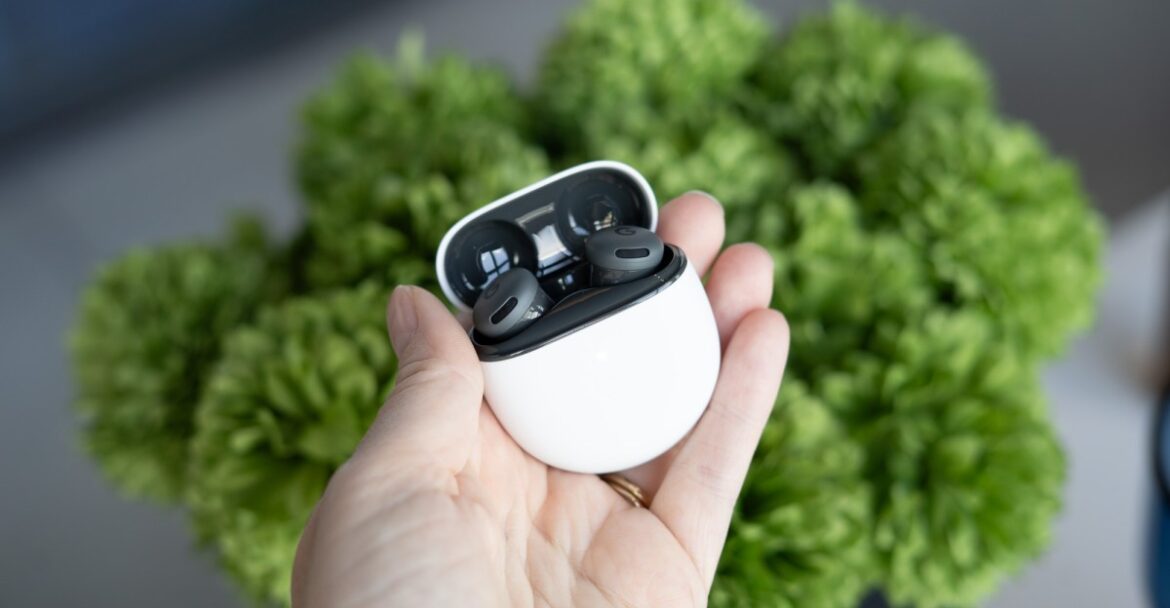
Perhaps most interesting is that these buds are more repairable than the previous model. While fiddling around with the case at a hands-on, I was told that the inside insert pops out, allowing you to replace the battery when it gets old. This dovetails nicely with the Pixel Watch 4, which is also more repairable than previous versions.

These updates aren’t too shabby, but the Pixel Buds 2A aren’t exactly the stars of this year’s Made by Google announcements. While the Pixel 10 phones and the Pixel Watch 4 took center stage at my hands-on, the buds were sequestered to the side, next to the watch straps and other accessories. The units I was shown weren’t even connected, so I couldn’t try the noise-canceling features. Even if I could, a quiet Google office isn’t the ideal environment for getting an accurate sense of the buds’ noise-cancelling prowess. But, the design is familiar, the buds are still extremely lightweight, fit nicely (there are now four eartip sizes and no protruding fins), and the new purple color is fetching. I wish the cases supported wireless charging in addition to USB-C. You can’t have everything.

If there’s a clear theme to all these upgrades, it’s that Google is prepping its hardware for on-the-go AI. For the earbuds, that means futureproofing everything to work with Gemini. It’s the obvious reason for adding the Tensor A1 chip to its budget line, as well as the new noise reduction features that are also coming to the Pro 2. When you consider that the Pixel Watch 4 adds Gemini to the wrist, and that Google’s embarking on a new era of smart glasses with Android XR, the rationale for these particular updates starts falling into place.


Source link

August 22, 2025 0 comments
0 FacebookTwitterPinterestEmail
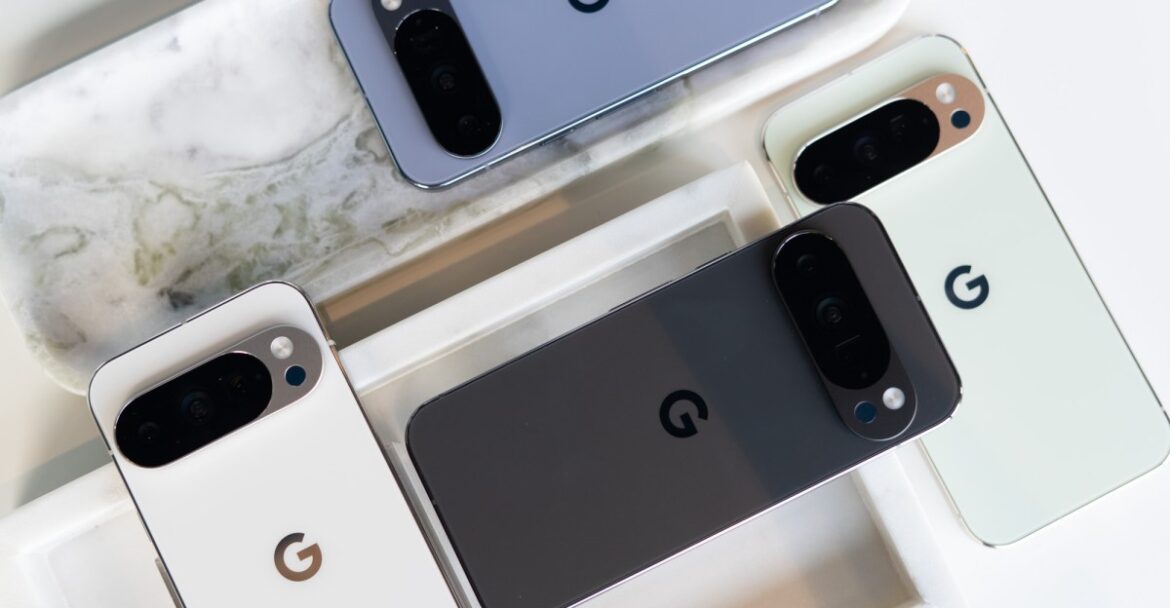
The Google Pixel 10 and 10 Pro come with magnets, a new chip, and AI everywhere
Product Reviews

The Google Pixel 10 and 10 Pro come with magnets, a new chip, and AI everywhere

by admin August 22, 2025


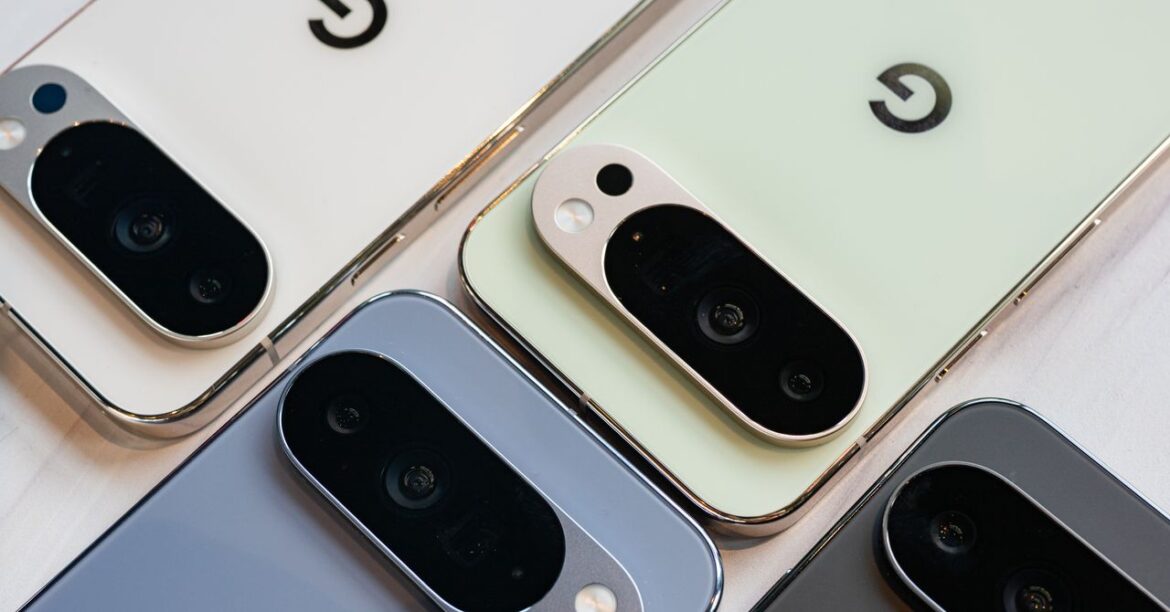
Google has formally announced the Pixel 10, 10 Pro, and 10 Pro XL, and their hardware upgrades can be summed up in two letter/number combinations: G5 and Qi2. Otherwise, there’s not much to see on the outside of the phones. They mostly cost the same as last year’s devices — $799 for the Pixel 10, $999 for the 10 Pro, and $1,199 for the 256GB 10 Pro XL, though Google got rid of the cheaper 128GB Pro XL variant. They also look an awful lot like last year’s phones, with a few specs tweaked here and there. But we got a look at some of the new features running on these phones, including — you guessed it — a bunch of AI stuff, and there’s just a whole lot more going on than meets the eye.

But let’s start with those top-line updates. In each of these phones is the new Tensor G5 chipset, the first one made by TSMC after four generations of Samsung-made, Google-customized silicon. Google says the CPU is on average 34 percent faster than Tensor G4’s, and claims a 60 percent performance increase for on-device AI tasks handled by the TPU. On-device AI is a real theme across the Pixel 10’s new features, which we’ll get to in a minute.

The Pro colors aren’t as bright because these phones are Professionals and very serious. Photo: Allison Johnson / The Verge

The standard-issue Pixel 10 gets to have more fun. Photo: Allison Johnson / The Verge

Then there’s the long-awaited Qi2 charging support. With apologies to the HMD Skyline, we haven’t seen a major Android OEM offer proper Qi2 on a phone until now. That includes the MagSafe-esque ring of magnets on the back panel, which Google is introducing as Pixelsnap. Google will offer a couple of its own accessories at launch: a magnetic stand charger with a detachable wireless charging puck, plus a ring-type grip that also acts as a stand. There are roughly nine million different Magsafe accessories on the market that the Pixel 10 will be compatible with, too. The regular 10 and the 10 Pro will charge at up to 15W with a Qi2 charger, but only the 10 Pro XL supports the top Qi2.2 wireless charging speed of 25W.

There’s good and bad news for the regular Pixel 10. The bad: instead of sharing the 10 Pro’s big 50-megapixel main camera sensor as it has in previous years, the regular 10 makes do with a smaller sensor borrowed from the budget-friendly Pixel 9A. It’s a 48-megapixel 1/2”-type sensor, compared to the 50-megapixel 1/1.3”-type sensor that’s now reserved for the 10 Pro and 10 Pro XL. The Pixel 10 also gets the 9A’s 13-megapixel ultrawide, while the Pro phones get a bigger 48-megapixel sensor. But the good news is that it has a proper telephoto lens for the first time, though again, its 5x camera is a step down from the hardware offered on the Pro phones. Win some, lose some.

1/6Photo: Allison Johnson / The Verge

Speaking of losses: Google is taking a page out of Apple’s playbook, and the versions of the Pixel 10 phones sold in the US will be eSIM-only. The physical SIM tray is replaced with the ability to use two active eSIMs at once and store eight “or more” eSIM profiles.

Screens are a little brighter across the board; batteries are a little bigger, too. The Pixel 10 offers a 4970mAh battery compared to 4700mAh in the Pixel 9. The 10 Pro is actually a little lower than the regular 10, at 4870mAh, which is still a slight bump over the Pixel 9 Pro’s 4700mAh capacity. The Pixel 10 Pro XL gets a 5200mAh capacity, up from 5060mAh in the previous generation.

Maybe the most notable new AI feature on the 10 series is called Magic Cue, which proactively suggests text that you might want to paste into an app or a conversation based on context. If a friend texts to ask for the address of the Airbnb you’re sharing, in theory, Magic Cue will grab the address from your email and suggest it above the keyboard without any input from you. You’ll be able to tap and check the email for yourself, or paste it straight into the conversation. If it recognizes that you’re calling the number of a business listed on an email, like an airline you’ve already booked a flight with, it can surface relevant details in the phone app, like your confirmation number. It looks like a kind of turbo-charged autofill for everything.

Magic Cue works with first-party apps for the most part, including messages, calendar, Gmail, and the phone app, but it’s also built into Gboard, so you may see text suggestions across third-party apps, too. Senior director of product management for Pixel Shenaz Zack confirmed all AI is running on-device, and while it incorporates your very recent phone activity into its suggestions, she says that it’s “ephemeral.” Zack adds, “It’s not going to remember what you did a week ago,” and that it’s not saving any screen content. Zack wouldn’t say whether this feature would roll out to older Pixel devices. It’s one of those things that, if it works as it should, really could save you time and effort as you bounce between apps on your phone. Or it could be nothing at all! Either way, the Google Now dream lives on.

There’s a load of other AI features here, too. On the 10 Pro and 10 Pro XL, the camera app will use diffusion AI models to improve detail in shots taken above 30x zoom. This isn’t just an algorithm deciding whether a pixel should be red based on the pixels around it — this is full-on generative AI in the camera app. It happens after you take a picture, it doesn’t work on people, and the results are tagged as being edited using AI in C2PA content credentials, which are now supported by Google Photos. Good! But holy crap is this an extinction-level “what is a photo” event. I have more thoughts about it all, but regardless of any philosophical hangups, it looked really effective in the demos I saw. What would normally look like digitally zoomed garbage became an actual usable image. Were they photos? Who can say?

This an extinction-level “what is a photo” event

Then there’s the lightning round of AI features. There’s an AI Camera Coach, which gives you step-by-step directions to improve a particular photo you’re trying to compose. Nice idea, but I’m not sure who’s going to use it. You can now use text prompts to edit photos in the AI-powered Magic Editor. There’s also a journal app, because Google and Apple can’t stop copying each other, and this one uses AI to assign a smiley face emoji summing up your daily entries and generates prompts based on what you’ve written about. Creepy!

Finally, there’s an AI translator in the phone app — not a new concept. But this version uses AI to mimic the voice of the person you’re talking to, so you’ll hear translations in something closer to their speech rather than a robot. The effect is decent, if not spot on.

The Pixel 10, Pixel 10 Pro, and Pixel 10 Pro XL are available for preorder today; they’ll be on shelves August 28th. The Pixel 10 starts at $799, and the 10 Pro starts at $999 — same as last year’s phones. Starting at $1,199, the Pixel 10 Pro XL isn’t technically more expensive than the 9 Pro XL, since it matches the price for last year’s 256GB variant; you just won’t find a $1,099 128GB version this time around.

Photography by Allison Johnson / The Verge

114 CommentsFollow topics and authors from this story to see more like this in your personalized homepage feed and to receive email updates.

  • Allison JohnsonClose

    Allison Johnson

    Posts from this author will be added to your daily email digest and your homepage feed.

    PlusFollow

    See All by Allison Johnson

  • AIClose

    AI

    Posts from this topic will be added to your daily email digest and your homepage feed.

    PlusFollow

    See All AI

  • Featured VideosClose

    Featured Videos

    Posts from this topic will be added to your daily email digest and your homepage feed.

    PlusFollow

    See All Featured Videos

  • GoogleClose

    Google

    Posts from this topic will be added to your daily email digest and your homepage feed.

    PlusFollow

    See All Google

  • Google PixelClose

    Google Pixel

    Posts from this topic will be added to your daily email digest and your homepage feed.

    PlusFollow

    See All Google Pixel

  • Hands-onClose

    Hands-on

    Posts from this topic will be added to your daily email digest and your homepage feed.

    PlusFollow

    See All Hands-on

  • MobileClose

    Mobile

    Posts from this topic will be added to your daily email digest and your homepage feed.

    PlusFollow

    See All Mobile

  • ReviewsClose

    Reviews

    Posts from this topic will be added to your daily email digest and your homepage feed.

    PlusFollow

    See All Reviews

  • TechClose

    Tech

    Posts from this topic will be added to your daily email digest and your homepage feed.

    PlusFollow

    See All Tech


Source link

August 22, 2025 0 comments
0 FacebookTwitterPinterestEmail
DAAPrivacyRightIcon
Product Reviews

Google AI Mode is expanding to 180 countries and adding an agentic restaurant finder

by admin August 21, 2025


Google’s seemingly unrelenting quest to infuse AI into every aspect of your online life just got a lot more global in scope, with the company expanding its AI Mode in Search to over 180 new countries. AI Mode has previously only been available in the US, India and the UK, and while English remains the only supported language right now, Google says it’ll add more soon.

Google is also expanding its AI Mode’s agentic capabilities, so you can now use natural language to find restaurant reservations. Google says you can ask about getting a dinner reservation with conditions such as group size, date, location and your preference of cuisine, all of which be taken into consideration when AI Mode pulls in its results from across the web. Suggestions will be presented in list form with the available reservation slots. It’ll also provide a link to the booking page you need. Google also plans to add local service appointments and event ticketing capabilities soon, with Ticketmaster and StubHub among its partners.

AI Mode leverages Google’s web-browsing AI agent Project Mariner’ its direct partners on Search and resources like Knowledge Graph and Google Maps when prompted to find you somewhere to eat. It has partnered with the likes of OpenTable, Resy and Tock to incorporate as many restaurants as possible and streamline the booking process. Right now, this feature is exclusive to those subscribed to the wildly expensive Google AI Ultra plan in the US, and can be accessed through its Labs platform. If you opt into the AI Mode experiment it can also remember your previous conversations and searches to give you results that more closely match your preferences.

Finally, if your AI-powered conversations are simply too interesting to keep to yourself, Google will now let you bring others in when you tap the “Share” button on a response. This allows your chosen contact to join the conversation at that point and ask their own follow-up questions. Google uses planning trips or parties as examples of when you might want to collaborate with someone else on an AI-assisted task. The original sender can delete shared links whenever they like.


Source link

August 21, 2025 0 comments
0 FacebookTwitterPinterestEmail
Google Doubles Down on AI: Veo 3, Imagen 4 and Gemini Diffusion Push Creative Boundaries
NFT Gaming

Google Unveils Pixel 10 Lineup With AI Features, New Watch and Earbuds

by admin August 21, 2025


In brief

  • The Pixel Watch 4 and Pixel Buds 2a also debuted, adding AI health tools and translation.
  • Google introduced Pixelsnap, a Qi2 magnetic charging system with new accessories.
  • A new AI voice assistant, Gemini for Home, will replace Google Assistant on Nest devices.

Google unveiled the Pixel 10 lineup on Wednesday at its annual Made by Google event, rolling out four new phones alongside a smartwatch, earbuds, and a smart home assistant.

Each device leans on on-device artificial intelligence to power features from messaging to photography.

While the star-studded event included guests like Jimmy Fallon, Steph Curry, and the Jonas Brothers, the main star was the Pixel 10 family, which includes four models—the Pixel 10, 10 Pro, 10 Pro XL, and 10 Pro Fold—all running on Google’s new Tensor G5 chip.

The processor powers Gemini Nano, a lighter version of the company’s AI model that runs directly on the device and enables more than 20 generative tools without relying on the cloud.


New AI features

The upgrades reflect Google’s broader push to weave Gemini AI into every product, a strategy it ramped up last year with sweeping updates to Search, Images, and Google Meet.

“We’ve been building toward this universal AI assistant with Gemini,” Google Senior VP of Platforms and Devices Rick Osterloh said during the event. “The assistant has to be personal and intelligent enough to understand you and your context. And it has to be agentic, meaning it can take action for you under your direction.”

On the Pixel 10, that shows up in nine new AI-powered tools.

Magic Cue pulls context from Gmail, Calendar, and other apps during calls and messages. Voice Translate handles real-time translations in 12 languages, replicating each speaker’s voice. Call Screen expands with Take a Message, which generates transcripts for missed calls and suggests follow-ups.

Google is also embedding AI into everyday habits. Pixel Journal offers reflection prompts, Gboard can rewrite texts in different tones, Recorder turns hummed melodies into music, and NotebookLM links screenshots and transcripts into a searchable notebook.

Gemini Live adds visual help by analyzing the camera or screen and is tied into Google apps, including Calendar, Keep, and Tasks, with Messages and Maps support on the way. Its updated voice model sounds more natural and lets users adjust speed, tone, and accents.

The Google Pixel 10, Pixel 10 Pro, and Pixel 10 Pro XL will begin shipping on August 28th. Pre-orders for these models are open now. The Pixel 10 Pro Fold will be available for pre-order on August 20th, with shipping starting on October 9th.

The timing matters: Apple has delayed its own “Apple Intelligence” features into 2026, giving Google a chance to win consumers with AI functions that actually ship.

Gemini for Home

Google is also extending its AI push beyond phones—starting with the home, introducing Gemini for Home, a new voice assistant set to replace Google Assistant in Nest devices.

Rolling out in October with free and paid tiers, it’s designed to handle more complex commands and respond in natural conversation.

Pixel 10 Phones

The Pixel 10 lineup spans four price points: $799 for the Pixel 10, $999 for the 10 Pro, $1,199 for the Pro XL, and $1,799 for the Pro Fold.

The Pixel 10 is the base model with a 6.3-inch display, standard triple-lens camera, and 12GB of RAM. The Pixel 10 Pro upgrades to a sharper LTPO screen, a more advanced camera system with 100x zoom, and 16GB of RAM.

The Pro Fold adds a foldable 8-inch inner display, an extra selfie camera, and the highest price tag in the lineup. Google says its new hinge is twice as durable, though it hasn’t released test data to back the claim.

Preorders are open now. The Pixel 10, 10 Pro, and 10 Pro XL ship Aug. 28. The Pro Fold launches Oct. 9.

Pixel Watch 4 and Buds 2a

The Pixel Watch 4, powered by Tensor G5, uses Fitbit integration for AI-based workout and wellness coaching.

The $129 Pixel Buds 2a and $229 Pixel Buds Pro 2 offer adaptive audio, Gemini integration, noise cancellation, and real-time translation.

Generally Intelligent Newsletter

A weekly AI journey narrated by Gen, a generative AI model.


Source link

August 21, 2025 0 comments
0 FacebookTwitterPinterestEmail
Google Pixel Watch 4 hands-on: big ideas for the AI wearable future
Product Reviews

Google Pixel Watch 4 hands-on: big ideas for the AI wearable future

by admin August 21, 2025


The original Pixel Watch was late to the game. For years, there had been rumors of a Google smartwatch that never materialized. Then, when it finally arrived, it was a quintessential first-gen device, with thicc bezels, dismal battery life, and a host of quirks that needed ironing out. My DMs were full of people wondering when the watch would be unceremoniously dumped into Google’s infamous product graveyard. A part of me wondered if Google was going to spend the next decade playing catch-up.

Fast forward to 2025, and I’m holding the Pixel Watch 4 at Google’s office in New York City. On the surface (and my wrist), it doesn’t look like much has changed. But after fiddling with a few menus, watching some demos, and talking over the updates, it’s evident that Google has a clear vision about where smartwatches are going.

“The overall lens through which we see our mission as a team is ‘essential companion,’” says Sandeep Waraich, Google’s product lead for Pixel wearables. That “essential companion,” Waraich says, should be a wearable and continuous presence on your body that’s intelligent, helps coach you to better health, and also acts as a “guardian.”

Viewed that way, the bevy of Pixel Watch 4 updates starts to look like a roadmap.

The Pixel Watch 4’s new display has thinner bezels, 10 percent more screen area, and a 50 percent increase in brightness.

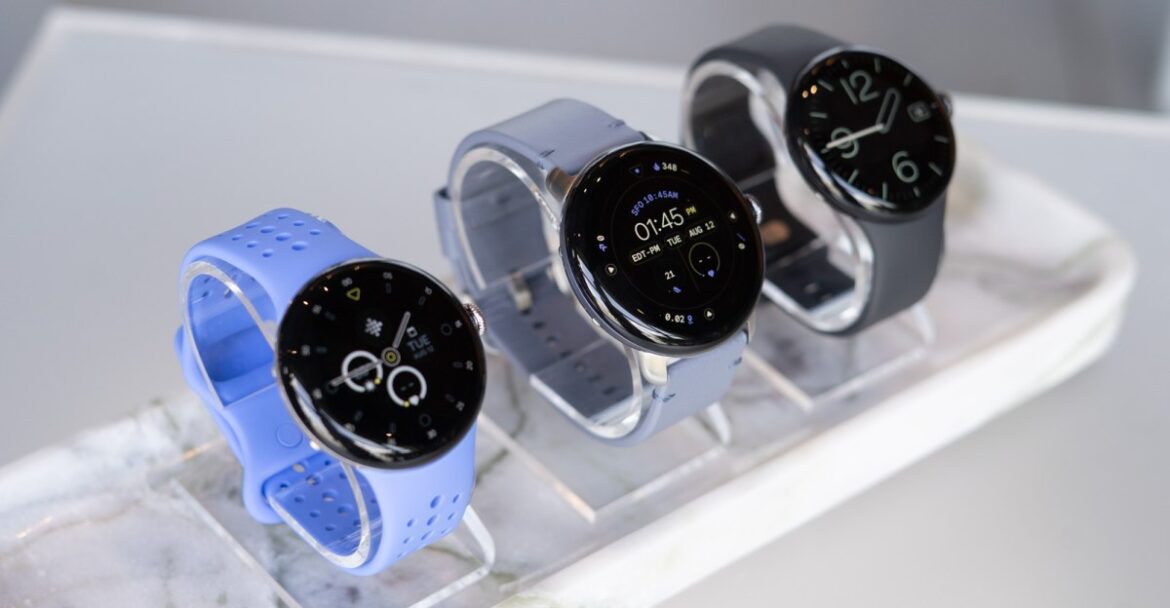
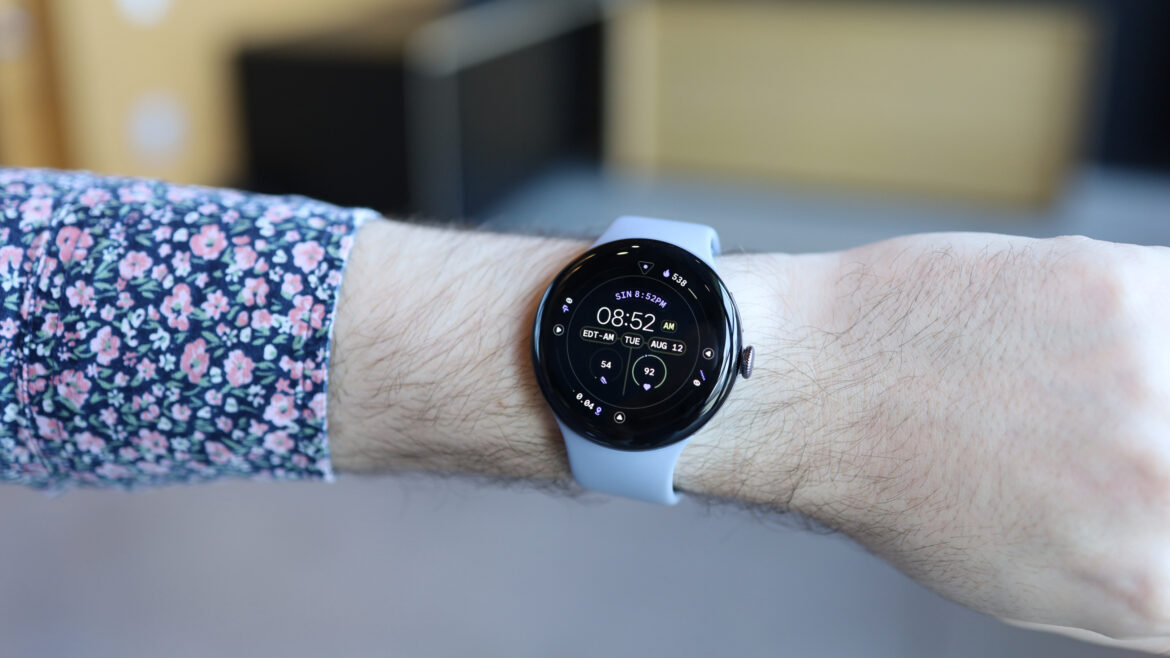
Starting with hardware, the Pixel Watch 4 has a new domed “Actua 360” display — as in, the display itself, not just the glass, is also domed. What this translates to is about 10 percent more visible screen space, 15 percent thinner bezels, and a 50 percent increase in maximum brightness to 3,000 nits. On a table, there’s a lineup of the Pixel Watch 2, 3, and 4 with the flashlight app turned on. Side-by-side, the improvements are striking.

Material 3 Expressive in Wear OS 6 also helps emphasize the Pixel Watch’s roundness. (No squircles here, folks.) The widgets have more rounded edges, and each screen has been redesigned to be more glanceable, fitting more complications. It’s not Liquid Glass, but there are subtle animations when flitting through menus that call your attention to the Pixel Watch’s rain droplet-inspired design. Altogether, it’s a design tweak that makes sense and is aesthetically pleasing.

Google also says battery life has improved. The 41mm watch gets an estimated 30 hours on a single charge, while the 45mm gets 40 hours. That can stretch up to two days in battery saver mode for the smaller watch and three days for the larger one. I couldn’t test that at a hands-on, but I did get to see the improved fast charging in action. At 1:30PM ET, I stuck a 45mm Pixel Watch 4 with 50 percent battery on the watch’s new side-mounted charger. By 1:48PM, it was at 94 percent. Google says this translates to about 25 percent faster charging, taking only 15 minutes to go from zero to 50 percent.

Look! Tiny screws! According to Waraich, the inside of the Pixel Watch 4 resembles a “bento box” for better serviceability.

I was prepared to hate the new side-mounted charger, which sees the charging pins moved onto the edge opposite the crown. Three proprietary chargers in four years feels wasteful. But while I don’t love e-waste, I do like the change. For one, it turns your watch into a little desk or nightstand display. It also makes it so that it doesn’t matter what kind of strap you use. With more traditional charging pucks, a loop-type band without a clasp tends to flop over. My colleague Allison Johnson pointed out that it kind of looks like the Pixel Watch is resting its tired little head on a pillow. That’s kind of cute.

Another thing that caught my eye: if you remove the straps and peer into the lugs, you now see two teeny tiny screws — because starting this year, the Pixel Watch 4’s display and battery will be replaceable and repairable. The screws aren’t proprietary either, and according to Waraich, the idea is to make the devices as durable and long-lasting as possible. He also says this will be true of every Pixel Watch going forward.

That’s huge. Smartwatches are notoriously hard to repair, and the Pixel Watch’s screen design makes it particularly prone to damage. (The Verge should know; we unintentionally cracked the displays of two Pixel Watches.) Repairability has specifically been a pain point for the Pixel Watches, so seeing Google take that feedback to heart is encouraging.

Put together, these hardware updates really zero in on Google’s attempt to build a glanceable device that lasts a long time. As for the personalized companion part, well, of course that’s referring to AI.

The new charger looks like a little pillow for a sleepy smartwatch.

As with the Galaxy Watch 8, Gemini has a big presence on the Pixel Watch 4. It replaces Google Assistant and is capable of more complex queries — even if none have been able to blow my mind yet. But, in a bid to make interacting with Gemini as smooth as possible, the speaker and haptic engines have also been updated so you can hear and interact more easily. There’s also a new raise-to-talk gesture that lets you speak to Gemini without having to use the wake word. The processor has been upgraded to the Snapdragon W5 Gen 2 to enable more on-device AI features, as well, like smart replies. On the Pixel Watch 4, you’ll get more smart reply options to texts that refer to the content of your conversations. They’re not confined to the default Messages app, either.

But the major AI update this time around is a Gemini-powered health coach that’s slated to arrive alongside a revamped Fitbit app in October. So far, I’ve been skeptical about AI fitness features, but I’m cautiously curious about what I’ve seen from Google. The gist is the health coach will act more like a personal trainer than a Captain Obvious summary generator. If you sleep poorly, it’ll adjust workout suggestions. (This is also why Google is also introducing an improved sleep algorithm.) You can tell it that you’ve been injured, and that too will be taken into consideration when generating weekly fitness plans. I did a deeper dive on the health coach demo, but to keep things brief, this is the first time that I’ve felt remotely intrigued by any AI health coaching feature.

Another big first is the Satellite SOS mode. If you’re without your phone and in a remote area with no signal, you can still call emergency services. (So long as you have the LTE version of the watch.) The big thing here is that there’s no extra subscription cost. The watch will also feature more accurate dual-frequency GPS — a nice update given that I’ve had issues with the Pixel Watch’s GPS maps in the past.

It only looks like last year’s Pixel Watches. These updates are incredibly substantive.

When you look back at the original Pixel Watch, this is a substantial amount of progress. There’s a healthy mix of sensible and experimental ideas. As far as AI smartwatch assistants, Google has beaten Apple to the punch. (Technically, Samsung got Gemini on a smartwatch first, but Gemini is Google’s baby.) Satellite SOS on a smartwatch is also an industry first, and Google is making a statement here with repairability. We’ll have to see how that AI coach fares in testing, but here, too, Google is barreling forward.

I’m not saying every update or idea presented here is a good one. But you can at least see the shape of Google’s plans: a sleek, all-day, and personalized companion that lets you bring AI where your phone can’t easily go. There are rough edges. Some would argue glasses are a much better form factor for this concept. But, given how many wearable makers have felt stuck in a loop of iterative updates, it’s refreshing to see that Google has a bold, wearable thesis that it’s working toward. Whether it can truly execute on delivering the ultimate “essential companion” is up for debate. But right now? Dare I say it, I think Google has the wearable juice.
Photos by Allison Johnson / The Verge

Follow topics and authors from this story to see more like this in your personalized homepage feed and to receive email updates.

  • Victoria SongClose

    Victoria Song

    Senior Reviewer, Wearable Tech

    Posts from this author will be added to your daily email digest and your homepage feed.

    PlusFollow

    See All by Victoria Song

  • AIClose

    AI

    Posts from this topic will be added to your daily email digest and your homepage feed.

    PlusFollow

    See All AI

  • Featured VideosClose

    Featured Videos

    Posts from this topic will be added to your daily email digest and your homepage feed.

    PlusFollow

    See All Featured Videos

  • GadgetsClose

    Gadgets

    Posts from this topic will be added to your daily email digest and your homepage feed.

    PlusFollow

    See All Gadgets

  • GoogleClose

    Google

    Posts from this topic will be added to your daily email digest and your homepage feed.

    PlusFollow

    See All Google

  • Google PixelClose

    Google Pixel

    Posts from this topic will be added to your daily email digest and your homepage feed.

    PlusFollow

    See All Google Pixel

  • Hands-onClose

    Hands-on

    Posts from this topic will be added to your daily email digest and your homepage feed.

    PlusFollow

    See All Hands-on

  • ReviewsClose

    Reviews

    Posts from this topic will be added to your daily email digest and your homepage feed.

    PlusFollow

    See All Reviews

  • SmartwatchClose

    Smartwatch

    Posts from this topic will be added to your daily email digest and your homepage feed.

    PlusFollow

    See All Smartwatch

  • TechClose

    Tech

    Posts from this topic will be added to your daily email digest and your homepage feed.

    PlusFollow

    See All Tech

  • WearableClose

    Wearable

    Posts from this topic will be added to your daily email digest and your homepage feed.

    PlusFollow

    See All Wearable


Source link

August 21, 2025 0 comments
0 FacebookTwitterPinterestEmail
The Google Pixel 10 Pro Fold is the first fully dust-resistant foldable
Product Reviews

The Google Pixel 10 Pro Fold is the first fully dust-resistant foldable

by admin August 20, 2025


Finally, a foldable to take to the beach. The Google Pixel 10 Pro Fold is official, matching last year’s starting MSRP of $1,799, and it comes with an IP68 rating. That means full water and dust resistance, which is something that no other foldable maker has figured out yet — and no small feat for a device with moving parts.

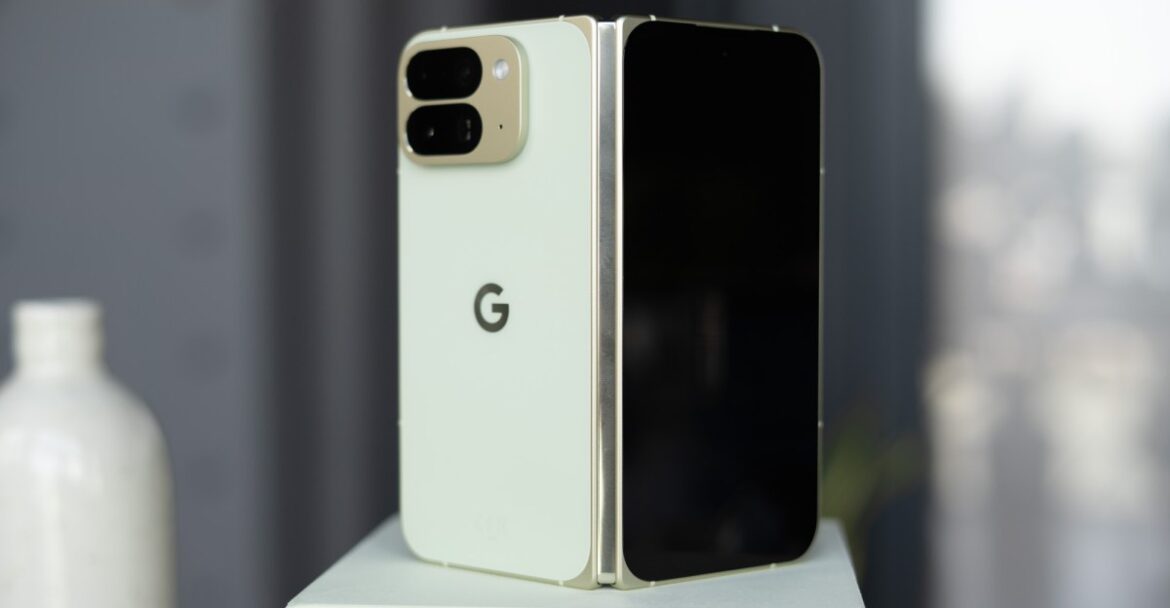
The 10 Pro Fold uses a new hinge with a gear-less design that Google says provides better protection against drops. It certainly feels sturdy, though it didn’t feel overly stiff when I unfolded and folded the phone back up again. The crease on the inner screen doesn’t look any more prominent to my eye, but I’m not usually bothered by the crease anyway.

Very small particles are a particular concern for foldables. A piece of sand or dirt that works its way under the sensitive inner screen can cause it to fail. Folding phones have some protections against particles, like brushes in the hinges to keep dust out, but none had been considered fully dust-tight — until now. Samsung’s IP48-rated Folds and Flips only guarantee protection against objects greater than a millimeter in size, which is bigger than a speck of dust (not to mention many sand grains).

Dust resistance isn’t the only hardware change on the 10 Pro Fold. When folded, the front panel is about a millimeter narrower, making the whole device a tiny bit less wide than the last version. With slimmer bezels, the outer screen measures 6.4 inches compared to 6.3 inches on the 9 Pro Fold, and the 8-inch inner display gets a little brighter in peak brightness mode this time around: 3,000 nits compared to 2,700.

The 10 Pro Fold gets the same high-level updates as the rest of the Pixel 10 series, including the new Tensor G5 chip and Qi2 support. Tensor G5 is at least partially responsible for a slew of new AI features, many of which run on the device itself. There’s a translator for phone calls that mimics the speaker’s voice, something called Magic Cue that proactively finds and suggests relevant bits of information based on context, and a journal app with AI-powered prompts. You can read up on the new AI features in more detail by jumping over to my Pixel 10 and 10 Pro hands-on.

Qi2 is a welcome addition to the Android ecosystem, offering support for up to 15W charging on the 10 Pro Fold and compatibility with a whole wide world of phone accessories thanks to the embedded magnets in the device. Google is calling its version Pixelsnap, and I can confirm that its first-party magnetic ring grip will remain stuck to a folding phone even while dangling the phone by the ring. Did it still make me a little queasy? Absolutely.

One place the 10 Pro Fold hasn’t offered improvements is in camera hardware. The Fold’s sensors and lenses are still a bit smaller than the more powerful, light-sensitive hardware on the two slab-style Pro phones. Google may have solved dust resistance on a folding phone, but it hasn’t found a way to cram in better cameras.

The Google Pixel 10 Pro Fold will come in two options that are shockingly not white or black: a gray-ish “moonstone” and a subtle greenish-yellow “jade.” It goes on sale on October 9th, with preorders starting today.

Photos by Allison Johnson / The Verge


Source link

August 20, 2025 0 comments
0 FacebookTwitterPinterestEmail
Google Pixel Watch 4 hands-on
Product Reviews

The Google Pixel Watch 4 might look similar to its predecessor, but the changes under the hood could make a big difference

by admin August 20, 2025


Why you can trust TechRadar


We spend hours testing every product or service we review, so you can be sure you’re buying the best. Find out more about how we test.

Google Pixel Watch 4: Two-minute review

Google has released its latest crop of hardware at its Made by Google 2025 event, including phones, earbuds, and its next-generation smartwatch, the Google Pixel Watch 4. Similar to the Samsung Galaxy Watch 8 or Apple Watch Series 10, the latest generation of the Pixel Watch 4 is less about earth-shattering changes and more about refinements to a working formula.

Google is sticking with the now-iconic and really quite lovely polished pebble circular build that comes in two sizes – the addition of a 45mm option alongside the 41mm model was the big change last year. That means more choice for you if the Pixel Watch sparks your interest, and ultimately lets you get the one that’s the right size for your wrist.

Google is also mostly sticking with the same prices as last year (there’s a small increase for the 45mm version in Australia). And despite the outward similarities there are some significant upgrades here, including a healthy dose of AI smarts powered by some new silicon, a forthcoming AI coach that’s part of a larger Fitbit rollout, replaceable parts, a refreshed user interface, and a new domed display that’s physically raised to the touch.

  • Google Pixel Watch (Black) at Amazon for $75

Google Pixel Watch 4: Specifications

Swipe to scroll horizontally

Component

Google Pixel Watch 4

Price

Starting at $399 / £349 / AU$579

Dimensions

41 x 41 x 12.3mm / 45 x 45 x 12.3mm

Weight

31g / 36.7g without straps

Caze/bezel

Recycled aluminum

Display

320ppi always-on display AMOLED with up to 3,000 nits brightness

Operating System

Wear OS 6.0

Processor

Qualcomm Snapdragon W5 Gen 2 processor with an ML coprocessor

Memory

2GB of RAM

Storage

32GB

GPS

GPS (Dual-Frequency), Galileo, GLONASS, Beidou, QZSS

Battery life

Up to 72 hours with battery saver enabled or up to 40 hours with always-on display enabled

Connection

Bluetooth, Wi-Fi, LTE

Water resistance

WR50, IP68

Google Pixel Watch 4: Dome sweet dome

(Image credit: Future/Lance Ulanoff)

The first thing I noticed during my hands-on time with the Pixel Watch 4 was that the display itself is not flat like on the Pixel Watch 3. Sure, we’ve seen smartwatches on which the display slopes down the sides towards the watch case, such as the Apple Watch Series 10, but the glass display here is actually domed to the point where, as you swipe across the screen, you’ll feel the surface rise or lower.

This makes the sides of the display and the graphics appearing on the edges even more sloped, a feature the new Material 3 Expressive interface uses in its animations. However, it also noticeably increases the thickness on your wrist. The domed 360 Actua display still looked rich and vibrant with crisp text or numbers, and it got considerably brighter in the demo room, which wasn’t brightly lit. Google says it can hit up to 3,000 nits, a jump of 1,000 nits compared to the Pixel Watch 3.

The third-generation Pixel Watch got a larger display than its predecessor, and the fourth-gen model goes bigger again, with 16% smaller bezels and 10% larger active display area, which Google says is made possible by the domed display.

(Image credit: Future/Lance Ulanoff)

I think the physical touch and interaction with the watch might take some time to get used to, but the new design delivers a theoretically more durable surface – as is the case with some dome shapes – and more space to hit touchpoints or see items presented on your wrist is certainly a win. It’s something I’m eager to spend more time exploring, and it enhances what I described in my Pixel Watch 3 review last year as the ‘polished pebble’ effect of the Pixel Watch’s looks.

Sign up for breaking news, reviews, opinion, top tech deals, and more.

The Pixel Watch 4 still boasts Corning Gorilla Glass to protect against drops or scratches, and the rest of the build here is aerospace-grade aluminum. It’s also water-resistant up to 50 meters. Another major change this year is a redesigned back, which has resulted in the moving of the charging ports in order to make this smartwatch repairable and serviceable.

Yes, you’ll notice several screws, which allow the battery to be replaced for a more sustainable design. This isn’t something that’s common for major smartwatch brands, as most devices are sealed units, so it’s a welcome step in the right direction from Google.

(Image credit: Future/Jacob Krol)

This also means a pretty significant change in charger design, as you’ll no longer place this on a proprietary puck with prongs as you would the Galaxy Watch, Apple Watch, or any Pixel Watch before this. The Pixel Watch 4 charges on its side in a dock, and if you’re charging it on a nightstand this should make it easier to use the smartwatch as a small alarm clock – it’s even perfectly positioned so that you can tap the crown to snooze.

Google is also taking advantage of these charger and design changes to speed up refueling. You can now charge the Pixel Watch 4 from 0% to 50% in just 15 minutes, and Google is promising longer battery life for both sizes – up to 30 hours for the 41mm and up to 40 hours for the 45mm. Your mileage will, of course, vary depending on usage, but it’s a good step beyond the Pixel Watch 3.

Google Pixel Watch 4: A faster experience

(Image credit: Future/Lance Ulanoff)

While I only spent about half an hour with the Pixel Watch 4, it felt like a modern-day smartwatch that was responsive and zippy fast. Under the hood it’s powered by Qualcomm’s Snapdragon W5 Gen 2 Wearable Platform and a next-gen ML CoProcessor, both of which ensure that the new Material 3 Expressive interface design runs well here. It was easy enough to swipe between tiles, and I especially liked the more vibrant nature of the colors, which you can, of course, customize. Overall, this watch feels speedy compared to previous years.

Google’s new Smart Replies feature looks like a welcome innovation, especially if you’re tired of suggested replies that often lack context and are unsuited to the conversation. The Pixel Watch 4’s silicon can power an on-device large language model to generate appropriate suggested replies based on what a message says.

I even tested it with a message that referenced delays on my local train service, and the Pixel Watch 4 delivered an appropriate response. It took a few seconds, but it’s much better than the list found on previous Pixel Watches, the Galaxy Watch, or the Apple Watch.

We’ve already seen Gemini arrive on-wrist courtesy of the Galaxy Watch 8, but Google is serving up something special for its watch, and that’s a ‘raise to talk to the AI assistant’ functionality. Simply raise your wrist, and a glowing bar appears at the bottom of the display, which indicates that Gemini is listening and that you can start your request. You don’t need to say ‘Hey Gemini’ – Google has us pretty well trained in that department – and it worked well in a short demo, quickly pulling up the weather.

(Image credit: Future/Lance Ulanoff)

While I didn’t get to try any of the health and activity features, Google’s shipping the Pixel Watch 4 with a familiar suite that includes general activity, heart-rate, blood oxygen (SpO2), and sleep tracking. You can also take an ECG or Electrocardiogram, and there’s an improved Skin Temperature sensor for more accurate readings. You can also track over 40 workouts with the Pixel Watch 4.

The real big potential leap, though, is a promised ‘personal AI health coach’ that’s powered by Gemini and set to arrive at some point in October as a preview in the United States at first. It should go beyond ‘Workout Buddy’ on the Apple Watch and some AI features on the Galaxy Watch, but we don’t know exactly what it entails just yet. Google is promising it to be a coach of sorts that bases recommendations on your health data and that you can chat with, maybe something similar to that of Oura Advisor.

It’s shaping up to be a pretty strong smartwatch, and while the Pixel Watch 4 doesn’t usher in a tremendously radical redesign, it’s mostly about polishing and the addition of a healthy dose of AI functionality – something that Google is a big fan of. It’s likely that you don’t need to rush out for it if you already have a Pixel Watch 3, but those with an older model may want to consider an upgrade. We’ll be back with more once we’ve had time to put it through its full paces and see how the changes perform in the real world.

Google Pixel Watch 4: Pricing and Availability

If you’re looking to upgrade from, say, a Pixel Watch 2 or 3, maybe another Android smartwatch, or even getting your first one, there is a wait for when you’ll actually receive a new Pixel Watch.

Google is taking orders right now for the Pixel Watch 4 – it begins on August 20, 2025 – but the smartwatch won’t officially launch until October 9, 2025. That’s when the first shipments should arrive, depending on demand, and when you’ll find it available at retail locations.

Unlike other gadgets that have seen price hikes year over year, the Pixel Watch 4 sticks with the same price as the Pixel Watch 3. Meaning it’s priced at $349 / £349 / AU$579 for the 41mm Pixel Watch 4 with Wi-Fi and Bluetooth, or $449 / £449 / AU$749 for cellular connectivity. The larger, 45mm Pixel Watch 4 is $399 / £399 / AU$669 for Bluetooth and Wi-Fi, or $499 / £499 / AU$839 for connectivity.

Beyond accessing the internet with the cellular connectivity model, you’ll also need to spend more to get emergency satellite functionality on the Pixel Watch 4. There isn’t an extra monthly or annual cost – at least for two years, that’s what Google provides out of the box – but it needs to make use of the bands found in the cellular version of the watch. That could be a reason alone to get it right there.

Google Pixel Watch: Price Comparison


Source link

August 20, 2025 0 comments
0 FacebookTwitterPinterestEmail
  • 1
  • …
  • 5
  • 6
  • 7
  • 8

Categories

  • Crypto Trends (1,098)
  • Esports (800)
  • Game Reviews (772)
  • Game Updates (906)
  • GameFi Guides (1,058)
  • Gaming Gear (960)
  • NFT Gaming (1,079)
  • Product Reviews (960)

Recent Posts

  • This 5-Star Dell Laptop Bundle (64GB RAM, 2TB SSD) Sees 72% Cut, From Above MacBook Pricing to Practically a Steal
  • Blue Protocol: Star Resonance is finally out in the west and off to a strong start on Steam, but was the MMORPG worth the wait?
  • How to Unblock OpenAI’s Sora 2 If You’re Outside the US and Canada
  • Final Fantasy 7 Remake and Rebirth finally available as physical double pack on PS5
  • The 10 Most Valuable Cards

Recent Posts

  • This 5-Star Dell Laptop Bundle (64GB RAM, 2TB SSD) Sees 72% Cut, From Above MacBook Pricing to Practically a Steal

    October 10, 2025
  • Blue Protocol: Star Resonance is finally out in the west and off to a strong start on Steam, but was the MMORPG worth the wait?

    October 10, 2025
  • How to Unblock OpenAI’s Sora 2 If You’re Outside the US and Canada

    October 10, 2025
  • Final Fantasy 7 Remake and Rebirth finally available as physical double pack on PS5

    October 10, 2025
  • The 10 Most Valuable Cards

    October 10, 2025

Newsletter

About me

Welcome to Laughinghyena.io, your ultimate destination for the latest in blockchain gaming and gaming products. We’re passionate about the future of gaming, where decentralized technology empowers players to own, trade, and thrive in virtual worlds.

Recent Posts

  • This 5-Star Dell Laptop Bundle (64GB RAM, 2TB SSD) Sees 72% Cut, From Above MacBook Pricing to Practically a Steal

    October 10, 2025
  • Blue Protocol: Star Resonance is finally out in the west and off to a strong start on Steam, but was the MMORPG worth the wait?

    October 10, 2025

Newsletter

@2025 laughinghyena- All Right Reserved. Designed and Developed by Pro


Back To Top
Laughing Hyena
  • Home
  • Hyena Games
  • Esports
  • NFT Gaming
  • Crypto Trends
  • Game Reviews
  • Game Updates
  • GameFi Guides
  • Shop

Shopping Cart

Close

No products in the cart.

Close