
Laughing Hyena
  • Home
  • Hyena Games
  • Esports
  • NFT Gaming
  • Crypto Trends
  • Game Reviews
  • Game Updates
  • GameFi Guides
  • Shop
Tag:

Gemini

Winklevoss' Gemini Offering ETH and SOL Staking in U.K.
Crypto Trends

Crypto Exchange Gemini Boosts IPO Price Range to $24-$26 Per Share

by admin September 10, 2025


Gemini, the crypto exchange run by Tyler and Cameron Winklevoss, has boosted the price range for its planned Friday IPO, the company said in an updated S1 filing on Tuesday.

The firm now expects to sell 16.67 million shares between $24 and $26 each in the public offering versus the previous range of $17-$19. At the high end of the new range, Gemini would raise more than $430 million at about a $3.1 billion valuation.

Goldman Sachs, Citigroup, Morgan Stanley and Cantor are the lead underwriters on the IPO.

Crypto native companies are increasingly looking to go public under President Trump’s more benign regulatory regime. Gemini’s public listing follows that of rival exchange Bullish (BLSH), CoinDesk’s owner, and stablecoin issuer Circle (CRCL).

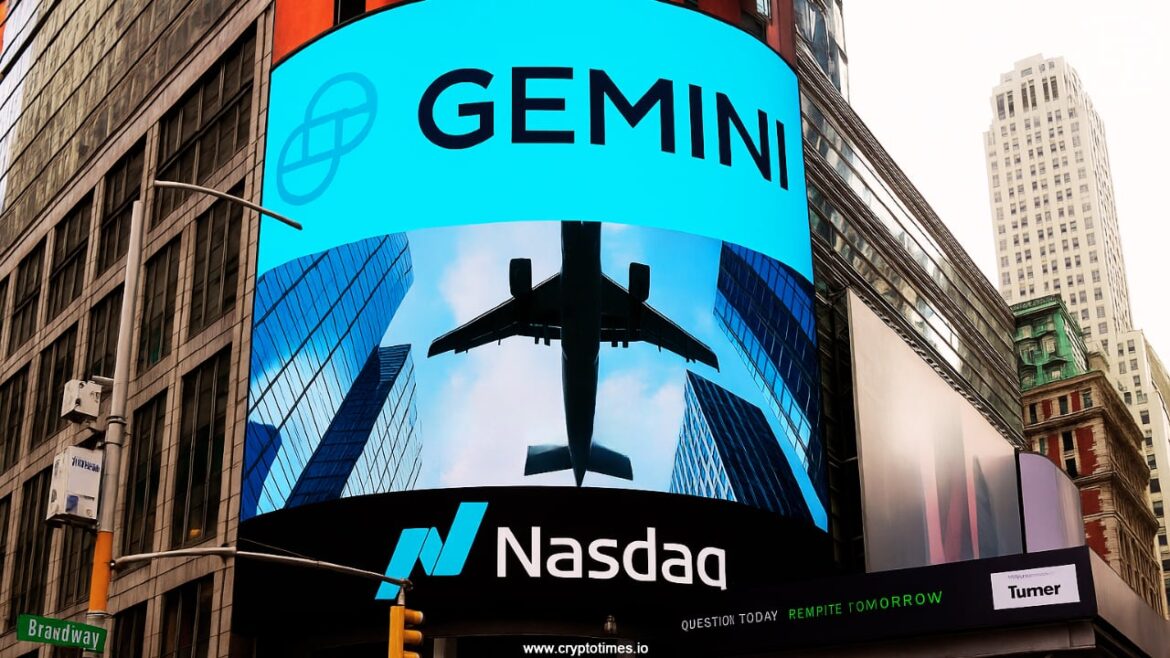
Exchange giant Nasdaq (NDAQ) has entered into an agreement to buy $50 million of shares in a private placement at a per share price equal to the IPO price.

The stock will list on the Nasdaq Global Select Market under the ticker symbol GEMI.

Read more: Crypto Exchange Gemini Aims for $2.22B Valuation in U.S. IPO, Seeking to Raise $317M



Source link

September 10, 2025 0 comments
0 FacebookTwitterPinterestEmail
Gemini Secures Nasdaq As Investor Before New York Listing
GameFi Guides

Gemini Secures Nasdaq as Investor Before New York Listing

by admin September 9, 2025


Gemini, the cryptocurrency exchange founded by Tyler and Cameron Winklevoss, has secured Nasdaq as a strategic investor ahead of its New York listing this week.

As per a Reuters report, Nasdaq will buy $50 million worth of Gemini shares during the IPO through a private placement. This investment will also result in a collaboration in which Nasdaq clients can access Gemini’s cryptocurrency custody and staking services.

In return, Gemini’s institutional clients will get access to Nasdaq’s Calypso platform, which helps manage and track trading collateral. Gemini expects its shares to start trading on the Nasdaq exchange on Friday under the ticker “GEMI.” However, the plan could still change depending on market conditions.

The IPO could raise up to $317 million for Gemini. This comes at a time when the U.S. stock market is showing strong demand for new listings. Recently listed IPOs like Figma and Firefly Aerospace performed well on their first day.

If successful, Gemini will be the third publicly traded crypto exchange in the U.S., following Coinbase and Bullish. Coinbase even joined the S&P 500 earlier this year. In recent months, digital asset companies such as Circle and Bullish have launched big IPOs.

Gemini’s Position and Challenges

Gemini is a large U.S. crypto exchange with $21 billion in assets and having traded $285 billion in total volume. It does crypto trading, credit card, and includes assets such as Bitcoin, Ether, and stablecoins.

Despite its size, Gemini has struggled financially. In the first half of 2025, it reported a net loss of $282.5 million on revenue of $68.6 million, compared to a smaller $41.4 million loss a year earlier.

The Winklevoss brothers, sometimes called the “Bitcoin twins,” became early crypto billionaires after investing their Facebook legal settlement into Bitcoin. Now, they’re betting big on Gemini’s public debut with Nasdaq’s backing.

Also Read: Crypto Exchange Gemini Aims $2.2B Valuation for Its U.S. IPO


Source link

September 9, 2025 0 comments
0 FacebookTwitterPinterestEmail
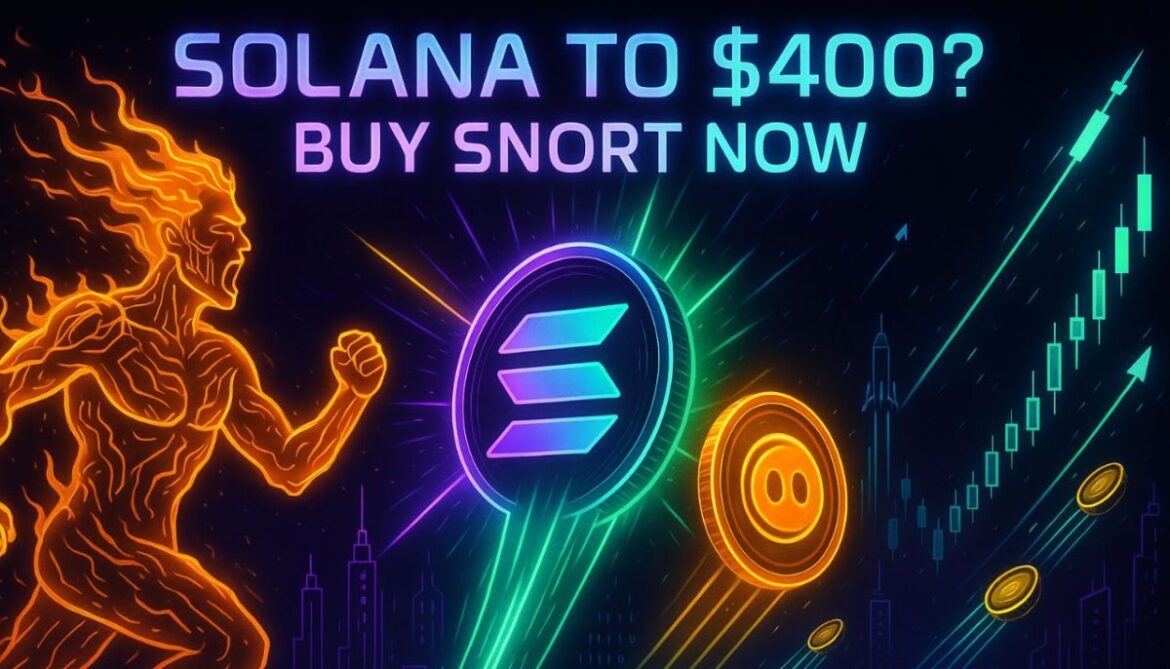
Gemini AI Expects Solana to Climb Toward $400 on Firedancer Boost
GameFi Guides

Gemini AI Expects Solana to Climb Toward $400 on Firedancer Boost

by admin September 9, 2025


Trusted Editorial content, reviewed by leading industry experts and seasoned editors. Ad Disclosure

Solana ($SOL) isn’t just the world’s sixth-biggest cryptocurrency and a fantastic ROI opportunity (it’s up 2,600% in the past three years). It’s also the lifeblood of the DeFi and Web3 ecosystem.

That’s why it has been gaining a lot of attention, especially with expectations of a crypto bull run.

Solana’s Total Value Locked (TVL) now stands at $12.214B, up 14.82% in the past month. For context, during the same period, Ethereum, the largest protocol, has actually seen a decrease in TVL.

When we asked Gemini about Solana’s journey ahead, it predicted a lofty price target of $400. And no, it’s not a whimsical number – it’s a milestone $SOL could realistically hit this year itself.

Of course, a strong technical setup sits at the heart of Solana’s price prediction, but expecting an 85% gain in just three to four months also points to exciting fundamental updates and growing institutional attention.

Read on as we unpack Solana’s future potential and also delve into why the best altcoin to buy now – Snorter Token ($SNORT) – could benefit from Solana’s growth story.

Solana’s Upcoming Firedancer Upgrade

Up until now, the Solana blockchain has relied on a single client built by Solana Labs. This is a risky approach, because if that client encounters bugs or crashes, the entire network can be compromised.

It can process 1M+ transactions per second (TPS) compared to the blockchain’s current capacity of 65K TPS, ensuring even faster transaction processing.

Firedancer also introduces modern features such as a QUIC protocol for efficient networking, optimized Reed-Solomon coding, and FPGA support.

Companies Now Hold More $SOL Than Ever

Institutional accumulation of Solana is also on a steep rise.

Just yesterday, Forward Industries, Inc. announced raising $1.65B in private equity – led by Galaxy, Jump Crypto, and Multicoin – for a Solana treasury.

CEO Michael Pruitt said the company is confident about the asset’s long-term growth potential and aims to create shareholder value through an active $SOL treasury.

Meanwhile, SOL Strategies, the world’s first Solana treasury company, has filed for listing on Nasdaq to secure more liquidity, access to deeper capital markets, and increased institutional investment.

The company currently holds 435,064 $SOL valued at $93.1M.

Solana Technical Analysis

Solana’s chart looks ripe on the technical front – which is the biggest reason Gemini believes the token could charge toward $400.

As you can see in the image below, Solana has been consolidating in a rising wedge pattern since the beginning of March, consistently making higher lows in the process.

The rising trendline has been tested twice so far, each time sharply bouncing back to the $215 level.

At the time of writing, Solana is trading at $219 in a very tight range for the past few weeks. A decisive break above this resistance (it has just crept above the resistance line) could trigger a fresh upmove.

And classic technical analysis suggests we can extrapolate the wedge’s widest width and project it from the breakout point, which gives a target of around $400.

With Solana’s massive upside in mind, we asked Gemini about the best crypto to buy now in order to make the most of this upcoming boom.

Gemini’s response? Chef’s kiss! The AI was quick to point us toward Snorter Token ($SNORT), a new altcoin building the first-ever trading bot aimed at restoring parity in the Solana meme coin space.

What Is Snorter Token?

$SNORT powers the Snorter Telegram bot, built specifically for small retail investors who are often outplayed by large institutions.

Everyday meme coin traders rarely get the chance to capture those initial meme coin pumps (usually the biggest jumps), as liquidity is quickly scooped up by large players using sophisticated algorithmic trading tools.

This is where the Snorter Bot comes in.

It allows traders to place buy and sell limit and stop orders before a liquidity pump. Then, as soon as fresh liquidity is introduced into a coin, the orders are executed within fractions of a second, putting you on par with crypto whales.

Snorter Blends Robust Security with Ease of Use

Snorter’s developers have allocated the highest portion of the supply (25%) to product development, highlighting their dedication to building a rock-solid trading bot.

They’ve gone to great lengths to ensure a secure trading experience. For starters, the bot employs MEV-resistant layers to protect users from common scams such as rug pulls and honeypots.

It also includes safeguards against sophisticated sandwich attacks. In such attacks:

  • An exploiter spots your pending buy order in the mempool, places their own buy order just below your price, and pushes the price up when their order executes.
  • Your order then fills at the higher price, after which the attacker immediately sells and profits from the artificial price bump, leaving you at a loss.

The Snorter bot prevents this altogether by not sending your transactions to the mempool in the first place, ensuring you’re never exposed to such attacks.

Even better? Snorter’s class-leading security doesn’t come at the expense of usability. Placing buy/sell orders or managing your portfolio is as easy as chatting with someone on Telegram.

Another standout feature is copy trading, which lets you automatically mirror the trades of successful investors on the blockchain, helping you earn consistent profits while honing your own strategies.

Buy $SNORT Now Before It’s Too Late

At the center of all this action sits Snorter Token ($SNORT), the native cryptocurrency of the Snorter bot.

Holding $SNORT comes with plenty of benefits. Token holders can enjoy:

  • Limitless sniping with no daily limits
  • Access to advanced analytics to make more informed market decisions
  • Only a 0.85% fee on transactions compared to 1.5% for non-holders

Plus, you can even stake your $SNORT tokens to earn a dynamic return of 122% APY right now.

All in all, while the Snorter bot is available to everyone, buying the Snorter Token unlocks its full potential.

The best part? $SNORT is currently in presale, meaning you can grab it for just $0.1037.

And according to our $SNORT price prediction, the token could hit $0.94 after listing in 2025 – an impressive 800% return from current levels.

So far, the presale has already raised over $3.8M from early investors. Here’s our detailed guide on how to buy $SNORT.

Visit Snorter Token’s official website to learn everything about this revolutionary Telegram trading bot.

Disclaimer: None of the above is financial advice. Crypto investments are highly risky due to the market’s volatility. You must only invest after doing your own research. 

Authored by Krishi Chowdhary, Bitcoinist — https://bitcoinist.com/gemini-ai-expects-solana-400-firedancer-boost

Editorial Process for bitcoinist is centered on delivering thoroughly researched, accurate, and unbiased content. We uphold strict sourcing standards, and each page undergoes diligent review by our team of top technology experts and seasoned editors. This process ensures the integrity, relevance, and value of our content for our readers.


Source link

September 9, 2025 0 comments
0 FacebookTwitterPinterestEmail
Google finally details Gemini usage limits
Gaming Gear

Google finally details Gemini usage limits

by admin September 8, 2025


Gone are the useless descriptors like “limited access” or vague statements like “we may at times have to cap the number of prompts and conversations you can have, or how much you can use some features, within a specific timeframe.” Instead it clearly states that you get up to five prompts a day with Gemini 2.5 Pro on a free account, 100 with an AI Pro plan, or 500 with AI Ultra.

Free accounts are also limited to five Deep Research reports and 100 generated images a day. If you need to make more than 100 AI generated images in a day, A: For what? B: Upgrading to a Pro or Ultra account will get you 1,000 images. You can check out the full breakdown here.


Source link

September 8, 2025 0 comments
0 FacebookTwitterPinterestEmail
Google antitrust ruling clears the way for Apple’s Gemini push
Gaming Gear

Google antitrust ruling clears the way for Apple’s Gemini push

by admin September 6, 2025


Eddy Cue deserves a raise.

As the executive overseeing Apple’s services division, he’s highly incentivized to protect the tens of billions of dollars a year that Google pays to be the default search engine in Safari. “I’ve lost a lot of sleep thinking about it,” he said from the witness stand during Google’s antitrust trial earlier this year.

Luckily for Cue, his court testimony appears to have had a significant impact on Judge Amit Mehta, who ruled this week that Google’s default payments to Apple and others can continue. You can see Cue’s arguments at trial mirrored in Mehta’s ruling: the Apple SVP said it would be “crazy” to punish the iPhone maker by restricting Google’s ability to pay for default status, and that the rise of AI companies was remaking the search market anyway. In an attempt to downplay the significance of Apple and Google’s deal, Cue went so far as to say that Google searches in Safari were declining for the first time, which temporarily caused Google’s stock price to drop.

Those are the exact arguments Mehta ultimately made in his ruling. He acknowledged that default payments continue to “shape the market for general search services in Google’s favor,” but that banning them would have “crippling” downstream effects on the recipients of those payments. One specific effect he cited was “fewer products and less product innovation from Apple,” one of the world’s richest companies. (Google’s payments to Apple are estimated to make up about 15% of its annual profit.)

Mehta cited the rise of generative AI companies like OpenAI and Perplexity as evidence that there is finally competition in the search market. “The money flowing into this space, and how quickly it has arrived, is astonishing,” he wrote. “These new realities give the court hope that Google will not simply outbid competitors for distribution if superior products emerge.”

As Mehta well knows, the reality of Google and Apple’s financial relationship is much more complicated than that. Google has historically paid Apple a percentage of the ad revenue it earns via Safari. This aligns incentives between two of the most powerful companies on earth, both of which have shared in the upside of this arrangement for the better part of two decades.

It’s likely not a coincidence that, right after Mehta’s ruling was released, news broke that Apple is now collaborating with Google to potentially have Gemini power the AI search engine it’s developing for Siri. Apple executives have been discussing the integration of Gemini into iOS for over a year, but have held back due to obvious optics reasons. The US government has just given them permission to proceed.

“This outcome is a home run for the status quo, and the status quo has been very favorable to both Google and Apple,” the tech and media stock research firm MoffettNathanson wrote in a note to its clients this week. “We’re not suggesting that the future of search or devices is now free from competitive threat, but this decision allows the transition ahead to unfold on their terms rather than through a disruptive and damaging judgment.”

Apple and Google’s search deal should have been undone, and perhaps it still will be if Apple eventually gets its turn under the antitrust spotlight. I’ve spoken with many would-be Google Search rivals over the years who have pointed to the deal as a key factor in stifling competition. You could argue that no deal has had a greater impact on Silicon Valley over the long arc of time, in fact. The most sinister aspect is that it has enabled the two companies that already control how most people access the internet to become richer and more powerful together.

The relationship being allowed to continue now sets the stage for Apple and Google to extend their shared dominance into the age of AI. Apple is behind on AI, but remains a powerful source of distribution for Gemini via iPhones, iPads, and Macs. With search payments from Google continuing to roll in, why would Apple need to acquire a startup like Mistral or Perplexity to play catch-up? It’s already getting paid to work with one of the world’s leading AI companies and now has carte blanche to forge deeper ties.

This week’s ruling also puts OpenAI’s distribution deal with Apple for ChatGPT in a tough spot. I’m sure Apple likes having optionality, but it’s not going to jeopardize the Google relationship with the money from search continuing. OpenAI doesn’t yet have an ads business to give Apple a competitive cut from, either. Despite what Mehta thinks, it’s hard to imagine any other company being able to exceed Google’s default payments with a superior product (sorry, Microsoft). This all leaves Google and Apple where they’ve been all along: two de facto monopolies feeding each other at the expense of everyone else.

  • A seating chart for the ages: If you have intel on who decided where all the tech leaders sat for last night’s big AI dinner at the White House, please reach out. Placing Alexandr Wang directly across the table from Sam Altman was certainly a choice, as was Mark Zuckerberg’s placement between Donald Trump and David Sacks. I’ll leave the jokes about Chamath Palihapitiya’s presence to everyone who is already making them on social media.
  • Lambos coming to the OpenAI HQ garage: It can be challenging to grasp the magnitude of a $10.3 billion tender offer, which OpenAI made available this week to eligible employees. So here’s a narrower number: $30 million. That’s how much my sources say that OpenAI employees (who have been at the company for at least two years) can elect to sell by the end of this month. It’s three times more than the previous maximum cap. Let the good times roll!
  • Fidji Simo gets the band back together: Speaking of OpenAI, it’s remarkable how much its C-suite is starting to resemble that of mid-2010s Facebook. Vijaye Raji, an early Facebook engineering leader, is rejoining his former colleague, Fidji Simo, as CTO of OpenAI applications, which means he’s going to oversee the rollout of the company’s imminent browser release. His company, Statsig, is being acquired as part of the deal but will seemingly stay independent. Srinivas Narayanan, who previously ran engineering at OpenAI and is also an early Facebook leader, is now CTO of “B2B applications.” Yes, OpenAI has two CEOs and two CTOs.

If you haven’t already, don’t forget to subscribe to The Verge, which includes unlimited access to Command Line and all of our reporting.

As always, I welcome your feedback. You can respond here or ping me securely on Signal. I’d love to hear from you.

0 CommentsFollow topics and authors from this story to see more like this in your personalized homepage feed and to receive email updates.

  • Alex HeathClose

    Alex Heath

    Posts from this author will be added to your daily email digest and your homepage feed.

    PlusFollow

    See All by Alex Heath

  • AIClose

    AI

    Posts from this topic will be added to your daily email digest and your homepage feed.

    PlusFollow

    See All AI

  • AppleClose

    Apple

    Posts from this topic will be added to your daily email digest and your homepage feed.

    PlusFollow

    See All Apple

  • Command LineClose

    Command Line

    Posts from this topic will be added to your daily email digest and your homepage feed.

    PlusFollow

    See All Command Line

  • GoogleClose

    Google

    Posts from this topic will be added to your daily email digest and your homepage feed.

    PlusFollow

    See All Google

  • TechClose

    Tech

    Posts from this topic will be added to your daily email digest and your homepage feed.

    PlusFollow

    See All Tech


Source link

September 6, 2025 0 comments
0 FacebookTwitterPinterestEmail
DAAPrivacyRightIcon
Product Reviews

The first TVs with Gemini built in arrive later this month

by admin September 4, 2025


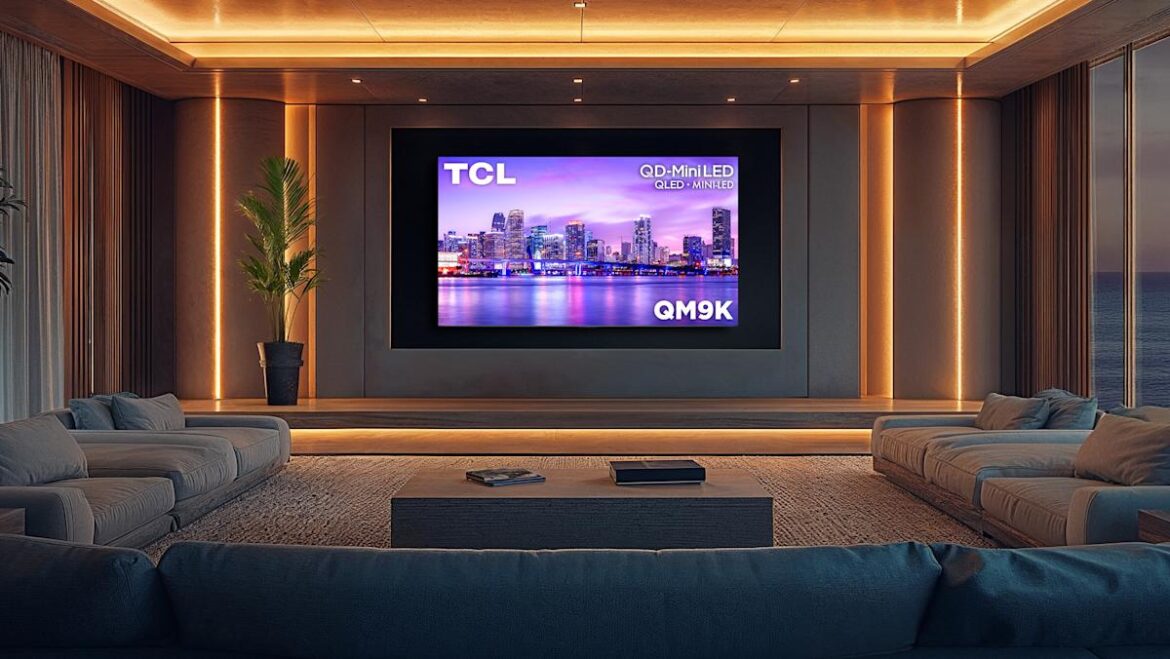
TCL has announced the QM9K, its latest flagship QD mini LED television series. The QM9Ks will be the first panels in the industry to feature Gemini on Google TV, a new feature that we first learned about at the start of this year.

Using the standard “Hey Google” voice prompt, viewers will be able to find a movie or TV show, ask questions using natural language about any topic and even control smart home products that are synced through Google Home. Google TV on the QM9K also supports the creation of custom AI screensavers based on descriptions or prompts provided by users.

The TVs will feature an mmWave sensor — a form of radar used to detect if a person is in front of the panel — that will wake the devices, allowing users to engage with Gemini completely hands-free. Users will have the option of customizing distance settings and hours of operation for the wake sensor.

Aside from breaking new ground in software, the QM9K series features a “Zero Border” edge-to-edge WHVA panel, which promises excellent color accuracy and a bezel-less design.The TVs have up to 6,000 precise dimming zones for deep contrast — up to 57 percent more than on the QM8K, the other contenders in TCL’s “Ultimate Series.” The QM9K is set to deliver up to 6,500 nits of peak brightness in HDR, a 30 percent increase over its predecessor. The panels run from 65″ to 98″, and audio by Bang & Olufsen rounds out the premium sets.

The TCL QM9K will be available at Best Buy and select regional retailers later this month.


Source link

September 4, 2025 0 comments
0 FacebookTwitterPinterestEmail
Decrypt logo
NFT Gaming

Winklevoss Twins’ Crypto Exchange Gemini Eyes $2.3 Billion Valuation in Public Offering

by admin September 2, 2025


In brief

  • Gemini plans to raise up to $317 million in its IPO at a valuation of roughly $2.3 billion, with shares expected to price between $17 and $19 and trade under the ticker GEMI.
  • The offering follows blockbuster crypto listings from Circle and Bullish, whose valuations soared after their debuts.
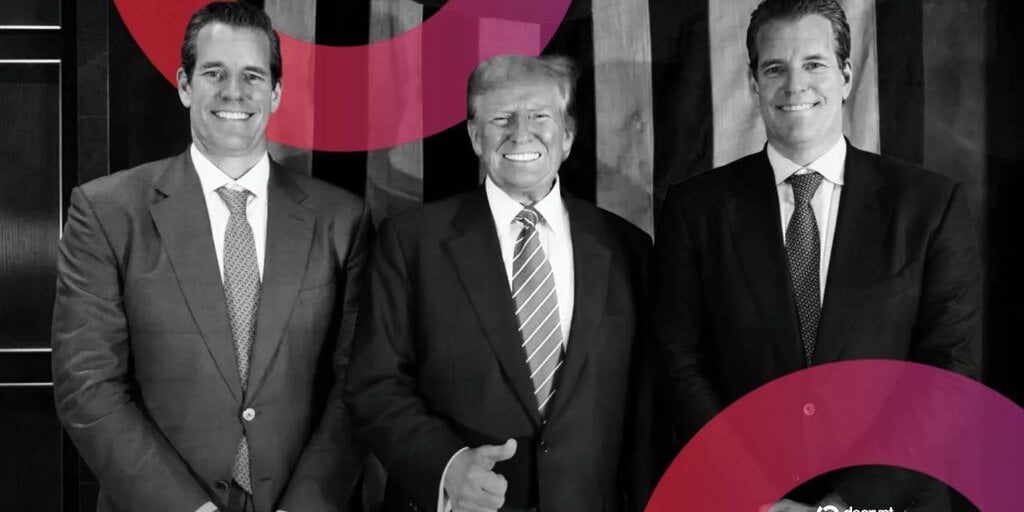
  • Co-founders Cameron and Tyler Winklevoss, close allies of President Trump, have used their political ties as Gemini positions itself as one of the most prominent U.S. crypto exchanges.

Gemini announced Tuesday that it intends to raise up to $317 million via its much anticipated public offering—a raise that would value the company at almost $2.3 billion.  

The crypto exchange, co-founded by Cameron and Tyler Winklevoss, will target an initial stock price between $17 and $19 a share, the company said. The IPO will consist of roughly 16.6 million shares of Class A stock. 

The company has yet to announce the exact date of its Wall Street debut under the ticker GEMI—but based on the details featured in today’s announcement, it is likely to be soon. 


Goldman Sachs, Citigroup, Morgan Stanley, and Cantor Fitzgerald will be lead underwriters on the offering. 

Gemini initially filed to go public with the SEC earlier this summer, following the smash success IPO of stablecoin issuer Circle.

Amid excitement about the crypto sector’s booming fortunes and favorable regulatory shifts spearheaded by the Trump administration, Circle’s stock price more than quadrupled its initial target within hours of debuting—and has largely kept steady since then.

Last month, crypto exchange Bullish fared similarly during its IPO, more than tripling its target stock price on the first day of trading, and surging its valuation to over $12 billion.

Gemini will look to capitalize on what appears to be a positive association with crypto firms on Wall Street. The company is not only one of America’s more prominent crypto exchanges—but also one with particularly close ties to President Donald Trump and the White House.

The Winklevoss twins were some of the only crypto executives to vocally back the president in the run-up to the 2024 election. Shortly after Trump retook office, his SEC filed to pause its yearslong lawsuit against Gemini over its crypto lending program.

Last month, the Winklevosses announced a $21 million pro-crypto PAC explicitly created to defeat Democrats in the upcoming 2026 midterm election. The brothers have also been prominently featured at crypto-related White House events this year, including March’s crypto summit and the signing of the stablecoin-focused GENIUS Act in July.

“These are two smart, handsome guys,” Trump remarked of the brothers, who were seated in the front row at the GENIUS Act signing ceremony this summer. “They got the look, they’ve got the genius, got plenty of cash, and it’s great that you’re on our side.”

Daily Debrief Newsletter

Start every day with the top news stories right now, plus original features, a podcast, videos and more.


Source link

September 2, 2025 0 comments
0 FacebookTwitterPinterestEmail
Decrypt logo
GameFi Guides

Google Gemini and Elon Musk’s Grok Are Gaining on ChatGPT

by admin August 29, 2025


In brief

  • ChatGPT still leads, but Google’s Gemini and Musk’s Grok are closing fast, per Andreessen Horowitz’s Top 100 AI Apps.
  • The AI app market is stabilizing—fewer new entrants on web, more originality on mobile.
  • China’s AI giants and “Brink List” newcomers show the next wave of global challengers.

For more than a year, OpenAI’s ChatGPT has been the undisputed heavyweight of consumer generative AI.

But according to the latest “Top 100 Gen AI Consumer Apps” report from venture capital giant Andreessen Horowitz, which analyzes two-and-a-half years of AI usage data, the challengers are finally starting to close the gap. Google’s Gemini and Elon Musk’s Grok are climbing the charts, signaling that rivals are coming for OpenAI’s crown.

That said, the Gen AI ecosystem is showing signs of stabilization. The web list saw 11 newcomers compared to 17 in March 2025, indicating less churn. The mobile app market, however, saw 14 new entries, partly due to app stores cracking down on “ChatGPT copycats,” making room for more original apps.

The report also seems to be somewhat at odds with a June SimilarWeb analysis that showed that OpenAI’s GPT was eating the web, with some 5.5 billion visits a month.

The big takeaways

That could be explained, of course, by how rapidly the AI landscape is shifting. Google has been making significant moves, with four products entering the web list for the first time. Gemini, its general LLM assistant, now ranks second on the web, capturing about 12% of ChatGPT’s web visits.

Other notable Google products include AI Studio (developer-oriented, top 10 web) and NotebookLM (#13 web), which has seen steady growth. On mobile, Gemini is also #2, with strong Android usage (nearly 90% of its MAUs).


While ChatGPT still leads among general LLM assistants, Google, xAI, and Meta are closing the gap.

X’s Grok jumped from no mobile app in late 2024 to 20 million MAUs, ranking #4 on web and #23 on mobile. This surge was fueled by the release of Grok 4—with improved reasoning, real-time search, and tool integration—and the introduction of AI companion avatars. Meta AI, however, has seen more subdued growth, ranking #46 on the web list and missing the mobile cutoff. DeepSeek and Claude have seen mobile usage flatten, while Perplexity continues to grow.

The AI world, of course, includes significantly more users than those who use the dominant platforms in the west. Chinese AI apps are gaining significant traction globally. Three China-serving companies—Quark (#9 web, #47 mobile), Doubao (#12 web, #4 mobile), and Kimi (#17 web)—are in the web top 20, largely due to China being the largest market and restrictions on non-Chinese LLMs.

Additionally, a substantial portion of the web list and 22 of the top 50 mobile apps—especially in photo/video editing, with Meitu contributing five entries—are developed in China and are now “exported” globally. Chinese video models, in particular, show an advantage, potentially due to more research focus and fewer IP regulations.

“Vibe coding” platforms are generating strong user engagement and revenue retention. Lovable and Replit debuted on the main list, while Bolt, previously a newcomer, is now on the “Brink List.” These platforms are also boosting traffic for other AI products and infrastructure providers like Supabase.

The report, now in its fifth edition, continues to anoint “All-Stars.” Fourteen companies have consistently appeared in all five editions of the web top 50, earning them “All-Star” status. These include general assistance (ChatGPT, Perplexity, Poe), companionship (Character AI), image generation (Midjourney, Leonardo), editing (Veed, Cutout), voice generation (Eleven Labs), productivity (Photoroom, Gamma, Quillbot), and model hosting (Civitai, HuggingFace). These All-Stars primarily hail from the U.S., UK, Australia, China, and France.

And finally, to track momentum at the edges, Andreessen Horowitz now publishes a “Brink List”—the five web and five mobile apps closest to breaking in. From the previous cycle, three “almosts” actually made it: Lovable (#22 web), PolyBuzz, and Pixverse. The message is clear: Today’s near-misses can be tomorrow’s breakouts.

The bottom line

ChatGPT still leads—but Gemini and Grok’s rise proves the fight is no longer one-sided. As Andreessen Horowitz’s top 100 shows, the consumer AI ecosystem is growing up, but it hasn’t stopped mutating. The giants may be closing the gap, but the next big breakout could still come from the “brink.”

Generally Intelligent Newsletter

A weekly AI journey narrated by Gen, a generative AI model.


Source link

August 29, 2025 0 comments
0 FacebookTwitterPinterestEmail
Google Doubles Down on AI: Veo 3, Imagen 4 and Gemini Diffusion Push Creative Boundaries
Crypto Trends

Google Boosts Gemini AI Image Capabilities in Latest Salvo Against ChatGPT

by admin August 26, 2025


In brief

  • Google upgraded Gemini with 2.5 Flash Image, taking aim at OpenAI’s dominance.
  • Developers can remix template apps in AI Studio and deploy custom image projects instantly.
  • Google has expanded access through OpenRouter and fal.ai, widening distribution to coders worldwide.

Google launched Gemini 2.5 Flash Image on Tuesday, delivering a new AI model that generates and edits images with more precision and character consistency than previous tools—attempting to close the gap with OpenAI’s ChatGPT.

The tech giant’s push to integrate advanced image editing into Gemini reflects a broader push among AI platforms to include image generation as a must-have feature. The new tool, now available across Gemini apps and platforms, lets users edit visuals using natural language—handling complex tasks like pose changes or multi-image fusion without distorting faces or scenes.

In a blog post, Google said the model allows users to “place the same character into different environments, [and] showcase a single product from multiple angles… all while preserving the subject.”

🍌 nano banana is here → gemini-2.5-flash-image-preview

– SOTA image generation and editing

– incredible character consistency

– lightning fast

available in preview in AI Studio and the Gemini API pic.twitter.com/eKx9lwWc9j

— Google AI Studio (@googleaistudio) August 26, 2025

The model first appeared under the pseudonym “nano-banana” on crowdsourced testing site LMArena, where it drew attention for its seamless editing. Google confirmed Tuesday it was behind the tool.

Google said the system can fuse multiple images, maintain character consistency for storytelling or branding, and integrate “world knowledge” to interpret diagrams or combine reference materials—all within a single prompt.


The model costs $30 per million output tokens—about four cents per image—on Google Cloud. It’s also being distributed via OpenRouter and fal.ai.

OpenAI introduced the GPT-4o model in May 2024 and added image generation in March 2025, which helped push ChatGPT’s usage above 700 million weekly active users. Google reported 400 million monthly active Gemini users in August 2025, which would indicate weekly usage that considerably trails OpenAI.

Google said all outputs will include an invisible SynthID watermark and metadata tag to mark them as AI-generated to address concerns around misuse and authenticity.

Generally Intelligent Newsletter

A weekly AI journey narrated by Gen, a generative AI model.


Source link

August 26, 2025 0 comments
0 FacebookTwitterPinterestEmail
Winklevoss' Gemini Offering ETH and SOL Staking in U.K.
Crypto Trends

Winklevoss’ Gemini Offering ETH and SOL Staking in U.K.

by admin August 26, 2025


Gemini, the crypto exchange founded and led by Tyler and Cameron Winklevoss, expanded its staking services to the U.K., allowing all customers to earn rewards on ether (ETH) and solana SOL$191.04 directly through its platform, the company said in a blog post Tuesday.

The introduction follows the opening of Gemini’s first permanent office in London, signaling the company’s push to strengthen its footprint in the region.

Staking is the process of locking up tokens to help secure proof-of-stake blockchains in exchange for rewards. Users can stake any amount of ether or solana, with Gemini offering up to 6% annual percentage rate (APR) on SOL and a variable rate for ETH.

Until now, staking on Gemini’s U.K. platform required a minimum of 32 ether through its Staking Pro service. The new offering removes that barrier, making staking more accessible to retail users.

Gemini says its staking product is designed to simplify participation in proof-of-stake networks. Rewards accrue daily and can be tracked in the app, while the company highlights its institutional-grade custody setup as an added layer of security.

The move comes amid increasing competition among exchanges offering staking services, with yield rates and ease of access becoming key differentiators for retail users looking to earn passive income from their crypto holdings.

Last week, the exchange said it had has secured a Markets in Crypto Assets (MiCA) license from the Malta Financial Services Authority (MFSA), strengthening its bid to expand across the European Union.

Read more: Crypto Exchange Gemini Secures MiCA License in Malta, Expands European Footprint


Source link

August 26, 2025 0 comments
0 FacebookTwitterPinterestEmail
  • 1
  • 2
  • 3
  • 4
  • 5

Categories

  • Crypto Trends (1,098)
  • Esports (800)
  • Game Reviews (772)
  • Game Updates (906)
  • GameFi Guides (1,058)
  • Gaming Gear (960)
  • NFT Gaming (1,079)
  • Product Reviews (960)

Recent Posts

  • This 5-Star Dell Laptop Bundle (64GB RAM, 2TB SSD) Sees 72% Cut, From Above MacBook Pricing to Practically a Steal
  • Blue Protocol: Star Resonance is finally out in the west and off to a strong start on Steam, but was the MMORPG worth the wait?
  • How to Unblock OpenAI’s Sora 2 If You’re Outside the US and Canada
  • Final Fantasy 7 Remake and Rebirth finally available as physical double pack on PS5
  • The 10 Most Valuable Cards

Recent Posts

  • This 5-Star Dell Laptop Bundle (64GB RAM, 2TB SSD) Sees 72% Cut, From Above MacBook Pricing to Practically a Steal

    October 10, 2025
  • Blue Protocol: Star Resonance is finally out in the west and off to a strong start on Steam, but was the MMORPG worth the wait?

    October 10, 2025
  • How to Unblock OpenAI’s Sora 2 If You’re Outside the US and Canada

    October 10, 2025
  • Final Fantasy 7 Remake and Rebirth finally available as physical double pack on PS5

    October 10, 2025
  • The 10 Most Valuable Cards

    October 10, 2025

Newsletter

About me

Welcome to Laughinghyena.io, your ultimate destination for the latest in blockchain gaming and gaming products. We’re passionate about the future of gaming, where decentralized technology empowers players to own, trade, and thrive in virtual worlds.

Recent Posts

  • This 5-Star Dell Laptop Bundle (64GB RAM, 2TB SSD) Sees 72% Cut, From Above MacBook Pricing to Practically a Steal

    October 10, 2025
  • Blue Protocol: Star Resonance is finally out in the west and off to a strong start on Steam, but was the MMORPG worth the wait?

    October 10, 2025

Newsletter

@2025 laughinghyena- All Right Reserved. Designed and Developed by Pro


Back To Top
Laughing Hyena
  • Home
  • Hyena Games
  • Esports
  • NFT Gaming
  • Crypto Trends
  • Game Reviews
  • Game Updates
  • GameFi Guides
  • Shop

Shopping Cart

Close

No products in the cart.

Close