Laughing Hyena
  • Home
  • Hyena Games
  • Esports
  • NFT Gaming
  • Crypto Trends
  • Game Reviews
  • Game Updates
  • GameFi Guides
  • Shop
Tag:

China

China Is Leading the World in the Clean Energy Transition. Here's What That Looks Like
Gaming Gear

China Is Leading the World in the Clean Energy Transition. Here’s What That Looks Like

by admin October 3, 2025


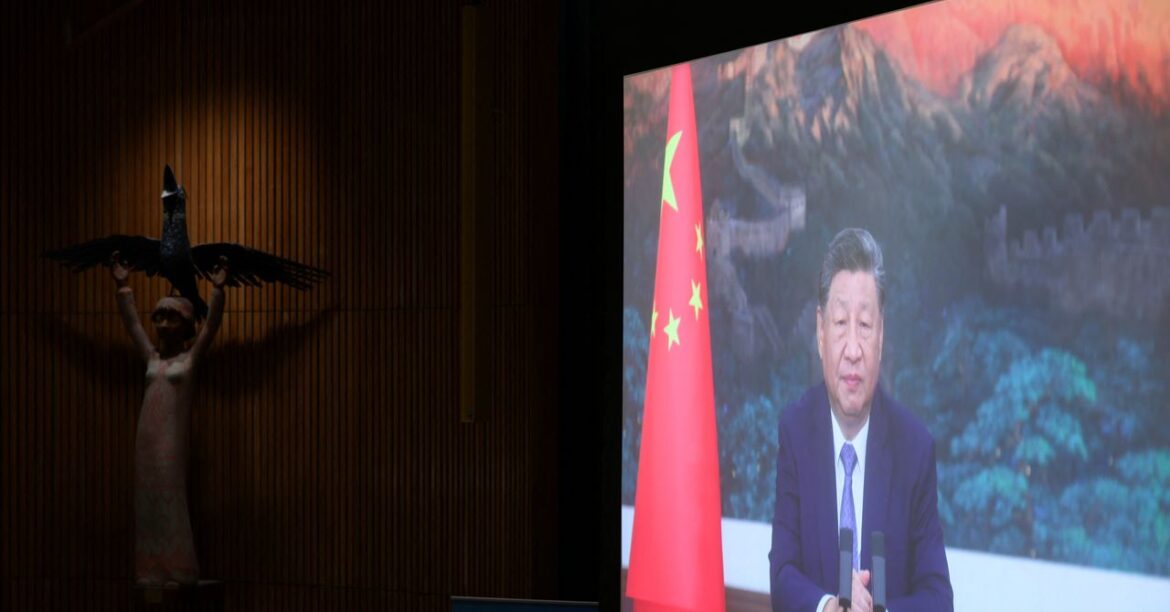
Speaking by video at the UN Climate Summit in New York last week, China’s president Xi Jinping laid out his country’s climate ambitions. While the stated goals may not have been aggressive as some environmentalists would like, Xi at least reaffirmed China’s green commitment.

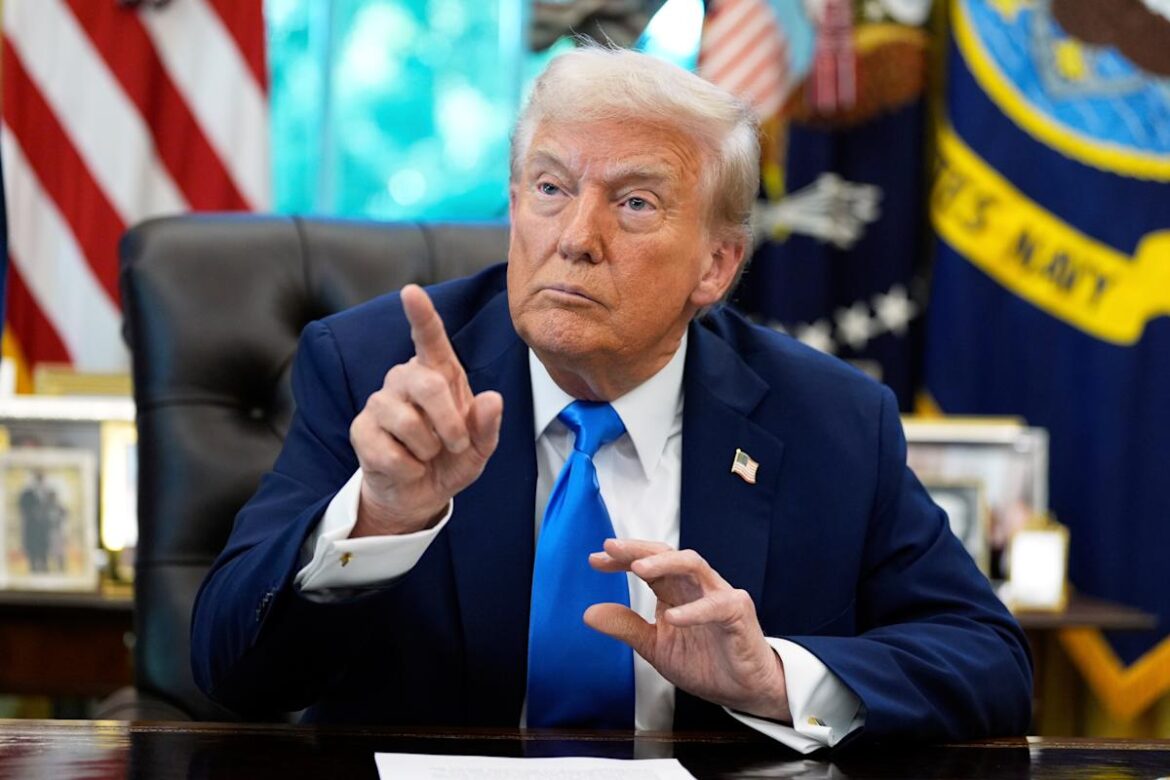
“Despite some countries going against the trend, the international community should stay on the right track, maintain unwavering confidence, unwavering action, and undiminished efforts,” he said. Any reference to Donald Trump and the United States was surely intended (though not explicit).

The march of the energy transition is a long one, but it has to start somewhere. And with this approach, China has already taken quite a few steps.

Beijing Stands (Mostly) Alone

Today, there is no race to be a climate leader. The world is a far fry from the COP26 conference in November 2021, when tackling the threat of climate change seemed like a global priority. A few months later, Russia invaded Ukraine; the ensuing energy crisis and inflation kicked climate off of many political agendas.

While Joe Biden and the United States responded to soaring prices with the Inflation Reduction Act, which prioritized investment in renewable energy, Donald Trump subsequently withdrew the US from the Paris Agreement—an international accord to limit global warming—for the second time. The European Union has also stuttered: Too internally divided, it did not go beyond a drab declaration of intent at the UN Climate Summit. There hasn’t been much movement from India, a country of nearly 1.5 billion people. And other nations’ emissions are simply too small to matter.

Given this background, it becomes easy to understand how, in this scenario, China has become a global leader in the clean energy transition. Xi’s speech did not go into much detail, but it did mention all the main points of China’s strategy.

Cut Emissions Between 7 Percent and 10 Percent by 2035

In New York, Xi acknowledged the importance of the transition, and for the first time, agreed to reduce greenhouse gas emissions rather than simply promise to slow them down. China’s stated goal is between 7 percent and 10 percent reduction by 2035.

How do you evaluate these pledges? While the commitment is vague, it’s still significant; previously the regime had merely promised to reach peak emissions by 2030, tying the cuts to economic growth. In Xi’s speech you can seen China transition from a developing country approach to a role more akin to that of industrialized countries, whose emissions have been declining for decades.

Slow Going?

It should be pointed out that reducing emissions at the pace promised by Beijing means a decline of about 1 percent a year. According to an analysis by William Lamb of the Potsdam Institute for Climate Impact Research, this is a slower pace than that held by most industrialized nations. Italy, for example, has reduced them by an average of 3.2 percent every 12 months since their peak in 2006; the United Kingdom by an average of 2.8 percent since 2004; France by 2.3 percent.

“China has often promised little and achieved much,” notes Andreas Sieber, associate director for policy and campaigns for the global climate nonprofit 350.org, suggesting that China might overdeliver. The country’s lack of democracy also means its policies are not at risk of reversal every election cycle.

On Renewables

Xi Jinping’s speech included a commitment to reach 3,600 gigawatts (GW) of installed wind and solar capacity by 2035, six times the country’s 2020 figures. This is already the leading country in terms of installed renewable power, and a giant on the technology front as well, with universities churning out environmental and climate tech research at full speed, and attracting scientists from abroad across numerous fields. He also announced a commitment to an energy mix with more than 30 percent renewables.

On Electric Vehicles

Mobility has long been an issue for China, which has moved from bicycles, ubiquitous until the 1990s, to the mass automobile. The images of the 2008 Beijing Olympics are unforgettable: A blanket of smog buried the city. The government has in recent years given a strong boost to electric mobility: At the Climate Summit it announced plans to make EVs “mainstream,” that is, prevalent in sales. It helps that it has ready access to rare earth minerals that are essential for building batteries. And for that matter, the country hosts giant automotive companies like BYD and Catl, which supplies batteries to some 50 global brands including Tesla and Volkswagen.

On the carbon market

Xi has declared his intention to expand the national carbon emission trading market to more emission-intensive sectors than today.

On forests

China made additional commitments on forests, which it says will reach an extent of 34 billion cubic meters.

China has reshaped the market for green technologies.

To skeptics expecting broader measures and the mantle of true global leadership from China, well, that’s not a particularly coveted title these days—especially if the US continues to reverse course on climate science. As senior advisor Bernice Lee of the think tank Chatham House notes, China invested $625 billion in the clean energy transition last year alone; that’s nearly a third of the gobal total.

Not only that: Research and massive adoption of renewable technologies have led to the dramatic drop in prices, and China’s very large domestic market is a formidable driver in this regard. “The rise of Chinese renewables is reshaping the global economy and replacing coal in the domestic market,” Lee says.

The hope is that other countries, reassured by that commitment, will follow China’s example rather than America’s.
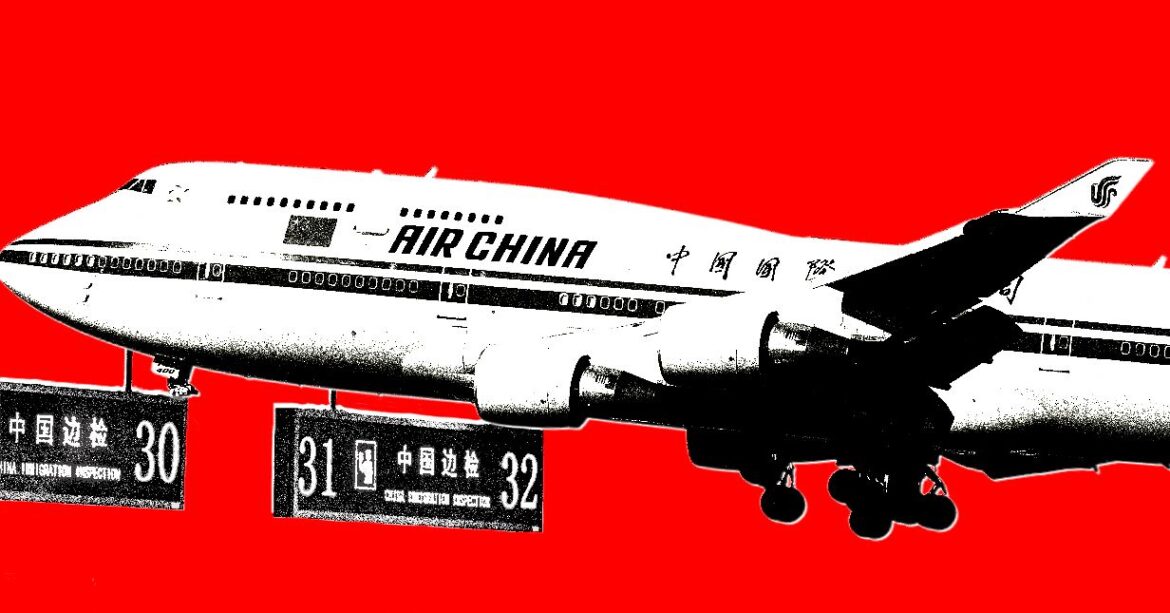
Source link

October 3, 2025 0 comments
0 FacebookTwitterPinterestEmail
China Rolls Out Its First Talent Visa as the US Retreats on H-1Bs
Gaming Gear

China Rolls Out Its First Talent Visa as the US Retreats on H-1Bs

by admin October 2, 2025


The bottom line is that, unlike the US, China is not a country of immigrants. In 2020, only about .1 percent of the mainland population was made up of foreigners, according to one estimate by researchers from the Kiel Institute for the World Economy. That’s roughly 1.4 million people in a country of more than 1.4 billion. In the United States, by contrast, 15 percent of the population is made up of immigrants. Even other East Asian nations, like Japan and South Korea, are home to far more foreigners than China in terms of their relative population size.

Because the US already has a large immigrant population from all over the world, it can be easier for new arrivals to adjust. Local companies operate in English, the language of global business. Colleagues and friends communicate through platforms like Gmail and Instagram, which are available in most parts of the world. And when it comes to creature comforts, H-1B recipients from India or China who land in San Francisco or New York will have no trouble finding restaurants (even good ones!) that serve food that tastes like home.

In China, however, newcomers must navigate a corporate landscape that operates largely in Chinese, a language few foreigners study in grade school or while pursuing a STEM degree. The country’s tech ecosystem is also totally unique. New arrivals face not only an unfamiliar language and culture, but also a suite of unfamiliar programs and apps, most notably WeChat.

Better Reputation

There are signs that more people might be willing to overcome these barriers to experience the benefits of living in China, a place now increasingly associated with high-speed trains, electric cars, and futuristic cities. In places like Greece, Spain, and Germany, the majority of people now view China as the world’s top economic power, according to the Pew Research Center. Africa, the continent with the world’s youngest and fastest-growing population, already sends more students to study in China each year than to the US or UK.

I’ve personally noticed that my American friends and family seem to have much more positive impressions of China than they did a few years ago. That might be in part due to the popularity of Chinese exports like TikTok, Temu, and Labubu. Several friends have even told me they specifically want to visit Chongqing, a Chinese megacity that didn’t attract many foreign tourists until videos of its skyline and hot pot restaurants went viral on Instagram and TikTok.

Whether this growing curiosity translates into people actually moving to China will depend in part on how the government handles programs like the new K visa. The policy lowers barriers for people who want to study or work there, but it has also stirred anxieties at home. For now, it’s unclear whether it will become a genuine gateway for new waves of international talent, or falter in the face of the same rising nationalist sentiments reshaping politics around the world.

This is an edition of Zeyi Yang and Louise Matsakis’ Made in China newsletter. Read previous newsletters here.


Source link

October 2, 2025 0 comments
0 FacebookTwitterPinterestEmail
China Finds Ingenious Solution for Its Decommissioned Wind Turbine Blades
Gaming Gear

China Finds Ingenious Solution for Its Decommissioned Wind Turbine Blades

by admin September 29, 2025


Many wind turbine blades in China are approaching retirement, and researchers have come up with a creative way to reuse the giant components.

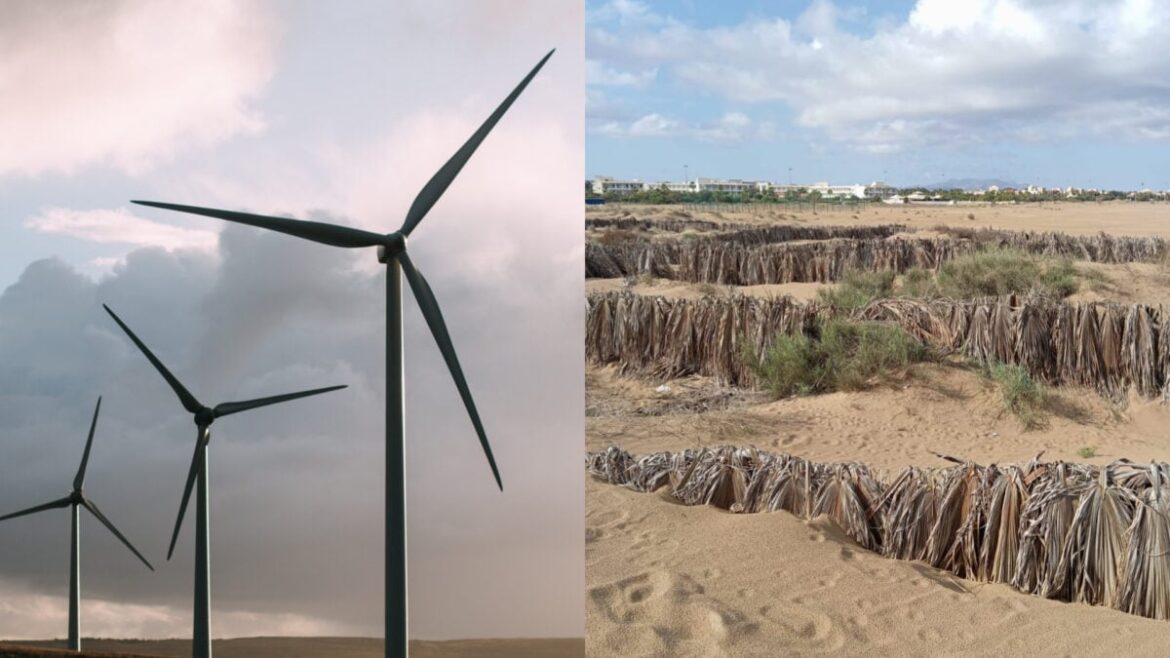
In a study published earlier this summer in the journal International Soil and Water Conservation Research, scientists suggest repurposing decommissioned wind turbine blades in sand control measures. Namely, in sand barriers. The approach could be the solution to two problems: dealing with old blades and finding optimal sand control measures.

“Wind turbine blades with high strength and durability can be directly cut and drilled into sand barriers,” the researchers wrote in the paper. “This approach not only addresses the recycling challenges of decommissioned wind turbine blades but also mitigates the shortage of windbreak and sand stabilization materials in the desert and the Gobi areas.”

Two birds with one stone

In arid and semiarid regions, wind can wreak havoc on both human and natural landscapes, and sand control measures such as sand barriers aim to decrease the resulting economic losses and protect habitats. While sand barriers such as those made out of reeds and branches are inexpensive, easy to construct, and environmentally friendly, they’re short-lived and don’t hold up well to extreme environments.

More effective artificial sand control materials don’t offer perfect solutions, because they also face challenges in extremely windy areas along railways. As such, people sometimes turn to stronger barriers made of materials such as cement, metal, and rocky sand. Ultimately, the materials should be strong, long-lasting, wind-abrasion-resistant, thermally stable, available, reasonably priced, and with optimal porosity.

As for the wind power industry, the question of what to do with old wind turbine blades faces high costs and complex traditional recycling processes, in addition to the risk of pollution in the case of improper management.

As such, the researchers investigated the efficacy of sand barriers made from decommissioned or damaged wind turbine blades. “First, we tested the mechanical properties of this material, including ultraviolet (UV) aging resistance, thermal stability, bending strength, and erosion resistance,” the researchers explained in the paper. “Second, through wind tunnel experiments and numerical simulations, we analyzed the shelter and sand stabilization effects of the new sand barriers with different porosities compared with traditional nylon net sand barriers.”

Real-life application

The approach revealed that the new barrier’s erosion rate can be 56% lower than that of wood composite materials, and its bending strength was 14 times greater. The researchers also found that a porosity of 20% was the best for the reduction of sediment transport.

“Therefore, the new porous sand barriers made from decommissioned or damaged wind turbine blades possess excellent UV and erosion resistance, high strength and thermal stability, recyclability, and long service life,” the researchers concluded. “It combines the porous structure of flexible sand barriers with the strength of rigid sand barriers, making it well-suited for regions with strong winds, large temperature variations, and intense UV radiation, which has significant potential for application in sand control practices.”

The study is the ultimate reminder of an age-old saying—one person’s trash is another person’s treasure. Or, in this case, one industry’s trash is another’s solution.


Source link

September 29, 2025 0 comments
0 FacebookTwitterPinterestEmail
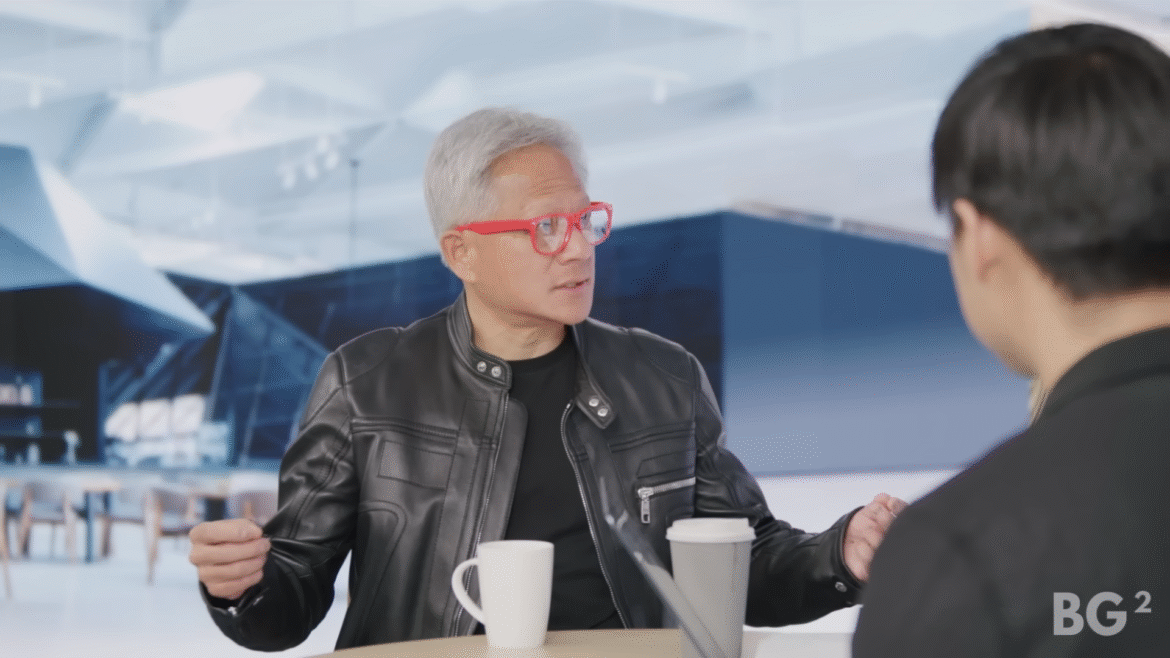
Jensen Huang sat down, speaking as part of the BG2 podcast.
Product Reviews

Jensen Huang says China is ‘nanoseconds behind’ the US in chipmaking, calls for reducing US export restrictions on Nvidia’s AI chips

by admin September 28, 2025


Nvidia CEO Jensen Huang says China is just “nanoseconds behind” the U.S. in chipmaking and that Washington should stop trying to wall off the market. Speaking on the BG2 podcast, Huang argued that allowing companies like Nvidia to sell into China would serve American interests by spreading U.S. technology and extending its geopolitical influence. “We’re up against a formidable, innovative, hungry, fast-moving, underregulated [competitor],” Huang said, talking about the pedigree of China’s engineers and controversial 9-9-6 working culture.

His comments come as Nvidia hopes to ship its H20 AI GPU to Chinese customers again, following a months-long pause tied to new U.S. export rules. The Commerce Department is understood to have begun issuing licenses for the H20 in August, and Nvidia is already working on a successor chip designed to comply with current restrictions while offering better performance. The company has not confirmed specs, but it would be Nvidia’s second attempt to tailor an AI accelerator specifically for the Chinese market since the original A100 and H100 bans took effect.

NVIDIA: OpenAI, Future of Compute, and the American Dream | BG2 w/ Bill Gurley and Brad Gerstner – YouTube

Watch On

China, meanwhile, is accelerating its own plans to become self-sufficient. Huawei’s new Atlas 900 A3 SuperPoD systems, powered by the company’s Ascend 910B chips, are now shipping in volume. The company has laid out an ambitious roadmap through 2027 with next-gen Ascend silicon that aims to match or exceed current-gen performance. These systems are CUDA-free by design and optimized for Chinese-built software stacks, a shift that puts real pressure on Nvidia’s dominance, which, according to Huang, previously held a 95% market share in China.


You may like

Chinese hyperscalers are backing that roadmap with capital. Baidu, Alibaba, Tencent, and ByteDance are all investing in custom silicon, either through internal chip teams or by funding startups. That includes firms like Tencent, which has announced it has fully adapted its infrastructure to support homegrown silicon. Asked what he sees in the near future, Huang said, “They [China] publicly say… they want China to be an open market, they want… companies to come to China and compete in the marketplace… and I believe and I hope that we return to that.”

Nvidia’s approach to that is to maintain a foothold in China and play both sides of the geopolitical divide. The H20 may be hobbled compared to the company’s leading chips, but it gives Chinese companies a path to stay within the Nvidia ecosystem — at least for now.

Follow Tom’s Hardware on Google News, or add us as a preferred source, to get our up-to-date news, analysis, and reviews in your feeds. Make sure to click the Follow button!

Get Tom’s Hardware’s best news and in-depth reviews, straight to your inbox.


Source link

September 28, 2025 0 comments
0 FacebookTwitterPinterestEmail
Robotic arm sorting items into four boxes
Gaming Gear

China Outpaces Rest of World in Working Robots

by admin September 28, 2025


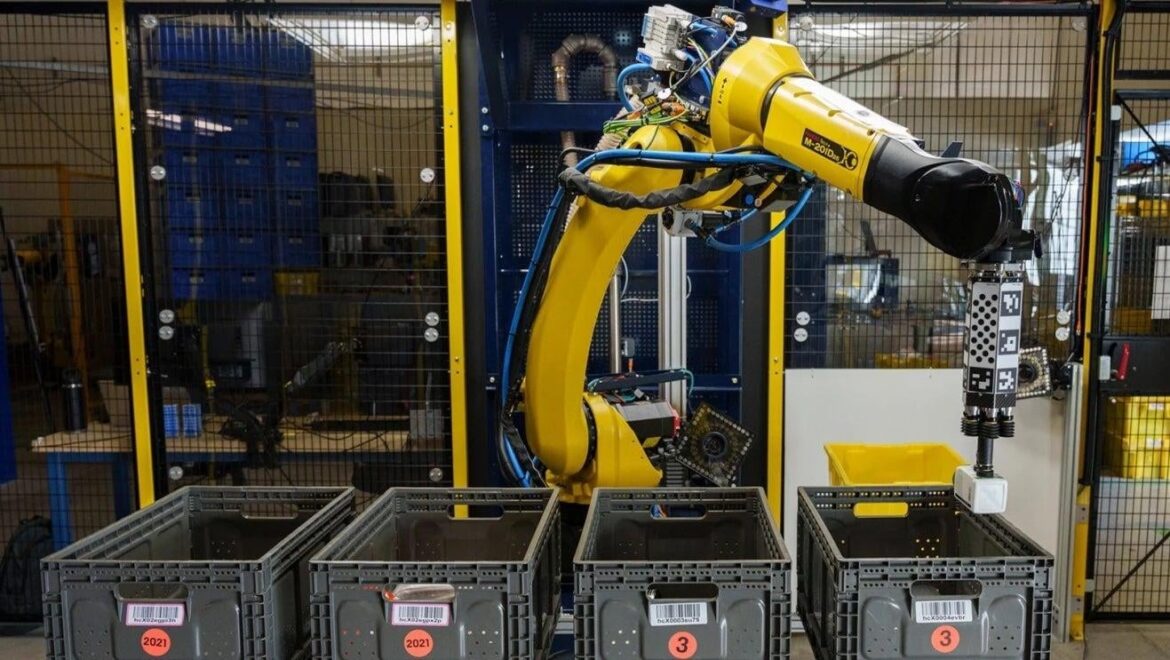
There are an estimated 4,664,000 working industrial robots in the world, according to the International Federation of Robotics. More than two million of them are in China. And don’t count on anyone catching up soon. According to the report, the country installed nearly 300,000 new robots last year, and was responsible for 54% of all robotic deployments across the globe in 2024. For comparison’s sake, the United States managed about one-tenth that figure, adding 34,000 industrial bots during the same time frame.

China’s robot boom coincides with the country taking on the role of a global manufacturing leader. According to the New York Times, China now holds just under one-third of all global manufacturing output, up from just 6% of the pie at the turn of the 21st century. That makes China’s current output bigger than the combined manufacturing power of the United States, Germany, Japan, South Korea and Britain.

That gap seems likely to continue to widen. While China’s robotic installations increased year-over-year by about 7%, according to the International Federation of Robotics, the next-biggest robo-reliant nations all saw their total installations dip. Japan declined by 4%, the US dropped by 9%, South Korea slumped by 3%, and Germany slipped by 5%.

The IFR doesn’t see China’s automation adoption stopping any time soon, either. It projects the country will see an average of 10% growth annually through 2028, driven primarily by the introduction of industrial robotics into new markets. China’s biggest areas of growth in the last year included food and beverage, rubber and plastic, and textile production, whereas the United States continues to see robotics primarily applied to more traditional manufacturing fields like automotives.

Interestingly, while China’s robotics domination does appear driven in part by new technological developments like artificial intelligence, the country isn’t that into humanoid robots compared to other industrial forces. The New York Times attributed that to the fact that it’s difficult to build a humanoid bot entirely within the Chinese supply chain, where domestically made sensors and semiconductors can be harder to come by. Meanwhile, companies like Tesla and Boston Dynamics keep promising humanoid industrial workers that’ll likely carry a steep price tag.

Maybe the biggest enabler of China’s robot boom, though, appears to be human labor. According to the Times, the country has produced a large workforce of skilled electricians and programmers who can install and maintain robots. America is slowly catching up on that front, with the employment of electricians booming—though there remains a massive programmer shortage unlikely to be eased by the fact that the Trump administration’s new, boosted fee for H1-B visa applicants will keep skilled labor overseas.


Source link

September 28, 2025 0 comments
0 FacebookTwitterPinterestEmail
Inside a data center.
Gaming Gear

From Yangtze rice paddies to billion-dollar server farms, China accelerates its contested AI push with bold Wuhu project

by admin September 27, 2025


  • China turns farmland into data centers to compete with American AI dominance
  • Wuhu’s $37 billion project highlights Beijing’s urgency in artificial intelligence
  • Export restrictions leave China relying heavily on less powerful local chips

China’s ambitions in artificial intelligence have gained new visibility through its plan to develop a domestic alternative to the massive Project Stargate being pursued in the United States by OpenAI and Oracle.

While the American initiative is expected to support up to two million AI chips, Beijing is advancing its own version anchored by a $37 billion project in Wuhu.

Although far smaller than the $500 billion price tag linked to Stargate, the Chinese project is designed to consolidate existing computing capacity into a more centralized network.


You may like

The Wuhu project and its scale

The site selected for this project is in Wuhu, eastern China, and it covers former rice fields along a 760-acre island in the Yangtze River basin.

This land, once devoted to food production, is being converted into a “data island” for four of the country’s largest technology operators: Huawei, China Mobile, China Telecom, and China Unicom.

By situating the new “mega-cluster” of data centers near major cities such as Shanghai, Hangzhou, and Nanjing, planners hope to deliver faster inference services to dense urban populations.

Beginning in 2022, China encouraged the construction of server farms in interior provinces with cheap power supplies.

Sign up to the TechRadar Pro newsletter to get all the top news, opinion, features and guidance your business needs to succeed!

Yet these sites often sat idle, as local governments reallocated capacity to areas where demand was higher.

The new plan attempts to fix that by linking both urban and remote data centers through Huawei’s UB-Mesh technology.

This technology can provide redundancy while allowing unused compute power to be sold.


You may like

The Wuhu project’s subsidies, which reportedly cover as much as 30% of AI chip procurement costs, further reflect Beijing’s urgency to make the new clusters operational.

China currently holds about 15% of global AI compute power, far less than the United States’ estimated 75%.

Export restrictions have blocked access to advanced GPUs from Nvidia, leaving domestic suppliers unable to fully match foreign performance.

That gap has created incentives for smuggling hardware, although officials seem intent on developing self-sufficient AI stacks to reduce dependence on overseas sources.

The long-term aim is that such infrastructure will allow both companies and individuals to deploy more sophisticated AI tools.

Whether local chips can support this ambition remains uncertain compared to Western options powering major data centers abroad.

The conversion of farmland into server space raises questions about sustainability, resource allocation, and energy demand.

Supporters view the projects as vital for narrowing the technological divide, while skeptics point out the costs of diverting agricultural land and the uncertainty of relying on less powerful local chips.

Via Toms Hardware

You might also like


Source link

September 27, 2025 0 comments
0 FacebookTwitterPinterestEmail
Exchange Review August
Crypto Trends

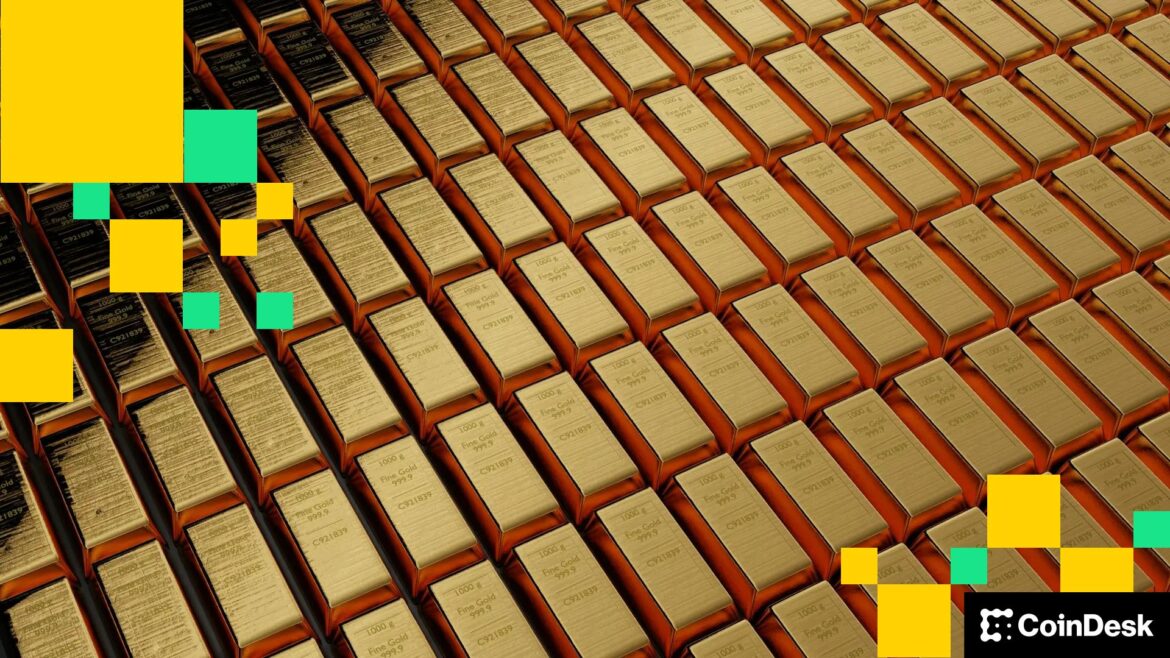
China Eyes Role as Custodian of Central Bank Gold Reserves Amid Bullion’s Record Run

by admin September 27, 2025


China is reportedly making a bid to expand its influence in global gold markets by offering to hold foreign central bank reserves within its borders.

According to Bloomberg, the People’s Bank of China has used the Shanghai Gold Exchange in recent months to pitch central banks in friendly countries on the idea. At least one Southeast Asian country has shown interest, people familiar with the matter told Bloomberg.

The push would allow Beijing to strengthen its role as a bullion hub and reduce reliance on Western financial centers. Custodian services are a key part of that infrastructure, helping to attract more trading activity and enhance credibility.

Gold analyst Jan Nieuwenhuijs noted on X that foreign central banks have technically been able to store gold in Shanghai since 2014, but uptake has been minimal so far. He added that one Southeast Asian country, possibly tied to the mBridge cross-border payments project, could be evaluating the option.

The timing comes as central bank demand has underpinned a powerful rally in bullion.

Spot gold climbed as high as $3,784.74 an ounce in New York on Monday, setting another record before easing slightly. According to MarketWatch, the metal closed last week at $3,789.80, up 43.59% year-to-date — well ahead of bitcoin’s 17% gain, the S&P 500’s 12.96% rise and the Nasdaq Composite’s 16.43% increase.

Kitco News reported that despite overbought conditions, analysts expect gold’s bullish momentum to continue, citing inflation trends and growing demand for alternatives to U.S. Treasurys. Chris Mancini, co-portfolio manager at Gabelli Funds, said investors are increasingly turning to gold as a substitute for the dollar.

Still, China faces competition from established markets such as London, whose vaults hold more than 5,000 tons of global reserves. The World Gold Council ranks China fifth among central bank gold holders, but its domestic market for jewelry, bars and coins remains the world’s largest.


Source link

September 27, 2025 0 comments
0 FacebookTwitterPinterestEmail
(Shutterstock)
NFT Gaming

China Inaugurates Digital Yuan Operation Centre to Push CBDC Integration: Report

by admin September 26, 2025


China has quietly taken a bold step in its bid to expand the global footprint of its digital currency.

On Thursday, the People’s Bank of China (PBOC) inaugurated an international operations centre for its central bank digital currency, the digital yuan (e-CNY) in Shanghai, according to a report from the South China Morning Post.

PBOC Deputy Governor, Lu Lei, framed the move as part of a “historical inevitability” in payments innovation, with the aim of offering a more efficient, inclusive, and open global cross-border payment system.

The initiative is intended to enhance settlement efficiency, and serve as building blocks toward a broader framework for e-CNY integration.

China’s CBDC push comes in the wake of the country pulling the brakes on tokenization efforts. Earlier this week, China’s securities regulator warned some brokerages to pause their real-world asset (RWA) tokenization businesses in Hong Kong.

Read more: China Pumps the Brakes on RWA Businesses in Hong Kong: Reuters


Source link

September 26, 2025 0 comments
0 FacebookTwitterPinterestEmail
No, China Is Not Embracing Crypto
GameFi Guides

No, China Is Not Embracing Crypto

by admin September 23, 2025


  • Crypto mirage
  • China’s anti-crypto stance 

Earlier this year, some reports suggested that China might be changing its tune on crypto due to some cryptocurrency in Hong Kong. 

However, according to a Tuesday report by Caixin Global, Beijing regulators have ordered local tech and financial firms to scale back their crypto activities. 

Crypto mirage

Earlier this year, Hong Kong, one of the world’s biggest financial centers that also boasts the biggest number of skyscrapers, emerged as a new hotspot for cryptocurrency activity. 

Chinese mainland tech and financial firms rushed to join the hype in order to experiment with stablecoins and tokenization in accordance with the region’s new licensing regime. 

However, while some hoped that this could be a sign of China changing its tune on crypto, Beijing quickly intervened to curb the hype. 

The mainland firms are now required to reduce exposure to offshore crypto assets and curb speculative activity. 

Beijing regulators specifically took issue with the fact that some mainland companies were attempting to circumvent mainland restrictions with the help of Hong Kong. 

You Might Also Like

Tech companies have been told to stop dealing with cryptocurrencies like Bitcoin or Ether (ETH), while state-owned banks will not be able to pursue stablecoin licenses in Hong Kong 

China’s anti-crypto stance 

It is worth noting that China has been hostile toward crypto for more than a decade. In 2013, the country’s central bank issued its very first Bitcoin warning. After this, financial institutions were gradually barred from dealing with crypto. 

The infamous ban on initial coin offerings (ICOs) and local crypto exchanges turned China into one of the most anti-crypto countries. 

In 2021, China ended up outlawing virtual mining equipment. 


Source link

September 23, 2025 0 comments
0 FacebookTwitterPinterestEmail
DAAPrivacyRightIcon
Product Reviews

US and China agree to agree on a TikTok deal

by admin September 20, 2025


The long-promised deal to “save” TikTok remains elusive even as the US and China seem to be inching toward an agreement. On Friday, President Donald Trump did little to clarify where the deal currently stands following a call with Chinese President Xi Jinping.

In a post on Truth Social, Trump said both that the two had “made progress” on “approval of the TikTok Deal” and that he “appreciate[s] the TikTok approval.” Trump also told reporters in the Oval Office that “he approved the TikTok deal,” Reuters reported.

But Chinese state-run media reported the call a bit differently, according to The New York Times, saying that Xi conveyed that the government “respects the wishes of the company in question and is glad to see business negotiations in line with market rules and a solution that conforms to Chinese laws and regulations and takes into account the interests of both sides.”

TikTok owner ByteDance did little to clear things up when it issued the following statement. “We thank President Xi Jinping and President Donald J. Trump for their efforts to preserve TikTok in the United States. ByteDance will work in accordance with applicable laws to ensure TikTok remains available to American users through TikTok U.S.”

This week, there have been multiple reports that the two sides were reaching the final stages of negotiations. The proposed terms reportedly include a brand new app for TikTok’s US users that will continue to use ByteDance’s technology for its algorithm, US investor control and a multibillion-dollar payday for the Trump Administration.

When all of that will be made official, though, is still anyone’s guess. Trump also granted TikTok an extension on a full-on ban for a fourth time, so the two sides now have until December to figure it out.


Source link

September 20, 2025 0 comments
0 FacebookTwitterPinterestEmail
  • 1
  • 2
  • 3

Categories

  • Crypto Trends (1,098)
  • Esports (800)
  • Game Reviews (772)
  • Game Updates (906)
  • GameFi Guides (1,058)
  • Gaming Gear (960)
  • NFT Gaming (1,079)
  • Product Reviews (960)

Recent Posts

  • This 5-Star Dell Laptop Bundle (64GB RAM, 2TB SSD) Sees 72% Cut, From Above MacBook Pricing to Practically a Steal
  • Blue Protocol: Star Resonance is finally out in the west and off to a strong start on Steam, but was the MMORPG worth the wait?
  • How to Unblock OpenAI’s Sora 2 If You’re Outside the US and Canada
  • Final Fantasy 7 Remake and Rebirth finally available as physical double pack on PS5
  • The 10 Most Valuable Cards

Recent Posts

  • This 5-Star Dell Laptop Bundle (64GB RAM, 2TB SSD) Sees 72% Cut, From Above MacBook Pricing to Practically a Steal

    October 10, 2025
  • Blue Protocol: Star Resonance is finally out in the west and off to a strong start on Steam, but was the MMORPG worth the wait?

    October 10, 2025
  • How to Unblock OpenAI’s Sora 2 If You’re Outside the US and Canada

    October 10, 2025
  • Final Fantasy 7 Remake and Rebirth finally available as physical double pack on PS5

    October 10, 2025
  • The 10 Most Valuable Cards

    October 10, 2025

Newsletter

About me

Welcome to Laughinghyena.io, your ultimate destination for the latest in blockchain gaming and gaming products. We’re passionate about the future of gaming, where decentralized technology empowers players to own, trade, and thrive in virtual worlds.

Recent Posts

  • This 5-Star Dell Laptop Bundle (64GB RAM, 2TB SSD) Sees 72% Cut, From Above MacBook Pricing to Practically a Steal

    October 10, 2025
  • Blue Protocol: Star Resonance is finally out in the west and off to a strong start on Steam, but was the MMORPG worth the wait?

    October 10, 2025

Newsletter

@2025 laughinghyena- All Right Reserved. Designed and Developed by Pro


Back To Top
Laughing Hyena
  • Home
  • Hyena Games
  • Esports
  • NFT Gaming
  • Crypto Trends
  • Game Reviews
  • Game Updates
  • GameFi Guides
  • Shop

Shopping Cart

Close

No products in the cart.

Close