
Laughing Hyena
  • Home
  • Hyena Games
  • Esports
  • NFT Gaming
  • Crypto Trends
  • Game Reviews
  • Game Updates
  • GameFi Guides
  • Shop
Tag:

Banks

Decrypt logo
GameFi Guides

Quantexa Launches Platform to Reduce Stablecoin Strain on Small Banks

by admin September 17, 2025


In brief

  • Quantexa designed an AML solution for mid-size and community banks.
  • It can help them identify crypto-powered crime, according to Quantexa’s Christopher Bagnall.
  • Stablecoin legislation is expected to unlock new competitors.

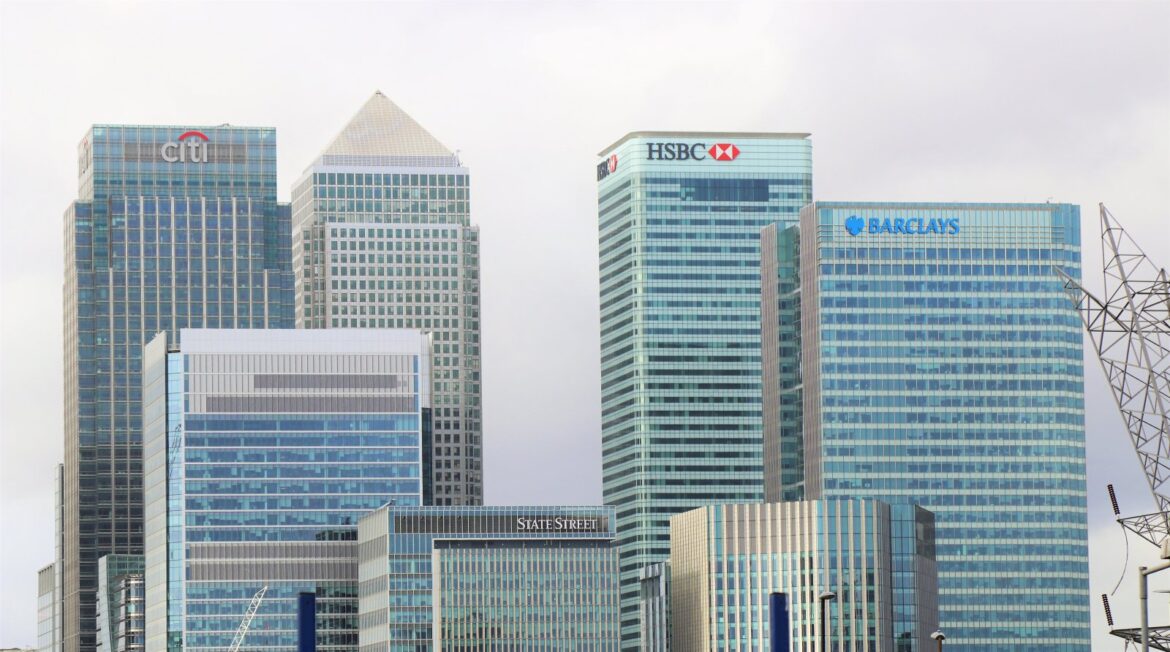
Quantexa, a data and analytics software firm, introduced a product on Wednesday that’s intended to help smaller financial institutions fight crypto-powered crime in the U.S.

The London-based company is now offering a cloud-based, anti-money laundering (AML) solution through Microsoft’s cloud computing platform, which is “designed specifically for U.S. mid-size and community banks,” according to a press release.

Quantexa said the pre-packaged product allows teams investigating financial crimes to make faster decisions with less overhead while maintaining accuracy, noting that banks are held to the same compliance standards across the U.S., despite what resources they may have. The product, dubbed Cloud AML, is also meant to reduce “false positives.”


A company survey published earlier this month found that 36% of AML professionals think digital assets will have the biggest impact on the AML industry within the next five years.

The product’s debut follows the passage of stablecoin legislation in the U.S. this summer that’s expected to unlock competition from the likes of Bank of Ameerica and Citigroup. With federal rules in place, stablecoins are expected to become more mainstream.

Some banks are taking a forward-looking approach toward their products, but most are more concerned about the ability to monitor inflows and outflows within the context of financial crime, Chris Bagnall, Quantexa’s head of financial crimes solutions for North America, told Decrypt.

“They’re just trying to find a way to monitor it, and that’s pretty much it,” he said. “Only the most innovative banks, which is a small handful in this space, are focused on making it a business.”

Banks may be able to see that a customer received or sent cash from a cryptocurrency exchange, but where the funds came from beyond that could be a blind spot, Bagnall said. If stablecoins become more common in everyday payments, then infrastructure providers could also emerge as common touch points, as funds flow between digital and traditional rails.

In some ways, stablecoins are prompting banks to take a more comprehensive view of their exposure to crypto-related risks, Bagnall said. In the past, banks knew what they were getting into if approached by a crypto-native firm, but those same factors can apply to individuals.

Daily Debrief Newsletter

Start every day with the top news stories right now, plus original features, a podcast, videos and more.

Source link

September 17, 2025 0 comments
0 FacebookTwitterPinterestEmail
$187 Billion in Fees: Why Banks Are Fighting the GENIUS Act
NFT Gaming

$187 Billion in Fees: Why Banks Are Fighting the GENIUS Act

by admin September 16, 2025


  • Why banks might be worried 
  • Backtracking on the GENIUS Act

A major fight has emerged between traditional finance and the cryptocurrency industry over regulation.  

Banking institutions have been pushing against stablecoins, arguing that they would drain deposits. 

However, crypto advocates claim that banks are actually concerned about losing profits. 

Banks claim stablecoins will drain deposits and harm lending, but there’s no evidence supporting this. Bank attacks on the bipartisan GENIUS Act and on @POTUS’s crypto agenda aren’t about stability—they’re about protecting $187B in payment fees. Stablecoins modernize payments and…

— Faryar Shirzad 🛡️ (@faryarshirzad) September 16, 2025

Why banks might be worried 

Faryar Shirzad, chief policy officer at cryptocurrency exchange giant Coinbase, claims that the hostility from banks is all about protecting a staggering $187 billion worth of fees that they are getting from payment-related fees. 

If stablecoins end up gaining widespread mainstream adoption, people might avoid using the payment rails offered by banks, thus depriving them of the massive profits. 

You Might Also Like

Coinbase and other crypto lobbyists argue that stablecoins are primarily used as payment tools. Thus, there is no evidence that they will cause some sort of deposit flight. 

Backtracking on the GENIUS Act

Even though the banking sector initially supported the GENIUS Act, they later ended up backtracking on it. 

Crypto lobbyists now claim that stablecoins are the latest innovation that banks are trying to slow down after previously opposing ATM machines and online banking. 


Source link

September 16, 2025 0 comments
0 FacebookTwitterPinterestEmail
DAAPrivacyRightIcon
Gaming Gear

Anker magnetic power banks are up to 42 percent off

by admin September 13, 2025


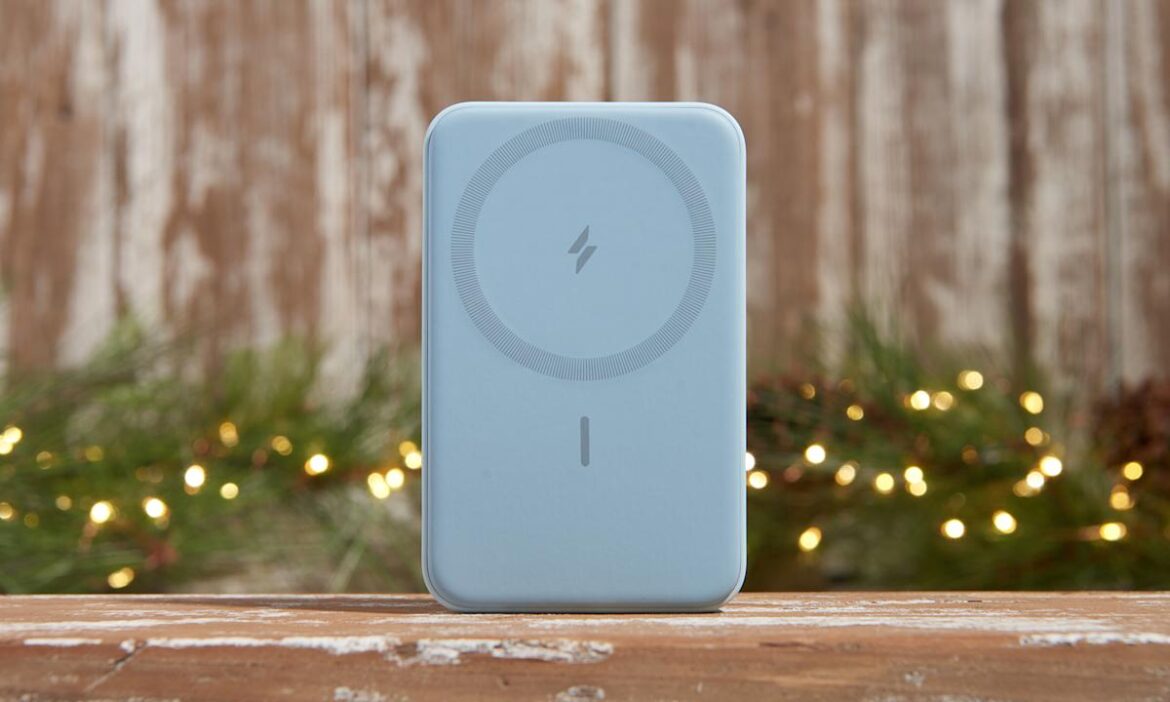
One of our favorite magnetic power banks is on sale for 42 percent off right now. The Anker 622 Magnetic Battery is down 42 percent to $28, which is almost as low as we’ve ever seen it. This steep discount is also available at Anker’s online store with a coupon code that the company provides. This 5,000mAh MagSafe-compatible charger with a foldable stand is a slim and portable battery that can keep your devices going on long days away from a charger.

Anker

Close to a record low price for this slim and portable MagSafe compatible charger.

$28 at Amazon

Anker says the 622 Magnetic Battery can recharge a dead iPhone 16 or 16 Pro to just over 80 percent, and an iPhone 16 Pro Max to just over 60 percent. In our hands-on review of the portable charger, we liked the magnetic stand that folds out into a 30-degree angle. Users can rotate their phone to either portrait mode or landscape mode while charging.

The Anker 622 is an older charger, so it outputs a maximum of 7.5W when charging wirelessly. If you need to refill your battery faster than that, you might want to pick up one of the newer Qi2 power banks. Though a Qi2 power bank will, of course, cost more, some of our favorites are having great sales right now.

The Anker Ultra-Slim 10,000mAh battery pack can charge an iPhone 16 Pro to 50 percent in just 26 minutes, thanks to its Qi2-certified 15W of wireless charging. Right now it’s 25 percent off, priced at $60 down from $80. It’s got a bare-bones design, opting for a slim profile instead of a stand.

If you prefer one with a stand and you like the idea of a display that tells you how much charge your power bank has left, then check out the Anker 10,000mAh battery pack with smart display and foldable stand. In our rundown of the best power banks, this was our top pick for iPhones. Not only does this battery pack offer Qi2 wireless charging at 15W, it also offers 27W when using USB-C for fast charging.

Follow @EngadgetDeals on X for the latest tech deals and buying advice.


Source link

September 13, 2025 0 comments
0 FacebookTwitterPinterestEmail
Crypto
Crypto Trends

Hong Kong Discloses Eased Crypto Rules For Banks, Set To Take Effect In 2026

by admin September 13, 2025


Trusted Editorial content, reviewed by leading industry experts and seasoned editors. Ad Disclosure

In a significant move to bolster its position in the cryptocurrency landscape, Hong Kong is set to implement new regulations aimed at enhancing the adoption and usage of digital assets among banks. 

This initiative comes in the wake of a renewed wave of pro-crypto policies spearheaded by the United States, which aspires to establish itself as the world’s crypto capital. Recognizing the need to stay competitive, Hong Kong’s regulatory framework seems to be evolving to stay at the forefront of this race.

New Crypto Asset Classification Module For Banks 

The Hong Kong Monetary Authority (HKMA) recently issued a draft document for public consultation, introducing a new module titled CRP-1, or “Crypto Asset Classification,” as part of its “Banking Regulatory Policy Manual.” 

This draft is designed to clarify the regulatory guidelines related to bank capital requirements in line with the Basel Committee on Banking Supervision’s standards, with full implementation anticipated by early 2026. 

The HKMA aims to provide a structured approach to regulating crypto assets, particularly focusing on those linked to unlicensed blockchain technologies, commonly referred to as public chains.

Faith, a partner at King & Wood Law Firm and a lecturer at the University of Hong Kong’s School of Law, shared insights in an exclusive interview with Caixin. 

She highlighted that the draft regulatory guidance will allow for lower capital requirements for banks dealing with crypto assets, provided that issuers can demonstrate effective risk management measures.

The draft document also emphasizes the classification procedures that align with global financial standards, ensuring that Hong Kong’s banking sector adheres to international norms. 

By addressing digital assets launched on public blockchains, the proposals suggest that these cryptocurrencies could benefit from reduced capital requirements, thereby incentivizing banks to engage more actively with digital assets.

A New Era In Digital Asset Legislation

Hong Kong’s stance on digital asset legislation further distinguishes it from mainland China, which has taken a more cautious approach. 

Earlier this year, the region introduced stablecoin regulations, enforcing a licensing regime for stablecoin issuers that requires compliance with strict asset management and client asset segregation protocols. 

This regulatory framework is designed to promote financial stability and encourage innovation in the digital asset sector, building on the progress made in the United States with the passage and signing of the GENIUS Act by President Donald Trump.

Chengyi Ong, head of Asia-Pacific policy at Chainalysis, emphasized the importance of stablecoins in the broader crypto ecosystem. She noted that stablecoins not only provide stability but also facilitate traditional financial processes, such as cross-border payments and settlements, which are often mired in inefficiency. 

The daily chart shows the total market cap at $3.9 trillion. Source: TOTAL on TradingView.com

Featured image from DALL-E, chart from TradingView.com 

Editorial Process for bitcoinist is centered on delivering thoroughly researched, accurate, and unbiased content. We uphold strict sourcing standards, and each page undergoes diligent review by our team of top technology experts and seasoned editors. This process ensures the integrity, relevance, and value of our content for our readers.


Source link

September 13, 2025 0 comments
0 FacebookTwitterPinterestEmail
DAAPrivacyRightIcon
Product Reviews

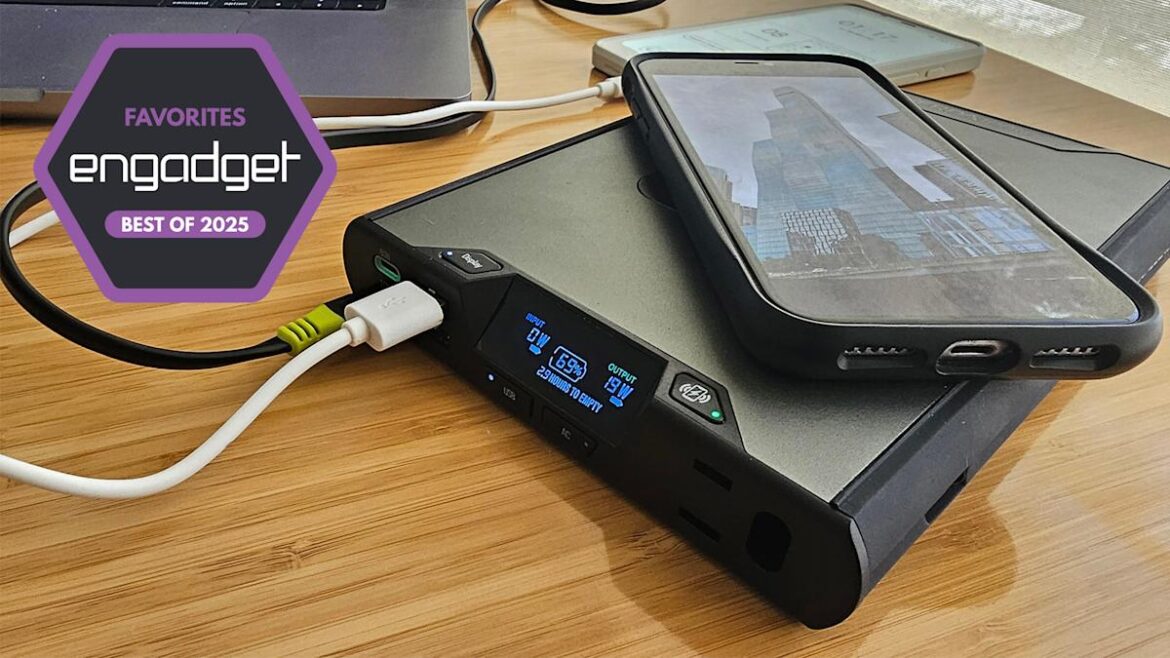
The best laptop power banks for 2025

by admin September 12, 2025


If you travel or sometimes work away from your desk, a laptop power bank may come in handy. These larger portable chargers pack enough power to refill a phone multiple times, a tablet a couple times over and get most laptops from near-dead to work-ready in around an hour. Over the past few years, I’ve tested dozens of batteries for our power banks guide and a number of them make great options for laptops. These are the best laptop power banks based on our testing, along with a bit of info on how to fly with a portable battery and what to look for in a good one.

Table of contents

Best laptop power banks for 2025

Photo by Amy Skorheim / Engadget

Capacity: 27,000 mAh, 99.9 Wh | Ports: One USB-C in/out, two USB-A out and three wireless pads | Cable included: USB-C to USB-C and wall adapter | Charge time iPhone 15: 5 to 100% in 2h 56m (wireless) 5 – 100% 2h 22m (wired) | Remaining charge after iPhone: ~ 81% | Charge time Galaxy S23 Ultra: 5 to 100% in 1h 20m | Remaining charge after S23 Ultra: ~ 77% | Charge time iPad Air: 5 to 100% in 1h 55m | Remaining charge after iPad: ~ 64% | Charge time MacBook Pro: 10% to 89% in 1h 18m

Traveling is one of the top reasons people need to use a portable laptop charger — planes, trains, buses and airports aren’t exactly the easiest places to find a power source. Lion Energy’s Eclipse Mag battery pack has a big 27,000 capacity, which is enough to power a laptop through a couple days of use. I also like how its three wireless charging pads cut down on cable chaos, letting you charge a Qi-enabled phone, earbuds case and Apple Watch at the same time.

You certainly could charge all three of those accessories and a laptop at one time, but as with all batteries, that increased drain will quickly empty it and your charge times will slow down quite a bit. From what I’ve seen, the unit works best as an as-needed power supply when you’re out and about, then, after a recharge, it can moonlight as a three-in-one wireless charger in your hotel room. You can even rely on the pass-through charging capabilities to power up the battery while using the wireless pads, making it a sort of travel-ready multi-device charger.

At two pounds, no one would call this light, but the angled corners and narrow design make it feel more compact than other big batteries. There’s no display to tell you how much charge is left, just four lighted pips at one edge, but I found them to provide a fairly accurate estimate. One thing to note is that the wireless watch pad only works with Apple Watches. Since Pixel watches don’t support wireless charging and Samsung only recommends its own chargers for Galaxy Watches, that’s not surprising. 

The only other drawback is the single USB-C port. The three wireless pads and the two USB-A ports will likely be enough for a days’ work, but one more type-C port would be ideal. Compared to other 27,000 maAh battery packs, the $174 price tag on the Eclipse Mag is a decent deal — and it even comes with a five-year warranty.

Pros

  • Wireless charging is convenient for travel
  • Compact design for such a large battery
  • Delivers a fast, 79 percent charge to a large laptop
  • 5-year warranty

Cons

  • Heavy
  • No display
  • Could use one more USB-C port

$174 at Lion Energy

Amy Skorheim for Engadget

Capacity: 25,000mAh, 90 Wh | Ports: Two built-in USB-C in/out cables, one USB-A port, one USB-C port | Cable: USB-C to USB-C | Number of charges iPhone 15: 4 – 5 | Charge time iPhone: 5 to 100% in 1h 54m | Number of charges Galaxy S23 Ultra: 3.75 – 4 | Charge time S23 Ultra: 52m | Number of charges iPad Air: 1.75 – 2 | Charge time iPad: 5 to 100% in 1h 58m | Number of charges MacBook Pro: 0.68 | Charge time MacBook Pro: 53 m

If you try (and sometimes succeed in) packing as light as possible when travelling, you may want to look for battery packs with built-in cables. This Anker laptop power bank sports two built-in USB-C cables: one attached to the side of the battery that doubles as a carrying strap and another retractable cord that extends up to two feet. Both can accommodate in/out charges so you can use them to refill a device or reup the battery itself.

The brick has a display to tell you the amount of charge remaining, as well as the output wattage that’s funneling towards your devices from each port. When refilling the battery, you can see an estimate of how long it will be until the unit is full. Calculating and displaying info like that takes up a bit of power but, in my testing, the battery output the same or a higher amount of charge compared with other 25,000 mAh packs.

This 25,000 mAh model replaces our previous pick in this category, the 27.5K Prime model, which was compatible with Anker’s convenient charging base. While this model isn’t, I feel the included cables provide more convenience. It also sells for $80 less than our prior choice. True, it delivers a bit less charge than that older bank, but a 70 percent charge for a 16-inch MacBook Pro is still a considerable refill.

Pros

  • Handy built-in cables
  • Display tells you how much charge remains
  • Delivers a quick charge from its large capacity

$120 at Amazon

Photo by Amy Skorheim / Engadget

Capacity: 20,000 mAh, 74 Wh | Ports: Two USB-C in/out and two USB-A out | Cable: USB-C to USB-C | Charge time iPhone 15: 0 to 100% in 1h 54m | Remaining charge after iPhone: 73% | Charge time Galaxy S23 Ultra: 5 to 100% in 1h 11m | Remaining charge after S23 Ultra: 66% | Charge time iPad Air: 3 to 100% in 2h 13m | Remaining charge after iPad: 42% | Charge time MacBook Pro: 10% to 62% in 1h 6m

I hadn’t even heard of Baseus before I started testing products for these guides. But after reading the many positive reviews, I gave a few of the brand’s offerings a try and have been repeatedly impressed by their value-to-performance ratio. The Baseus Blade is a compact and flat battery that weighs just over a pound. The shape is more tablet-like than the standard block of most power banks, which makes it easier to slide into a backpack or messenger bag alongside a laptop — it’s also the lightest of the banks I tried in this capacity category. 

The display underestimates the amount of charge left, which is always better than the alternative. When the Blade was down to just one percent, it gave my laptop a few more percentage points before giving up the ghost. It has two USB-C and two USB-A ports along with little feet at the bottom that keep from moving around as you plug charging cables into it. The speeds were admirable, clocking in just a few minutes longer than batteries with larger capacities.

That’s the main trade off here: At 20,000 mAh, it’s not going to deliver the same amount of charge as a bigger bank. It boosted my 16-inch MacBook Pro from 10 percent to 62 percent, which is about 20 percentage points lower than the bigger batteries could do. But for $100, it’s still a speedy portable charger with a convenient shape and a good number of ports.

Pros

  • Great value
  • Charges devices quickly
  • Sleek design is easy to carry along with your laptop
  • Two USB-C ports

Cons

  • Lower capacity than other laptop power banks

$100 at Amazon

Photo by Amy Skorheim / Engadget

Capacity: 25,600 mAh, 95Wh | Ports: One USB-C in/out, one USB-C out, one USB-C in, two USB-A, one AC port, one solar input and one wireless pad | Cable: USB-C to USB-C | Charge time iPhone 15: 0 to 100% in 1h 49m | Remaining charge after iPhone: 83% | Charge time Galaxy S23 Ultra: 5 to 100% in 1h 3m | Remaining charge after S23 Ultra: 77% | Charge time iPad Air: 4 to 100% in 2h 11m | Remaining charge after iPad: 62% | Charge time MacBook Pro: 6% to 72% in 1h 21m

Let’s get the bad news out of the way first: Goal Zero’s Sherpa 100AC costs $250. That makes it the most expensive power bank I’ve tested so far. But it’s a high-quality unit that gives you what you pay for. There’s a wireless charging pad up top, three USB-C ports (though one is input only), plus a couple of USB-A ports, an AC port and an 8mm port that can pair up with a Goal Zero solar panel or 12V adapter cable to recharge from your car. There’s even an internal fan to keep everything cool as it deals with all the output and a status display you can turn on or off.

Goal Zero is probably best known for its outdoor-focused power products — power stations for camping, portable solar panels and camping lights, to name a few. The Sherpa has the same rugged/industrial aluminum unibody design, which would make it an ideal productivity companion for field work. I could see this coming in handy for outdoor photo shoots, job-site projects or just snagging some nature-side office hours.

The ability to recharge from a car’s 12V port or even from solar panels is another nice-to-have, but of course, you’ll need extra equipment. In the case of the car charger, that’s another $40, but the solar panels will add another $250 to your mobile set up. If you find yourself working out in the field relatively often you might appreciate the flexibility.

Pros

  • Wireless charging pad and an AC port
  • Can recharge from solar or a car’s 12V port (with accessories)
  • Accurate status display
  • Rugged design

$250 at Amazon

Photo by Amy Skorheim / Engadget

Capacity: 27,000mAh, 99.9 Wh | Ports: One USB-C in/out, one USB-C out, USB-A, 100W AC | Cable: USB-C to USB-C | Charge time iPhone 11: 0 to 100% in 1h 40m | Remaining charge after iPhone: ~ 73% | Charge time iPad: 0 to 100% in 1h 56m | Remaining charge after iPad: ~ 53% | Charge time MBP: 10% to 75% in 1h 29m

Mophie’s Powerstation Pro AC is a bit of a beast, weighing over two pounds and hitting the upper limit of the TSA’s 100-watt-hour battery limit (I flew with it twice and never had any issue, though). It even has a handle strap to help lug it around. There’s one USB-A port and two USB-C connections, one with a lower 20W rating and one that can deliver 60W. Then there’s the AC port.

The AC port on any portable charger is a novel thing to have; as mentioned previously, it’s the USB-C port that should power your laptop because it makes no sense to convert a portable battery’s charge twice. That said, if you need to power a light, a portable printer or some other appliance that only has a standard two-prong plug, this port will come in handy. Just be sure to hold down the status button to enable the AC function.

Mophie’s pack has enough juice to give a smartphone three to four charges, fill an iPad twice with a charge left over and it can charge a 16-inch MacBook Pro from 10 percent to 75 percent in under 90 minutes, while in use. The four lighted LED indicators aren’t the best: I found it cycled through the last two dots far quicker than the first two, which might make you think you have more charge left than you actually do.

Pros

  • Massive 27,000mAh capacity
  • Has an AC outlet and two USB-C ports

Cons

  • Expensive
  • No status display
  • Lighted pips don’t accurately indicate remaining charge

$200 at Zagg

UGreen

UGreen’s 25,000mAh power bank is a compact, low-frills bank that delivers a speedy charge to smartphones — my tester iPhone 15 in particular. I clocked a refill from four percent to full in about an hour and a half. That’s among the faster speeds from any power bank I’ve tested and is thanks to its 145W max output. It performed on par with other bricks when it came to refilling a Galaxy Ultra, iPad Air and MacBook Pro.

A small digital display indicates the amount of charge left and it tested accurately. There are just three ports — two USB-C and one Type-A — but that’s more than enough to handle a laptop and a smartphone at the same time, if you must. But I’ve found portable chargers work best when handling just one device at a time. Adding an extra device seems to drain it quicker than charging one then another.

Upon its debut, the UGreen Power Bank 25,000mAh went for $120 so the value wasn’t quite there. But now it’s been reduced to an MSRP of $100 and is regularly on UGreen’s site and Amazon for around $75. I’ve noticed some in-stock issues, but if you can find it, snap it up. It’s a high-performing, low-frills battery with a surprising amount of oomph for its compact size.

$66 at Amazon

What to look for in a laptop power bank

Flying with a laptop power bank

Most portable batteries top out at around 27,000mAh so you can fly with them. The TSA currently limits the capacity carry-on batteries to 100Wh, which works out to around 27,500mAh for 3.6 volt lithium-ion batteries. Note that you’re not allowed to pack any batteries in your checked luggage, regardless of capacity. The TSA rules are intended to limit fire danger — and some airlines are implementing further restrictions due to recent on-board incidents.

In March 2025, a Hong Kong flight was grounded after a battery pack caught fire in an overhead bin. A similar situation happened in July on a domestic Delta flight, and again in August on a transatlantic KLM flight. As a result, some airlines, including Emirates, Southwest and others have announced further restrictions on flying with battery packs.

Rules include limiting the number of allowed portable chargers and requiring flyers to keep power banks in clear view when using them to recharge a device. If the battery pack isn’t actively in use, however, most rules allow them to stay in your carry-on bag in the overhead bin. Before flying, it’s wise to check your airline’s policies.

Capacity

If you just need to keep a smartphone from dying before you can make it home, just about any of the best power banks will do. But if you need to revive multiple devices or the substantial battery of a laptop, you’ll want something with a high milliamp-hour​​ (mAh) capacity. A power bank capable of delivering enough power to a laptop will have a capacity between 20,000 and 27,000 mAh.

If you want something even bigger than a laptop power bank, and don’t need to fly with it, you’ll likely want to look into portable power stations. These can be the size of a car battery or larger and can potentially fuel an entire weekend away.

Another thing to keep in mind is that the capacity listed in a power bank’s specs is not what will be delivered to your devices. As I mentioned, the capacity of these banks is around 25,000mAh. Even the huge battery on a 16-inch MacBook Pro or a Dell XPS 16 has a mAh rating of around 5,000 – 6,000mAh, so you might think you’d get five full charges but in reality, you only get about a single 70-percent charge. The voltage is different (typically 3.7V for the power bank and 11.4V for a laptop) which makes the watt-hours, or the amount of energy each battery can hold, different (working out to 92Wh for the battery and 72Wh for the built-in laptop batteries). On top of that, in order to feed a charge from a power bank to a laptop, a voltage conversion takes place and that dissipates a decent amount of energy.

Without turning this into a physics lesson, this all means that a power bank with a 25,000mAh (or 92Wh) capacity will typically fill a 5,000mAh (or 72Wh) laptop battery to about 75 percent. In my tests, I averaged about a 60-percent efficiency rate between a power bank’s listed capacity and the actual charge delivered.

Ports

Every large power bank I’ve tested has at least three USB ports, with a mix of USB-C and USB-A, which should cover nearly any portable device you need to recharge — earbuds, phones, tablets, laptops, you name it. In addition to the different plug formats, some ports supply power at different wattages. For example, one built-in USB-C port might be rated for 60 watts, while the one next to it is rated for 100 watts. So if you’ve got a device that’s capable of 70W fast charging, such as the new MacBook Air, you’d want to opt for the 100W port to get the best charging speeds possible.

Note that devices with a smaller wattage draw won’t be negatively affected by connecting to ports with high ratings. For example, a Galaxy S24 Ultra, capable of 45W super fast charging, is perfectly compatible with the 100W port. A device will only draw what it can take, regardless of what a port can supply. Just remember that the port, device and charging cable need to be at or above the desired wattage rating to achieve maximum charging rates.

Some of these larger batteries also have AC ports. It might seem like a natural fit to plug in your laptop’s power adapter for a recharge. But really, the AC port should only be for devices that can’t use USB — such as a lamp or a printer. Plugging a power adapter into the AC port only wastes energy through conversion. First, the battery converts its DC power to supply the port with AC power, then the power adapter converts that AC power back to DC so your laptop can take it in. And as you’ll remember from physics class, each time energy is converted, some is lost to heat and other dissipations. Better to cut out the middleman and just send that DC power straight from the battery to the device.

Also, you can use more than one port at a time with these devices; just remember that the speed of whatever you’re charging will likely go down, and of course, the battery is going to drain proportionally to what you’re refilling.

Wireless charging

Just in the last year and a half that I’ve been testing portable power banks, wireless charging capabilities have noticeably improved. The first few I tried were painfully slow and not worth recommending. Now the wireless pads built into power banks are impressively fast — particularly, in my experience, when charging Samsung Galaxy phones (though the lack of a stabilizing magnetic connection like Apple’s MagSafe means they only work when rested flat on a pad). Most wireless charging connections can be used while other ports are also being employed, making them convenient for some mobile battlestation setups.

Of course, wireless charging is always less efficient than wired, and recharging from an external battery is less efficient in general. If you want to waste as little energy as possible, you’re better off sticking to wired connections.

Design

All power banks are designed to be portable, but there’s a big difference between a pocket-friendly 5,000mAh battery and one of these laptop-compatible bruisers. Most of the latter weigh between a pound and a half to two pounds, which is a considerable addition to a backpack. Many of the options listed here have a display to tell you how much charge remains in the battery, which is helpful when you’re trying to judiciously meet out charges to your devices. If a bank has a wireless connection, the pad is usually on the flat top and any available AC connection is usually at one end. Both may require you to engage those charging methods. Don’t be like me and grumble loudly that you got a bum unit without pressing (and sometimes double pressing) all the buttons first.

How we test portable laptop chargers

For the past two years, I’ve been testing and using dozens of portable batteries for our other battery guide. Some of those batteries include the higher-capacity power banks you see here. I also got a hold of a few extra banks just for this guide to make sure we covered what’s available. I went for brands I’m already familiar with, as well as battery packs from well-received manufacturers I hadn’t tried before (like UGREEN and Lion Energy). I only considered banks with at least a 20,000mAh capacity and mostly stuck with those that rated 25,000mAh and higher.

Here’s everything we tested:

I tested each power bank with an Apple phone (iPhone 15), an Android phone (Galaxy S23 Ultra), a tablet (M1 iPad Air) and a laptop (16-inch MacBook Pro with the M1 Pro chip). Even though these banks can charge multiple devices at once, I refilled one at a time, to make side-by-side comparisons more straightforward. I drained the batteries of the phones and tablets to between zero and five percent and then didn’t use any device as it refilled.

For the MacBook, I let it run down to 10 percent before plugging in the power bank. That’s when most laptops give display a “connect to power” warning, as draining any battery to empty will compromise the battery life. I then used it as one might in a mobile office, with a Bluetooth keyboard and mouse, while connected to Wi-Fi and a VPN.

For each test, I noted how long a completely charged battery took to get a device back to full and how much of the battery’s capacity was used up in one charge. I also noted things like portability, apparent durability, helpful features and overall design.

For reference, here are the battery capacities of the devices I used:

  • Galaxy S23 Ultra: 4,855mAh

  • iPad Air (5th gen): 7,729mAh

  • 16-inch M1 Pro MacBook Pro: 27,027mAh

Other laptop power banks we tested

HyperJuice 245W

Hyper’s HyperJuice 245W brick looks great and has a hefty 27,000mAh capacity. The four USB-C ports can combine to output 245W of power and it got my MacBook Pro from nearly dead to 75 percent before depleting itself. When testing it with a Samsung Galaxy S23 Ultra, the handset got back up to a full charge in just over an hour. The screen tells you what each port is doing as well as displaying the amount of charge remaining in the pack itself.

But the lack of port variety makes it feel less versatile than other picks on this list — the price is higher than our other options, too.

Laptop power bank FAQs

How do laptop power banks differ from phone power banks?

The main difference is size. Phone power banks tend to have a capacity ranging from 5,000mAh to 20,000mAh and laptop powerbanks are typically rated between 20,000mAh and 27,000mAh. There’s no official definition, however. Laptop batteries are simply larger and need a bigger supply of power to give them a meaningful charge.

How do you fast charge a power bank?

You can charge a power bank exactly as fast as the power bank’s internal mechanisms will allow. Most batteries are limited in how quickly they can accept and deliver a charge to avoid dangerously overheating. But to make sure you’re charging a bank as quickly as possible, make sure the wall adapter and the USB-C cable you are using have a high wattage rating — using a 5W power brick and a 10W cable will take a lot longer to refill your bank than a 65W wall charger and a 100W cord.

What size power bank do I need for a laptop?

Look for a power bank with a rating of at least 20,000mAh. Slightly smaller batteries may work, but they won’t deliver a significant charge laptops.

How many mAh to charge a laptop?

A milliamp hour (mAh) is how much a battery can hold, and most portable batteries list their capacity using mAh. If you get a battery rated at 20,000mAh or above, it should be able to charge your laptop.

Using mAh to discuss laptop batteries can be confusing. Due to differing voltages, you can’t directly compare the mAh ratings of a power bank battery to a laptop battery. Using watt-hours is a better gauge, as that calculation takes voltage into account.

Recent updates

August 2025: Changed our runner up travel pick for a new Anker battery. Updated information about flying with power banks. Added a section about other batteries we tested.


Source link

September 12, 2025 0 comments
0 FacebookTwitterPinterestEmail
GENIUS Act
Crypto Trends

Alabama Lawmaker Raises Alarm On GENIUS Act’s Impact On Small Banks

by admin September 12, 2025


Trusted Editorial content, reviewed by leading industry experts and seasoned editors. Ad Disclosure

Alabama State Senator Keith Kelley has warned that the GENIUS Act, signed into law on July 18, 2025, could trigger a wave of deposit outflows that would hurt rural community banks.

According to reports, Kelley set out his concerns in an op-ed for 1819 News, arguing that a perceived gap in the law could let crypto platforms offer yields or rewards that pull funds away from local lenders.

The warning comes as public comment periods have already opened at the US Treasury, and regulators are expected to write the rules that make the new law operational.

GENIUS Act: Senator Warns Of Deposit Flight

Financial experts say the worry centers on how “comparable supervision” will be defined. If foreign or nonbank stablecoin issuers are treated as having comparable oversight when regulators’ rules are loose, depositors could be tempted to shift cash to higher returns offered by crypto firms.

🏦 Alabama’s Sen. Keith Kelley warns the GENIUS Act could devastate rural banks by shifting deposits. Is stablecoin regulation hurting communities? #GENIUSAct #Stablecoin #CryptoLawhttps://t.co/tHAibq6EMg pic.twitter.com/BDhqoFNif5

— 4C by 360Trader (@4cby360) September 11, 2025

One estimate cited by banking groups puts potential deposit outflows as high as $6.6 trillion if the law is interpreted broadly. That number has made small bank leaders uneasy. They fear losing the stable deposits they use to lend to families, farmers, and local businesses.

A Rural Banking Crisis In The Making

Many community banks operate on thin margins. They rely on local deposits to underwrite loans for crop seasons, equipment purchases, and small shops.

Based on reports, Kelley warned that those lifelines could be weakened if large sums move to new digital products outside the traditional banking system.

Farmers and small business owners were named as especially vulnerable, because local lenders often offer terms tailored to seasonal needs.

Total crypto market cap currently at $3.9 trillion. Chart: TradingView

GENIUS Act & Regulatory Path Ahead

The GENIUS Act is not yet in force in any operational sense. Implementation will depend on rulemaking by the US Treasury and the Federal Reserve, and those agencies have already asked for public input on the risks and anti-money laundering safeguards.

Reports have disclosed that some banking groups and lawmakers want tighter definitions and clearer guardrails before the rules are finalized. Supporters of the law argue it could bring more clarity to stablecoin markets, but opponents say that the details matter most.

If deposits start to leave, small banks could be forced to cut back on loans or raise rates to retain customers. That outcome would likely shift credit away from local borrowers toward larger financial centers.

Featured image from Brian Lyman/Alabama Reflector, chart from TradingView

Editorial Process for bitcoinist is centered on delivering thoroughly researched, accurate, and unbiased content. We uphold strict sourcing standards, and each page undergoes diligent review by our team of top technology experts and seasoned editors. This process ensures the integrity, relevance, and value of our content for our readers.


Source link

September 12, 2025 0 comments
0 FacebookTwitterPinterestEmail
XRP price
GameFi Guides

Forget Ripple Vs. SWIFT, BRICS Nations Are Building On XRP Ledger With Their Central Banks

by admin September 11, 2025


Trusted Editorial content, reviewed by leading industry experts and seasoned editors. Ad Disclosure

Ripple’s role in global finance is drawing new attention after Versan Aljarrah of Black Swan Capitalist revealed that central banks in BRICS nations have been building on the XRP Ledger. The findings suggest that the ledger is not an afterthought but a serious option in the bloc’s plans for cross-border payments. 

BRICS Central Banks Quietly Build On XRP Ledger

Versan Aljarrah says that the central banks of BRICS, along with the New Development Bank, have already been working with the XRP Ledger. According to him, the records show clear evidence that this work has been ongoing quietly for years. The archived papers he cites do more than just mention Ripple. They note that BRICS reports point to escrow and automation on the XRPL as tools that can handle the bloc’s cross-border payment needs by making transactions easier, quicker, and more secure.

With Ripples escrow, the system locks payments and then releases them automatically, while its automation tools streamlines the process, reducing the cost and time of transactions. These systems align directly with the vision of the BRICS nations to build a financial structure that operates independently and does not rely heavily on the U.S. dollar for clearing and settlement.

Aljarrah explains that the consistent references in official BRICS materials point to a pattern of deliberate engagement.​​ The bloc has spent years checking how XRPL can fit into its long-term financial system. By highlighting that the groundwork dates back years, Aljarrah draws attention to the quiet yet steady progress that has taken place in the background.

Evidence Suggests A Coordinated Digital Infrastructure Strategy

Versan Aljarrah also stresses that attention to the XRP Ledger has been consistent across several years of BRICS meetings, research papers, and economic forums. Repeated mentions of XRPL in policy papers suggest a coordinated and ongoing strategy, rather than a one-off experiment.

The evidence does not stop with research. Brazil’s central bank has published papers that name Ripple in its tests of distributed ledger systems. In the private sector, projects in Brazil are already using XRPL for tokenization and financing. The mix of research, pilot testing, and adoption indicates that BRICS is not standing by, but is actively exploring Ripple’s technology.

Aljarrah explains that this does not mean entire national systems have moved onto the public ledger. The evidence instead points to preparation. BRICS central banks are examining the strengths of the XRP Ledger, conducting pilots, and assessing its compatibility with their existing financial frameworks. 

As Aljarrah points out, this effort has been underway for years, even though the final move to large-scale adoption remains ahead. The big question now is whether the BRICS nations will take the next bold step and integrate the XRP Ledger into their core financial systems.

Price moves above resistance | Source: XRPUSDT on Tradingview.com

Featured image from DALL.E, chart from TradingView.com

Editorial Process for bitcoinist is centered on delivering thoroughly researched, accurate, and unbiased content. We uphold strict sourcing standards, and each page undergoes diligent review by our team of top technology experts and seasoned editors. This process ensures the integrity, relevance, and value of our content for our readers.


Source link

September 11, 2025 0 comments
0 FacebookTwitterPinterestEmail
Cameron and Tyler Winklevoss at the White House on July 18, 2025. (Jesse Hamilton/CoinDesk)
GameFi Guides

Hong Kong’s Central Bank May Ease Capital Rules on Banks Holding Crypto: Report

by admin September 11, 2025


The Hong Kong Monetary Authority (HKMA) has circulated plans for easing the capital requirements for banks holding cryptocurrencies, local financial news outlet Caixin reported on Wednesday.

The central bank released a draft paper for public comment with a view to clarifying the guidance on capital regulation for crypto assets, which will be implemented early next year.

The drafted guidelines focus on lowering bank capital requirements if issuers can take appropriate measures to prevent and respond to risks, according to the report.

Hong Kong has emerged as one of the world’s hubs for advancing the cryptocurrency industry through a more helpful regulatory regime. Its long-awaited guidance on stablecoins came into effect last month following a rush of applications from prospective issuers.

A switch to more lenient capital requirements for banks holding crypto could help cement Hong Kong’s status further as a global leader for crypto adoption.

The HKMA did not respond to CoinDesk’s request for comment.


Source link

September 11, 2025 0 comments
0 FacebookTwitterPinterestEmail
Decrypt logo
Crypto Trends

Belarus Banks Ordered to Adopt Crypto, Tokenization as Sanctions Squeeze Economy

by admin September 11, 2025


In brief

  • President Lukashenko said tokenization can cut intermediaries, automate deals, and boost user control.
  • Belarus has seen $1.7 billion in crypto payments this year, with $3 billion projected, according to Lukashenko.
  • Russia-aligned states like Kyrgyzstan have shown similar sanction-driven patterns.

Belarusian President Alexander Lukashenko is urging the nation’s banks to ramp up their use of digital assets in a bid to blunt the impact of Western sanctions.

“Today, cryptocurrency-based transactions are more active than ever, and their role in facilitating payments is growing,” Lukashenko said in a meeting held on Tuesday with officials from the country’s National Bank, including heads of the country’s top commercial banks.

External payments through exchanges have racked up $1.7 billion in the first seven months of the year, with estimates suggesting volumes could reach $3 billion by December, President Lukashenko said.

He also discussed tokenization for the financial sector, which he said could help “minimize the presence of intermediaries, automate transactions through smart contracts, and enhance user control over assets,” according to a rough translation of an official transcript.

The head of state later urged the country’s banks to expand the use of digital assets, framing it as a response to sanctions and a way to sustain external payments.

“Digitalization here is not for the sake of digitalization, but for real economic effect,” he added.

Skirting sanctions

The push in Minsk comes as other Moscow-aligned states face similar scrutiny, with reports detailing how Russian entities have exploited Kyrgyzstan’s crypto industry to skirt sanctions.

The country’s crypto industry, which barely existed before 2022, has grown rapidly as Russian entities continued to use it to evade sanctions.

Links have been traced back to the shuttered Russian exchange Garantex, with Kyrgyz platforms appearing to operate like shell companies, according to a report from blockchain intelligence firm TRM Labs.

While a 2022 law encouraged growth, volumes reaching $4.2 billion by mid-2024 are seen as driven by demand from Russian users, not locals.

The European Union has imposed sweeping sanctions on Belarus since the disputed 2020 elections, citing systemic repression and rights abuses under Lukashenko’s rule.

Measures now cover 310 individuals and 46 entities, including top officials, state institutions, and businesses tied to the regime. These include travel bans, asset freezes, and restrictions on providing funds, and were broadened in 2022 to target Belarus’s role in Russia’s war against Ukraine.

The sanctions, extended until February 2026, are aimed at curbing violence, freeing political prisoners, and pressuring the government into genuine dialogue.

Daily Debrief Newsletter

Start every day with the top news stories right now, plus original features, a podcast, videos and more.



Source link

September 11, 2025 0 comments
0 FacebookTwitterPinterestEmail
Crypto
Crypto Trends

Crypto Boom Soon? Major Banks Predict At Least 2 Rate Cuts After Weak Labor Data

by admin September 6, 2025


Trusted Editorial content, reviewed by leading industry experts and seasoned editors. Ad Disclosure

The crypto market has been quite excited about the possibility of the United States Federal Reserve cutting interest rates in the remaining months of the year. This display of emotions could be seen in the last crypto market rally on the back of a positive Jackson Hole speech by Fed Chairman Jerome Powell.

A different reaction was felt across the cryptocurrency market after a weaker-than-expected Non-Farm Payroll (NFP) data was released on Friday, September 5. However, the general consensus seems to be that this latest weak job data release could be rather positive in terms of interest rate cuts.

Weak Labor Data Increases Likelihood Of Rate Cuts: Major Banks

The US labor market data released on Friday was weaker than expected, as only 22,000 jobs were added to the economy in August, falling short of the 75,000 job expectations. Major banking firms have now come forward with how this new report could impact the outcome of the Federal Open Market Committee (FOMC)’s meetings in the coming months.

According to a Bloomberg report, Bank of America analysts have softened their stance on no interest rate cuts in 2025 as a result of Friday’s labor data release. The analysts now expect the Fed to cut rates at least twice before year-end—two 25 basis points (25BPS) cuts in September and December 2025.

Meanwhile, analysts at investment banking behemoth Goldman Sachs are projecting three 25BPS cuts before the year runs out. The first interest rate cut is expected to occur in September, with two additional cuts anticipated in October and November.

In a separate Reuters report from June, Citigroup had always expected three 25BPS cuts in the remaining months of the year. However, unlike Goldman Sachs, the banking titan projects these interest rate cuts to September, October, and December.

How Successive Rate Cuts Could Catalyze Crypto Bull Run

Lower interest rates have always been viewed as a positive macroeconomic indicator for the risk assets, including the crypto market. With fixed-income assets becoming less attractive, investors tend to have a risk-on attitude towards the riskier assets.

Hence, periods of low interest rates or rate cuts have often been associated with an increase in crypto prices and sustained bullish runs. Meanwhile, higher rates tend to lead to a decline in crypto liquidity, as investors are less incentivized to enter the market.

According to data from CoinGecko, the total crypto market capitalization stands at around $3.09 trillion, reflecting an over 1% decline in the past day.

The total crypto market capitalization on the daily timeframe | Source: TOTAL chart on TradingView

Featured image from iStock, chart from TradingView

Editorial Process for bitcoinist is centered on delivering thoroughly researched, accurate, and unbiased content. We uphold strict sourcing standards, and each page undergoes diligent review by our team of top technology experts and seasoned editors. This process ensures the integrity, relevance, and value of our content for our readers.


Source link

September 6, 2025 0 comments
0 FacebookTwitterPinterestEmail
  • 1
  • 2
  • 3

Categories

  • Crypto Trends (1,098)
  • Esports (800)
  • Game Reviews (772)
  • Game Updates (906)
  • GameFi Guides (1,058)
  • Gaming Gear (960)
  • NFT Gaming (1,079)
  • Product Reviews (960)

Recent Posts

  • This 5-Star Dell Laptop Bundle (64GB RAM, 2TB SSD) Sees 72% Cut, From Above MacBook Pricing to Practically a Steal
  • Blue Protocol: Star Resonance is finally out in the west and off to a strong start on Steam, but was the MMORPG worth the wait?
  • How to Unblock OpenAI’s Sora 2 If You’re Outside the US and Canada
  • Final Fantasy 7 Remake and Rebirth finally available as physical double pack on PS5
  • The 10 Most Valuable Cards

Recent Posts

  • This 5-Star Dell Laptop Bundle (64GB RAM, 2TB SSD) Sees 72% Cut, From Above MacBook Pricing to Practically a Steal

    October 10, 2025
  • Blue Protocol: Star Resonance is finally out in the west and off to a strong start on Steam, but was the MMORPG worth the wait?

    October 10, 2025
  • How to Unblock OpenAI’s Sora 2 If You’re Outside the US and Canada

    October 10, 2025
  • Final Fantasy 7 Remake and Rebirth finally available as physical double pack on PS5

    October 10, 2025
  • The 10 Most Valuable Cards

    October 10, 2025

Newsletter

About me

Welcome to Laughinghyena.io, your ultimate destination for the latest in blockchain gaming and gaming products. We’re passionate about the future of gaming, where decentralized technology empowers players to own, trade, and thrive in virtual worlds.

Recent Posts

  • This 5-Star Dell Laptop Bundle (64GB RAM, 2TB SSD) Sees 72% Cut, From Above MacBook Pricing to Practically a Steal

    October 10, 2025
  • Blue Protocol: Star Resonance is finally out in the west and off to a strong start on Steam, but was the MMORPG worth the wait?

    October 10, 2025

Newsletter

@2025 laughinghyena- All Right Reserved. Designed and Developed by Pro


Back To Top
Laughing Hyena
  • Home
  • Hyena Games
  • Esports
  • NFT Gaming
  • Crypto Trends
  • Game Reviews
  • Game Updates
  • GameFi Guides
  • Shop

Shopping Cart

Close

No products in the cart.

Close