Laughing Hyena
  • Home
  • Hyena Games
  • Esports
  • NFT Gaming
  • Crypto Trends
  • Game Reviews
  • Game Updates
  • GameFi Guides
  • Shop
Tag:

art

Lego Batman Animated Series 3D Wall Art Gets Rare Discount At Walmart
Game Updates

Lego Batman Animated Series 3D Wall Art Gets Rare Discount At Walmart

by admin September 2, 2025


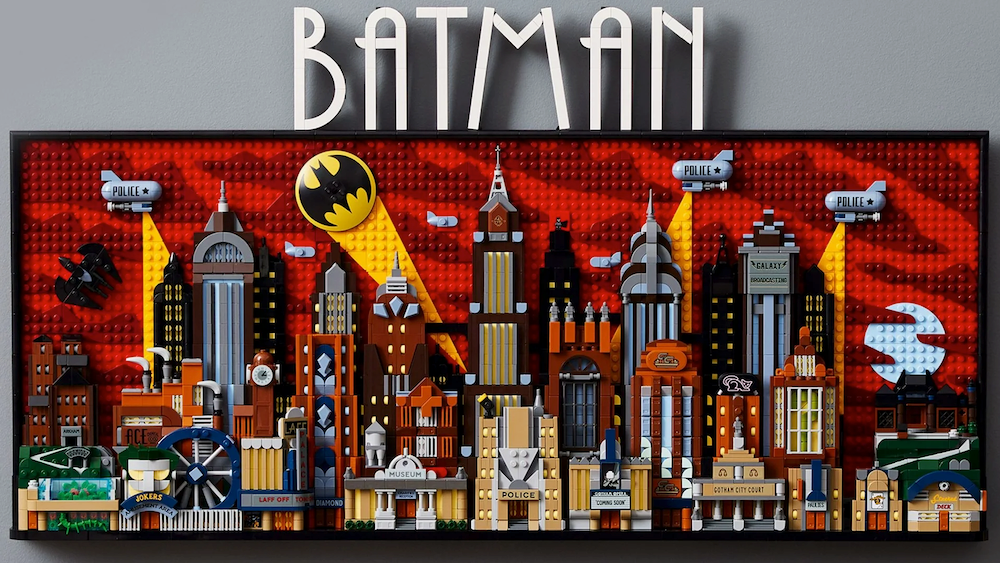
Lego’s highly detailed recreation of Gotham City’s skyline is on sale at Walmart as part of the retailer’s huge Lego sale dubbed Bricktember. The month-long event includes a bunch of exclusive Lego bundles and deals on seldom-discounted sets such as this Batman: The Animated Series display model. At 4,210 pieces, Batman: The Animated Series Gotham City is the largest Caped Crusader Lego set in print today.

Released last spring with a $300 price tag, this incredible piece of 3D wall art is on sale for $267 while supplies last. Bricktember runs until the end of September, but this is one of the deals that’s very unlikely to remain in stock through the duration of the sale. The same goes for Walmart’s stellar deal on Lego’s Batman Construction Figure and Bat-Pod Bike. Normally $65, Batman fans can snag this 713-set based on The Dark Knight movies for only $45.

Walmart Bricktember Sale: Batman Lego Deals

$267 (was $300) | 4,210 Pieces

Lego’s colorful depiction of Gotham City’s skyline is based on the opening credits from the classic ’90s cartoon. From a design perspective, this is one of the coolest and most intricate builds in the Lego DC Batman lineup, past or present. But you’ll want to make sure you have ample shelf or wall space ready before you begin piecing together this elaborate love letter to Batman’s best animated TV series. The completed Gotham City skyline measures 17 x 30 x 3 inches, including the large Batman: Animated Series logo above the skyline.

If you like building Lego sets cooperatively with a friend or family member, Gotham City’s large canvas sets up well for two people working simultaneously. Lego even includes two instruction booklets with this set.

Similar to the discontinued Lego Art Jim Lee Batman Collection, the Gotham City Skyline can be mounted to a wall or placed on a shelf. For shelf display, it has a flip-out stand to ensure it remains upright.

Though primarily a piece of artwork to admire with your eyes, the depth and layering of the buildings allowed Lego to incorporate neat interactive elements and some secrets. There are 15 removable panels that provide a glimpse inside of iconic locations across Gotham City, including Wayne Manor, the Batcave, and Arkham Asylum. A couple of panels hide small, buildable Batmobile and Batwing vehicles that can be removed and displayed separately.

You’ll even build small, removable Batmobile and Batwing vehicles. Illustrations of Batman’s confrontations with Catwoman, Joker, and Harley Quinn as well as other scenes are rendered behind some of the other panels. Fittingly, the set includes minifigures of those four characters based on their appearances from the show.

Lego DC Batman: The Animated Series Gotham City

If you want to watch Batman: The Animated Series while working on the Lego version of Gotham City, you can get the complete series on Blu-ray for cheap at Amazon and Walmart. Batman: The Complete Animated Series is available for $39 (was $80) right now. The DVD version of the series is on sale for $30 (was $60) at Walmart.

As mentioned, Walmart’s other major Batman Lego deal for Bricktember is a buildable Batman action figure and bike playset based on The Dark Knight. The Batman Construction Figure and Bat-Pod Lego set is down to $45 (was $65).

If you want to build a larger Lego Batmobile from Batman: The Animated Series, check out the 435-piece Batman with Batmobile vs. Harley Quinn and Mr. Freeze Lego set for $48 (was $60). The Batmobile comes with an information placard to attach to the vehicle’s rotating display stand. The three characters mentioned in the set’s name are included as minifigures.

Lego’s most recent DC Batman building set is the 909-piece Batman Forever Batmobile, which launched in August for $100.

On September 9, the Lego Batman lineup will expand once again with the release of the 2,953-piece Arkham Asylum display model for adults. A modular build with many different rooms, the Arkham Asylum set is pitched as both a traditional display model and a buildable holiday calendar. Lego DC Batman: Arkham Asylum is available to preorder for $300 and is exclusive to the Lego Store at launch.

More Lego DC Batman Sets at Amazon and Walmart

Lego DC Batman: The Animated Series Batmobile

$300 | Releases September 9

Included Lego Minifigures:

  • Batman
  • Robin
  • Batwoman
  • Catwoman
  • Batwing
  • The Joker
  • Harley Quinn
  • The Riddler
  • The Penguin
  • Bane
  • Mr. Freeze
  • Poison Ivy
  • Scarecrow
  • Killer Croc
  • Security Guard (x2)


Source link

September 2, 2025 0 comments
0 FacebookTwitterPinterestEmail
Shinobi: Art Of Vengeance Deal - Save On Steam Keys For A Limited Time
Game Updates

Shinobi: Art Of Vengeance Deal – Save On Steam Keys For A Limited Time

by admin September 1, 2025


Shinobi: Art of Vengeance, the first new entry in the classic Sega franchise in nearly 15 years, launched August 29 on PC and consoles. If you love 2D action games, Art of Vengeance shouldn’t be missed. PC players can still take advantage of Fanatical’s launch deal that drops the price to $26.39 (was $30). The Digital Deluxe Edition is also available for $35.19 (was $40). These are small discounts, but if you were planning on picking up Art of Vengeance after reading the rave reviews, you might as well save on your Steam key.

Art of Vengeance is officially verified for Steam Deck, and it runs and looks beautiful on Valve’s handheld.

Shinobi: Art of Vengeance Editions

  • Standard Edition — $26.39 ($30)
  • Digital Deluxe Edition — $35.19 ($40)
    • Sega Villains Stage DLC (Coming Early 2026)
    • Starter Pack: Ghost Outfit, Medic Lite Amulet, In-Game Currency
    • Digital Art Book
    • Digital Soundtrack

Disclosure: GameSpot and Fanatical are both owned by Fandom.

The Digital Deluxe Edition comes with a starter pack of in-game items, the official soundtrack, an art book, and the upcoming Sega Villains Stage DLC, which is expected to launch early next year.

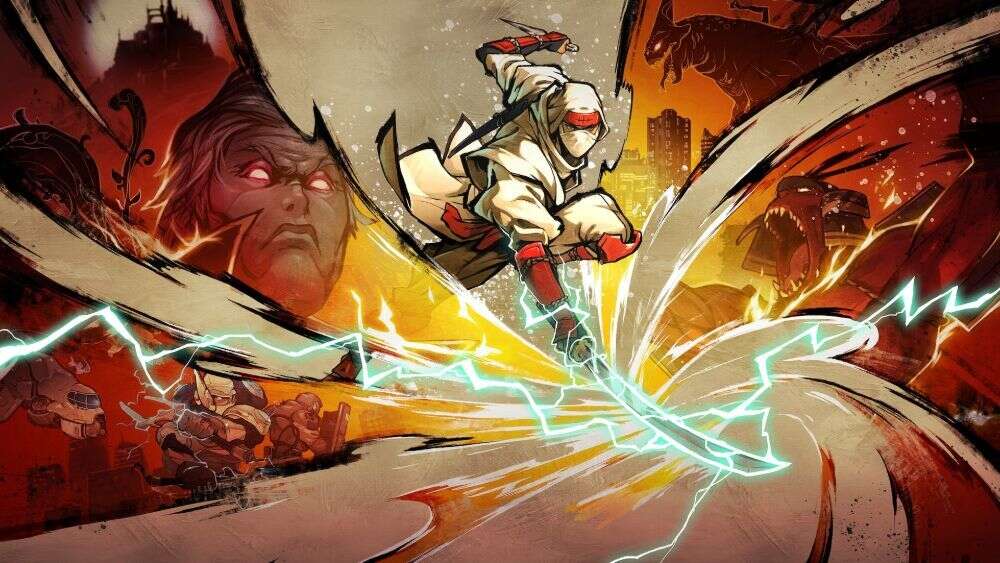
Developed by LizardCube, one of the co-developers of Streets of Rage 4, and published by Sega, Shinobi: Art of Vengeance is a triumphant return for the series. Featuring bold hand-drawn graphics and taking deep inspiration from The Revenge of Shinobi and Shinobi 3, it’s a fresh blend of nostalgia and new mechanics.

The long-awaited revival earned a 9/10 in GameSpot’s Shinobi: Art of Vengeance review thanks to its superb level design, gorgeous art style, and top-notch combat system.

Shinobi: Art of Vengeance Review

Size:640 × 360480 × 270

Want us to remember this setting for all your devices?

Sign up or Sign in now!

Please use a html5 video capable browser to watch videos.

This video has an invalid file format.

Sorry, but you can’t access this content!

Please enter your date of birth to view this video

JanuaryFebruaryMarchAprilMayJuneJulyAugustSeptemberOctoberNovemberDecember12345678910111213141516171819202122232425262728293031Year202520242023202220212020201920182017201620152014201320122011201020092008200720062005200420032002200120001999199819971996199519941993199219911990198919881987198619851984198319821981198019791978197719761975197419731972197119701969196819671966196519641963196219611960195919581957195619551954195319521951195019491948194719461945194419431942194119401939193819371936193519341933193219311930192919281927192619251924192319221921192019191918191719161915191419131912191119101909190819071906190519041903190219011900

By clicking ‘enter’, you agree to GameSpot’s
Terms of Use and Privacy Policy

enter

Fanatical also has a great deal on one of the other highly rated games that launched last week: Metal Gear Solid Delta: Snake Eater. Konami’s remake of the PS2 classic is 25% off at Fanatical. The standard and Digital Deluxe Editions are eligible for Fanatical’s deal. You can snag the standard edition for only $52.38 (was $70). The Digital Deluxe Edition is down to $59.87 (was $80).

If you’re looking for more PC game deals, be sure to check out all of Fanatical’s active game bundles. Steam Deck users have a few more days to grab the latest Play on the Go bundle. All of the eligible titles are verified to run on Steam Deck, and the list features heavy hitters like Fallout 4, Skyrim, and the Tomb Raider I-III Remastered collection.

Other notable bundles include Summer Superstars, which has an impressive collection of titles like Death Stranding: Director’s Cut and Dungeons of Hinterberg. And if you want to add to your Monster Hunter library, Fanatical’s latest Monster Hunter franchise bundle has World, Rise, and both Stories games.

  • Play on the Go – 2 for $15 / 3 for $21.75 / 5 for $35
  • Highlights: Fallout 4 GOTY, Skyrim, Tomb Raider I-III Remastered, Star Wars: Bounty Hunter, Indika, The Case of the Golden Idol, The Invincible, Squirrel with a Gun, Indika, and more.
  • Summer Superstars – 2 for $15 / 3 for $21.45 / 5 for $33
  • Highlights: Death Stranding, Dungeons of Hinterberg, Cryptmaster, Arranger: A Role-Puzzling Adventure, Meg’s Monster, Creatures of Ava, and more.
  • Monster Hunter – 2 for $16 / 3 for $22.95 / 5 for $35
  • Highlights: Monster Hunter Stories 1, Stories 2, World, Iceborne, Rise, Sunbreak
  • VIP Mystery Bundle – 3 for $5
  • All games in this mystery bundle have Very Positive or Overwhelmingly Positive Steam ratings based on over 1,000 reviews.


Source link

September 1, 2025 0 comments
0 FacebookTwitterPinterestEmail
Art Installation Meow Wolf announces TTRPG with Exalted Funeral
Esports

Art Installation Meow Wolf announces TTRPG with Exalted Funeral

by admin September 1, 2025


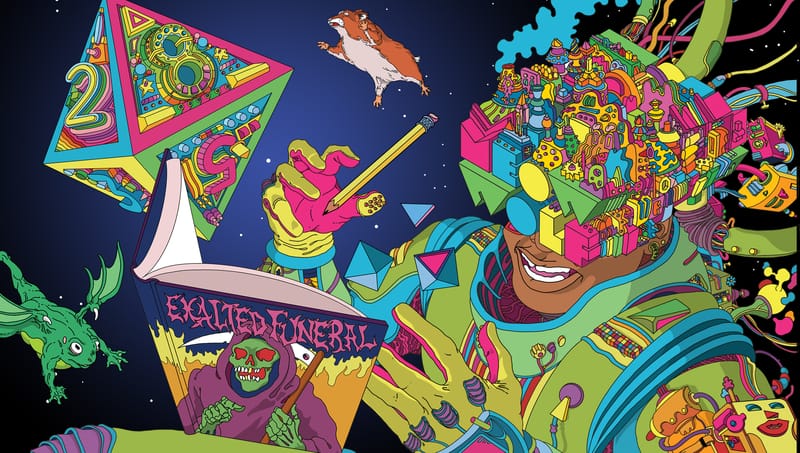
Meow Wolf and Exalted Funeral are collaborating on a tabletop RPG, with a Kickstarter schedule in 2026. This is a combination I never would have imagined, but my talk with EF founder Matt Kelley and designer Andrew Bellury ended up teaching me a lot about art, RPGs, and the nature of interactivity. I’ll be very interested in seeing how the details come together, and what kinds of stories this project inspires.

For those not in the know, Meow Wolf is a series of immersive interactive art exhibits. That description doesn’t really capture the dreamlike, entrancing nature of these enormous installations. Meow Wolf has locations in 5 cities with a 6th opening in Los Angeles next year and NYC in 2027. If you’re in more eastern United States, you might have attended Otherworld installations, similar in concept and inspired by Meow Wolf. These building-sized experiences allow visitors to explore immersive, interconnected worlds at their own pace. They don’t give you any maps or direction, but let you travel through surreal environments. Installations often feature hidden areas with new stories to uncover. They let individual artists run wild, spinning up ambitious worlds with their own aesthetics and feel.

Very little about the story is explicit. The scant documents tell you only broad generalities, your mind and experience filling in the rest. At first I was worried that this would make an RPG an impossible task; how can a designer translate a narrative that’s barely written down in the first place? The answer comes from the strengths inherent to roleplaying games. Strengths that books or movies cannot share. It all comes from the interactivity of the experience, and trust in the player to build their own narrative.

David Lynch used to talk a lot about the power of dreams, and the importance of leaving interpretation up to the individual. He would go so far as to refuse to elaborate on his specific ideas of what a particular story meant, or how he wanted his use of symbolism to be read. To him, that was a limitation and degradation of the story. To put it down into words would be to make it lesser, because the emotion and meaning he was trying to communicate was bigger and more fundamental than we could fit into the crude rules of language.

Meow Wolf and its upcoming adaptation are much the same. I often decry poor layout in RPG books because they use too much text to communicate too little. If a setting book is a long, detailed explanation of every bit of trade, geography, and politics, it becomes useless at the table. That gives you something to read, but not something you can parse and develop in front of a group of people. It’s a bad tool for practical purposes, but it also doesn’t give you room to fill in the gaps and syncopate with your own group. With that in mind, the Meow Wolf RPG won’t be as interested in the specific details of how Tavers got their ability and what each Meow Wolf exhibit means in hard terms. They do have a team of writers making the exhibits, each of which have their own story, but there is a deliberate uncertainty about how much is implied and how much is canon. 

The concept of Tavers–interdimensional travelers who can open portals between worlds–is an emerging concept that bridges the existing exhibits with new storytelling possibilities, and gives the game its title. The team has shared documents and thoughts on their creations with Exalted Funeral, but the game will be its own beast in many ways. RPGs give more room to players as creators than linear narratives. The book or game is less than half the experience. That is just a framework for you, the players, to engage and create your own story. 

This work wouldn’t be possible without the vision of Joe LaFavi of Genuine Entertainment. He has worked with Meow Wolf for a while, and knew there was some interest in a tabletop adaptation. After all, they were already artists with a long history of experiential works. With his eyes on the aesthetic and design talents of Exalted Funeral, who were already fans of MW installations, the two groups made a natural fit.

In hard terms, the result will be a book with its own system, likely with special editions and surprises coming during the Kickstarter campaign. Meow Wolf exhibits have space for events and while there are no promises of collaborative projects, the potential is there. The interest, I suspect, will be strong. This will be a story-driven game driven by d8s, in a classless system that offers character growth but not dense mechanics. At time of writing, they are in the heart of playtesting and refining the engine.

To keep your eyes on this project as it develops, you can sign up now at the Exalted Funeral website to get notified and see early peaks at future development.


Share this article


The link has been copied!


Affiliate Links


Source link

September 1, 2025 0 comments
0 FacebookTwitterPinterestEmail
HONOR MagicBook Art 14 2025
Product Reviews

Honor MagicBook Art 14 2025 ultrabook review

by admin August 29, 2025


Why you can trust TechRadar


We spend hours testing every product or service we review, so you can be sure you’re buying the best. Find out more about how we test.

Honor MagicBook Art 14 2025: 30-second review

The Honor MagicBook Art 14 2025 is a direct update to last year’s impressive MagicBook Art 14 2024, and as you would expect, it boosts almost every aspect of the specifications and performance.

The new model is just as slim and light; however, the performance takes a huge leap forward. When it comes to the performance, it’s worth noting that the “Art” is more in the name rather than indicating a creative focus for its use.

The ultrabook’s slimline profile and weight are key features, which meant that throughout the review period I was able to take it comfortably with me without it adding too much weight or bulk; an additional kilo really doesn’t feel like a great deal in a backpack.

There’s also the build quality to consider, which once again feels good and robust. The main chassis is made from aerospace-engineered magnesium alloy, while the keyboard utilises titanium. The ceramic-style surface also gives the machine one of the best aesthetic finishes I have seen, especially with the way it reflects the light.

Away from the build and style of the machine, the performance is equally impressive. Although the “Art” label is once again a little confusing, this really refers to the art of the machine rather than it being aimed at the creative market, such as the ASUS ProArt series.

This laptop is aimed at those looking for a high-end office, lifestyle or general machine that looks great and has a decent amount of power to match.

Through the benchmark and real-world tests, the high-level performance became apparent, and there was no doubt about just how good the new Intel Core Ultra CPUs are. Microsoft Office apps ran quickly, with the high-resolution display affording greater screen real estate for spreadsheets and Word documents. Likewise, utilising cloud-based office applications proved strong with a stable internet connection.

Sign up to the TechRadar Pro newsletter to get all the top news, opinion, features and guidance your business needs to succeed!

Used for general office work, the machine is exemplary, keeping up with demands placed on it as well as enabling superb audio for media playback. The integrated Arc graphics handled all day-to-day tasks with ease, although it did start to struggle under more intensive tasks such as video production and gaming.

However, as an office-focused machine that’s slimline, lightweight and looks great, there is little to fault in one of the best ultrabooks (and best-looking) on the market.

HONOR MagicBook Art 14 2025: Price & availability

  • How much does it cost? $950 / £950
  • When is it out? Available soon
  • Where can you get it? Widely available

The Honor MagicBook Art 14 2025 will be available soon with several different iterations. No US pricing is available yet, but in the UK, it’s retailing for £1499.99.

You can check it out on Honor’s official site by clicking here.

(Image credit: Alastair Jennings)

Honor MagicBook Art 14 2025: Design

(Image credit: Alastair Jennings)

Specifications

CPU: Intel Core Ultra 5 225H / Ultra 7 255H
Graphics: Intel Arc Graphics 140T (integrated)
RAM: 32 GB LPDDR5x
Storage: 1 TB or 2 TB SSD
Left Ports: Webcam dock, USB-C 3.2 Gen 2, Thunderbolt 4
Right Ports: USB‑A 3.2, HDMI 2.1, 3.5 mm audio
Connectivity: Wi‑Fi 6E, Bluetooth 5.3
Audio: 6-speaker setup, DTS spatial audio
Camera: 1080p removable magnetic webcam
Size: 316.8 × 223.6 × 11.3 mm
Weight: 1.03 kg
OS installed: Windows 11 Home
Accessories: USB-C charger, cable, webcam, documentation

The quality of the build, style, design and materials really do stand out. Like the previous version that offered an attractive matte green surface, my review sample of the Art 2025 features a white ceramic finish that accents colours in different environments. It’s instantly striking, sometimes looking like a flat colour and other times as though there’s a gradient.

The size and weight of ultrabooks are always important factors, and here the machine measures 316.77 x 223.63mm x 11.5mm and weighs approximately 1.03kg, much the same as the previous version. Once again, the chassis is made from aerospace-grade magnesium alloy with a triangular topology that helps provide the strength of the design. Titanium alloy is used for the keyboard, and there’s an aluminium alloy fan inside, helping to keep the components cool while also keeping the weight down.

Around the edges of the machine, there’s a small but good selection of ports including USB-C 3.2 Gen 2, USB4/Thunderbolt 4, USB-A 3.0, HDMI 2.1 and 3.5mm audio jack.

The screen is one of the big features of this machine. At 14.6 inches with a resolution of 3120×2080, it’s also a touchscreen and offers a massive 1600 nits of brightness, making it a great solution for use at a café or other outdoor venue.

While the laptop isn’t designed for creative use, it still offers decent colour accuracy with 100% DCI-P3, 1,000,000:1 contrast ratio and 60/120Hz refresh rate.

Another feature I liked in the previous model that once again appears here is the removable webcam. This inserts into the side of the laptop and can be removed and popped on top as required. This means there’s no break in the screen or thick bezel to house the camera, it’s a great solution and one that obviously increases security as well.

On biometrics, the laptop features a dedicated fingerprint recognition key in the top right of the keyboard, enabling fast access when needed.

Honor MagicBook Art 14 2025: Features

(Image credit: Alastair Jennings)

Delving into the features of this ultrabook, there’s a little bit more to this machine than most. Firstly, there’s the ultra-slim design that houses the Intel Core Ultra 7 Processor 255H and integrated Intel Arc 140T GPU. The machine is available in a series of configurations depending on your needs, with the review sample featuring a 1TB SSD and 32GB of LPDDR5x 8400MT/s.

One of the fetaures that I liked when I reviewed the precious version was the small detachable magnetic webcam. While the quality is relatively low at 2.1MP and a maximum resolution of 1920 x 1080, this is more than enough for most conference calls. What I do like is that it can also be placed to face forward or backwards.

The screen is superb and fully touchscreen, and the hinge has been designed to enable easy one-hand opening and offers a good range of movement, although it won’t lie fully flat.

In use, complementing the screen are the six small DTS audio speakers that give good depth of sound in line with other premium laptops.

Despite the sleek design, the keyboard and touchpad are full-sized, with only the up and down cursor key half sized. The touchpad is also large and responsive, with several preset gestures for volume, brightness, screenshots and more.

Alongside the impressive array of features, there’s enough processing potential to take the workflow beyond spreadsheets. As this machine offers the latest AI-enabled CPU, it can handle more than most machines of this size. HONOR has ensured the internal cooling can cope and it stays impressively quite at just 3dB.

Overall, when it comes to features, from aesthetics, build materials to ports and connectivity, this is a machine clearly focused on those looking for a premium work laptop with plenty of power.

Honor MagicBook Art 14 2025: Performance

(Image credit: Alastair Jennings)

CrystalDiskMark Read: 7114.89MB/s
CrystalDiskMark Write: 6352.79MB/s
Geekbench CPU Multi: 2659
Geekbench CPU Single: 13615
Geekbench GPU: 32073
PCMark Overall: 5752
Cinebench CPU Multi: 14375
Cinebench CPU Single: 1970
Fire Strike Overall: 8436
Fire Strike Graphics: 9128
Fire Strike Physics: 27605
Fire Strike Combined: 3233
Time Spy Overall: 4323
Time Spy Graphics: 3933
Time Spy CPU: 9884
Wild Life Overall: 25169
Steel Nomad Overall: 839
Windows Experience Overall: 8.4

From the outset, the MagicBook Art 14 2025 impressed, especially with Windows 11 Home edition installed as standard. Opening apps and general use felt fast and responsive, and the quality of the screen and touchscreen responsiveness stood out.

One aspect that impressed me was the power of the small speakers, that despite the slim chassis, they delivered a decent depth of sound.

Opening large spreadsheets, I found that the increased resolution enabled easier viewing of more content than expected from a laptop this size. The screen throughout is a strong feature, with the 1600 nits maximum brightness allowing it to be seen in most situations, even outside a café. However, as is common with office-focused machines, the reflective surface did reduce visibility in bright environments.

For office and Windows-based tasks, including web browsing and multimedia playback, this machine performs as well as any I’ve used. This was reflected in a Windows Experience score of 8.4, one of the highest I’ve recorded.

RAM and storage are well balanced, and during testing, the machine easily handled switching between multiple apps. When using CapCut to edit a quick video, the speed of the SSD really stood out. While it doesn’t quite reach PCIe 5.0 speeds, with read speeds of 7114MB/s and write speeds of 6352.79MB/s, it is still one of the fastest laptop SSDs I’ve used, this also means it boots up exceptionally fast.

As I started to push the system further, the CPU performance boost became clear. The Cinebench Multi result of 14375 showed that CapCut, Lightroom and Photoshop were all handled easily. Even with multiple layers and high-resolution images from the Canon EOS R5 C, performance remained good. However, storage became an issue, and I needed an external SSD. Fortunately, the Thunderbolt 4 port enables ultrafast SSDs, such as the LaCie Rugged SSD Pro5, to be connected.

Impressed by the image enhancement, I moved on to video editing. iPhone 15 Pro 4K footage was handled well in CapCut, allowing fast social media edits with some complexity. However, switching to Log3 footage from a Sony A7 IV pushed the machine to its limits, and performance began to falter.

Having reached the limits for work, I tested a few games. I was initially surprised that Indiana Jones and the Great Circle loaded, but while initially playable, there were plenty of dropped frames and frequent crashes. Other newer titles also struggled, though I did manage a round of DiRT Rally.

When pushed, the fans do kick in, but they remain well-balanced and quiet.

The final note is on the 60W battery, which provided around 4 to 6 hours during multimedia, office and light creative work. For pure office use, I’d expect closer to the quoted 10 hours. Gaming would naturally yield much less.

(Image credit: Alastair Jennings)

HONOR MagicBook Art 14 2025: Final verdict

(Image credit: Alastair Jennings)

The Honor MagicBook Art 14 2025 is an impressive ultrabook that will suit anyone looking for a powerful, premium machine for office and general use.

The aesthetics are stunning, and I think that this is one of the best-looking ultrabooks available, with a slimline design and lightweight build that means it will easily slip into a backpack or laptop bag without adding much bulk.

In the office or on the move, there are plenty of connectivity options, and while there’s no network port, Wi-Fi speed and signal strength proved impressive during testing.

In use, the screen really impressed with its large, bright, crisp display and touchscreen functionality. I just wish it would fold flat or, better yet, fold over to be used as a straight tablet.

The power for most tasks is impressive. As long as you don’t plan on playing the latest games or editing high-bitrate, high-resolution video, it can handle most creative applications. When it comes to Windows and Microsoft Office, this laptop handles everything with ease with the best Windows Experience score I’ve seen which was ultimately reflected in the real world use.

If you’re after a premium ultrabook, the MagicBook Art 14 2025 is a great option.

Should I buy a HONOR MagicBook Art 14 2025?

Swipe to scroll horizontally

Value

A premium laptop with a price and build quality to match

4

Design

The materials ensure that the laptop remains lightweight and strong, with one of the nicest finishes I’ve seen

5

Features

A strong set of features for a powerful laptop for general use, while remaining compact

5

Performance

Keeping in mind this is a high-performance office machine, it supplies power where needed

4.5

Overalls

Outstanding machine for office and general use with a great look and premium feel

4.5

Buy it if…

Don’t buy it if…

For more professional picks, we’ve reviewed the best business computers and best business laptops around.

Honor MagicBook Art 14 2025: Price Comparison


Source link

August 29, 2025 0 comments
0 FacebookTwitterPinterestEmail
Ken Levine Shares Judas Key Art And Details About The Game's Villains
Game Updates

Ken Levine Shares Judas Key Art And Details About The Game’s Villains

by admin August 28, 2025


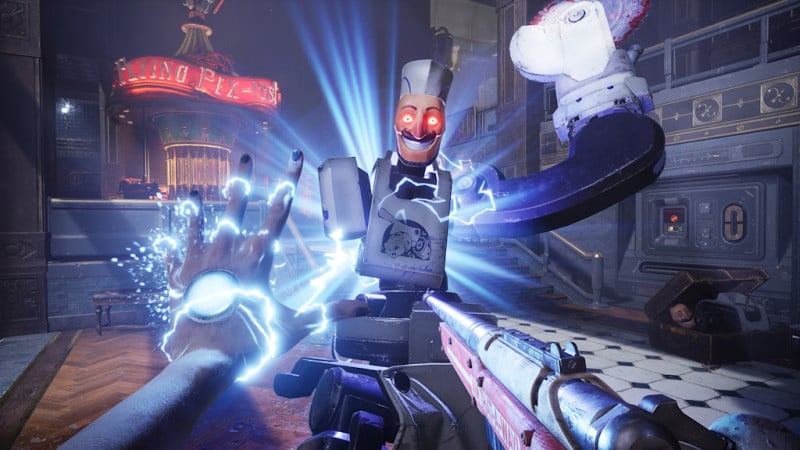
Judas was formally revealed during The Game Awards 2022 as the next game from BioShock creator Ken Levine and his studio, Ghost Story Games. Since then, the team has remained mostly silent, save for a gameplay trailer last year, on what it’s been up to with this sci-fi shooter (that looks a lot like BioShock). However, Levine took to the PlayStation Blog to share new details about the game’s Big 3, villainy system, and the Judas key art. 

Taking inspiration from famed Star Wars poster illustrator Drew Struzan, the Judas key art features the protagonist up front and center, seemingly overshadowing what I think is a variant of her (presumably alluding to the way choices can affect the narrative of the game, though it could just be a totally different character), above the Big 3: Queen Nefertiti, Sheriff Tom Austin, and Hope Jimenez. Levine teases there’s more to glean from this key art, so I’ll leave you to it: 

Alongside this key art, Levine has shared that Ghost Story Games has just finished a major milestone it calls “Villainy.” The director writes that villainy is a central feature of Judas, and that your actions will attract members of the Big 3 to you as friends, or turn them into foes. “When you play BioShock or BioShock Infinite, the villain is always going to be the villain,” Levine writes in the blog. “Fontaine, Comstock – they’re always going to be the bad guys. In Judas, your actions will attract members of the Big 3 to you as friends. But ignore one of them enough, and they become the villain. From there, they will get access to a new suite of powers to subvert your actions and goals.” 

The included clip in the blog post shows a Rent-a-Deputy robotic horse, which can attack enemies for you once rented, turning against you at the hands of Big 3 member, Sheriff Tom Austin. Levine says this is just a small way a Big 3 friend-turned-foe can make your life on the Mayflower, the spaceship setting of Judas, harder. 


In the blog, Levine continues, explaining Ghost Story Games wants players to get to know the Big 3 intimately, and wants losing one of them to feel like losing a friend. The Big 3 will be competing for your favor and attention through Judas – they can bribe you, save you in battle, badmouth the other two Big 3 members, and share with you their deepest secrets. But, as Levine points out, eventually, you have to decide who you trust and who you don’t… and that’s going to cause problems. 

“In BioShock Infinite, there was a lot of energy invested into developing your relationship with Elizabeth,” Levine writes. “By the end of the game, you knew everything about her, her abilities, her hopes, and dreams. But the truth is she knew almost nothing about you, the gamer playing Booker. In Judas, the Big 3 observe you as you play, and they have feelings not only about how you approach combat, hacking, and crafting, but most importantly, your interactions with the other two characters.” 

Unfortunately, today’s blog doesn’t include a release date or window for Judas as Ghost Story Games doesn’t want to say when its game will launch until it’s confident in a date it can hold. Considering Levine’s release track record, Judas could still be years away (but hopefully it isn’t). 

In the meantime, watch the Judas reveal trailer, and then check out the Judas gameplay trailer shown last year. After that, read about what we want from BioShock 4, which isn’t being developed by Ken Levine but is in the works at newcomer studio Cloud Chamber. 

What do you think of Judas’ Big 3 villainy system? Let us know in the comments below!


Source link

August 28, 2025 0 comments
0 FacebookTwitterPinterestEmail
With Shinobi: Art of Vengeance, Lizardcube gives that pixel-perfect 16-bit Streets of Rage 4 treatment to another Sega classic
Game Reviews

With Shinobi: Art of Vengeance, Lizardcube gives that pixel-perfect 16-bit Streets of Rage 4 treatment to another Sega classic

by admin August 27, 2025


All of us who grew up in the 1980s and 1990s have had a decent amount of time to ponder what it is that really makes the video game ninja such a special thing. It’s the hard strikes and the proximity to magic, sure, but it’s also something else. A ninja moves with a particular lightness. No need for a foley artist to mix in footsteps, because when these characters move it’s as is icing sugar is being dusted over the soft earth. So there’s a lovely contradiction at the heart of it. Cor, it hurts when one of these people kicks you through a wall, but cor, they’re so nimble and and deft and precise – so gentle – you kind of have to forgive them for everything.

It’s this kind of contradiction that powers Shinobi: Art of Vengeance. I’ve only spent the morning with this, but please be aware: it’s a deeply good video game. The lineage is pure early 1990s school playground: Sega at its sharpest. And now Lizardcube is in charge of the design, which means the team behind reimagining Streets of Rage and – my heart! – Wonder Boy 3 is back meddling gorgeously with my formative video game memories.


To see this content please enable targeting cookies.

Manage cookie settings

The new Shinobi is a 2D-scrolling action game far too precise and poised to refer to as a beat-’em-up. The first level sends you through a village that’s being burnt to the ground by baddies: perfect cinematic stuff in which to learn how to air dash, double-jump and blitz your foes with combos. Those foes come with swords or ninja stars – or guns, in one case, which feels like a double sting: how could you? – and while the whole thing is wonderfully hand-drawn with sharp black lines and Silver Age poses, the sense of connection makes it feel like the most pixel-perfect 16-bit game you ever played.

That contradiction, though! This Shinobi is not shy when it comes to big attacks. There are gleeful combos and a whole shop full of new moves to unlock. There are also Ninpo moves that are tied to elements by the looks of things, and a range of super-strength Ninjutsu screen-clearers, the first of which left me checking whether my eyebrows had been burnt off. If you’re looking to attack people, you are well-catered for here.

But my favourite move isn’t an attack at all. It’s the Ninja Flip, which you can trigger just after an attack. This allows you, with a squeeze of the bumper, to cartwheel over your enemy, landing behind them oh so softly, so as to continue attacking or just grant yourself some space. It’s useful in combat and it’s useful when the levels start to become more maze-like, with locked doors and switches and secrets to find.

But more than that, it just sells the other half of being a Ninja. The icing sugar softness. The ability to dance lightly through absolute carnage. It’s a show-stopping piece of dismissiveness which makes you feel completely in control of every situation. A bit like Lizardcube, in other words.

Code for Shinobi: Art of Vengeance was provided by the publisher.


Source link

August 27, 2025 0 comments
0 FacebookTwitterPinterestEmail
Capcom replaces disqualified art contest winner with new work following AI allegations
Game Updates

Capcom replaces disqualified art contest winner with new work following AI allegations

by admin August 26, 2025


Capcom has revealed new in-game Street Fighter 6 loading screen art for Kimberly which will be given to all players as part of a recent community art contest.

This piece comes as a replacement for a former entry, which was disqualified following allegations of AI use. According to the terms and conditions of the art contest, all work submitted must be entirely original, and as such the suspected AI use broke the rules.

Alongside the new art reveal comes the following statement from Capcom: “The Street Fighter 6 development team has completed the previously announced replacement for Kimberly’s new challenger screen. The illustration is based on her swimsuit Outfit 4, which has been earning rave reviews from the community.”

Check out a Eurogamer Street Fighter 6 video!Watch on YouTube

It’s not just the Kimberly piece players will be able to use. Taking a look at the art contest website, a selection of winning entries are displayed alongside the artist who created them. All of these – representing a wide spread of playable characters – will soon be popping up in your online matches.

These art pieces will all be free, and delivered to all Street Fighter 6 players in short order. It’s a nice end to a bit of controversy, with the contest remaining a celebration of the creative talents of Street Fighter players. You love to see it.

This is a news-in-brief story. This is part of our vision to bring you all the big news as part of a daily live report.


Source link

August 26, 2025 0 comments
0 FacebookTwitterPinterestEmail
Romeo Is A Dead Man Has So Many Art Styles Because Suda51 Wanted Artists To "Do Their Best"
Game Updates

Romeo Is A Dead Man Has So Many Art Styles Because Suda51 Wanted Artists To “Do Their Best”

by admin August 25, 2025


During Gamescom 2025 last week in Cologne, Germany, I went hands-on with No More Heroes developer Grasshopper Manufacture’s upcoming action game, Romeo Is A Dead Man, and came away with more questions than answers (but in the best way possible). Fortunately, I immediately transitioned from my hands-on preview to a couch, where I sat across from the game’s director, Goichi Suda AKA Suda51, and his interpreter, and asked him the new questions I had. 

But first, let me set the scene of my demo: before gameplay began, I watched a quick intro you’ve likely seen in the game’s reveal trailer that shows Romeo die, then be resurrected and turned into a space cop/FBI agent/expert mercenary/cyborg hybrid. From here, I was brought to a screen with three impeccably designed chocolates. I forgot the name of the first chocolate (and unfortunately didn’t write it down), but it represented the game’s easy mode; the orange chocolate I chose represented normal, and the ginger-infused chocolate was the game’s hard mode. I was then thrust right into the action. 


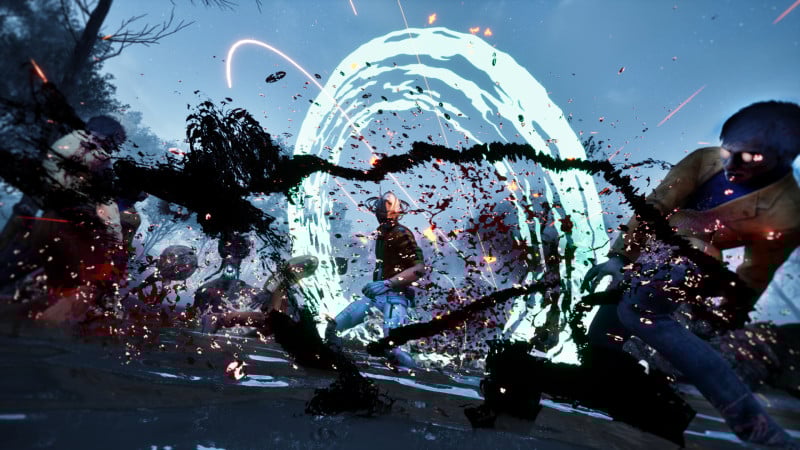
I’m not quite sure where I was, but it was reminiscent of a junk yard; gray, foggy, and swarmed with zombies and other monstrous creatures Romeo needed to kill. Doing so was a blast, thanks to a combat system that feels fast, fluid, and visceral, with a large selection of weaponry to use. I used a machine gun, a pistol, a grasshopper-shaped rocket launcher, and a fusion rifle, of sorts, as well as a katana-like sword, a colossal two-handed sword, and more. All of them are easily accessible with a combo of buttons tied to the d-pad. I like that each gun has a different feel, and that each melee weapon features its own moveset, all in the name of dismembering and beheading hordes of zombies and everything else that stands in the way of Romeo. 

Romeo Is A Dead Man was, by far, the bloodiest demo I saw during Gamescom, and I previewed more than two dozen games, including Resident Evil Requiem. Despite the gallons and gallons of blood, though, it comes off comedically rather than horrifically, thanks to the game’s visual flair. 

After I mowed down enough enemies in this junkyard-like area, I warped into cyberspace, another visually distinct part of the game with its own narrative ties. There was a boss at the end of this area, but I wasn’t able to reach it as my time to interview Suda51 had arrived. Before diving into what I learned from my interview, I’ll close out my preview thoughts here by saying I continue to grow increasingly intrigued by what the hell Romeo Is A Dead Man is doing each time I see and play it. It’s hard to explain what this game is, but that’s part of its charm, and I can’t wait to find out how all its seemingly disparate pieces connect when it launches next year. 

Discussing Romeo Is A Dead Man And Grasshopper Manufacture With Suda51

Game Informer’s Wesley LeBlanc: There is a lot going on in Romeo Is A Dead Man, but from a broad approach, what are the inspirations behind the game? 

Suda51: You may have noticed playing a bit of the game, but a few of the main influences and inspirations for the game are Back to the Future and Rick and Morty, which itself was inspired by Back to the Future. We wanted to do something with space time and time travel, and the whole thing started off with looking to those two properties. 

There are so many distinct art styles in Romeo Is A Dead Man. What are some of the inspirations behind that? 

As far as the art and visual style go, that aspect of the game didn’t have much to do with the [Back to the Future and Rick and Morty] influences. Where that came from was basically, I wanted to make sure all the staff members working on the game were able to do their best and what they’re best at.

For the art, if we have one staff member good at Western-style comic book art, I’d say, “I want you to draw this scene, it’d look really great with your style.” Somebody else is really good at a different style, and I would think of a scene for that person in particular to work on. It was about finding a proper rhythm for each scene, matching the content of the scene and what the characters are doing, and how it could be portrayed best. 

I try to match up all the members of the staff to a scene, let them do the best at what they do, and jamming it all together. 

That’s a very different director approach from what I hear about studios in the West. What’s your philosophy behind that directorial style and letting people do things in their own vision?

It’s pretty simple, really. As far as my philosophy goes, I want it to be fun. We want to make fun games that people like playing, and we want everything about game development to be fun, too. In game development, there’s a lot of heavy s*** to deal with, hard times to deal with, so I wanted not just playing the game to be fun, but the development and creation of it to be as fun as possible, too. 

I lay out my ideas in meetings, and we might have some planning, but I let people from any department talk, tweak versions of ideas, and create a collaborative process. Anyone can cross out ideas, combine something to make new ideas, or take separate ideas and turn them into different things. We try to make it as fun as possible, and I want everyone to have as much fun as they can creating the game. We want them to know their opinions are heard and respected. 

Romeo Is A Dead Man director Suda51 and editor Wesley LeBlanc at Gamescom 2025

How do you factor in game balance with that approach? 

A lot of game developers don’t like thinking like this, because it might “ruin the balance of the game” if there are too many ideas. I don’t care about that personally; I want the game to be fun and interesting. As far as balance goes, I’ll take care of that in the end. If you have a good idea, let everybody know, and in the end, I’ll make sure everything is as balanced as possible. 

I think the team we’ve put together, they trust me to take care of that balance, which is why they feel free to put out different ideas they have. They can trust in me. Balance is probably one of the things I’m best at as a game developer – taking all these ideas that might not seem related, and balancing them.

Can you talk to me about the process behind the game’s combat design? 

As far as the combat goes, that was actually mainly up to one of our lead programmers, Toru Hironaka, who has been at Grasshopper for years. I kind of left the combat and general action up to him because I know he knows what he’s doing. 

From the beginning, I knew there were going to be gun-type weapons and sword-type weapons, and I wanted to make both appealing. I knew we had to make them fun to use and as interesting as any other weapon, so I talked with Hironaka and said, ‘These are the systems and action I want, do what you do best.” I had other staff members give input, too. 

As far as the action stuff goes, it’s mainly Hironaka leading, but as a whole, [Romeo Is A Dead Man] came together the way it did through the power of teamwork. It’s never just one guy doing everything by himself. 

The time between your last release and Romeo Is A Dead Man [due out in 2026] is the longest in development history at Grasshopper Manufacture. Why? 

The main reason it took so long is timing, basically. For example, right around when we started on Romeo Is A Dead Man, it was right about the time we left GungHo Entertainment and joined NetEase, and we increased staff members, and it took them time to get used to how we do things and vice versa. Also, up through No More Heroes III, we worked on Unreal Engine 4, but Romeo Is A Dead Man is being developed in Unreal Engine 5, so our first year developing [Romeo Is A Dead Man], it was people learning Unreal Engine 5, learning how to work with each other, learning how the company works, and everyone getting used to each other and everything. 

That’s the biggest reason it took so long. It’s not necessarily that the game is huge, and it wasn’t the worst possible timing; everything just happened at the point in time that would result in us taking the most time to get the game done. 

Romeo Is A Dead Man launches sometime next year on PlayStation 5, Xbox Series X/S, and PC.


Source link

August 25, 2025 0 comments
0 FacebookTwitterPinterestEmail
Shinobi: Art Of Vengeance Review - Ninja Master
Game Reviews

Shinobi: Art Of Vengeance Review – Ninja Master

by admin August 25, 2025


You spend years waiting for a new 2D action platformer starring ninjas to come along, and then two show up within a month of each other. Both Ninja Gaiden: Ragebound and Shinobi: Art of Vengeance revitalize their respective, long-dormant franchises by successfully harkening back to their roots. There are obvious similarities between the two games, but they’re also wildly different. While Ragebound is deliberately old-school, Art of Vengeance feels more modern, paying homage to the past while dragging the absent series into the current gaming landscape.

From its luscious hand-drawn art style to its deep, combo-laden action, developer Lizardcube has accomplished with Shinobi what it previously achieved with Wonder Boy and Streets of Rage. The Parisian studio knows how to resurrect Sega’s past hits with remarkable aplomb, and Art of Vengeance is no different.

Shinobi: Art of Vengeance

Equipped with a katana in one hand and a sharpened batch of kunai in the other, Art of Vengeance reintroduces legendary protagonist Joe Musashi after an extended exile. As the game’s title suggests, this is a story about Joe’s quest for vengeance, as the opening moments see his village burned to the ground and his ninja clan turned to stone. ENE Corp, an evil paramilitary organisation led by the antagonistic Lord Ruse and his demonic minions, is behind the attack, setting in motion a straightforward tale that sees you hunt down Lord Ruse while disrupting his various operations.

There’s more of a narrative here than in the original 1987 Shinobi, but that’s not saying much. In fact, it feels more akin to a video game story from the ’90s, providing an impetus for the game’s action but mostly staying out of the way–offering no compelling characters and even fewer surprises.

Shinobi: Art of Vengeance

Despite this, it’s difficult not to be enraptured by Art of Vengeance’s world thanks to a striking aesthetic that looks beautiful in screenshots and dazzles in motion. Creating vibrant hand-drawn art is Lizardcube’s forte, after all. The studio isn’t a one-trick pony, though, impressively adapting its style to fit the needs of each new game. Art of Vengeance still looks distinctly European, but it’s imbued with Japanese flavor in its use of expressive brushstrokes, drawing inspiration from both French and Japanese artists to create a unique style that’s endlessly captivating.

Very few games even attempt to achieve a similar look–instead, comics and movie/TV animation are a more fitting reference point for its gorgeous art style. It does, however, feel like there’s a direct throughline to Sega’s past and the Genesis games of the ’90s, such as Earthworm Jim, Comix Zone, Aladdin, and The Lion King; retro games that aped the style of the movies, TV shows, and comics they were either based on or inspired by. With this, Art of Vengeance manages to evoke a sense of nostalgia while still being unmistakably modern.

Shinobi: Art of Vengeance

You only need to look at the depth and attention to detail in each frame to come to this conclusion. When it calls for it, Lizardcube utilizes the game’s backdrops to create a fantastic sense of scale as additional details trail off into the distance. What would otherwise be a fairly dreary shipyard is elevated by the towering cargo ships and cranes looming in the background, while the extent of a congested fish market ensures that you can almost smell the stench. Elsewhere, a scorching desert stretches for as far as the eye can see, with the bones of long-slain beasts and buried temples protruding from the sand dunes.

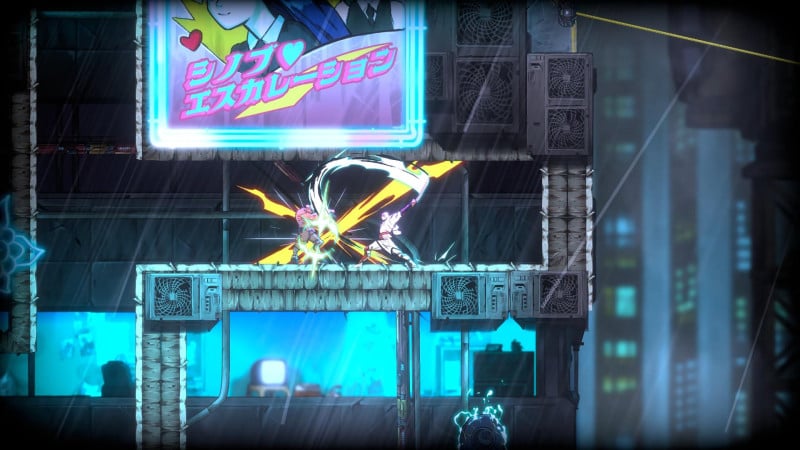
Each stage is visually distinct, too, whether you’re dashing through the pummeling rain of a neon-soaked city–the innards of its derelict buildings doused in colorful graffiti–or exploring an underwater military base that darkens the deeper you submerge, with bioluminescent jellyfish providing the only source of light beyond its giant reinforced windows. Art of Vengeance is the definition of eye candy, although there are occasions where it can be tough to see yourself when the screen is filled with enemies.

Shinobi: Art of Vengeance

Some stages keep things simple in terms of level design, adopting the classic left-to-right formula with the occasional branching path for you to explore in search of secrets. Others are more expansive, offering multiple routes with different objectives to complete before returning to a central area. The city I mentioned earlier, for instance, requires you to rescue hostages before moving on–a nod to the original Shinobi–whereas a later level challenges you to fight your way from one end of a moving train to the other. Throw in some intricate platforming, environmental puzzles, and compelling exploration, and variety isn’t just a facet of the game’s visuals.

Navigating these levels is also a joy thanks to Joe’s responsiveness and fluid movement. You initially start with a few basic traversal options, but it doesn’t take too long before you’re chaining together double jumps, wall jumps, and mid-air dashes; climbing up walls with Ninja Claws, using grapple points to propel yourself forward, and blasting through breakable walls with Joe’s Cannon Punch. The gradual unlocking of these abilities also gives you an incentive to revisit previous stages and access areas you couldn’t before. Each level has a checklist of secrets to discover, from chests filled with money you can spend to unlock new attacks and abilities, to elite enemy units that are tough to take down but reward you handsomely when you do so.

Shinobi: Art of Vengeance

There’s a delectable flow to Art of Vengeance’s platforming that directly translates to its combat, allowing you to seamlessly chain together various attacks to create potentially never-ending combos that reward experimentation and creativity. The fluidity and responsiveness of Joe’s movement is something that continues to stand out when engaging in combat, making the act of slicing through enemies with Joe’s katana consistently satisfying.

There’s a fantastic sense of progression, too, as you gradually add to your repertoire of attacks, building combos with a mixture of light and heavy strikes that let you dodge enemies, juggle them in the air, and then finish them off with a dramatic execution that sees their lifeless body explode in a fountain of blood, money, and healing orbs.

Shinobi: Art of Vengeance

Beyond the katana and kunai, Joe also has access to a variety of powerful moves known as Ninpo and Ninjutsu. You can equip up to four of the former and unleash these magic abilities to transform into a giant snake, launch fireballs, and engulf yourself in water to parry incoming attacks. Ninjutsu, on the other hand, are even more potent moves that see Joe power up like he’s turning Super Saiyan before, say, dealing massive damage to every enemy on screen or replenishing a large amount of your health. Each of these abilities operates on a type of gauge that charges when you attack enemies or sustain damage. They’re powerful, but aren’t readily available, and feel appropriately balanced to the point where using them feels strategic.

You can also find and equip different amulets that grant bonuses based on their type. Passive amulets are always active in the background, altering heavy attacks so that they deal more damage to shields or modifying your kunai to pierce through multiple enemies at twice the ammo cost. Combo amulets activate once your combo reaches a specific number, so you might hit harder after your combo reaches 30, earn a gold coin with every hit after 25, or launch a larger, more powerful fireball Ninpo after racking up 20 kills on the bounce. Art of Vengeance completely nails the fundamentals of a 2D action platformer, but there’s also a ton of depth churning away below the surface that elevates its phenomenal combat to new heights.

Shinobi: Art of Vengeance

At around eight hours in length, the campaign wraps up before a slight hint of tedium creeps in. For those who still want more, however, finishing the game also unlocks a boss rush and arcade mode, challenging you with a gauntlet of the game’s most formidable foes or letting you return to previous levels to try and beat them as quickly and efficiently as possible to achieve the highest rank. Continuing beyond the final credits only reaffirms just how enjoyable the game is, that retreading old ground is still so captivating.

Shinobi: Art of Vengeance has few equals when it comes to 2D combat. It’s a thrilling triumph, emblazoned by a striking art style that confirms Lizardcube is at the top of its game. After a prolonged absence, this is the perfect way to reintroduce the world to Shinobi and Joe Musashi, instantly revitalizing one of Sega’s earliest heroes with his best game to date. There’s still a clear reverence for the past here, but Art of Vengeance also pushes the genre forward with an emphasis on deep combat that flows just as smoothly as water and has the looks to back it up. Ninjas are eating well.


Source link

August 25, 2025 0 comments
0 FacebookTwitterPinterestEmail
Shinobi: Art of Vengeance Review - A Cut Above
Game Reviews

Shinobi: Art of Vengeance Review – A Cut Above

by admin August 25, 2025


A long-dormant franchise often faces the challenge of either appealing to existing fans or trying to capture a new audience. Shinobi: Art of Vengeance masterfully walks the revival tightrope of creating an experience that appeals to fans old and new, delivering a precision-driven action/platformer that deserves to be mentioned among the best of the last several years.

Lord Ruse, a steel-willed menace who heads the militaristic organization ENE Corp, has obtained a legendary artifact that grants him the power to achieve his goal of world domination. After Ruse invades the Oboro Clan’s village, Joe Musashi embarks on a globe-trotting quest for vengeance. Thanks to tight platforming, an impressive combo-driven combat system, and a customizable suite of abilities, Musashi controls like a dream from the moment you pick up the controller. Every victory felt like a personal triumph, and every defeat – of which there were several – was a personal failing I could adapt from. 

For this first Shinobi game since 2011, Sega worked with developer Lizardcube, the studio behind prior revivals of Streets of Rage and Wonder Boy. That decision paid off, as Lizardcube’s incredible art style makes for one of the most beautiful games of the year. Detailed, painterly environments serve as gorgeous backdrops to the superb action and exploration.


As the series’ signature ninja, you travel from the quiet village of the Oboro Clan to various biomes, both grounded and fantastical. From storming a castle and freeing hostages in a neon-drenched city to raiding a secret scientific lab and fighting through a haunted desert (plus other locations so outlandish I don’t want to spoil them), you have ample opportunities to enjoy the full range of Lizardcube’s beautiful art, and with it, appropriately over-the-top enemies to slice through.

Though the eye-catching visuals are the first thing you notice, the fluid combat is what will carry you through the hundreds of encounters. You can customize your build however you’d like, with four Ninpos and two build-modifying amulets equippable at a time. I loved dealing heavy and kunai damage to the soldiers, ninjas, and supernatural beasts that awaited me, which fills their execution gauge and allows me to land a finishing move. 

When things got too hairy, I could rely on my Ninpo attacks, like one that sets enemies ablaze or another that summons a snake to deal enormous damage. When things really went sideways, I changed the tides of fate with Ninjutsu arts, which either deal damage to all enemies or heal Musashi. And you’ll need to leverage all moves at your fingertips, as the game’s 15-hour campaign offers creative and challenging combat scenarios that only intensify when you reach the pulse-pounding boss of each stage.


When you’re not in combat, the rewarding exploration and precision platforming prevent the adrenaline from dropping out, thanks in large part to Musashi’s range of smooth-controlling traversal abilities. Though the stages are self-contained and largely linear, most borrow from Metroidvania conventions in that their branching maps constantly expand as you explore, and nearly every alternate path leads to a valuable collectible or upgrade. Some optional paths grant relics that expand the shop, while others offer some of the most difficult sequences in the game in pursuit of a new weapon for Musashi. 

Though I only obtained 100-percent completion on a few stages during my first playthrough, I’m excited to return to these sprawling levels with my expanded ability suite to grab more rewards and complete more scenarios. I appreciate how massive and well-designed the stages are, flawlessly hinting at where you should go next. However, they’re so long that they sometimes overstay their welcome, which eliminates the urge I often feel with quicker-hit action games of “just one more level.” Still, any gripes I have about Art of Vengeance are relatively minor in the grand scheme of this excellent experience. 

Each time I sat down to play, I met each obstacle with an eagerness to see what it would throw at me next, and I was rarely disappointed. This is Lizardcube’s finest work to date, and it further excites me for the rest of the dormant-franchise revivals Sega has planned. Shinobi: Art of Vengeance should serve as a blueprint for delivering a retro-facing experience of an absentee franchise while still leveraging modern technology and game design conventions. 


Source link

August 25, 2025 0 comments
0 FacebookTwitterPinterestEmail
  • 1
  • 2
  • 3

Categories

  • Crypto Trends (1,098)
  • Esports (800)
  • Game Reviews (772)
  • Game Updates (906)
  • GameFi Guides (1,058)
  • Gaming Gear (960)
  • NFT Gaming (1,079)
  • Product Reviews (960)

Recent Posts

  • This 5-Star Dell Laptop Bundle (64GB RAM, 2TB SSD) Sees 72% Cut, From Above MacBook Pricing to Practically a Steal
  • Blue Protocol: Star Resonance is finally out in the west and off to a strong start on Steam, but was the MMORPG worth the wait?
  • How to Unblock OpenAI’s Sora 2 If You’re Outside the US and Canada
  • Final Fantasy 7 Remake and Rebirth finally available as physical double pack on PS5
  • The 10 Most Valuable Cards

Recent Posts

  • This 5-Star Dell Laptop Bundle (64GB RAM, 2TB SSD) Sees 72% Cut, From Above MacBook Pricing to Practically a Steal

    October 10, 2025
  • Blue Protocol: Star Resonance is finally out in the west and off to a strong start on Steam, but was the MMORPG worth the wait?

    October 10, 2025
  • How to Unblock OpenAI’s Sora 2 If You’re Outside the US and Canada

    October 10, 2025
  • Final Fantasy 7 Remake and Rebirth finally available as physical double pack on PS5

    October 10, 2025
  • The 10 Most Valuable Cards

    October 10, 2025

Newsletter

About me

Welcome to Laughinghyena.io, your ultimate destination for the latest in blockchain gaming and gaming products. We’re passionate about the future of gaming, where decentralized technology empowers players to own, trade, and thrive in virtual worlds.

Recent Posts

  • This 5-Star Dell Laptop Bundle (64GB RAM, 2TB SSD) Sees 72% Cut, From Above MacBook Pricing to Practically a Steal

    October 10, 2025
  • Blue Protocol: Star Resonance is finally out in the west and off to a strong start on Steam, but was the MMORPG worth the wait?

    October 10, 2025

Newsletter

@2025 laughinghyena- All Right Reserved. Designed and Developed by Pro


Back To Top
Laughing Hyena
  • Home
  • Hyena Games
  • Esports
  • NFT Gaming
  • Crypto Trends
  • Game Reviews
  • Game Updates
  • GameFi Guides
  • Shop

Shopping Cart

Close

No products in the cart.

Close