Laughing Hyena
  • Home
  • Hyena Games
  • Esports
  • NFT Gaming
  • Crypto Trends
  • Game Reviews
  • Game Updates
  • GameFi Guides
  • Shop
Tag:

Apple

DAAPrivacyRightIcon
Product Reviews

This Apple Music promotion gives new subscribers three free months of the Family Plan

by admin September 14, 2025


Apple Music is running a promo in which new subscribers can get three free months of the Family Plan tier. That’s a savings of $51, which is nothing to sneeze at. After this lengthy free trial is up, it costs $17 per month.

The Family Plan allows six different users to access the platform. It offers cross-device support and each user is tied to an Apple ID, so their favorite music won’t mess with anyone else’s algorithm.

Apple

Remember to cancel at the end of the free trial if you aren’t digging it. 

$0 at Apple

Apple Music actually topped our list of the best music streaming platforms, and for good reason. It sounds great and it’s easy to use. What else is there? All music is available in CD quality or higher and there are plenty of personalized playlists and the like. The platform also operates a number of live radio stations, which is fun.

The service is available for Android devices, but it really shines on Apple products. To that end, the web and Windows PC apps aren’t as polished as the iOS version. It doesn’t pay artists properly, but that’s true of every music streaming platform. Apple Music does pay out more than Spotify, but that’s an incredibly low bar.

Offer for new subscribers redeeming on eligible devices. Auto-renews at $16.99/mo until cancelled. Requires Family Sharing. Terms apply.

Check out our coverage of the best Apple deals for more discounts, and follow @EngadgetDeals on X for the latest tech deals and buying advice.
Source link

September 14, 2025 0 comments
0 FacebookTwitterPinterestEmail
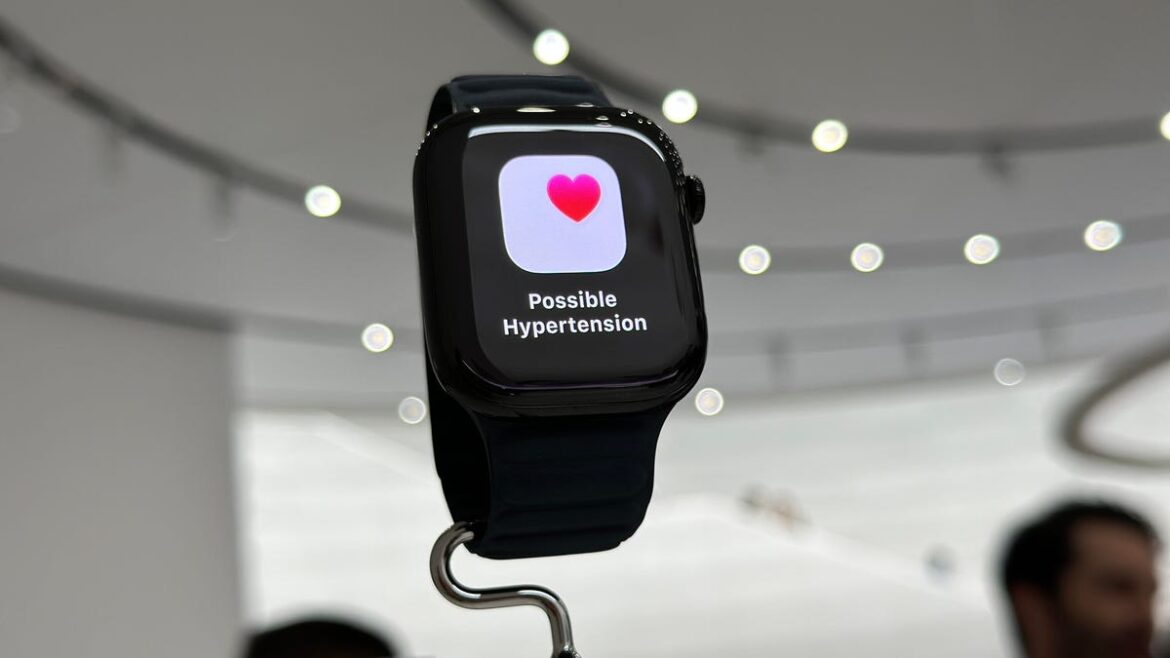
Apple Watch Series 11 on display on a stand among people.
Gaming Gear

The FDA Clears the Apple Watch for Hypertension Alerts

by admin September 12, 2025


On Thursday the Food and Drug Administration cleared a new hypertension detection tool for the Apple Watch. The health feature was one of the highlights at Apple’s September iPhone event and will alert Apple Watch owners of potential signs of high blood pressure, a condition that goes undiagnosed in millions of people.

In addition to the FDA clearing Apple’s chronic high blood pressure tool, the Cupertino company announced that it will be available on its watches starting next week in 150 countries including the US, European Union, Hong Kong, and New Zealand.

Hypertension alerts were unveiled as part of the announcements for Apple Watch Series 11 and Apple Watch Ultra 3. Many (including myself) assumed it would be exclusive to the newest high-end models. But Apple Watch Series 9 and newer and Apple Watch Ultra 2 and newer will support the new high blood pressure detector.

The features arrives at a time when wearable competitors like Oura, Google and Samsung are releasing more features aimed at health, wellness and preventative care. For example, the Galaxy Watch 8, which released earlier this summer, has a skin-based antioxidant index. But Apple’s hypertension tool isn’t the only new health addition to the company’s watches. There’s also Sleep Score that grades the quality of your rest on a 0–100 scale.

Both these features will be coming with the WatchOS 26 update next week.

Watch this: New Apple Watches Are Raising Our Blood Pressure With Their New Features

05:22

Don’t miss any of our unbiased tech content and lab-based reviews. Add CNET as a preferred Google source.

Hypertension alerts

While it’s not the full blood pressure monitoring that many Apple Watch fans were hoping for, hypertension alerts use existing sensors to tackle a serious health concern: a potentially fatal, silent condition that many people don’t even realize they’re living with. According to Apple the feature is expected to notify over 1 million people with undiagnosed hypertension within the first year. 

Much like Apple’s irregular heart rhythm and sleep apnea notifications, hypertension alerts work in the background and don’t require any extra steps. After a 30-day analysis period, the watch will send an alert if it detects patterns consistent with high blood pressure. Apple is clear that this is not a diagnosis. The feature has been cleared by the FDA, but the goal is to provide an early warning that sparks a conversation with a physician.

If an alert does appear, the Apple Watch will recommend that you confirm the results with a traditional blood pressure cuff. All related data can be logged in the Health app on your iPhone, and exported as a PDF for your doctor. That extra step cuts out the typical “wait and track” cycle often required after a doctor’s visit and instead lets you walk in with actionable data in hand.

The feature will be preloaded onto the new Series 11 and Ultra 3 and will be part of the WatchOS 26 update on Sept. 15 for the Apple Watch Series 9, Series 10 and Ultra 2. 

Decoding Sleep Score

The Apple Watch has tracked sleep for years, measuring duration, sleep stages and overall consistency. But it stopped short of giving you an actual score the way competitors like Samsung, Oura and Garmin do. That changes with Sleep Score.

Sleep Score takes your nightly data and assigns a rating from 0–100 (or from “low” to “excellent”) based on three main criteria: duration, number of interruptions (e.g. kids and pets) and bedtime consistency — which Apple says is one of the biggest contributors to quality sleep.

The timing of this rollout is no accident. Apple has a track record of waiting until it has both the scientific backing and enough of its own data to justify launching a new health feature. Sleep Score uses new guidance from the American Academy of Sleep Medicine, the National Sleep Foundation and the World Sleep Society. The algorithm itself was built and validated using over 5 million nights of sleep data from the ongoing Apple Heart and Movement Study.

Each morning, Apple Watch owners will see their score in the Sleep app on their iPhone, as a complication on their watch face, or directly within the Health app. A deeper breakdown reveals how each of the three factors influenced your score, along with explanations of what went wrong (or right). For example, going to bed later than usual could dock points in the bedtime category and pull your overall score down. While it’s not directly prescriptive, the added context helps take the mystery out of what those numbers mean.

Even better, Sleep Score works retroactively. If you’ve been logging sleep for a while, past data will be automatically updated with scores once you install the new software.

Sleep Score will be available on the Apple Watch Series 6 and later, SE 2 and later, and all Ultra models when paired with an iPhone 11 or newer running iOS 26.


Source link

September 12, 2025 0 comments
0 FacebookTwitterPinterestEmail
Apple Watch hypertension alerts cleared by FDA for new and old watches
Gaming Gear

Apple Watch hypertension alerts cleared by FDA for new and old watches

by admin September 12, 2025


Starting next week, Apple’s new hypertension notification feature will be coming to Watch Series 9 and later and Apple Watch Ultra 2 and later with the launch of watchOS 26. That’s according to an emailed statement from Apple spokesperson Zaina Khachadourian saying the feature that monitors blood pressure has been cleared by the FDA.

Apple’s new hypertension notifications — announced Tuesday alongside the new Apple Watch SE3, Series 11, and Ultra 3 — use data from the watches’ existing optical heart sensor to “analyze how a user’s blood vessels respond to the beats of the heart.” An algorithm will review this data over a 30 day period and notify users if it detects signs of high blood pressure.


Source link

September 12, 2025 0 comments
0 FacebookTwitterPinterestEmail
DAAPrivacyRightIcon
Gaming Gear

Apple Watch Series 11 vs. Apple Watch Series 10: Should you upgrade?

by admin September 11, 2025


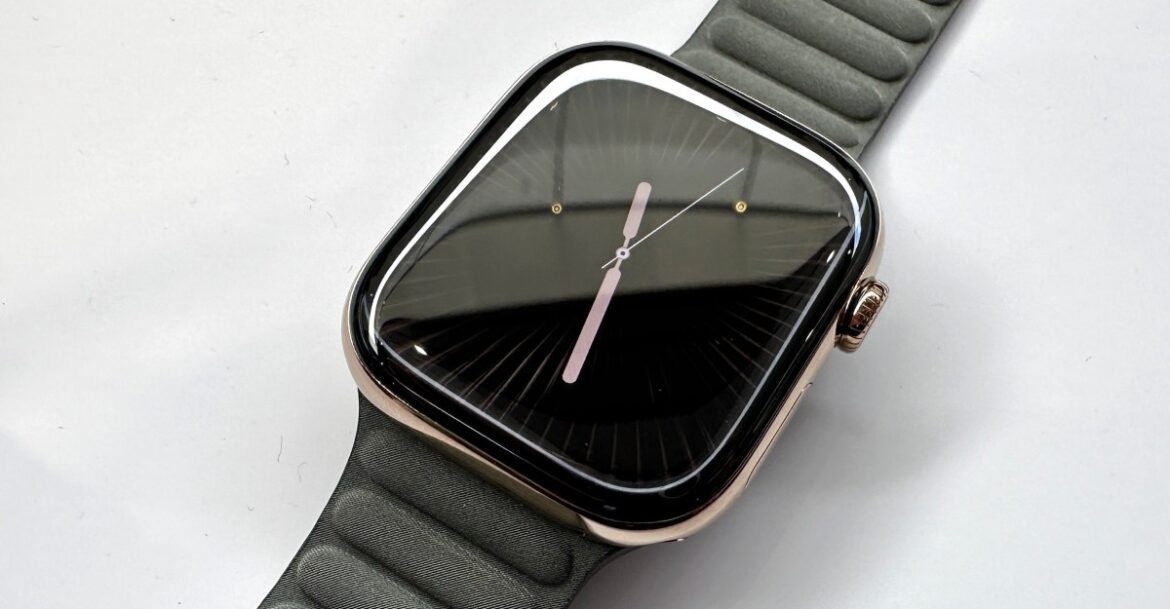
Apple’s September event put the spotlight on iPhones, but the Apple Watch Series 11 quietly picked up some big quality-of-life changes. The new watch looks the same as the Series 10, but there are meaningful upgrades: 24-hour battery life (up from 18 hours), 5G connectivity on cellular models and tougher Ion-X glass on aluminum versions.

The Series 11 also debuts a new health feature, hypertension notifications, which will alert you if your data shows consistent signs of high blood pressure. Importantly, Apple confirmed that this feature will also roll out to older watches, including the Series 10, Series 9 and Ultra 2 via watchOS 26.

The Apple Watch Series 11 starts at $399 and keeps the same 42mm and 46mm case sizes as its predecessor. It runs watchOS 26, uses the same S10 chip and supports the full health suite with ECG, blood oxygen monitoring, temperature sensing, sleep apnea alerts and sleep scoring.

As usual, the older your Apple Watch — especially Series 8 and earlier — the more tangible improvements and benefits you’ll see from jumping to the Series 11. But if you already have a Series 10, is it worth upgrading? For most people, the answer depends on how much you value endurance and connectivity. Let’s take a closer look at what’s new and what’s the same when it comes to the new Apple Watch Series 11 and last year’s Series 10.

Design and display

At first glance, these watches are nearly identical. Both use Apple’s familiar slim cases in aluminum or titanium, and feature the same Retina LTPO OLED display with always-on functionality and up to 2,000 nits of peak brightness. Physically, they are virtually indistinguishable. If you walked into an Apple Store and mixed them up on the table, you’d probably need to flip them over and check the spec sheet to tell which was which.

The change is under the surface, as the Series 11 aluminum models gain Ion-X glass with a ceramic coating that Apple says is twice as scratch-resistant as the Series 10. It’s not indestructible, but if you’re the type who regularly introduces your watch to door frames, it might save you a few scuffs.

Performance and connectivity

Performance remains steady between the two generations. Both use the S10 chip introduced in 2024, which means apps launch quickly and the overall experience should feel fluid. The one major change is in connectivity. The Series 11’s cellular models now support 5G, while the Series 10 remains limited to LTE. That won’t matter if you always keep your iPhone nearby, but if you’re the kind of person who likes to head out for a run or grab a coffee without a phone in your pocket, 5G gives you more breathing room.

Health and fitness features

Health and fitness tracking is robust on both models. ECG, blood oxygen, temperature sensing, sleep apnea alerts and sleep scoring are all supported on both the Series 10 and Series 11.

Hypertension notifications are debuting with the Series 11, but Apple has confirmed they will also be available on the Series 10 through a software update. So you don’t need to rush to upgrade if you’re only interested in blood pressure alerts — Apple’s giving your existing watch a boost, too.

Battery and charging

Battery life is where the Series 11 has the most practical differences. After years of quoting the same 18-hour figure, Apple now promises up to 24 hours of use on a single charge. It’s still not a full weekend away without a charger, but for the first time an Apple Watch can comfortably last through a full day and night without begging for the puck. Fast charging is still supported across both models, so even the Series 10 can be topped up quickly, but the Series 11 gives you more breathing room in everyday use.

Software experience

Both watches run watchOS 26 (Series 10 devices will get that in a software update), which introduces the redesigned Smart Stack, new workout modes and updated health dashboards. Apple has not tied any major new software features exclusively to the Series 11 apart from those that rely on its tougher glass or 5G hardware. In other words, the interface will feel the same whether you’re on the shiny new model or last year’s.

Price and availability

The Series 11 starts at $399, which is the same starting price the Series 10 had when it first launched. Apple typically phases out old flagship models once the latest has launched, but in the near future, you may be able to find a discounted Series 10 while retailers get rid of their stock. Both support the same case sizes and band compatibility, so existing accessories carry over. So if you’ve got a drawer full of straps, you don’t need to worry — they’ll still snap right on.

Should you upgrade?

If you’re wondering if now’s the time to step up to an Apple Watch Series 11, the decision will come down to how much you value endurance and connectivity. The Series 11 is the clear winner if you want 24-hour battery life, 5G support and tougher glass. Those changes may not sound dramatic at first, but they alter how you use the watch from day to night, especially if you rely on cellular data or wear it during workouts and sleep.

If you already have a Series 10, you’ll get the same health experience, the same software and the same performance. With hypertension notifications also arriving on Series 10 (and even the Series 9), the gap between them narrows even further.

The Apple Watch Series 11 doesn’t reinvent the formula, but its upgrades matter. The bump to 24 hours of battery life will make it more of an all-day and all-night companion, 5G makes it more reliable away from your phone and tougher glass adds peace of mind. Think of it this way: if you’re after durability and freedom from the charger, Series 11 is a safe bet. If you’d rather save money and still close your rings every day, stick with the Series 10 or grab one while there’s still discounted stock floating around on the internet.

Full specs comparison

Specs

Apple Watch Series 11

Apple Watch Series 10

Chip

S10

S10

Display

LTPO3 always-on

LTPO3 always-on

Sizes

42mm, 46mm

42mm, 46mm

Connectivity

Wi-Fi, optional cellular with 5G

Wi-Fi, optional cellular with LTE

Durability

IPX6, 50 meters water resistance, Io-X glass for 2x scratch resistance

IPX6, 50 meters water resistance

Heath features

Hypertension notifications, ECG, blood oxygen, temperature sensing, sleep apnea alerts and sleep scoring

Hypertension notifications (via software update), ECG, blood oxygen, temperature sensing, sleep apnea alerts and sleep scoring

Battery life

Up to 24 hours, fast charging supported

Up to 18 hours, fast charging supported


Source link

September 11, 2025 0 comments
0 FacebookTwitterPinterestEmail
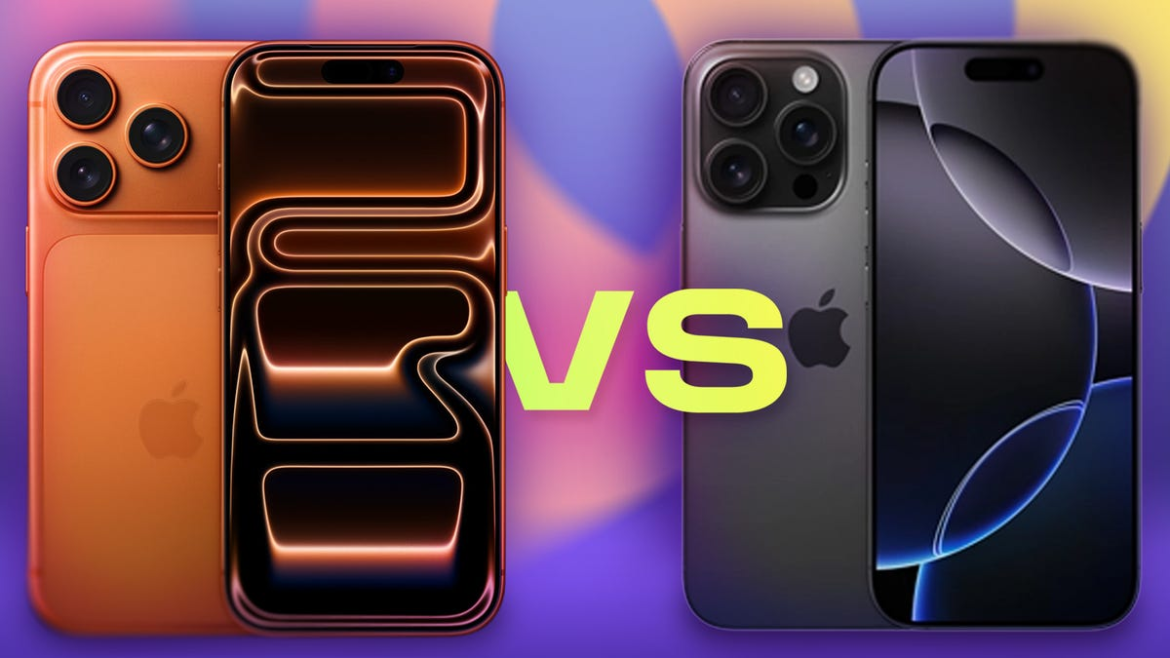
iPhone 17 Pro Max vs iPhone 16 Pro Max graphic
Gaming Gear

iPhone 17 Pro Max vs. iPhone 16 Pro Max Spec Compared: Big Apple Battle

by admin September 11, 2025


The iPhone 17 Pro Max is here, packing a variety of upgrades from the cameras to the design. But how does it compare with its predecessor, the iPhone 16 Pro Max? Let’s take a close look at the specs and find out. Keep in mind that specs don’t tell the whole story so make sure to check out CNET’s ongoing coverage of the iPhone 17 Pro Max — as well everything else from Apple’s “awe-dropping” event — for more information. 

Watch this: iPhone 17 Pro Hands-On: Higher Price and Newish Design

03:41

Don’t miss any of our unbiased tech content and lab-based reviews. Add CNET as a preferred Google source.

iPhone 17 Pro Max: Design and display

Both phones are huge, with 6.9-inch displays that will be equally difficult to wrap your hands around and will stretch out your jeans pockets in just the same way. The two phones have largely the same dimensions. They both use Apple’s Super Retina XDR panels, so we don’t really expect to see any noticeable differences in overall quality here, and both phones have the Dynamic Island cutout at the top. 

The 17 Pro Max’s design has had some big changes, though, with a new camera bar that stretches across the width of the back, and the phone is made from aluminum instead of titanium. Apple says this design dissipates heat 20 times better than the titanium design of the previous model, helped too by the new vapor chamber, which uses de-ionized water to actively cool the phone while in use. Despite that, the 17 Pro Max is only 4 grams heavier than the 16 Pro Max. Will you ever notice 4 grams more? Almost certainly not. 

I guess it’s not a spec, but I do think it’s worth calling out the 17 Pro Max’s new cosmic orange colour — love it or hate it, it’s certainly a vibrant option, and I personally love seeing a bit of fun being injected back into our phones. I’d personally pick it over another shade of boring gray.

Tell me the orange doesn’t stand out.

Apple

The 17 Pro Max has Ceramic Shield 2 on the front and back, which Apple says is three times more scratch-resistant than before. Both phones are IP68 water-resistant.  

iPhone 17 Pro Max: Processor and storage

The 17 Pro Max uses Apple’s latest A19 Pro chip, which the company reckons is significantly faster, especially for graphically intense tasks like gaming, while its new neural accelerators are designed to help it handle AI tasks with better efficiency. The A18 Pro chip in the 16 Pro Max was already something of a beast, so it’ll be exciting to see how these two perform both on benchmarks and in real-world use. 

While both phones have a base capacity of 256GB, the new 17 Pro Max can now be specced up with a whopping 2TB of storage. You’ll pay handsomely for the privilege at $1,999 for that configuration, but if you plan to film a lot of ProRes Raw video with the phone, then it might be worth it. There’s also the option to attach an external SSD when filming at that quality.

iPhone 17 Pro Max: Cameras

Both phones pack the usual trio of standard zoom, ultrawide and telephoto cameras, but the 17 Pro Max makes some key upgrades. Most notably in the telephoto camera, which now has an optical zoom range up to 8x, which is a big step up over the fixed 5x zoom of the 16 Pro Max. Its sensor is physically bigger too, and its resolution has gone from a meager 12 megapixels on the 16 Pro Max to a much more generous 48 megapixels on the 17 Pro Max. Nice. 

Apple’s new cameras are so good it shot its whole keynote video using one. Well, that and an enormous cinema crane and multiple Hollywood-standard lights.

Apple/Screenshot by CNET

All three rear cameras are now 48 megapixels, although there are fewer hardware differences on the other cameras. 

The 17 Pro does have some upgraded video skills, however. This includes its ability to shoot in ProRes Raw, which captures unprocessed footage without any software adjustments like sharpening in order to give much greater flexibility in post-production. ProRes Raw isn’t on the 16 Pro Max, so it’s presumably demanding enough that it requires the extra power from the new A19 chip to manage it.

The 17 Pro Max also supports dual capture, which allows you to film with the front and rear cameras at the same time if that’s something you think you’d particularly want to do. Both phones can shoot 4K video at up to 120 frames per second, and if you want to slow things down even more, they will shoot 240 frames per second in 1,080p. 

The front selfie camera — or the Centre Stage camera, as Apple now calls it — has seen a boost up to 18 megapixels on the 17 Pro Max, along with a new sensor design that allows for vertical or horizontal cropping and better digital stabilization in video. 

iPhone 17 Pro Max: Battery and charging

Apple doesn’t give specific battery specs, but it has said that the iPhone 17 Pro Max has the biggest battery ever seen inside an iPhone. That must mean it’s bigger than the battery in the 16 Pro Max, even though we don’t know its actual capacity. And that makes sense as Apple reckons you’ll get an additional four hours of video playback from the new model. How they actually fare in everyday use remains to be seen. 

Apple says the iPhone 17 Pro Max’s battery is the largest it has ever put inside an iPhone.

Apple/Screenshot by CNET

Apple also says that the 17 Pro Max will charge faster. Its 40-watt wired charging speed takes it from empty to 50% full in 20 minutes, a significant boost over the 35 minutes the 16 Pro Max would take to do the same. 

So those are some of the key differences — and similarities — between the new iPhone 17 Pro Max and last year’s iPhone 16 Pro Max. The upgrades won’t feel huge if you’re already using an iPhone 16 Pro, so those of you already rocking last year’s model almost certainly won’t need to upgrade here, but if you’re on much older handsets then you’ll definitely notice the difference in the cameras and power — and, yeah, you can also have a bright orange Pro iPhone now, so that’s something.  

iPhone 17 Pro Max vs. iPhone 16 Pro Max specs comparison chart

Apple iPhone 17 Pro MaxApple iPhone 16 Pro Max Display size, tech, resolution, refresh rate, brightness 6.9-inch OLED; 2,868 x 1,320 pixel resolution; 1-120Hz variable refresh rate6.9-inch OLED; 2,868 x 1,320 pixel resolution; 1 to 120Hz adapative refresh ratePixel density 460 ppi460 ppiDimensions (inches) 6.43 x 3.07 x 0.34 in6.42 x 3.06 x 0.32 inDimensions (millimeters) 163.4 x 78.0 x 8.75 mm163 x 77.6 x 8.25 mmWeight (grams, ounces) 233 g (8.22 oz)227 g (7.99 oz.)Mobile software iOS 26iOS 18Camera 48-megapixel (wide) 48-megapixel (ultrawide) 48-megapixel (4x, 8x telephoto)48-megapixel (wide), 48-megapixel (ultrawide) 12-megapixel (5x telephoto) Front-facing camera 18-megapixel12-megapixelVideo capture 4K4KProcessor Apple A19 ProApple A18 ProRAM/storage RAM N/A + 256GB, 512GB, 1TB, 2TBRAM N/A + 256GB, 512GB, 1TBExpandable storage NoneNone (Face ID)Battery/charging speeds Up to 39 hours video playback; up to 35 hours video playback (streamed). Fast charge up to 50% in 20 minutes using 40W adapter or higher via charging cable. Fast charge up to 50% in 30 minutes using 30W adapter or higher via MagSafe Charger.Up to 33 hours video playback; up to 29 hours video playback (streamed). 20W wired charging. MagSafe wireless charging up to 25W with 30W adapter or higher; Qi2 up to 15WFingerprint sensor None (Face ID)None (Face ID)Connector USB-CUSB-CHeadphone jack NoneNoneSpecial features Apple N1 wireless networking chip (Wi-Fi 7 (802.11be) with 2×2 MIMO), Bluetooth 6, Thread. Action button. Camera Control button. Dynamic Island. Apple Intelligence. Visual Intelligence. Dual eSIM. ProRes Raw video recording. Genlock video support. 1 to 3000 nits brightness display range. IP68 resistance. Colors: silver, cosmic orange, deep blue.Apple Intelligence, Action button, Camera Control button, 4x audio mics, Dynamic Island, 1 to 2,000 nits display brightness range, IP68 resistance. Colors: black titanium, white titantium, natural titanium, desert titanium.US price off-contract $1,199 (256GB)$1,199 (256GB)UK price £1,199 (256GB)£1,199 (256GB)Australia price AU$2,199 (256GB)AU$2,149 (256GB)


Source link

September 11, 2025 0 comments
0 FacebookTwitterPinterestEmail
The AirPods Pro 3 Can Read Your Heart Rate During Workouts, Without the Need of an Apple Watch
Gaming Gear

The AirPods Pro 3 Can Read Your Heart Rate During Workouts, Without the Need of an Apple Watch

by admin September 11, 2025


Apple unveiled the new AirPods Pro 3 during its “awe-dropping” event Tuesday. The latest iteration of the Pro earpods has improved noise cancellation, the ability to translate other languages in real time, better and clearer sound quality, and water resistance, so it can handle your sweatiest workouts. But the AirPods Pro’s newest standout feature is its ability to read your heart rate using a small sensor implanted in the earpiece.

That means during your daily walks or workouts, your AirPods will be able to capture your heart rate using a unique infrared light sensor and a new on-device AI model that tracks heart rate and calories burned. All this data will be tracked in Apple’s Fitness app.

Additionally, the new AirPods will also give you access to Workout Buddy, a fitness feature that uses Apple Intelligence to collect your workout data, fitness history and more to personalize your workout experience. So if you’re going for a walk or run, these AirPods will function like a coach, motivating you during your workout. If you’re already an Apple Fitness Plus member, you’ll be able to use these AirPods to view your real-time performance metrics like heart rate, calories burned, Burn Bar and close the Move ring on screen. 

The addition of the heart rate sensor took me by surprise, since these types of sensors are commonly used on wearables around the wrist, like the Apple Watch, or as a smart ring. However, it does make me wonder how accurate or in sync the data will be if someone owns both the AirPods Pro 3 and an Apple Watch. Now that both can record your workouts, it will be interesting to see how it plays out as people use them in the real world.

The Apple AirPods Pro 3 are now available for preorder and will hit stores next Friday, Sept. 19. Pricing starts at $249 (£219, AU$429).


Source link

September 11, 2025 0 comments
0 FacebookTwitterPinterestEmail
The iPhone Air Looks Like a Wild Preview for Apple AR Glasses
Product Reviews

The iPhone Air Looks Like a Wild Preview for Apple AR Glasses

by admin September 11, 2025


Apple had a lot of announcements this week, but arguably none was bigger (and paradoxically thinner) than the iPhone Air. For one, there’s the fact that this is Apple’s first-ever phone with “Air” branding, marking a rare new category of iPhone, both present and future. Then, there’s the fact that the iPhone Air is very slim—5.64mm to be exact. Gizmodo’s Senior Editor, Consumer Tech, Raymond Wong, got some hands-on time with the iPhone Air, and he says it feels as thin as it looks—even thinner than Samsung’s Galaxy S25 Edge, to be exact. Think Ozempic, but for iPhones.

But as exciting as all of that is, it’s not the newness or even the thinness that turned my head—it’s what the iPhone Air says about the future. And to see that, you have to look at what’s going on inside.

This is HIGH signal of the future to come.

For context, the entire computer. Modems, Antennas, everything needed to compute on the iPhone Air fits inside the camera bump.

The rest of the phone is screen and battery.

My thoughts.

Ever since Apple made the first watch, they… pic.twitter.com/UfjAVNA52p

— Linus Ekenstam (@LinusEkenstam) September 10, 2025

If you’ve been paying attention to X, you may have seen this picture in your feed. That’s the inside of the iPhone Air you’re looking at, and it’s significant for one reason. You see all of that stuff at the top? That’s basically the whole phone—or all of the computing power, at least. Apple managed to stuff basically everything that makes its iPhone an iPhone (camera and compute) into one tiny section at the top of the chassis. The rest of the phone? One big and very thin battery. It’s a feat of engineering, really, but beyond that, also a template for what Apple could do next.

There are a lot of implications of being able to cram a powerful computer in a space that small, but the one that intrigues me the most is a pair of AR glasses. Why AR glasses, specifically? Well, they’re a perfect case of miniaturization getting in the way of a bright new future. It’s not that we don’t have the tech (in theory) to make AR glasses work—we can put screens in a glasses display, we have apps and UI, and camera sensors are smaller than ever—but it’s doing all of that in a form factor that people are ready and willing to wear on their faces that throws a wrench in things. We need to make things smaller if we’re going to think bigger. Write that down, Apple marketing.

It just so happens that’s exactly what the iPhone Air does. It crams a powerful computer into a space that formerly felt too confining. And what makes me even more excited about the miniaturization inside the iPhone Air is the fact that Apple has long been rumored to be developing a pair of AR glasses.

In February, Bloomberg’s Mark Gurman revised earlier claims that Apple stopped developing AR glasses, reporting instead that it killed a “stopgap product” that would have competed with Meta’s Ray-Ban smart glasses. To me, that says Apple isn’t disinterested in AR, only that it’s waiting until it has a product that actually moves the needle—perhaps a pair of AR glasses that resemble regular glasses in size and weight but can still run apps and act as secondary screens for messaging, calls, and navigation. You know, the ideal pair of smart glasses. With the miniaturization of iPhones and the computer inside them, it feels like it’s one step closer to that goal, though there are other concerns with making a gadget of that caliber that the iPhone Air doesn’t necessarily address.

They call this an “Air Drop” in the industry. © Adriano Contreras / Gizmodo

One of those hurdles is the battery. Apple did a good job of (at least on paper) making the iPhone Air battery suitable for most people, claiming that it lasts “all day,” which in this case means about 27 hours of offline video playback and 22 hours of streaming playback. That being said, it still bothered to release the iPhone Air alongside a MagSafe Battery pack that extends the phone’s battery. Maybe I’m reading into that too much, but it seems to me that Apple could be getting out ahead of something. That same issue could extend to a pair of AR glasses, too.

Even if Apple could cram a whole computer inside a pair of lightweight glasses, running everything would still need to be very efficient, especially if there’s a screen inside with high brightness, audio capabilities, and the ability to run apps. All of that stuff eats up battery—and fast. That’s all to say that shrinking down a computer is huge, but powering the damn thing is equally important. Even with that piece of the puzzle potentially unsolved, it’s hard not to believe that Apple could make it work… eventually.

Just a few years ago, we would have looked at the idea of an iPhone Air and said, “No way.” It’s not durable enough; there’s not enough battery; Moore’s Law is dead; yadda, yadda. But here it is. An iPhone that’s thin and light and even has Apple’s most powerful A19 Pro chip. If I were a betting man, I’d wager that Apple is already looking at ways to up that ante, improving battery life, cameras, and making its Air just as capable as its base model iPhone. And who am I to bet against them at this point? Call me crazy, but if the iPhone Air is any indication, my money is on a pair of Apple AR glasses that do it all—and maybe sooner than you think.


Source link

September 11, 2025 0 comments
0 FacebookTwitterPinterestEmail
DAAPrivacyRightIcon
Gaming Gear

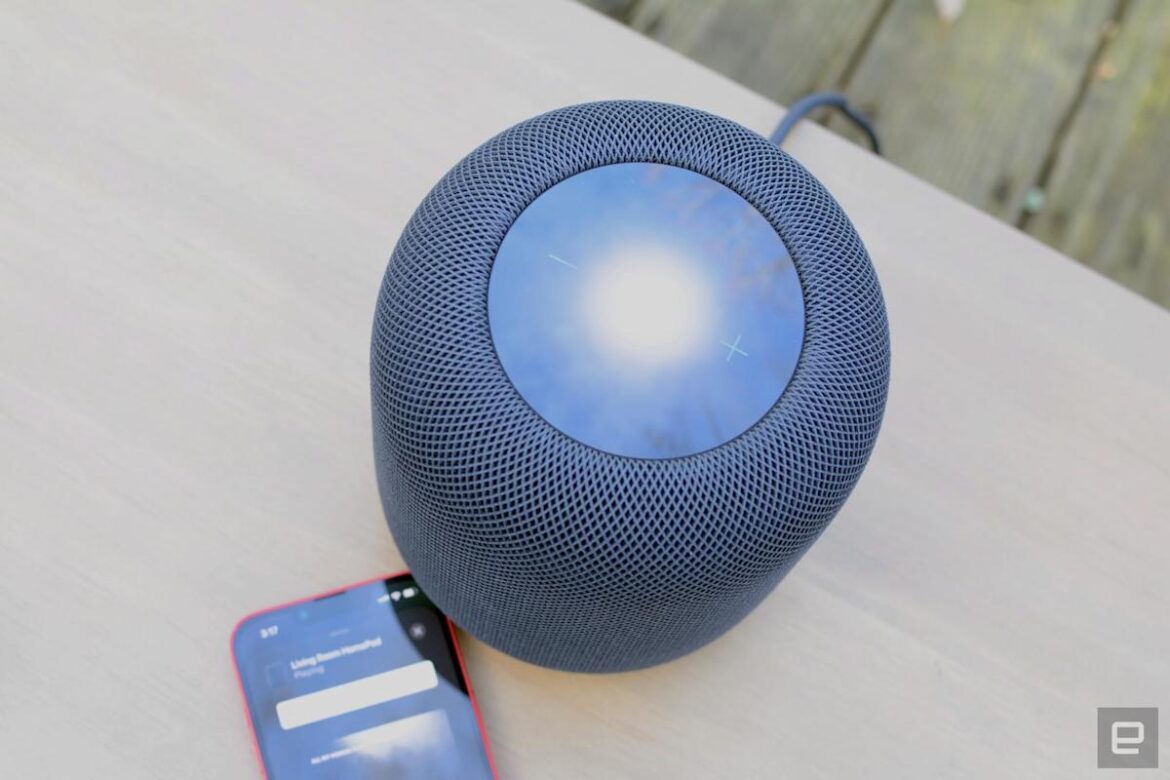
As Apple pursues AI, spare a thought for the poor HomePod

by admin September 11, 2025


When the video kicking off Apple’s “Awe dropping” event began yesterday, I was pleased to see a HomePod in the opening shot. I hadn’t given any thought to Apple’s beleaguered smart home speaker in ages, so I was all set for Tim Cook and crew to deliver an actual surprise and reveal new stuff for HomePod. When the entire presentation then passed without another peep about the product, I was disappointed, but resigned.

HomePod has always been behind the curve. When smart speakers first came on the scene, the sector was quickly dominated by Amazon and Google, with Sonos as the boutique third-party option. Apple announced the HomePod in June 2017, almost three years after Amazon unveiled its original Echo speaker.

The HomePod arrived too slow and cost too much, and (in an echo of the company’s current woes) Siri was too unhelpful, for the smart speaker to really claw back much market share from its rivals. The Mini iteration came out in late 2020, and the second-generation HomePod in February 2023 added support for Thread smart home standard. Not exactly pushing the boundaries of smart speaker innovation.

And things got worse for the poor HomePod as voice-controlled AI assistants have transitioned away from being centered around dedicated speakers. AI is now being integrated ever-more tightly into our smartphones and computers, with less need for a separate intermediary device. Which brings us to the ongoing issue of Apple’s shaky foothold in the AI race.

Apple has been promising a big overhaul to Siri for awhile, with the new and improved version currently not due until spring 2026. To show off that new AI assistant, Apple is reportedly working on an interactive smart home hub that is expected to have HomePod-like audio capabilities baked in, but won’t be ready for launch until at least 2027. What’s a company to do in the interim?

It makes sense for Apple to hold back on any big developments to its existing Siri-centric smart home speaker. I get it. But I could have been hyped to see a stripped down HomePod that focused more on being a speaker than on being smart. I have a Sonos that I love, and part of me assumed that I would eventually upgrade to an Apple offering. The AirPods are such a great element in the Apple ecosystem, and I use mine almost daily. Having a powerful, high-quality home speaker that delivers the easy interconnectivity that’s such a big part of Apple’s value proposition might have helped bridge the time gap, keeping Apple in people’s minds as a player in home tech while the company works on its next, more innovative move. Take one step back to take three steps forward.

In practice, though, it feels like the window for the HomePod to become a star in Apple’s lineup has shrunk to almost nothing. As I now look at the recent trends in AI and home tech, I don’t see an obvious space for a smart speaker. That’s not limited to Apple; it’s also pretty telling that both Amazon and Google haven’t been giving much love to their smart speakers either. In fact, a majority of Engadget’s favorite smart speakers this year are from specialist Sonos as the big tech names have put their focus on AI instead of audio. We’ll still have smart speakers, but they’ll be folded into multi-purpose gadgets and pitched as general smart-home aids.

To be clear, there’s been no indication that Apple will sunset the HomePod. But my personal prediction is that HomePod will stay on the sidelines for now and get pushed even farther away from the spotlight when the new smart home products are unveiled, receiving only occasional attention until Apple officially and quietly pulls the plug for good. And so will end the life of a star-crossed product that never got the chance to shine at its full potential. Here’s hoping I’m wrong.


Source link

September 11, 2025 0 comments
0 FacebookTwitterPinterestEmail
Apple iPhone 17 hands-on | The Verge
Product Reviews

Apple iPhone 17 hands-on | The Verge

by admin September 10, 2025


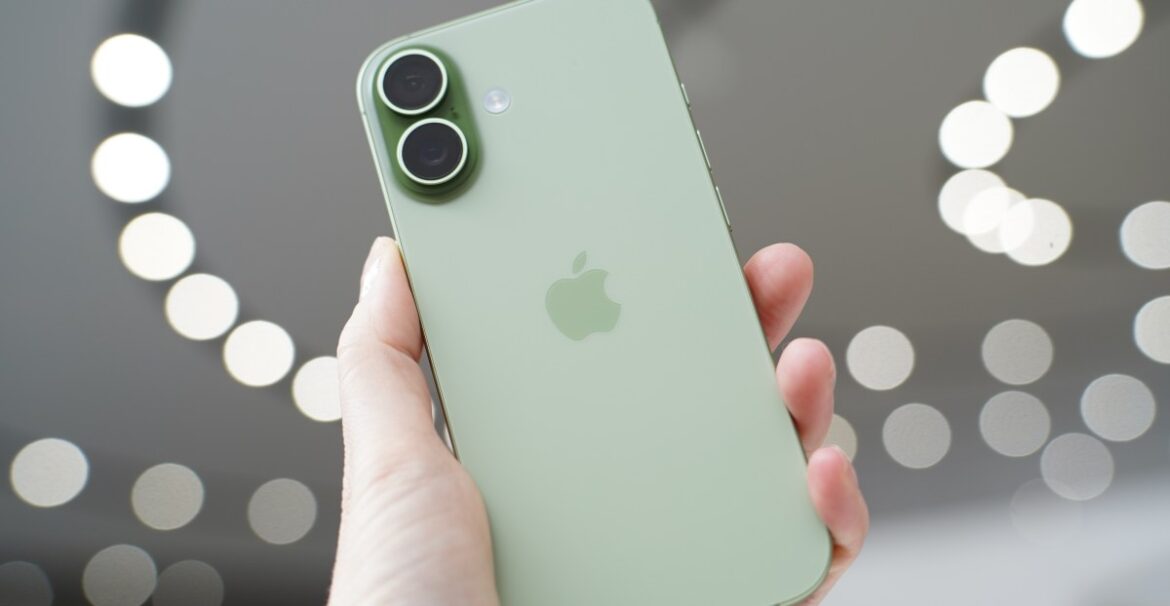
Apple’s big fall event just wrapped up, and we rushed out of the Steve Jobs Theater to get our hands on the latest iPhones. Here’s a look at the new iPhone 17, Apple’s base model this year, which is joined by the thinner iPhone Air and beefier iPhone 17 Pro and Pro Max — there’s no Plus this time around.

The first place to start is the rear camera. Not because a lot has changed here, but rather because it hasn’t: while the iPhone 17 Pro and Air have both adopted new horizontal camera “plateaus,” the regular 17 has the same two vertically stacked lenses as last year. That means this is the only iPhone 17 that actually looks like the iPhone 16 range — which could be a good or a bad thing, depending on your perspective.

The dual rear cameras look the same, but there’s been a big change. Both lenses now use 48-megapixel sensors — a big upgrade for the ultrawide, which was previously 12 megapixels. Apple claims that the main camera will double as a 2x telephoto, while the ultrawide handles macro duties, but don’t expect a camera as versatile as those on the Pros — still, it’s better than the single lens on the Air. The selfie camera has been upgraded too, with an 18-megapixel sensor supported by Center Stage for automatic framing and even orientation adjustment.

The regular iPhone is always the last to get whatever shiny new features Apple rolls out to the Pros, but it looks especially left behind this year with the Air in the mix and a new design for the Pro. But the selfie camera improvements will be appreciated here by anyone upgrading to the base model, and the colors are pleasantly saturated in person.

You’ll get five color options with the base iPhone 17: lavender, mist blue, black, white, and sage. They’re all at the subdued, pastel end of the spectrum, though — bizarrely, you’ll have to opt for the 17 Pro’s bright orange to get a truly punchy finish this year.

That’s not to say that nothing has changed. The iPhone 17 has followed in the footsteps of last year’s 16 Pro models by shrinking its bezel for a slightly larger display, jumping from 6.1 inches in the iPhone 16 to 6.3 inches now. That means it has the same size display as the iPhone 17 Pro, giving you one less reason to upgrade.

Size isn’t the only upgrade, either. This is the first year that the base iPhone has included support for up to 120Hz refresh rates, finally matching a feature you can find on $200 Android phones. That should mean smoother scrolling and more fluid animations, helped along by the upgraded A19 chip — it’s a change that’s sometimes hard to notice at first, but is immediately apparent when you go back to a 60Hz screen. It’s also a brighter screen than before, with a peak outdoor brightness of 3,000 nits, and is protected by the new, tougher Ceramic Shield 2.

Throw in more power thanks to the updated A19 chipset, longer battery life, and support for faster 25W MagSafe charging, and the iPhone 17 is a bigger update than many of us expected.

The iPhone 17 starts at $799, the same price as the 16, but you get double the storage at 256GB. It’ll be available to order from this Friday, with devices hitting store shelves on September 19th.

Photography by Allison Johnson / The Verge


Source link

September 10, 2025 0 comments
0 FacebookTwitterPinterestEmail
Apple is giving iPhone 14 and 15 users another free year of satellite features
Gaming Gear

Apple is giving iPhone 14 and 15 users another free year of satellite features

by admin September 10, 2025


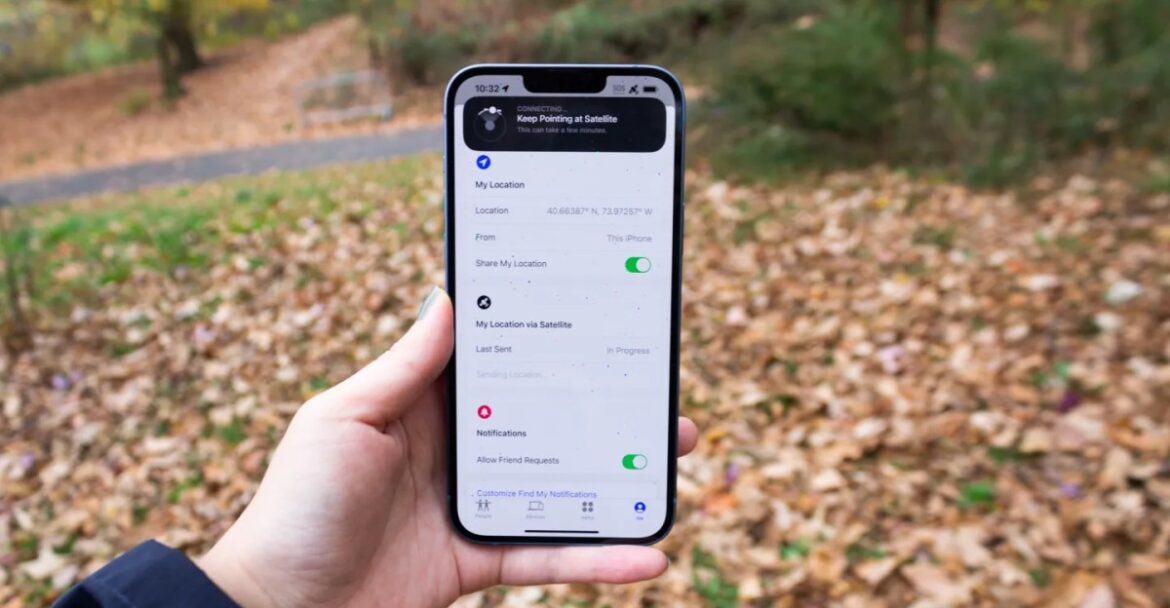
iPhone 14 and iPhone 15 users are getting another year of free access to satellite connectivity features, according to a footnote on Apple’s newsroom posts for the iPhone 17 and iPhone 17 Pro. “The free trial will be extended for iPhone 14 and iPhone 15 users who have activated their device in a country that supports Apple’s satellite features prior to 12 a.m. PT on September 9, 2025,” Apple says.

Apple originally launched its Emergency SOS service via satellite shortly after it released the iPhone 14 lineup, in November 2022, and at the time, Apple said the feature would be free for the first two years. (The feature is still free for two years after activation on iPhone 14 models and newer.) But in 2023, Apple added an additional free year for existing iPhone 14 users, meaning that the deadline to potentially start paying for the earliest adopters would be November 2025. Now, it appears that deadline has been bumped to November 2026.

With iOS 18 last year, Apple expanded its satellite messaging features to let you text friends or family when you’re off the grid. Today, Apple also announced that the new Apple Watch Ultra 3 will have satellite connectivity features.


Source link

September 10, 2025 0 comments
0 FacebookTwitterPinterestEmail
  • 1
  • …
  • 3
  • 4
  • 5
  • 6
  • 7
  • …
  • 9

Categories

  • Crypto Trends (1,098)
  • Esports (800)
  • Game Reviews (772)
  • Game Updates (906)
  • GameFi Guides (1,058)
  • Gaming Gear (960)
  • NFT Gaming (1,079)
  • Product Reviews (960)

Recent Posts

  • This 5-Star Dell Laptop Bundle (64GB RAM, 2TB SSD) Sees 72% Cut, From Above MacBook Pricing to Practically a Steal
  • Blue Protocol: Star Resonance is finally out in the west and off to a strong start on Steam, but was the MMORPG worth the wait?
  • How to Unblock OpenAI’s Sora 2 If You’re Outside the US and Canada
  • Final Fantasy 7 Remake and Rebirth finally available as physical double pack on PS5
  • The 10 Most Valuable Cards

Recent Posts

  • This 5-Star Dell Laptop Bundle (64GB RAM, 2TB SSD) Sees 72% Cut, From Above MacBook Pricing to Practically a Steal

    October 10, 2025
  • Blue Protocol: Star Resonance is finally out in the west and off to a strong start on Steam, but was the MMORPG worth the wait?

    October 10, 2025
  • How to Unblock OpenAI’s Sora 2 If You’re Outside the US and Canada

    October 10, 2025
  • Final Fantasy 7 Remake and Rebirth finally available as physical double pack on PS5

    October 10, 2025
  • The 10 Most Valuable Cards

    October 10, 2025

Newsletter

About me

Welcome to Laughinghyena.io, your ultimate destination for the latest in blockchain gaming and gaming products. We’re passionate about the future of gaming, where decentralized technology empowers players to own, trade, and thrive in virtual worlds.

Recent Posts

  • This 5-Star Dell Laptop Bundle (64GB RAM, 2TB SSD) Sees 72% Cut, From Above MacBook Pricing to Practically a Steal

    October 10, 2025
  • Blue Protocol: Star Resonance is finally out in the west and off to a strong start on Steam, but was the MMORPG worth the wait?

    October 10, 2025

Newsletter

@2025 laughinghyena- All Right Reserved. Designed and Developed by Pro


Back To Top
Laughing Hyena
  • Home
  • Hyena Games
  • Esports
  • NFT Gaming
  • Crypto Trends
  • Game Reviews
  • Game Updates
  • GameFi Guides
  • Shop

Shopping Cart

Close

No products in the cart.

Close