Laughing Hyena
  • Home
  • Hyena Games
  • Esports
  • NFT Gaming
  • Crypto Trends
  • Game Reviews
  • Game Updates
  • GameFi Guides
  • Shop
Tag:

affordable

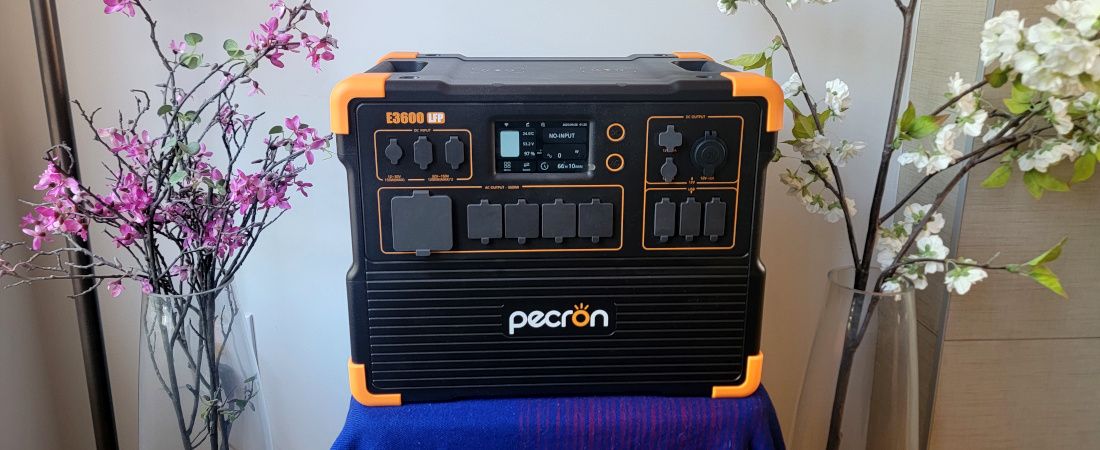
Pecron E3600 header image
Product Reviews

I tested the Pecron E3600 and found it to be an affordable and dependable portable power station

by admin September 30, 2025


Why you can trust TechRadar


We spend hours testing every product or service we review, so you can be sure you’re buying the best. Find out more about how we test.

The Pecron E3600 power station is built like a tank and offers great autonomy thanks to its 3072Wh LFP battery pack.

Specifications

Battery chemistry: LiFePO4

Battery capacity: 3072Wh

Number of charge cycles: Over 3500 before 20% drop

AC output power: 3600W, surge 7000W

Number of AC outlets: 5

Number of USB sockets: 4 Type A, 2 Type C

Number of 12V sockets: 1 XT60, DC 5521, 1 Car Adapter

Number of extra battery ports: 2, total of 15360Wh

Number of power inputs: 3

Fastest charge time: 1.3 hours

Additional features: Bluetooth and Wi-Fi

Weight: 36kg

A high-efficiency 3600W AC inverter, which can surge to 7200W for short periods, can power both heavy-duty machinery, such as welding machines, and home appliances. Charging the unit takes just over one hour using the fast-charge mode from the grid. Solar charging takes only a bit longer, reaching two hours.

What makes the E3600 unique is its blend of output sockets that includes the RV-friendly TT30. A Wi-Fi interface supported by Bluetooth, along with a well-designed interface, delivers an excellent user experience out of the box, thanks to the bright IPS screen, which offers a clutter-free menu. The E3600 is heavy, weighing 36kg, and will most likely require two persons to lift.


You may like

The E3600 typically costs $2299, and is on special for $1259, which is an unbelievable price for a 3kW-class power station. We recommend getting the wheeled trolley for $149. The solar kit bundles the E3600 with a different number of solar panels, with prices ranging from $1559 for a single 300W panel to $3404 for six 300W panels.

(Image credit: Future)

Pecron E3600: Design

The E3600 weighs 36kg and measures 44.5 cm x 30.7 cm x 35 cm. The unit is well-packed and ships with numerous accessories, including solar and grid charging cables, a screwdriver, and a nylon pouch. The plastic station feels sturdy, and with two built-in handles, it can be carried around by two people with some effort.

The station packs a 5” color LCD that Pecron uses judiciously, incorporating big icons, some animations, and multiple languages. Ultimately, the display conveys data to the user in a quick and efficient manner. Two push buttons control the output sections, turning them on and off. Other features are available by navigating the menu using the touchscreen.

The E3600 includes a 30A TT30 outlet, ideal for use in an RV, along with four 15A 120V AC sockets. The station supports 100V, 110V, and 120V, with the option found hidden in the display’s menu. The DC outputs are also plentiful. Pecron offers two 15W wireless chargers, both located at the top of the unit. In addition to providing standard six USB sockets, it also features an XT60 12V/30A socket to power small appliances, such as coolers.

Sign up to the TechRadar Pro newsletter to get all the top news, opinion, features and guidance your business needs to succeed!

The E3600 offers quick charging through an AC input that also supports slower charging times. The power cable is custom-built with a proprietary circular socket, and unlike competitive products, it cannot be substituted with a standard household AC cord. At a power input of 3200W, the fast charge fills the battery in one hour and twenty minutes, with a five percent efficiency reduction due to heat.

(Image credit: Future)

Pecron E3600: In Use

A common feature of power stations is to control the unit using a mobile app. The E3600 is no exception; it uses Bluetooth to initiate setup and eventually connects through Wi-Fi. All features available on the main display are also present in the app, including real-time charging and output information, as well as control over AC and DC outputs.

A slow charging mode limits the power to 1800W to accommodate more standard home energy distribution. The mobile app allows further reduction of the charging current. With up to 2400W of DC power at its Anderson inputs, an optimal solar configuration consists of a series arrangement of three 300W panels, since the station’s input allows a maximum DC voltage of 150V.


You may like

The unit can power devices at temperatures ranging from -20 to 45 degrees Celsius. Charging, on the other hand, is more restrictive, with an operating temperature ranging from 0 to 45 degrees Celsius. The station protects against short circuits by cutting off power when they are detected, effectively acting as a fuse. Any overcurrent on the input ports is also monitored to reduce the risk of thermal runaway in the batteries.

Pecron’s E3600 packs a UPS mode. When the unit connects to an AC outlet, power typically flows from the grid to output devices, bypassing the battery. The E3600 switches to its battery in under 20 ms when the AC power is removed. This process reduces the battery’s charge and discharge cycles, helping to extend the station’s life.

Pecron E3600: The Competition

Among the competition to the E3600 is the Bluetti Apex 300. This station has the same characteristics as the Pecron station. It can deliver 3800W to its 20A AC outlets and features a 2700Wh battery, which is smaller than that of the E3600. The number of available sockets is lower; the Apex 300 lacks the TT30 30A socket and does not provide wireless charging.

(Image credit: Future)

Pecron E3600: Final Verdict

The E3600 is a great power station for those on a budget who require a large amount of battery capacity. The output options are also numerous, featuring a variety of wireless charging options, low-power DC outputs, and a high-current socket for the camping car. The output power is rated at 3600W, which may seem reasonable on paper, but it can surge to twice its rated power for a short period.

The station is not without drawbacks. It is heavy due to its reliance on LFP battery chemistry. You will need two people to move it around. The UPS mode is functional, but it requires adjusting settings in the mobile app.

Buy the E3600 if … you are on a budget but need a large amount of battery capacity and output power.

Don’t get the E3600 if … you are looking for a lightweight power solution.

We’ve listed the best power banks.


Source link

September 30, 2025 0 comments
0 FacebookTwitterPinterestEmail
Urevo Spacewalk E4W treadmill
Product Reviews

Sick and tired of ugly under-desk treadmills? With its wood grain finish, the Urevo Spacewalk E4W is both stylish and affordable

by admin September 25, 2025


Why you can trust TechRadar


We spend hours testing every product or service we review, so you can be sure you’re buying the best. Find out more about how we test.

Urevo Spacewalk E4W: Specifications

Swipe to scroll horizontallySpecifications

Component

Value

Dimensions

119cm x 48cm x 11cm

Price

$229.99 / £249.99 / around AU$500

Maximum User weight

265 lbs (120 kgs)

Deck

Double shock absorption

Top speed

6km/h

Wheels?

Yes

Controls

Remote, via app

Urevo Spacewalk E4W: One minute review

(Image credit: Future)

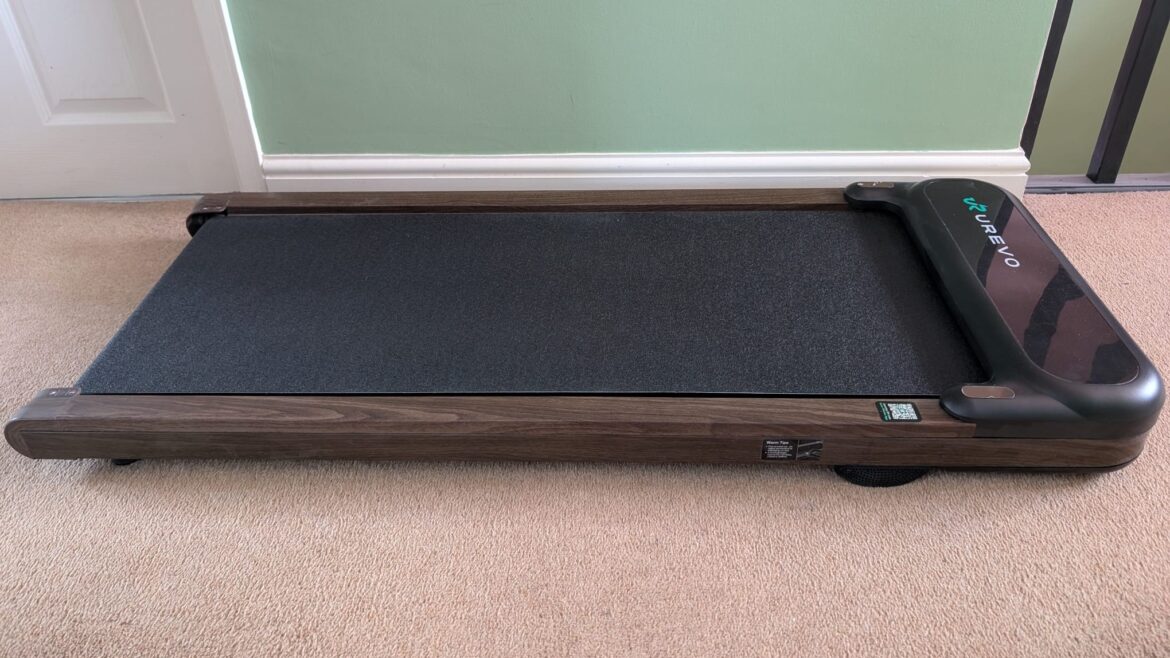
The Urevo SpaceWalk is an ideal home walking pad for people looking to get extra steps in during rainy days or for remote workers trying to bring an element of movement to their working day. It has a generously-sized tread belt with ample shock absorption, measuring 100cm x 38cm, which is similar to other market leaders.

The speed range is 0.5 to 6km per hour, which can be adjusted by either a remote control or by the Urevo app on your phone. The app itself contains a whole host of functionality, recording activity data, offering challenges to participate in and ‘World Tour’ videos to accompany your walks.

The walking pad is exceptionally quick to set up – very much a plug-and-play piece of apparatus with a reasonable 1.8m cable length which, given that the equipment is likely to be under a desk near a plug, will be suitable for most users. The walking pad has an LED display that shows the speed, distance, time, steps and calories, all that most users will need for walks. Estimating steps on the display is a useful inclusion and, I found, to be very accurate.

The walking pad weighs 18kg, making it quite a bit lighter than others I’ve tested, ideal for moving from room to room and up and down stairs, which I have done while switching between using it under my work desk and in front of the TV. The noise levels are very low considering its 2.25HP motor, and I had no complaints from my co-workers on Teams whilst I was using the device.

The main drawback of the device is its limited top speed, at only 6km per users are limited to not much more than a light jog – it’s sadly unsuitable for runners. It’s at a slightly higher price point than the usual super-budget Amazon options, so users may want a device like the Mobvoi Home Treadmill SE that provides a dual purpose, but still a great buy.

Swipe to scroll horizontally

Category

Comment

Score

Price

More expensive that other walking pads on the market, but likely worth it for most.

3/5

Design

Very easy to move from room to room. No handles or safety bar but this feels appropriate for the products’ top speed.

4/5

Features

Variety of speeds is good, more controllability on the app than the remote, app provided good activity tracking over time.

5/5

Performance

Buttons responsive, felt stable and provided a smooth walking experience.

5/5

Should I buy?

(Image credit: Future)

Buy if if…

Don’t buy it if…

Also consider

How I tested

I tested the walking pad for two weeks, mostly walking on it for an hour every day. I typically used it at a pace of 3km per hour but jogged up to 6km per hour speed. I tried using it with and without shoes, but preferred wearing trainers because the surface got hot. I also tested both the remote control and the app-controlled functionality.

Sign up for breaking news, reviews, opinion, top tech deals, and more.


Source link

September 25, 2025 0 comments
0 FacebookTwitterPinterestEmail
We’re living in a golden age of affordable mechanical keyboards
Product Reviews

We’re living in a golden age of affordable mechanical keyboards

by admin September 23, 2025


The mechanical keyboard world has undergone a renaissance. Thanks to increased competition and commoditized tech, features that used to be exclusive to limited-run DIY boards in the $300-plus range just a few years ago are now available in prebuilt boards in the $100 to $200 range — sometimes less. The DIY kit builds, limited-run group buys, and boutique boards made by artisans are still innovating and pushing boundaries, and they’re great if you’re looking for something extra adventurous or very specific. But if you just want a great keyboard for not much money, no assembly required, your options are better than ever.

Here are a bunch of keyboards under $200(ish) we like, including boards we’ve been sent for review and some we’ve bought ourselves.

We’re not picking a “best,” because these are all bangers. Nor is this a comprehensive list: there are so many great keyboards in this price range it’d be impossible to test them all. These are just ones we like. They’re all affordable, feature-rich keyboards that are a great upgrade for most people — excellent for simply typing away and more than capable for gaming.

What we’re looking for (and what we prefer):

Typing feel and sound

Collapse

Switches, keycaps, and case and switch plate material all influence how a mechanical keyboard feels and sounds. Obviously, preference plays a big role here: some people like light switches and some like heavy ones; some like loud boards and some like quiet. But most people look for boards that aren’t actively annoying to them or the people around them.

Build quality and construction

Collapse

Plastic cases are totally fine, especially if you’re shopping for mechanical keyboards under $60 or need something lightweight for travel. But an aluminum chassis feels nicer and makes the keyboard less likely to slide around on your desk. It also affects the typing sound and feel, and typically for the better. Most of the boards on this list have layers of foam within the case to dampen and deepen the typing sound and reduce echo and ping, and many use gaskets to isolate metal case components from each other while offering a softer typing feel. This combo is a big reason cheaper keyboards have gotten so good. That used to be something you had to mod yourself, but now even big brands like Razer mimic it. (And you can still mod most prebuilt boards plenty if you’re the tinkering type.)

Size and layout

Collapse

Many of our picks are 75 percent layout or smaller, which saves space on your desk and brings your mouse hand closer to your body for better ergonomics. The 75 percent layout maintains arrow keys, some function keys, and a whole F row, while a 65 percent ditches the F row (you can still use them with a modifier key and number row). If you insist on a number pad, you can shop for similar full-size or 1800-layout options — though your selection will be more limited. Or you can get a wireless numpad and even use it to the left of your keyboard (now we’re talking).

Connectivity

Collapse

Most of the boards we recommend are wireless “tri-mode” boards, which means they work wired, via Bluetooth, or with a 2.4GHz USB adapter. A wired connection is the simplest and can have the fastest polling rate for gaming. Bluetooth lets you use the keyboard with multiple devices, while 2.4GHz dongles offer an alternative to Bluetooth and can have a much higher polling rate.

Customizability

Collapse

All mechanical keyboards come with removable keycaps. Replacing the keycaps is an easy way to customize your board, but we also looked for keyboards with hot-swap sockets. These sockets let you remove and replace the key switches without having to solder, so you can easily experiment with totally different typing experiences. We also look for the ability to remap key assignments and set up custom layers and shortcuts. VIA software support is ideal for the plug-and-play simplicity of its web-based interface, though decent proprietary software can be acceptable.

The Toyota Corolla of keyboards

$85

The Good

  • Nice, light typing feel
  • “Max” boards come in many layouts
  • Sub-legends for shortcut functions
  • Two USB receivers with storage

The Bad

  • Plastic case feels and sounds cheaper than metal keyboards
  • Stock Keychron blue keycaps are a bit boring

Connectivity: USB, BT 5.1, 2.4GHz / Keycaps: Double-shot PBT / Hot-swappable: Yes (MX-compatible) / Available sizes: 60 percent, 65 percent, 75 percent, TKL, 1800, full size, 65 percent Alice, 75 percent Alice / Available layouts: ANSI, ISO / Switch options: Gateron Jupiter Red, Blue, Banana / Case colors: Black / Remapping software: VIA / Extras: Volume knob / Battery size: 4,000mAh

Keychrons are the Toyotas of the mechanical keyboard world: reliable and excellent for the money. And they come in just about every layout you can imagine. Southpaw Alice, anyone? The Q-series metal keyboards are among our personal favorites, but the cheaper, plastic-clad V series remains our go-to budget pick, and the V Max line adds 1,000Hz wireless connectivity.

The V1 Max is the 75-percent board in this lineup, and it’s a great value. I’d opt for the Gateron Jupiter Banana switches for a stronger tactile feel than the Browns. (You can get a bare-bones kit, but Keychron charges so little for caps and switches, you might as well get them.)

1/9The V1 Max looks like most other Keychrons, but a fresh set of keycaps can solve that. Photo: Antonio G. Di Benedetto / The Verge

The Keychron is the most humdrum among our selection here — it’s available in any color you want, as long as it’s black — but you can’t go wrong with one. The V1 Max comes with modifier keycaps for both Windows and Mac, its battery lasts for days even while using its RGB backlighting, and it includes both USB-A and USB-C 2.4GHz dongles — with magnetic garages built into the chassis, ensuring you don’t misplace either.

The hot-on-TikTok keyboard

$119

The Good

  • Very satisfying “raindrop-like” sound
  • Lots of color options with matching keycap sets
  • Huge battery in Pro model

The Bad

  • Power button hidden under Caps Lock key
  • Opening the case for mods is laborious

Connectivity: USB, BT 5.0, 2.4GHz / Keycaps: Double-shot PBT / Hot-swappable: Yes (MX-compatible) / Available sizes: 75 percent / Available layouts: ANSI (ISO requires alternate plate) / Switch options: HMX Violet (linear), Kailh Cocoa (linear) / Case colors: Black, silver, white, blue, pink, yellow, red, and limited-run variants / Remapping software: VIA / Battery size: 3,500mAh (Lite), 7,000mAh (Pro)

Wobkey’s Rainy 75 is one of a few keyboards that broke containment from the mech scene. It got big on TikTok thanks to videos highlighting its raindrops-on-a-window typing sound and vibey color options. If I close my eyes, I also imagine the sounds of marbles gently jostling in a small bag. It’s very satisfying to hear when rapidly typing, and its soft-but-not-too-light Kailh Cocoa linear switches feel pleasant as well.

It comes in three different versions: a $129 Lite model, a $139 Standard model, and a $159 Pro with double the battery capacity and Kailh Cocoa switches (the ones most associated with the Rainy’s distinctive sound). Each Rainy model supports Bluetooth and 2.4GHz connections and comes in a wide selection of charming colors, paired with clean-looking keycap sets.

1/8Simple and clean. Photo: Antonio G. Di Benedetto / The Verge

You used to have to go to great lengths to get the kind of sound that the Rainy 75 delivers: trying lots of mods and seeking out just the right combination of switches, switch plate, and internal foam setup. Now, you can buy this board as is, plop it on your desk, and get a fantastic typing and auditory experience. It’s really impressive.

A beast of a budget aluminum board

$72

The Good

  • Crisp, poppy typing sound
  • Excellent value for a well built board
  • Magnetized storage slot for USB dongle

The Bad

  • Wisteria Tactile switch may be too loud for some
  • Proprietary software not as good as universal options like VIA

Connectivity: USB, BT 5.0, 2.4GHz / Keycaps: Double-shot PBT / Hot-swappable: Yes (MX-compatible) / Available sizes: 75 percent / Available layouts: ANSI / Switch options: Epomaker Wisteria Linear, Wisteria Tactile, Zebra (linear) / Case colors: Silver / Remapping software: Proprietary / Extras: Volume knob / Battery size: 4,000mAh

The Epomaker P75 caused a stir among keyboard enthusiasts when it launched last year, offering tri-mode connectivity, a volume knob, three switch options, and a well-built aluminium chassis for just $100. It was an early sign we were hitting peak out-of-the-box keyboard. I picked one up myself for $80 during a Prime Day sale, and for that price, it blew me away.

I took a chance on the Wisteria tactile switches, which have a bright, poppy sound with strong tactile typing feedback. They’re not clicky switches, but they’re loud and proud. The P75 is one of the only keyboards I own that got on my wife’s nerves as she worked beside me during a hectic and long day, but it’s oh-so satisfying in short stints. The silver case is shinier than most matte-finish boards you normally find, but it could look right at home in front of a Mac Mini or other Apple-style silver peripherals (especially with the right keycaps). And the casing has a handy magnetic garage for easy storage of the 2.4GHz USB dongle — which I wish every keyboard had.

1/5Eighty bucks or less for this beauty? It still boggles my mind. Photo: Antonio G. Di Benedetto / The Verge

Considering how aggressively priced the P75 is, it’d be easy to recommend it over even a people-pleaser like the Keychron. It comes with nicer keycaps and a much better metal chassis, after all. But its loudness and somewhat janky (though workable) remapping software holds it back slightly.

Note: Epomaker has informed us the P75 is no longer being manufactured, so whatever inventory retailers like Amazon still have is likely to be all that’s left. Though it does have an even cheaper cousin, the Epomaker x Aula F75, which is plastic-clad and seemingly the king of KeyboardTok. We haven’t tried one yet, but it’s often raved about by YouTubers for what it offers at under $60.

If you feel that you actually type faster on a laptop keyboard or you want a keyboard that travels easier, a low-profile mechanical keyboard could be right for you. They use shorter switches and much lower-height keycaps but with only slightly less key travel than regular mechanical switches. This yields a much more compact board while still offering most of the same benefits. While there are now many low-profile switch options, they still pale in comparison to the choice you have with standard switches and keycaps, and low-profile switches from different vendors usually aren’t cross-compatible.

The Lofree Flows and NuPhy Airs of the world have been mainstays of our mechanical keyboard buying guide, but we’ve got a couple of newer alternatives here worth checking out.

Flexible, with great looks and sound

$95

The Good

  • Great sound for a low-profile keyboard
  • LCD for settings or a custom GIF
  • Also works with standard-height switches and keycaps

The Bad

  • Power button hidden under right Shift key
  • Stabilizers slightly rattly on one of our test units

Connectivity: USB, BT 5.0, 2.4GHz / Keycaps: Double-shot PBT / Hot-swappable: Yes (MX-compatible) / Available sizes: 75 percent / Available layouts: ANSI / Switch options: Aster low profile (linear) / Case colors: Beige, silver, white, black, blue, lavender / Remapping software: Proprietary / Extras: LCD screen / Battery size: 3,600mAh

The standard Chilkey ND75 is a great budget board in its own right, and the ND75 LP is a low-profile version. It’s a handsome little board that comes in a few fun colors, and it’s much easier to throw in your bag. That said, the low-profile switches that come with this board sound wonderfully clacky, though they’re not quiet, so the ND75 LP may not be the best choice for some offices. The included keycaps look sharp in their two-tone color schemes and are of nice quality, though unlike low-profile boards from NuPhy, Iqunix, and Lofree they lack sub-legends showing shortcut controls — like screen brightness, volume, and media playback. the ND75 LP has that functionality, but you’ll need to look up and memorize the shortcuts.

1/5Get low (profile). Photo: Antonio G. Di Benedetto / The Verge

The ND75 LP has a tiny screen you can use to toggle settings, or just display a looping GIF for funsies. And if you ever get tired of the low-profile feel, you can just swap in regular switches and keycaps — the ND75 LP is one of the few boards compatible with both low-profile and standard MX-compatible switches. Because why not?

A fun low-profile board I can roll with

$139

The Good

  • Great typing sound and feel
  • Nice design on the Pro versions
  • Excellent battery life
  • VIA programmable

The Bad

  • 75% and 96% layouts are a little cramped
  • No physical on/off switch (you have to hold Fn+Esc for 5 seconds)

Connectivity: USB, BT 5.1, 2.4GHz / Keycaps: PBT / Hot-swappable: Yes (Kailh Choc V2 only) / Available sizes: 65 percent, 75 percent, 96 percent / Available layouts: ANSI, ISO / Switch options: Gold Red switch / Case colors: Black, “ochre white” / Remapping software: VIA / Extras: Volume knob and media keys (Pro model only) / Battery size: 3,000mAh

I’ve tested a half-dozen keyboards with low-profile mechanical switches — including the ND75 LP and various Lofree Flow models — but the Iqunix Magi65 Pro is my favorite. Like the ND75 LP, it uses flat, uniform-profile keycaps, but because the MG65 Pro has a flatter typing angle and no function row, using it feels less like reaching uphill.

The Magi65 comes in two variants. There’s the regular Magi65 with a standard 65 percent layout, and the Pro. The Pro (which I prefer) adds a rolling volume encoder, X-shaped media keys, and a garage for its 2.4GHz dongle hidden beneath a magnetic cover plate, and it has an RGB light bar between the volume roller and media keys. I just think it’s neat.

The sound from its Gold Red linear switches give it a quieter, less poppy sound than the ND75 LP, and its number-row keycaps have Mac function-row sub-legends, which is handy. The Magi65 Pro also comes with a few bonus keycaps — both Mac and Windows modifier keys, and a few purely decorative keys, including two metal ones — and a coiled USB-C cable with faux-Lemo disconnect in it.

Add the facts that the Magi65 Pro is remappable using VIA, has hot-swap sockets that are compatible with any Kailh Choc V2 switches, and has battery life in the weeks and months with the backlight turned off, and you can maybe see why it’s my favorite low-profile board. Iqunix has since released both 75 percent and 96 percent layout versions in both Pro and regular iterations, which I haven’t tested. — Nathan Edwards, senior reviews editor

Gaming / Hall effect keyboards

Nearly any keyboard is fine for casual or enthusiast-level gaming. But if you’re serious about playing games competitively and seeking any edge you can get, then you want the fastest keyboard available. Even if, let’s be honest, it’s a bit of a placebo effect for many of us.

Generally, that means a keyboard that’s wired (for the fastest polling rate) with magnetic Hall effect switches (for a lightning-fast, user-programmable response time). The easy answer is to just get a Wooting keyboard, but there are some noteworthy alternatives for lower prices with some unique designs and builds.

A hot rod for esports-level gaming

$119

The Good

  • Super fast response time for high-level gaming
  • Unique open chassis design
  • Rock-solid build that’s also lightweight
  • Rotating gear for changing modes is a little silly but fun

The Bad

  • Not much potential for mods
  • Small (1U size) right Shift key
  • Wired only

Connectivity: Wired USB / Keycaps: Double-shot PBT / Hot-swappable: Yes, Hall effect (PCB compatibility unknown) / Available sizes: 63 percent / Available layouts: ANSI / Switch options: TTC King of Magnetic RGB / Case colors: Orange, silver, white, gray / Remapping software: Proprietary / Extras: Rotating sensitivity mode selector

One look at the Dry Studio Ice Ring 63 RT leaves almost anyone totally baffled. The whole chassis is open-air like a stripped-out race car, the bottom plate is a slab of aluminum for dissipating heat, and there’s a rotating gear jutting out its left side for tuning the responsiveness of the keys. It’s all kind of bizarre, but right on point for Angry Miao designs (Dry Studio’s parent brand).

This very compact, lightweight board goes hard for gaming — it even includes a padded travel case for competitions / LAN parties. The rotating gear’s sole purpose is to change the actuation point for the Ice Ring’s magnetic Hall effect switches. Turn the dial and the RGB light emanating underneath changes color to signify its preset mode: from a standard 2mm actuation point to an ultra-fast 0.1mm. The gaming modes also enable rapid trigger, allowing faster resetting of the key input as soon as your finger begins to lift.

1/11The Ice Ring also comes in silver, white, and titanium, but orange is obviously the correct color. Photo: Antonio G. Di Benedetto / The Verge

The Ice Ring is a legit and unique competitor to the Wooting 60HE. Scott Kim of YouTube channel Keybored did a great deep-dive video showing how the Ice Ring’s design and engineering really does yield absurdly fast response times (even faster than Wooting’s) — in part thanks to the cooling of its heatsink-like bottom plate that helps prevent potential accuracy dropoff in Hall effect switches. Even if you’re not the most hardcore FPS gamer, this board is good, quirky fun. It doesn’t have a satisfying buttery sound like other keyboards we’ve outlined here, but it’s pleasant in its own way. And even with its hardcore design and rock-solid build, devoid of any flex or softness, it’s still nice to type on.

Gaming chops and great sound and feel

$175

The Good

  • Excellent typing sound for an HE board thanks to cork dampening layer
  • Support for 8,000Hz polling and 32,000Hz scan rate
  • Rapid trigger and customizable actuation point for fast-paced games

The Bad

  • Wired only
  • Decorative logo in corner looks like it should be an LCD

Connectivity: Wired USB / Keycaps: Double-shot PBT / Hot-swappable: Yes (Hall effect switches only) / Available sizes: 75 percent / Available layouts: ANSI / Switch options: Gateron Magnetic Jade Pro / Case colors: Black, gray, white, pink / Remapping software: Proprietary

Now, if you want a great, affordable-ish Hall effect keyboard that does sound great, check out the Chilkey Slice75 HE. This wired-only HE board has much more conventional looks than the Dry Studio and a straightforward 75 percent layout. But what’s most unique about it is inside: a dampening layer made of cork instead of the typical foam. It helps yield a marbley sound, almost like the Rainy 75, but with the speedy and adjustable response of magnetic Hall effect switches. It’s got all the usual features of HE boards like the Ice Ring, including rapid trigger, adjustable actuation points, and even the ability to map multiple functions to one key depending on how far you press it.

1/6You never see the cork inside unless you open up the Slice75, but it’s like a secret weapon to this keyboard’s nice sound. Photo: Antonio G. Di Benedetto / The Verge

Even setting aside all the hardcore gaming-focused features, I want to emphasize that the Slice 75 looks, sounds, and feels great. At $199, it’s pricier than all the other keyboards above, but I still think it’s a great value for its excellent sound and HE performance.

Some great step-up / mid-tier options

As with any hobby, even as things get cheaper and commoditized there’s always a way you can dive even deeper down rabbit holes — and of course spend more money. Since it feels like everyone and their mother now makes hot-swap gasket-mounted keyboards with foam inserts and a metal chassis, that also means the mid-to-high-tier board makers are likely to start experimenting with whatever the next hot new thing may be. And aside from being cutting-edge, the other draw of higher-end keyboards is the dizzying amount of ways you can customize and build them.

$160

The Good

  • Incredible build for under $200
  • Fantastic out-of-the-box sound and typing feel
  • Lots of color options with unique satiny chassis finish
  • Ball-catch quick-release case with hidden USB storage

The Bad

  • Only sold at specialized retailers

Connectivity: USB, BT 5.0, 2.4GHz / Keycaps: Dye-sub PBT / Hot-swappable: Yes (MX-compatible) / Available sizes: TKL, 75 percent / Available layouts: ANSI / Switch options: Keygeek Oat linear, HMX Azure linear / Case colors: Black, purple, white, silver, pink, sand, red, light blue, cream, yellow / Remapping software: VIA / Extras: Magnetic ball-catch quick release / Battery size: 8,000mAh

Evoworks is a lower-cost sub-brand of Qwertykeys / Owlab, a company that’s made some of the best-quality, most trendsetting mechanical keyboards of the last handful of years. The Evoworks Evo80 is one of the nicest built mechs I’ve used — and I’ve tried some nice ones. The anodized metal case has a soft finish that feels so smooth and precious to the touch, I’d believe someone if they told me this keyboard cost well over $300 before even adding keycaps and switches. But it actually costs just $169.99 fully assembled with everything, including a massive battery and a decorative two-piece bottom weight plate.

1/7I can’t get over how pretty this thing is. Photo: Antonio G. Di Benedetto / The Verge

The real juice of the Evo80, though, is its sound. You can pick from a low-pitched “thocky”-sounding model with Oat switches and polypropylene internal plate or a high-pitched clacky setup with azure switches and FR4 thermoplastic-based plate. I know us keyboard fans overuse the term thock, which is meant to represent the deepest of marble-y sounds, but the low-pitch version of the Evo80 I tested is an absolute delight. Compared to something like the Rainy 75, which is fantastic in its own right, the Evo80 has a noticeably deeper, heftier tone. It’s a bass to the Rainy’s tenor or P75’s alto. As much as I’ve grown fond of many other keyboards in the low-$100 range we’re covering here, it’s very hard not to look at the Evo80 or new Evo75 that just launched and think, “What’s another 50 bucks, right?”

$215

The Good

  • Near-endless customization
  • Easy access to mods with ball-catch quick-release case and PCB pogo pin connectors
  • Very high-quality build and excellent typing experience
  • GIFs on the LCD are fun

The Bad

  • Assembly required, taking time and effort to build
  • BYO switches and keycaps
  • Like many group buys, it can be hard to get
  • 2.4GHz USB had issues and required replacing

Connectivity: USB, BT 5.0, 2.4GHz / Keycaps: Not included / Hot-swappable: Yes (MX-compatible) / Available sizes: 65 percent, 75 percent, TKL, 98 percent / Available layouts: ANSI, ISO / Switch options: Not included / Case colors: Black, gray, lavender, purple, aquamarine, dark green, red, sky blue, pale green, brown, white, e-white / Remapping software: VIA / Extras: Magnetic ball-catch quick release, LCD screen / Battery size: 8,000mAh

Over in the build-your-own keyboard kit world, the Zoom series from Meletrix is one of the best of the mid-tier, starting at $200 and up. With so many great prebuilt options out there it might not sound logical to assemble your own keyboard, but a kit like the Zoom75 Tiga has near-endless possibilities. You determine its internal mounting method, type of switch plate (if you even put one in), and dampening material (like cork or foam). You can even set it up with alternative layouts like ISO or a split backspace key. And that’s before you choose your stabilizers, switches, and keycaps.

Building the Zoom75 Tiga took me a few hours. It’s been a few years since my last kit, so I’m a little rusty. But it wasn’t very difficult, and once assembled with its cork dampening kit, polyoxymethylene (POM) plate, and WS BigLucky linear switches, it felt like a fun project worth the time spent.

1/7The Tiga has many decorative elements, like its three-tone trim details on the sides and bottom, and a magnetic badge above the USB-C port. Photo: Antonio G. Di Benedetto / The Verge

The Tiga, as I built it, sounds satisfyingly clacky but not overly bright or loud. But, keep in mind, you can change it whenever and however you want. It’s a time investment to strip down your keyboard and build it back up, but mid-tier boards like the Tiga (and even the Evo80) have new innovations to ease the pain, like a ball-catch quick-release top cover that releases with pressure instead of screws and magnetic pogo pin connectors instead of tiny ribbon cables for the PCB. The only downside of the Zoom75 was some spotty 2.4GHz wireless performance, requiring re-flashing the PCB and USB dongle firmware — eventually requiring a replacement USB dongle from Meletrix. (Users on the company’s Discord seemed to run into similar problems.)

That’s the risk with DIY kit boards: they’re infinitely customizable, but you can also run into small issues or quirks along the way (especially if you assembled it wrong). And customer support usually means troubleshooting in a Discord community. But if you’re the hobbyist type, the process can feel rewarding.

0 CommentsFollow topics and authors from this story to see more like this in your personalized homepage feed and to receive email updates.

  • Antonio G. Di Benedetto
  • Buying GuidesClose

    Buying Guides

    Posts from this topic will be added to your daily email digest and your homepage feed.

    PlusFollow

    See All Buying Guides

  • KeyboardsClose

    Keyboards

    Posts from this topic will be added to your daily email digest and your homepage feed.

    PlusFollow

    See All Keyboards

  • ReportClose

    Report

    Posts from this topic will be added to your daily email digest and your homepage feed.

    PlusFollow

    See All Report

  • ReviewsClose

    Reviews

    Posts from this topic will be added to your daily email digest and your homepage feed.

    PlusFollow

    See All Reviews

  • TechClose

    Tech

    Posts from this topic will be added to your daily email digest and your homepage feed.

    PlusFollow

    See All Tech


Source link

September 23, 2025 0 comments
0 FacebookTwitterPinterestEmail
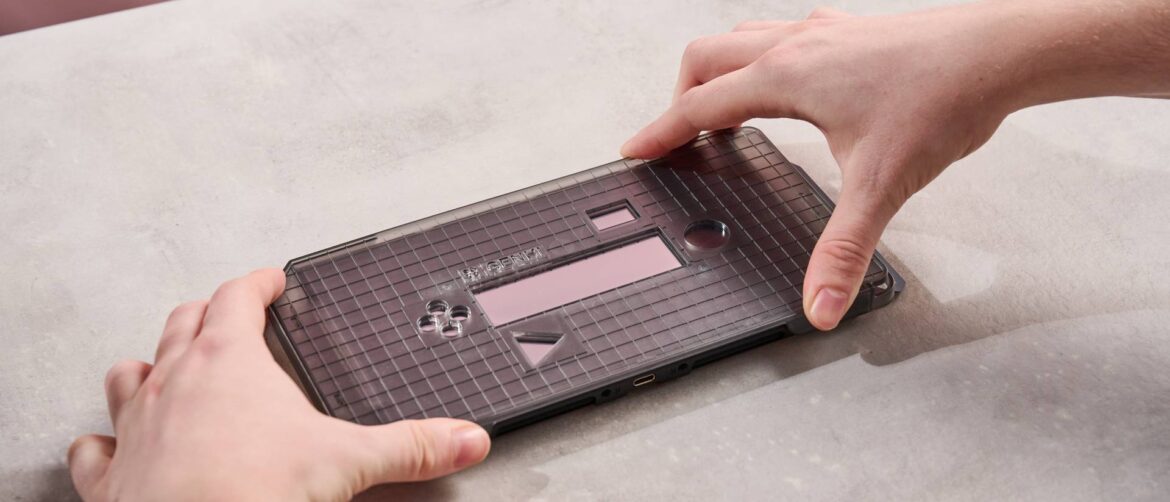
Person holding application frame on the Genki Aegis Shield
Product Reviews

Genki Aegis Shield review: a Nintendo Switch 2 screen protector that’s just as durable as it is affordable

by admin September 20, 2025


Why you can trust TechRadar


We spend hours testing every product or service we review, so you can be sure you’re buying the best. Find out more about how we test.

Genki Aegis Shield: review

The Genki Aegis Shield has a pretty sublime namesake. In Ancient Greek mythology, Aegis sometimes refers to the shield of a deity, such as the thunder god, Zeus, or the goddess of wisdom, Athena. It is, then, a word that symbolizes protection of the highest order. And so, in comes the Genki Aegis Shield – a screen protector for the Nintendo Switch 2. Can it really offer divine levels of protection? I tested it to find out.

Out of the box, there was a lot going on. You get two screen protectors, an application frame, screen wipes, a microfiber cloth, and even a squeegee (great word, isn’t it). The application frame is pretty large compared to some others I’ve used, and it wasn’t the firmest around our Switch 2 – but it was still perfectly able to get the job done. There’s a lot of plastic here, with elements like a D-pad frame and play button etched into the application tool.

The application was fairly straightforward overall. The instructions weren’t as comprehensive as I’ve seen on other models, but the steps are accompanied by pictures to support your installation. I simply had to slot the frame onto the Nintendo Switch 2, pull a release tab out, swipe across the protector, and remove the frame.

(Image credit: Future)

After a bit of squeegee action, I was able to get all of the air bubbles out from under the Aegis Shield, ensuring a clean, well-aligned application.

At some angles, I could see a little bit of inconsistency on the left edge of the screen protector, but otherwise, the end result was fairly discreet. Of course, you may not encounter this minor hiccup, but it’s worth flagging.

(Image credit: Future)

Next came the damage test, and the Aegis Shield nailed it. I tried scraping a key across the protector, applying increasing pressure over time. But even when pressing pretty hard, the key glided across the surface with almost no resistance, and never left a single mark. Genki itself claims to have tested a drill on the screen, so this thing should be able to withstand all kinds of action.

Image 1 of 2

Before…(Image credit: Future)…and after!(Image credit: Future)

One thing that I picked up on is that the Aegis Shield was pretty prone to picking up obvious fingerprint marks – even when I compared it to the DBrand Prism 2.0 screen protector for Switch 2. However, all it takes is a quick wipe with the microfiber cloth, and you can cast those pesky marks away.

Sign up for breaking news, reviews, opinion, top tech deals, and more.

Elsewhere, this is a strong performer. When playing Mario Kart World, the protector didn’t inhibit display clarity whatsoever. No parts of the Switch 2’s screen were obscured, foggy, or discolored, which was very pleasing indeed. When picking at the corners of the protector, it also remained comfortable in place, so it’s safe to say that it’s a secure pick.

(Image credit: Future)

And when you consider this model is only $19.99 / £17 / AU$35, it’s great value for money. It’s considerably cheaper than that DBrand model I referenced, and in the same ballpark as the impressive Belkin TemperedGlass screen protector that we tried out during batch testing.

Yes, the application frame may seem a little overkill. I could see a small inconsistency on one edge of the screen, and you will notice fingerprints fairly easily. But still, you get a clear display and plenty of toughness at a reasonable price. For that alone, this is a model worth checking out.

Genki Aegis Shield review: price & specs

Swipe to scroll horizontally

Price

$19.99 / £17 / AU$35

Number of screen protectors

2

Material

Tempered glass

Application type

Drop-in-place frame

Additional items

Microfiber cloth, screen wipes, squeegee

(Image credit: Future)

Should I buy the Genki Aegis Shield?

Swipe to scroll horizontally

Attributes

Notes

Rating

Ease of application

Instructions could be a touch clearer, but fairly straightforward, tiny inconsistency on the left edge of the screen post-application.

3.5/5

Design

Application tool is quite large, but easy enough to use, fingerprints picked up easily, but cleaning tools work well.

3.5/5

Toughness

Easily withstood key scraping, with no signs of scratching or wear.

5/5

Value

Despite a couple of quirks, you’re getting a tough, low-priced protector.

4.5/5

Buy it if…

Don’t buy it if…

Genki Aegis Shield review: also consider

How I tested the Genki Aegis Shield

(Image credit: Future)

  • Applied the screen protector using the written instructions
  • Tested its effect on display, fingerprint resistance, and how easy it is to damage
  • Tested by a lifelong gamer

For the Genki Aegis Shield, I used TechRadar’s standardized process for testing Nintendo Switch 2 screen protectors. First off, we apply the screen protector using the included instructions. Then, we test the protector’s impact on the console’s display by assessing aspects like brightness and viewing angles.

After this, we test how the surface copes against fingerprints, before scratching the model with a set of keys and attempting to peel at the edges. Ultimately, all of this helps us to judge ease of application, durability, and general build quality.

But let’s talk about my experience. I’ve tested more than a hundred products at TechRadar – everything from gaming accessories, such as the Hori Piranha Plant Camera for Nintendo Switch 2, through to other screen protectors, like the DBrand Prism 2.0.

On top of that, I’m a lifelong gamer with a massive love for Nintendo. I own a Switch 2 personally, and have reviewed a number of games for the platform, including Drag x Drive and Raidou Remastered: The Mystery of the Soulless Army.

  • First reviewed: September 2025
  • Read more about how we test

Genki Aegis Shield: Price Comparison


Source link

September 20, 2025 0 comments
0 FacebookTwitterPinterestEmail
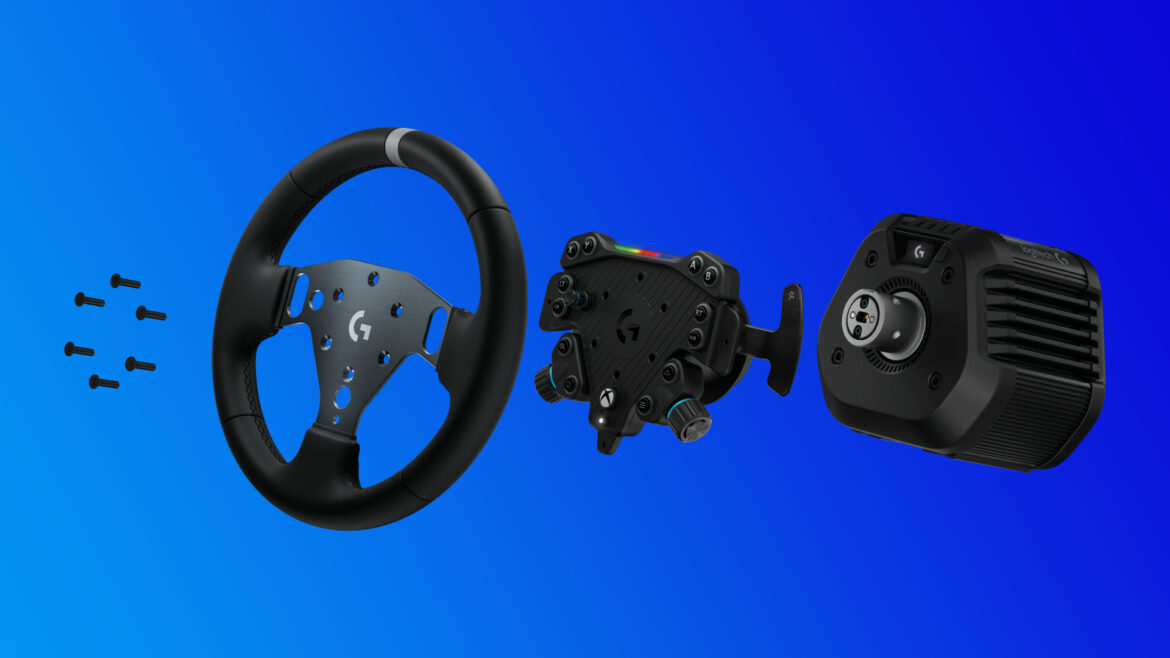
An exploded view of the Logitech G RS50 direct drive racing wheel setup
Gaming Gear

Logitech has announced an affordable 8 Nm direct drive racing wheel setup with full TrueForce support, along with some fancy trick pedals I want to try for myself

by admin September 17, 2025


We’ve long been fans of Logitech’s sim racing lineup, given that you can get in on the ground floor with something affordable, like the gear-driven Logitech G923, or go all the way up to the very expensive (and very brilliant) Logitech G Pro Racing Wheel and G Pro Pedal set. Up until now, however, there’s been a big gaping hole in the middle of the range—which looks to be filled by the newly-announced direct drive RS50 wheelbase and RS Pedals set.

Unlike the 11 Nm G Pro, the RS50 tops out at 8 Nm of torque, a figure that Logitech says was arrived at based on data from their other sim racing products. An 8 Nm maximum is said to be the sweet spot when it comes to the balance between power and driveability, and as someone that’s raced with quite a few different direct drive setups at this point, I’d have a tendency to agree.

Image 1 of 2

(Image credit: Logitech)(Image credit: Logitech)

The wheelbase itself will be available as a standalone unit starting at $350/€300, and comes with full TrueForce support, which uses game data in combination with audio to approximate some of the details that other direct drive wheels can miss, like engine rumble and precise kerb simulation. Our Jacob was very impressed with the TrueForce experience provided by the G Pro, so using the same system in a more affordable direct drive option strikes as a good idea.


Related articles

However, beyond the base unit itself, you’ll still need a wheel and a set of pedals to get yourself started from scratch. The RS50 base will support pre-existing RS Wheel Hub systems and RS wheels, or you can buy the base and a wheel/hub combination together as the Logitech G RS50 System for $700, available in either Xbox or PlayStation versions. Both will support PC, though, so take you’ll be able to take your pick if you’re playing on God’s chosen gaming device.

As for the foot controls, it’d be worth taking a look at Logitech’s other major announcement, the Logitech G RS Pedals. These steel-constructed units look plenty robust, and feature a Hall effect acceleration pedal sensor and a load-cell braking mechanism as standard. Top points to Logitech here, as it’s still a major bugbear of mine when pedal sets don’t include a load-cell brake by default.

Image 1 of 2

(Image credit: Logitech)(Image credit: Logitech)

There’s another clever feature here I’m a big fan of, on sheer design principle alone. The rear of the pedals can be extended backwards to prevent them from tipping over on an unsecured surface, but the tips of the extensions can also be tilted upwards in order to make little feet, which can then be pushed against a rear wall.

Sim racing on a desk-based setup is always a bit of a faff when it comes to securing the pedals for heavy braking, so helping them press against the wall behind your desk seems like a nifty solution. They’re well-priced, too at $160/$150 for the basic set. You’ll pay an extra $45 for a clutch pedal, though, although most sim racers I see these days stick to paddle shifters. Still, I’d say that’s a very reasonable sum for the addition.

Keep up to date with the most important stories and the best deals, as picked by the PC Gamer team.

In fact, this all looks rather promising. Logitech has a knack for designing good sim racing gear, and the fact that all of this new kit seems very modular means it’s quickly building out a direct drive-based ecosystem that might make the likes of Fanatec and Moza sit up and take notice.

In my experience, all sim racers really want out of a direct drive setup is accurate feedback, robust components, and a straightforward racing experience—so if Logitech can do all that for a reasonable sum, I think it might have another success story on its hands.

Best PC gaming kit 2025

All our favorite gear


Source link

September 17, 2025 0 comments
0 FacebookTwitterPinterestEmail
Tech Deals cover featuring a Gigabyte Aero X16 laptop computer
Product Reviews

This Gigabyte Aero 16X deal is the most affordable RTX 5070-powered laptop at just $1,199

by admin September 14, 2025


The latest range of laptops with Nvidia’s RTX 50-series laptop GPUs can be anything but affordable. However, the Gigabyte Aero 16X might be worth considering as it is currently on sale at Best Buy. You can grab the 16-inch notebook for $1,199, down from its launch price of $1,649 which saves you $450. This also makes this the cheapest RTX 5070 powered laptop that you can buy right now.

The Aero 16X is primarily meant for creative professionals and is powered by AMD’s Zen 5 Krackan Point Ryzen AI 7 350 processor, featuring 8 cores, 16 threads, and a boost clock speed of 5 GHz. It’s paired with Nvidia’s RTX 5070 Laptop GPU, configured at 85W TGP, which is slightly below the chip’s maximum power draw of 115W. Despite that, the Aero 16X should be capable enough to handle many modern games smoothly at QHD resolution.

The notebook features a 16-inch 16:10 aspect ratio matte IPS panel with a 165 Hz refresh rate, and 3 ms response time, making it suitable for a smooth gaming experience. According to Gigabyte, the display is capable of up to 400 nits of peak brightness, and can achieve 100% of the sRGB color gamut.

As for RAM, the Aero laptop comes with 32GB of DDR5 memory, and since it is using standard SO-DIMM modules, it can be upgraded further to a maximum of 64GB. For storage there is a 1TB PCIe Gen 4 SSD, along with a secondary M.2 slot to add a secondary storage drive, which is quite convenient if you have a large Steam library.

The laptop also comes with a number of I/O ports including a USB 4.0 Type-C port with power delivery support, two USB Gen 3.2 Gen 1 Type-A ports, a USB 2.0 Type-A port, an HDMI 2.1 port, 3.5mm audio jack, as well as a gigabit Ethernet port. For wireless connectivity, there is support for Wi-Fi 6E and Bluetooth 5.2.

Other notable features include a single-zone RGB lighting for the keyboard, a 1080p camera with support for Windows Hello face recognition, 2x 2W stereo speakers, and a fairly thin chassis that keeps the overall weight down to just 1.9 kgs.

The Aero 16X equipped with the lower-tier RTX 5060 laptop GPU is also available at a discounted price of $1,049. Read more about this deal over here.

If you’re looking for more savings, check out our Best PC Hardware deals for a range of products, or dive deeper into our specialized SSD and Storage Deals, Hard Drive Deals, Gaming Monitor Deals, Graphics Card Deals, or CPU Deals pages.


Source link

September 14, 2025 0 comments
0 FacebookTwitterPinterestEmail
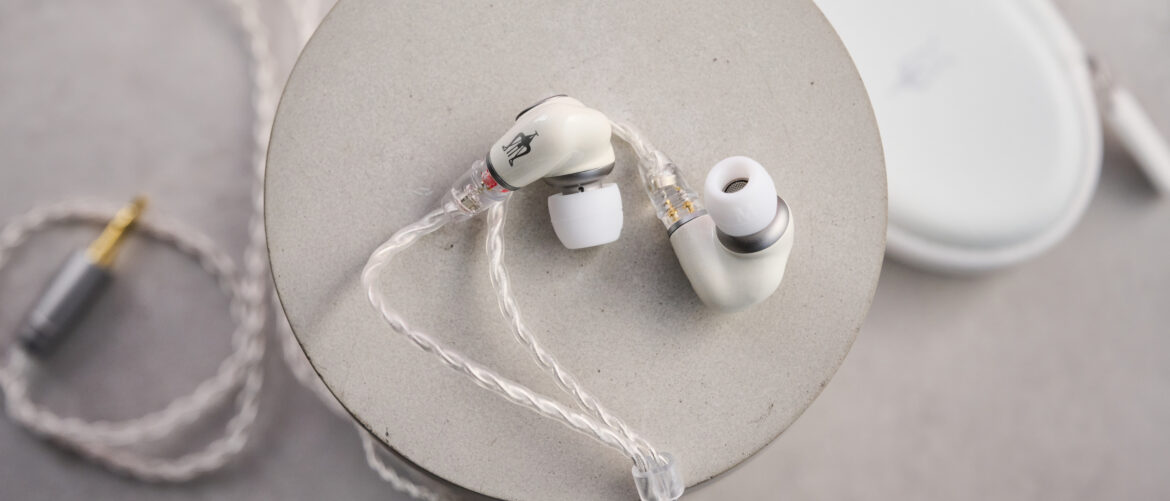
Meze Alba resting on circular surface
Product Reviews

Meze Audio Alba review: affordable and truly awesome-sounding IEMs

by admin September 14, 2025


Why you can trust TechRadar


We spend hours testing every product or service we review, so you can be sure you’re buying the best. Find out more about how we test.

Meze Audio Alba review

In Romanian, the word ‘Alba’ translates to ‘first light’. Instantly, this makes me think of new beginnings; of fresh experiences. And so, in come the Meze Audio Alba – an affordable pair of in-ear monitors aiming to be the first light for entry-level audiophiles, everywhere.

And I’m not going to beat around the bush here, Meze Audio absolutely nailed it with this model. These IEMs have a list price of $159 / £139 / AU$239, meaning they’re easily on the budget side of things. But very little about these in-ears feels or sounds budget to me.

First of all, these deliver fantastic sound quality – the most important quality needed to compete with the best wired earbuds around. If you’re new to the world of audiophile sound, you’ll be wowed with awesome attention to detail right across the frequency range, as well as clear, surprisingly expansive audio output.

Meze itself describes the Alba as having “a neutral sound profile with an added touch of warmth” – and that’s a largely accurate description in my view. Mids never sound recessed, treble is expressive, and bass is impressively weighty given these IEMs’ small size. I certainly sensed that slight preference towards low-frequency sounds when listening to Overflow by Kolter, where the meaty, spacey bass hit with serious impact.

When tuning into Where Do We Go From Here by Jamiroquai, lead vocals were pleasingly clear in the overall mix, while rhythm guitar was effortlessly separated and afforded plenty of room to breathe. Groovy bass and percussion was also excellently defined, helping the track’s funk-infused character to flow, without compromise.

You’ll get a dynamic, detailed listen from the Alba too. I tried playing Rains again by Solji, and every breath came through clearly, while delicate vocals remained controlled and emotive throughout.

In fact, my only slight issue with these IEMs sonically speaking, is that higher-pitched treble sounds can get a little harsh at higher volumes. For instance, I listened to Straight From The Underground by Riordan, and snappy percussion sounded a little edgy as I ventured into the upper echelons of loudness. Again, though, these offer a great listen overall.

Sign up for breaking news, reviews, opinion, top tech deals, and more.

(Image credit: Future)

  • Meze Audio Alba (White) at Amazon for $159

Beyond sound, these IEMs continue to plate up serious quality. They’re made up of zinc alloy and anodized aluminium parts, and the outer casing is intended to represent the appearance of a pearl. In hand, the Alba feel far more luxurious than their price would suggest. As much as I love the Sennheiser IE 200, their plastic casing doesn’t come close to the Alba’s more durable, flashy design.

In addition, the braided cable is elegant and even felt nice to run through my fingers. It is a little prone to tangling, especially after taking out of the satisfyingly compact carry case (included in the box). And if you want a volume controller for on-the-go use, you’re out of luck here – you’ll need to consider a third-party option.

Back to the good stuff: there are a couple of connectivity options here. You can either use the standard 3.5mm connector, or make use of the included custom-made USB-C adapter. This has a built-in DAC and AMP, ensuring you can access hi-res audio on the go, even with your smartphone. It also has an LED light that shines if you’re connected up properly – nice touch! It’s worth noting, though, that there’s no 4.4mm adapter in the box.

I was also very pleased with the comfort and fit of the Meze Audio Alba. I typically use the Sony WH-1000XM6 to listen to my music, as I can often find in-ear options to feel a little tiresome after an hour or two. But not these. They fit snugly for me, and are lightweight enough to feel non-invasive. There are a range of different-sized eartips in the box, too, so you can find the perfect seal.

Of course, you don’t get the benefits of active noise cancellation with wired IEMs – something you’d expect from the best wireless earbuds. But that firm seal was all I needed to unearth the full benefits of the Alba’s passive noise isolation abilities. Even when listening at middling volumes, chatter around the office and passing by vehicles were dulled significantly, helping me to remain immersed in my music.

So, all in all, I think it’s clear. The Meze Audio Alba are a brilliant option for anyone looking to enter the audiophile world, with a low price, stunning looks, and detailed sound. They’ll help you see your favorite songs in a new light. And for that alone, they’re well deserving of my recommendation.

(Image credit: Future)

Meze Audio Alba review: price and release date

  • $159 / £139 / AU$239
  • Launched in June 2024

The Meze Audio Alba are a highly affordable pair of IEMs, coming in with a list price of $159 / £139 / AU$239. Interestingly, they appear to be regularly priced a little higher than this in both the UK and Australia, but only by a small margin. They were released in June 2024, and are available in a single colorway.

Meze Audio Alba review: specs

Swipe to scroll horizontally

Drivers

10.8mm dynamic

Weight

14g

Frequency range

15Hz-25kHz

Connectivity

3.5mm; USB-C

(Image credit: Future)

Should I buy the Meze Audio Alba?

Swipe to scroll horizontally

Attributes

Notes

Rating

Features

Brilliant USB-C adapter, great passive noise isolation, detachable cable, no in-line controller or mic.

4.5/5

Sound quality

Well separated, defined sound with impressive bass and attention to detail.

4.5/5

Design

Gorgeous outer casing, beautiful braided cable, a little prone to tangling.

4.5/5

Value

Phenomenally priced for the luxurious sound and looks on offer.

5/5

Buy them if…

Don’t buy them if…

Meze Audio Alba: also consider

Swipe to scroll horizontallyHeader Cell – Column 0

Meze Audio Alba

Sennheiser IE 200

Activo Volcano

Price

$159 / £139 / AU$239

$149.95 / £129.99 / AU$239.95

$80 / £99 (about AU$120)

Drivers

10.8mm dynamic

7mm dynamic

1x 8mm, 2x 6mm dynamic triple-driver

Weight

14g

4g (per bud)

5g (per bud)

Frequency range

15Hz-25kHz

6Hz-20kHz

20Hz-20kHz

Connectivity

3.5mm; USB-C

3.5mm

3.5mm; 4.4mm; USB-C

How I tested the Meze Audio Alba

(Image credit: Future)

  • Tested for two weeks
  • Used in the office and while out and about
  • Predominantly tested using Tidal

I tested the Meze Audio Alba in-ear monitors across the course of two weeks, after a thorough run-in. I predominantly used their 3.5mm connectivity option, while hooked up to my laptop – but I also tried the USB-C dongle with my phone when listening on the go.

Most of the time, I used the Alba while playing tracks via Tidal, in order to access higher-res music files. On Tidal, I ran through the TechRadar testing playlist, which features tracks from a wide range of genres. However, I also played a number of tracks from my own personal library, including some go-to tunes I use for testing audio gear.

Where appropriate, I compared the Meze Audio Alba side-by-side with the Sennheiser IE 200 on aspects such as sound quality, design, and features.

More generally, I’ve tested tons of products here at TechRadar, where I largely focus on the audio-visual segment. I’ve reviewed everything from all-action party speakers, such as the LG xboom Stage 301, through to premium IEMs, like the Sennheiser IE 600. As a result, I have a strong understanding of what is required for audio gear to stand out in a highly competitive market, and what makes a product great, rather than good.

  • First reviewed: September 2025
  • Read more about how we test

Meze Audio Alba: Price Comparison


Source link

September 14, 2025 0 comments
0 FacebookTwitterPinterestEmail
DAAPrivacyRightIcon
Product Reviews

Tesla’s most affordable Cybertruck gets scrapped after a whopping five months

by admin September 14, 2025


The rear-wheel drive trim of the Tesla Cybertruck lasted about five months before it was unceremoniously removed from online sales. The Long Range model represented the most affordable Cybertruck option with its starting price of $69,990, but visitors to Tesla’s online configurator can now only choose between the all-wheel drive model that starts at $79,990 and the Cyberbeast trim, which goes for at least $114,990.

Tesla launched the Long Range version of the Cybertruck in April, which arrived at $10,000 more than originally expected. Along with an elevated price tag, Tesla removed several features, including the power tonneau cover, adaptive suspension, a touchscreen for the back row, the rear lightbar and outlets in the truck bed. The RWD version also came with less towing power, a lower payload capacity and only one motor. While unrelated, the federal tax credit for EV buyers in the US is coming to a close at the end of the month, making the purchase of a Long Range model even less of a bargain.

Tesla didn’t officially offer any explanation about the removal of the Long Range option from its website, but it could be attributed to low Cybertruck sales overall. According to a report from Cox Automotive, the parent company of Kelley Blue Book and Autotrader, Tesla only sold 4,306 Cybertrucks in the second quarter of the year, which is a more than 50 percent drop in sales during the same time period last year.


Source link

September 14, 2025 0 comments
0 FacebookTwitterPinterestEmail
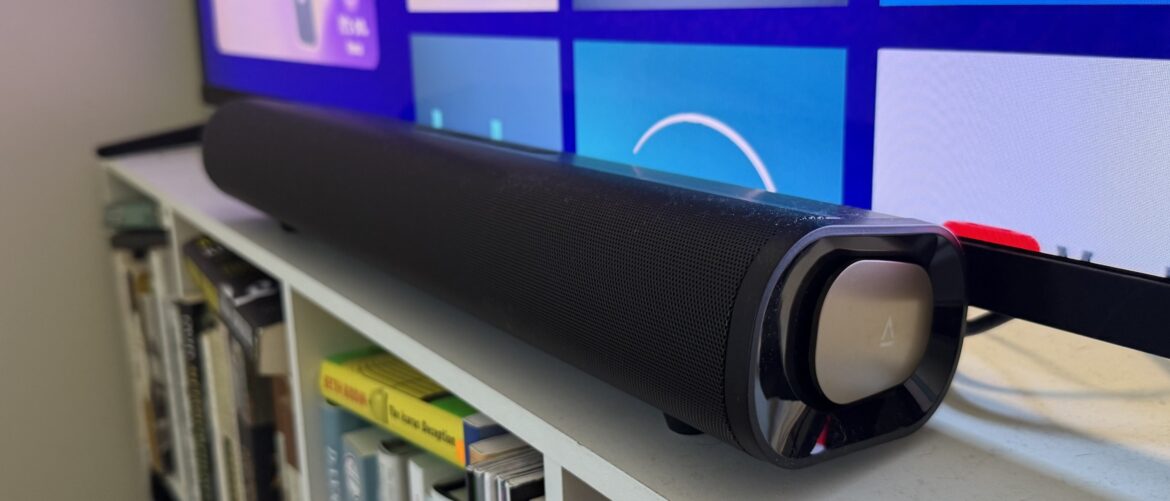
Creative Stage Pro on TV stand
Product Reviews

Creative Stage Pro review: an affordable soundbar that’s equally at home on a TV stand or desktop

by admin September 10, 2025


Why you can trust TechRadar


We spend hours testing every product or service we review, so you can be sure you’re buying the best. Find out more about how we test.

Creative Stage Pro 2.1: Two-minute review

If you’re looking for a very affordable soundbar with a subwoofer, the Creative Stage Pro 2.1 should be on your radar. There are cheaper options available, but most are just a standalone soundbar. And the ones that do come with a sub are most likely from a brand that even a product reviewer like me wouldn’t recognize when browsing the endless options on Amazon.

If most of the best soundbars prioritize performance, features, or price point, then the price point is most important here. The performance of the Creative Stage Pro 2.1 soundbar is fine for a budget-friendly model and a definite improvement on the built-in audio of most flat-screen TVs. The feature set is also somewhat limited, though it does have a trick or two up its sleeve.

Overall, this soundbar is for someone who wants to upgrade their TV (or computer) audio without spending much money, since most soundbars with a subwoofer are going to cost more.

The Stage Pro’s alphanumeric LED display is a rare feature in a budget soundbar (Image credit: Future)

The Creative Stage Pro is not quite petite, but it’s relatively compact at just under 22 inches wide. Its front is rounded and slightly pointed up due to the way it sits on its two attached feet. There’s an LED display that reads out information like volume/settings and source – a feature I appreciate that is strangely missing from many soundbars, including pricey ones.

  • Creative Stage Pro 2.1 soundbar (Black) at Amazon for $169.99

The button layout on the soundbar’s top is pretty straightforward, with a power, volume level, input, Bluetooth, and SuperWide (more on that feature in a bit) buttons. All the basics are there, though you have to use the remote to get more granular in the controls, mainly by adding independent adjustments for the bass and treble, along with the sound mode selector.

The port selection might not wow, but it’s actually fairly robust for such a compact soundbar, with an HDMI ARC input with CEC Control (which lets you use one remote to control both the TV and soundbar), as well as optical digital, AUX, and USB-C inputs. It’s also worth noting that there’s Bluetooth 5.3 wireless support for streaming music.

At just under five inches deep, the subwoofer is also fairly compact, even if it stands a bit tall at 16.5 inches. The sub’s power cord is permanently attached, so if something happens to it, you’ll have to replace the whole subwoofer.

Sign up for breaking news, reviews, opinion, top tech deals, and more.

All sound adjustments to the Stage Pro can be made from the included remote (Image credit: Future)

Before I discuss performance, it’s worth noting that there’s a lot of power on tap with the Creative Stage Pro 2.1, which has two 20W channels for the soundbar and 40 watts for the sub, with a peak of 160 watts. This guy will give you more than enough volume, and I actually listened to it at a fairly low volume level setting most of the time.

There’s plenty of low end, though the bass doesn’t quite get that deep. After spending time watching blockbusters like The Batman where everything is always blowing up, it was clear that this system doesn’t deliver a lot of sub-bass – not too surprising when the subwoofer driver is a relatively small 5.25 inches.

As far as the mids go, they’re a bit boosted, and I wish I could back off a bit with EQ settings (something one would find on more expensive soundbars) for a flatter response. Ultimately, I ended up preferring to turn up the treble and bass a little bit and turn down the volume. The high frequencies on cheaper speakers and soundbars typically sound either tinny or muted, but luckily, the Creative Stage Pro has a decent amount of treble detail.

Considering the Creative Stage Pro is relatively compact, the soundstage is pretty narrow. I didn’t hear much in the way of sound effects positioning, whether in the aforementioned The Batman or other media, including some audio test tracks on YouTube.

As is expected at its price point, the Creative Stage Pro’s feature set is pretty minimal. There’s no Wi-Fi streaming or voice assistant support, though there is Bluetooth for wireless streaming.

What the soundbar does have for features is its various sound presets and Creative’s SuperWide Technology. The five presets are the usual variety: Movies, Music, Vocals, and Gaming. I found them to be a bit too subtle to be all that noticeable, though when I selected the Off option, there was a bit of a volume drop.

Of the presets, I wish Vocal – a mode that usually helps with boosting dialogue – was more distinguished, but it’s too small a boost to really help. I also wish there were a Night preset similar to that found on other soundbars that would limit volume peaks and boost quiet parts so you can hear what’s going on while keeping the volume low.

Creative’s SuperWide feature is more interesting. It has three settings, Near, Far, and Off, with Near or Far engaging processing that expands the audio horizontally for a bit of a wraparound effect to create a greater sense of space.

SuperWide is also great for adjusting the sound for use with a computer or a TV, with the Near setting optimized for a desktop installation. When toggling through the two modes, I did get a sense of audio being closer or farther away, depending on the setting. It’s a bit of a gimmick, but a pretty cool one, and a good substitute for surround sound or spatial audio.

Creative Stage Pro 2.1 review: Price & release date

The Stage Pro’s top surface control buttons (Image credit: Future)

  • Price: $139.99 / £139.99 (around AU$220)
  • Date first available: July 2025

Creative has been on the budget audio train for a long time, so a price tag of £139.99 / $139.99 (AU$220) for a 2.1 soundbar system is about what one would expect from the company.

This system might have some limitations, as discussed in this review, but it is among the best cheap soundbars with a subwoofer. After all, when you get down to this price point, you’re either dealing with a very limited package, such as the even more affordable Majority Naga 60, a standalone soundbar that comes with its own performance issues. Alternatively, you’ll have to pay more for the just barely sub-$500 Sony HT-S2000. Of course, that 3.1-channel soundbar comes with Dolby Atmos and has better sound quality, but it’s almost four times the price despite being our top budget soundbar pick.

Should I buy the Creative Stage Pro 2.1?

Ports include HDMI ARC, optical digital and 3.5 analog audio inputs and a subwoofer output (Image credit: Future)Swipe to scroll horizontallyCreative Stage Pro 2.1

Attributes

Notes

Rating

Features

Somewhat limited audio quality and features, but you’re still getting a lot for the price

4 / 5

Performance

The bass doesn’t get super deep, and the soundstage could be wider, but this soundbar will be an upgrade for most TVs

3.5 / 5

Design

A bit utilitarian looking, especially the sub, but it has an LED display and side-firing speakers

4 / 5

Value

Priced just right, especially when you consider it comes with a subwoofer

4.5 / 5

Buy it if…

Don’t buy it if…

Creative Stage Pro 2.1: Also consider

How I tested the Creative Stage Pro 2.1

The Stage Pro with its included accessories (Image credit: Future)

  • Used regularly for several weeks
  • Tested with all sorts of media
  • Tested the different modes

I used the Creative Stage Pro 2.1 soundbar regularly for a few weeks, streaming all sorts of media from old and new movies to TV shows and music. I pressed every button on the remote to check out the different sound presets as well as the Superwide Technology modes.

I’ve tested a lot of tech gear over the years, from laptops to keyboards and speakers, and so have been able to use my expertise towards giving an honest and fair opinion, not to mention a critical eye, to any product I test.

First reviewed September 2025

Read more about how we test

Creative Stage Pro 2.1 soundbar: Price Comparison


Source link

September 10, 2025 0 comments
0 FacebookTwitterPinterestEmail
The Nintendo Switch 2 with the Belkin Tempered Glass Anti-Reflective Screen Protector applied; Mario Kart World is displayed on screen with bright, vibrant colors.
Product Reviews

Belkin Tempered Glass Screen Protector for Nintendo Switch 2: affordable, easy to apply and sure to keep your Switch screen safe

by admin September 7, 2025


Why you can trust TechRadar


We spend hours testing every product or service we review, so you can be sure you’re buying the best. Find out more about how we test.

Belkin Tempered Glass Anti-Reflective Screen Protector for Nintendo Switch 2: review

The Belkin Tempered Glass Anti-Reflective Screen Protector is designed for anyone looking to defend their Nintendo Switch 2 from knocks and scratches.

Made from tempered glass, covered with an anti-reflective surface and treated with an anti-fingerprint coating, it promises to keep your handheld console crack-free, while not diminishing your gameplay experience; a big swing, particularly given its relatively affordable $24.99 / £14.99 / AU$29.95 price.

The process of applying the screen protector to our Switch 2 was easy, thanks in no small part to Belkin’s simple system. Once you’ve popped the supplied frame over the Switch 2’s screen, the screen protector naturally nestles into its exact position on the glass, without the hesitation and second-guessing often experienced when applying screen protectors.

All I then had to do was peel back the top layer of film and coax all of the air pockets to the edge of the display; this took all of about 20 seconds, which is far faster than with some of the best Nintendo Switch 2 accessories.

Admittedly, a few stubborn bubbles remained, but I’ve applied a lot of screen protectors in my time – I’m both an early upgrader and horrendously clumsy – and I’ve always found that these eventually get squeezed out over the first few days of use.

  • Belkin Tempered Glass Anti-Reflective Screen Protector for Nintendo Switch 2 at Amazon for $24.56

Image 1 of 4

Before applying the Belkin Tempered Glass Anti-Reflective Screen Protector(Image credit: Future)Fitting it within the frame was a piece of cake, easily allowing me to align it precisely.(Image credit: Future)A few bubbles appeared beneath the surface but they were easy enough to chase away.(Image credit: Future)A quick polish with the microfiber cloth and I was done!(Image credit: Future)

As long as you’ve ensured that your Switch 2’s screen is sufficiently clean before applying the protector, it really is hard to imagine how you could go wrong here.

Once it was applied, I was genuinely impressed with the quality of Belkin’s screen protector. Thanks to the tempered glass it’s fashioned from it feels sturdy to the touch – rather than the plasticky feel of some products, you get all of the hardness of standard glass without the brittleness. And its bevelled edges mean it can have a decent thickness to it while not having a pronounced lip around its rim, allowing it to blend seamlessly into the device.

Sign up for breaking news, reviews, opinion, top tech deals, and more.

Sometimes this kind of protection can come at a bit of a tradeoff, giving you peace of mind at the cost of increased reflectivity, but Belkin’s anti-reflective treatment seemed to minimize the amount of reflections cast across the screen. It didn’t seem to hurt the pop of the Switch 2’s gloriously vibrant display at all, with Mario Kart World’s colorful palette still looking as hyperreal as ever.

Even under the harsh lighting of our photography studio, I had to spin it to pretty extreme angles for reflections to significantly affect the viewing experience, and you’re unlikely to encounter conditions this unfavorable under real-world use.

(Image credit: Future)

Being this well designed doesn’t mean anything if a screen protector cracks under pressure though. So how did the Belkin Tempered Glass Anti-Reflective Screen Protector perform under testing conditions?

Pretty capably, it turns out.

Out of the gate, I wanted to make sure it was going to actually go the distance – it doesn’t matter how hard your screen protector is if it peels off long before it sees any action. Rubbing the corner didn’t cause any layers to come away and, even when I got my nail in there, it didn’t easily lift away from the screen. My impression is that the Belkin should hang on in there for the long haul.

Simulating multiple years of cumulative wear and tear isn’t all that easy, so it’s important that we subject these screen protectors to a level of abuse I’d hope you wouldn’t subject your own console to.

Image 1 of 2

Scratch testing the Belkin Tempered Glass Anti-Reflective Screen Protector…(Image credit: Future)… And the aftermath, showing little in the way of scratches.(Image credit: Future)

Taking my keys to the screen protector, I started trying to scratch it, gingerly at first and then, when it resisted my efforts, rather less gingerly. No matter how hard I tried to score the glass, the keys in my hand just slipped off it, so while I imagine it will sustain damage from direct blows, you can rest easy knowing that it’ll laugh off regular scuffs and scrapes with ease.

Even though I’ve spent a lot of money on screen protectors over the years, the Belkin Tempered Glass Anti-Reflective Screen Protector for Nintendo Switch 2 still impressed me. It’s easy to apply, well made, and should guard your handheld console against all but the most severe abuse.

Once you factor in the aforementioned price – just $24.99 / £14.99 / AU$29.95 – it becomes a bit of a bargain, especially given that you shouldn’t have to replace it for trivial reasons, like superficial scratches or premature peeling. If you want to safeguard your Switch 2, it’s a very safe bet.

(Image credit: Future)

Belkin Tempered Glass Anti-Reflective Screen Protector for Nintendo Switch 2 review: price & availability

  • Launched June 4, 2025
  • Retails for $24.99 / £14.99 / AU$29.95

First released on June 4, 2025, the Tempered Glass Anti-Reflective Screen Protector for Nintendo Switch 2 is Belkin’s first foray into the gaming screen protector space. Priced at $24.99 / £14.99 / AU$29.95, it’s a very competitive option – although it is worth noting that some rivals’ offerings include two protectors for the price of one.

Still, I would argue that the value you’re getting here is pretty decent. Two screen protectors over one sounds like a bargain, as long as they don’t last half as long, effectively negating their cheaper price. Based on Belkin’s track record in this space, and how durable its screen protector proved in our testing, this one should last you a decent while, making it still a smart investment for the price.

(Image credit: Future)

Should I buy the Belkin Tempered Glass Anti-Reflective Screen Protector for Nintendo Switch 2?

Swipe to scroll horizontally

Ease of application

The frame makes it a cinch to fit it in place, and getting an essentially bubble-free seal only takes a few swipes.

4.5 / 5

Design

Bevelled edges allow the protector to have a decent thickness without rough edges, while reflection-reducing and fingerprint-resistant design ensures the screen remains visible even in direct light.

4.5 / 5

Toughness

Thick, robust tempered glass that neither peels nor scratches easily – our testing didn’t leave a single mark on it.

5 / 5

Value

Priced at the cheaper end of the market and designed to last, although some rivals offer two protectors for their higher price.

4 / 5

Buy it if…

Don’t buy it if…

How I tested the Belkin Tempered Glass Anti-Reflective Screen Protector for Nintendo Switch 2

  • I applied the screen protector following the instructions
  • I tested how it affects brightness, shows fingerprints, and how easy it is to damage
  • I relied on decades of handheld gaming experience

Since TechRadar has started testing Nintendo Switch accessories, it’s been important for me to work out a standardized process for how we test them. First off, we apply the screen protector to a Nintendo Switch 2 to see how easy it is to adhere. Then we test how the screen protector affects the brightness of the screen and viewing angles, before seeing how it copes with smudges and fingerprints.

I also wanted to make sure that we checked how well the screen protectors cope with damage. While I wasn’t quite brave enough to drop a flagstone onto our testing Switch 2 and see whether it survived until the release of Metroid Prime 4: Beyond, I did try several methods to test the hardiness of the Belkin Tempered Glass Anti-Reflective Screen Protector. I tried scuffing the edges of the screen protector and peeling it with my nails to see if it would come loose, before attempting to scratch it vigorously with my keys.

In terms of experience, not only have I been gaming on the go for most of my life – Imma OG Game Boy right here – but I’ve been writing about tech and gadgets on and off for almost 15 years. My reviews team tests a wide array of gaming accessories from controllers to wireless headsets – and perhaps most relevant, I’ve broken more screens than I can count.

  • First reviewed: September 2025
  • Read more about how we test

Belkin Tempered Glass Anti-Reflective Screen Protector for Nintendo Switch 2: Price Comparison


Source link

September 7, 2025 0 comments
0 FacebookTwitterPinterestEmail
  • 1
  • 2

Categories

  • Crypto Trends (1,098)
  • Esports (800)
  • Game Reviews (772)
  • Game Updates (906)
  • GameFi Guides (1,058)
  • Gaming Gear (960)
  • NFT Gaming (1,079)
  • Product Reviews (960)

Recent Posts

  • This 5-Star Dell Laptop Bundle (64GB RAM, 2TB SSD) Sees 72% Cut, From Above MacBook Pricing to Practically a Steal
  • Blue Protocol: Star Resonance is finally out in the west and off to a strong start on Steam, but was the MMORPG worth the wait?
  • How to Unblock OpenAI’s Sora 2 If You’re Outside the US and Canada
  • Final Fantasy 7 Remake and Rebirth finally available as physical double pack on PS5
  • The 10 Most Valuable Cards

Recent Posts

  • This 5-Star Dell Laptop Bundle (64GB RAM, 2TB SSD) Sees 72% Cut, From Above MacBook Pricing to Practically a Steal

    October 10, 2025
  • Blue Protocol: Star Resonance is finally out in the west and off to a strong start on Steam, but was the MMORPG worth the wait?

    October 10, 2025
  • How to Unblock OpenAI’s Sora 2 If You’re Outside the US and Canada

    October 10, 2025
  • Final Fantasy 7 Remake and Rebirth finally available as physical double pack on PS5

    October 10, 2025
  • The 10 Most Valuable Cards

    October 10, 2025

Newsletter

About me

Welcome to Laughinghyena.io, your ultimate destination for the latest in blockchain gaming and gaming products. We’re passionate about the future of gaming, where decentralized technology empowers players to own, trade, and thrive in virtual worlds.

Recent Posts

  • This 5-Star Dell Laptop Bundle (64GB RAM, 2TB SSD) Sees 72% Cut, From Above MacBook Pricing to Practically a Steal

    October 10, 2025
  • Blue Protocol: Star Resonance is finally out in the west and off to a strong start on Steam, but was the MMORPG worth the wait?

    October 10, 2025

Newsletter

@2025 laughinghyena- All Right Reserved. Designed and Developed by Pro


Back To Top
Laughing Hyena
  • Home
  • Hyena Games
  • Esports
  • NFT Gaming
  • Crypto Trends
  • Game Reviews
  • Game Updates
  • GameFi Guides
  • Shop

Shopping Cart

Close

No products in the cart.

Close